Still Getting Calls After Your Loan Is Settled? Here's What to Do
Loan harassment after settlement means recovery calls or messages continuing even though your account is already marked "Settled" and you're holding an NOC (No Objection Certificate) or other written confirmation of the settlement.
Mohit Juneja
Reviewed by FREED India, Debt Resolution Specialists
 4.7/5
4.7/5 ₹3,200Cr+
 20,000+
 20,00,000+4.7/5₹3,200Cr+20,000+20,00,000+
KEY TAKEAWAYS

Loan harassment continuing after a genuine settlement usually traces to one of three causes: a different active account, a data or reporting delay, or the debt being pursued by a third party that wasn't informed.
Once a "full and final" settlement is paid and an NOC is issued, that specific account cannot legally be pursued for further payment.
Your first move is always checking whether the call is even about the settled account, not a different loan or card.
Document every call, the date, the time, the number, and what was said, before you respond to anyone.
Under RBI's Fair Practices Code, banks and recovery agents cannot call before 8 AM or after 7 PM, use abusive language, or contact your family or employer without consent.
Why Would Recovery Calls Continue After a Loan Is Settled?
A call about a loan you already settled can feel like the ground shifting under you. You did the hard part. You paid. And the phone still rings.
In most cases, this comes down to one of three things. The most common is a different account. Plenty of borrowers have more than one loan or card, and it's easy to mix up a call about a genuinely overdue account with the one you already settled.
The second is a reporting lag. Your bank's internal system and the credit bureau don't always update at the same pace. A delay between internal account records, collection systems and credit-bureau reporting can sometimes create confusion. Don't assume that a CIBIL update or the lack of one alone proves whether the underlying account has been settled.
The third, and the one that worries people the most, is that the debt was sold or assigned to a third party. This is often an ARC (Asset Reconstruction Company, a firm that buys old loan accounts from banks), or an outside collection agency. If an account has been assigned to an ARC or collection agency, ask the caller to identify the account and provide written confirmation of the authority under which they are contacting you. If the settlement was already completed before the assignment, your settlement documents become particularly important.
Before reacting to the call, the first real step is figuring out which of these it actually is. Assuming the worst before checking rarely helps.

Calls Still Coming After Settlement?
Free help. FREED Shield is open to anyone, enrolled or not.
Report HarassmentIs It Legal to Be Contacted for a Debt That's Already Settled?
Short answer: no, not for that specific account.
Once a settlement is paid in full, on the terms both sides agreed to, and the bank has issued an NOC or a settlement letter confirming "full and final" payment, there's nothing left to collect on that account. The debt on it is done.
Continued collection attempts on that exact account, after a genuine settlement, aren't a grey area. They're improper. Your NOC is the proof, and it carries real weight if you ever need to push back.
There's one caveat worth repeating. This protection covers the specific account named in your NOC. It doesn't extend to a different loan or card that happens to still be overdue. FREED's full breakdown of how loan settlement actually plays out shows exactly where the NOC fits in that sequence, if you want to double check what yours should say.
So the real question isn't whether you're protected. It's whether this particular call is about the account that's protected.
Not Sure If Your Settlement Was Watertight?
Free help checking your documents.
Talk to a FREED Counsellor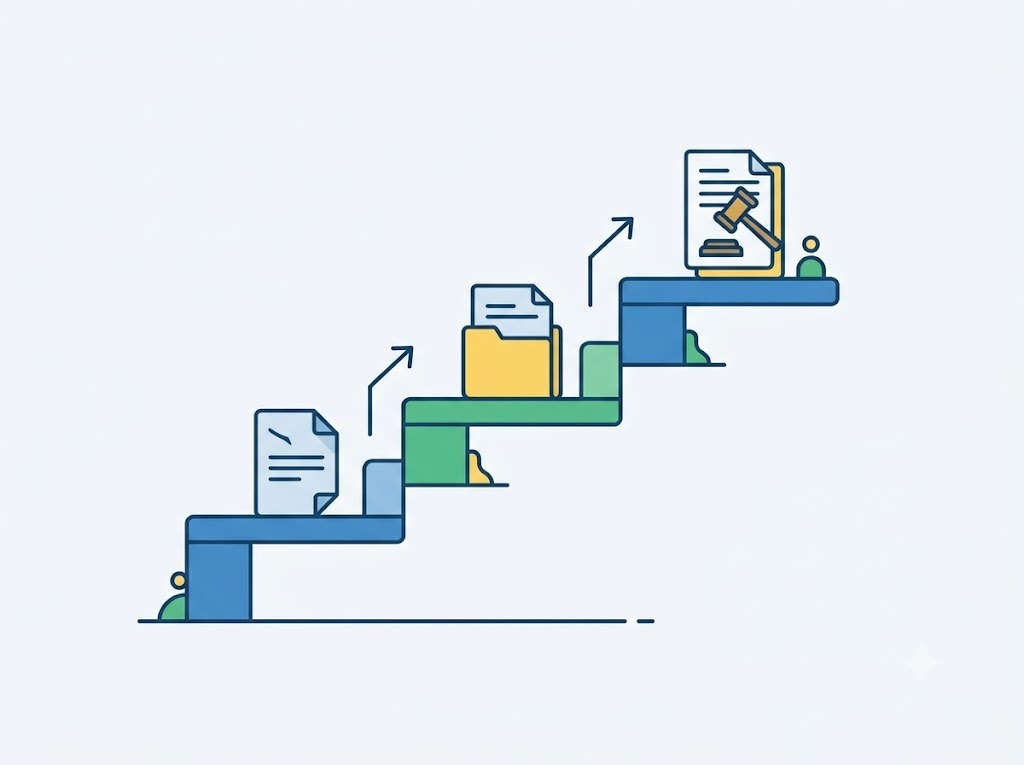
What Should You Check Before Responding to the Call?
Before you respond to anyone, run through a quick check. It takes ten minutes and saves a lot of back and forth later.
- Pull out your settlement letter or NOC. Confirm the exact account number, loan type, and lender it covers. This one document is the single most useful thing you can have in hand.
- Ask the caller directly which account and lender they're calling about. A genuine caller can answer this without hesitation. Ask for it in writing, over email or SMS, if you can.
- Check whether you have any other active loan or credit card. It's easy to forget a smaller account, especially one you haven't thought about in months.
- Check your CIBIL report. Confirm the settled account is correctly marked "Settled" and that no fresh outstanding balance is showing against it.
Once you've gone through these four, you'll usually know exactly what you're dealing with. That's when it's time to decide how to respond.
What to Do If the Calls Are Genuinely About Your Settled Debt
If you've checked and the call really is about your settled account, don't just hang up and hope it stops. A documented response works far better than an angry one.
Start by writing down every call the moment it happens. Date, time, the number that called, and exactly what was said. This record matters more than it seems to in the moment.
Next, respond in writing rather than over the phone. Email works better than a call, since it creates a paper trail. Reference your NOC or settlement letter directly, along with the account number, and state plainly that the account is fully and finally settled.
If the calls continue after that, escalate formally. Use the lender's formal grievance-redressal channel and escalate to the designated Grievance Redressal Officer/Nodal Officer where required.
If the bank does not resolve your written complaint within the applicable 30-day period, or you are dissatisfied with its response, you can consider escalating the complaint to the RBI Ombudsman under the Integrated Ombudsman Scheme, 2026. It costs nothing to file, and the Ombudsman can award compensation, up to ₹3 lakh under the current rules, for the harassment and mental strain a situation like this causes. A documented, formal complaint carries real weight. Banks face real regulatory risk once harassment is on record, and that alone tends to move things faster than another call ever will.
What Protections Apply Here Under RBI's Fair Practices Code?
Whatever's causing the call, these protections apply to you, and they aren't limited to settled accounts.
Under RBI's Fair Practices Code, recovery calls can't happen before 8 AM or after 7 PM. messages, threatening or anonymous calls and other forms of intimidation or harassment during recovery.
Recovery agents must not use intimidation or harassment, including conduct intended to publicly humiliate the borrower or intrude upon the privacy of family members, referees or friends.
None of this depends on whether the underlying debt is settled, active, or disputed. RBI's directions prohibit intimidation and harassment in debt-collection efforts, regardless of the account's status.

What the Law Says
RBI's recovery-agent directions prohibit regulated entities and their recovery agents from persistently calling borrowers for recovery of overdue loans, including calls before 8 AM and after 7 PM. The RBI Banking Ombudsman can award compensation, up to ₹3 lakh under the current RB-IOS 2026 rules, for documented harassment, and filing costs nothing.
Read the Full Complaint ProcessHow FREED Helps If This Is Happening to You
If sorting through all of this on your own feels like a lot, you don't have to be enrolled in a FREED program to get help.
FREED Shield is a borrower support tool built for exactly this kind of situation, calls or messages that shouldn't be happening. It's open to anyone facing recovery pressure, including people who settled independently or through a different agency entirely, not only FREED customers. FREED's guide on dealing with recovery agents under RBI's rules is a useful companion read for the fuller picture of what agents can and can't do.
FREED Shield helps you document what's happening, understand which RBI recovery-agent protections may apply and organise the appropriate escalation, And put together the right escalation, to the GRO, the Nodal Officer, or the RBI Banking Ombudsman, depending on where things stand.
One honest note. FREED Shield is a documentation and escalation support service, not legal representation. If your situation reaches the point of needing formal legal action, that calls for a qualified advocate. And while the support here is real, it isn't a guarantee that a single call makes everything stop overnight. Persistent harassment, especially involving a third party like an ARC, sometimes takes a few rounds of escalation to fully resolve.
Is This Call About Your Settled Account or a Different One?
Check | If It Matches Your Settled Account | If It Doesn't |
Account number mentioned | Matches your NOC exactly | It's a different debt, this article's protections don't apply to that account |
Lender or agency name | Same lender or their known assignee | Unfamiliar third party, ask for written proof of assignment |
CIBIL report status | Shows "Settled" | Still shows active, the update may not be processed yet |
If in doubt, request written confirmation from the caller before responding further. Don't confirm personal or payment details over an unverified call.

Mohit Juneja
Mohit Juneja writes educational content at FREED on debt management, credit scores, loan repayment, and borrowing best practices. His content is shaped by expert insights and industry knowledge, helping readers better understand their financial options and make informed decisions.
mohit.juneja@freed.care

FREED is India's trusted loan management platform. Founded in 2020 and headquartered in Gurugram, FREED has counselled 20 lakh+ people on personal loans, credit cards, and app loans. FREED charges fees only on successful settlement, not upfront. FREED does not handle secured loans (home loans, car loans, gold loans).
Media Mentions