What Is a Haircut in Banking? Loan Settlement Terminology Explained
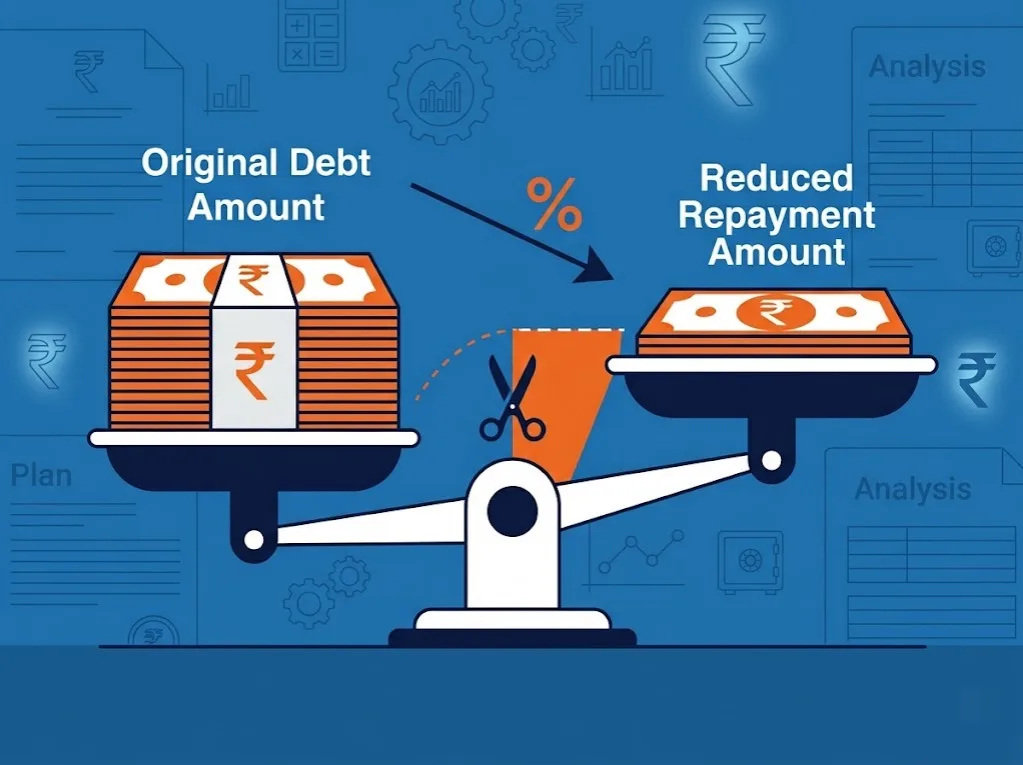
A bank haircut is the difference between what a borrower originally owed and the reduced amount a bank agrees to accept as final payment, or the discount a lender applies to an asset's value when it's used as loan collateral. In personal lending, a haircut usually shows up as loan settlement.
Mohit Juneja
Reviewed by FREED India, Debt Resolution Specialists
 4.7/5
4.7/5 ₹3,200Cr+
 20,000+
 20,00,000+4.7/5₹3,200Cr+20,000+20,00,000+
KEY TAKEAWAYS

A bank haircut is the gap between the amount owed and what the lender agrees to actually recover.
Banks apply this in two contexts: writing down a borrower's debt, as in settlement or IBC resolutions, and discounting collateral value, as in gold loans or margin lending.
A settlement may involve the lender accepting less than the full amount owed, but the amount of any reduction varies by case and lender policy.
Under India's Insolvency and Bankruptcy Code, lenders have taken reductions exceeding 50 to 60% on some large corporate resolutions, a very different scale from personal lending.
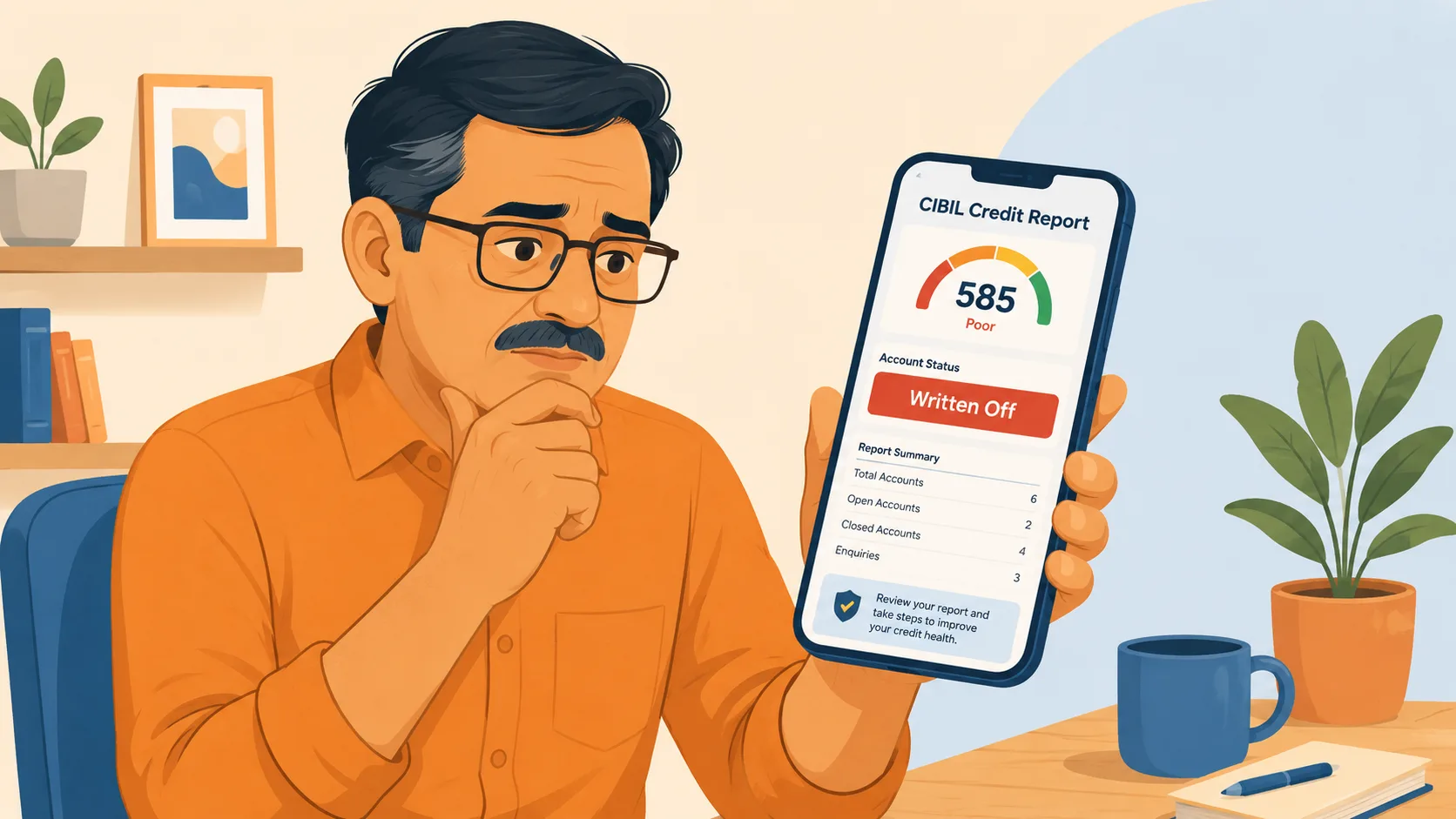
A haircut on a personal loan leads to a Settled CIBIL tag that stays for up to 7 years.
What Does "Haircut" Mean in Banking?
In plain terms, a haircut is what's left over after you subtract the reduced payoff from the original amount owed. Say a bank is owed ₹10,000 and agrees to accept ₹8,000 as final payment, that's a 20% haircut, purely as an illustration, not a real bank figure.
The term actually has two distinct uses in banking, and it's worth being clear on both so the rest of this article makes sense. The first is a debt haircut, where a lender accepts less than the full amount owed to close an account. This is what most people searching this term actually want to understand, and it's what the rest of this article focuses on. The second is a collateral haircut, where a lender discounts the market value of an asset like gold, securities, or property before lending against it, as a safety margin. That gets its own short section further down for completeness.
One more thing worth flagging upfront: "haircut" is industry shorthand, not something you'll see on a borrower-facing document. Once the term's been established here, later sections switch to reduced payoff amount or settlement, since that's the language you'll actually encounter. If you want the fuller settlement process laid out from start to finish, one-time settlement, meaning, process and eligibility is worth reading alongside this piece.

Understand Your Real Settlement Options
No pressure, clear numbers, free to talk.
Start My Debt AssessmentHow Is a Bank Haircut Different From a Loan Settlement?
Here's the disambiguation most readers actually came for. For an individual personal loan or credit card, "the bank takes a haircut" and "the borrower settles the loan" describe the exact same event, just from two different sides. Haircut is commonly used in finance to describe a reduction in value or recoverable amount. In a settlement context, it can describe the lender's sacrifice relative to the amount originally due. The settlement is what shows up on the borrower's end, marked Settled on their CIBIL report.
These aren't two separate processes, they're one event described two ways. That's also why the word rarely, if ever, appears on a settlement letter itself. Banks use it internally; borrowers see settlement or one-time settlement instead. The percentage a bank ultimately accepts depends on how long the account's been in default, what hardship documentation supports the request, and how the account is already provisioned on the bank's books. The amount a lender agrees to accept can vary substantially depending on the account, borrower circumstances, security/collateral where applicable and the lender's approved settlement policy.
The next section covers exactly when a bank actually starts entertaining this, since it's rarely available on request.

What the Law Says
Under applicable RBI asset-classification norms, a term loan can become an NPA when principal or interest remains overdue for more than 90 days. NPA classification is separate from settlement eligibility, which is governed by the lender's applicable policy.
Understand your settlement optionsWhen Do Banks Take a Haircut on Your Loan?
- Once an account is 90 or more days overdue and classified NPA. This is the earliest point where a settlement conversation realistically opens up, and it's the same classification that eventually shows on your report, worth reading how to remove NPA from your CIBIL report once you're past this stage.
- Once the account's been NPA classification is separate from settlement eligibility, which is governed by the lender's applicable policy. At this stage, but you still legally owe the money. Write-off and settlement are not the same outcome for you.
- When a borrower proposes a lump-sum settlement backed by real hardship documentation. This is the borrower-initiated path, and it still needs the bank's approval.
None of this is automatic, and it's never something a borrower can simply demand. It requires the bank's approval, based on genuine inability to repay, not preference.
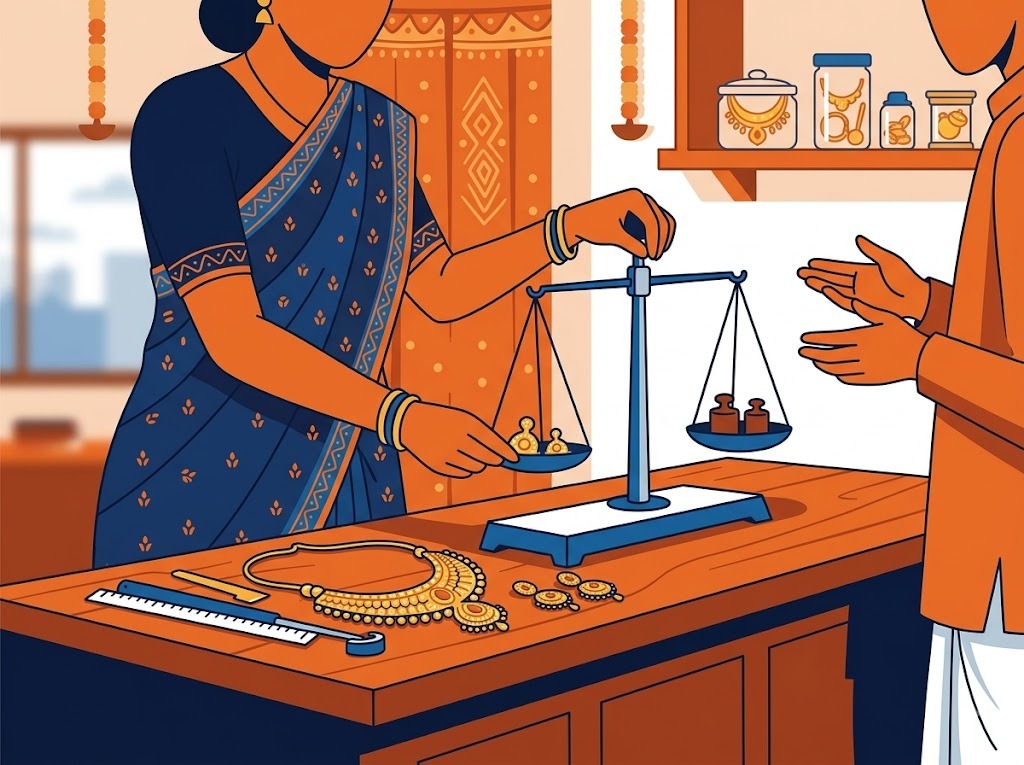
What Is a Collateral Haircut? (Gold Loans, Securities, Margin Lending)
This is a different meaning entirely, and it's worth keeping separate from everything above. When you pledge an asset like gold or shares as collateral, the lender values it below its current market price as a safety margin, that discount is also called a haircut. In secured lending, lenders may apply a haircut to the value of pledged collateral, meaning they lend only a portion of the asset's assessed value.
That's really all a retail borrower needs to know about this meaning. The loan settlement meaning is what most readers of this article actually came for, and that's where the rest of this piece stays focused.
Curious What This Means for a Loan You're Carrying?
A quick, honest conversation about your options.
Talk to FREED's TeamHow Does a Bank Haircut Affect Your CIBIL Score?
A settlement can negatively affect your CIBIL Score and may make future borrowing more difficult or expensive.
Worth knowing for context: a write-off, where the bank simply gives up trying to recover before any settlement happens, is generally worse for your CIBIL than a negotiated settlement, since it signals the account went unresolved rather than closed through agreement. It's worth reading bad debts written off, meaning and CIBIL impact if you're trying to work out which of these two outcomes actually applies to your account. Recovery is possible over time with consistent, on-time payments elsewhere, though it's a gradual process rather than a quick bounce back.
Get a Clear Read on Your Score
See exactly where you stand before deciding anything.
Check My CreditIs Taking a Haircut on Your Loan the Right Move?
Settlement is rarely the right first move, and it shouldn't be treated as one.
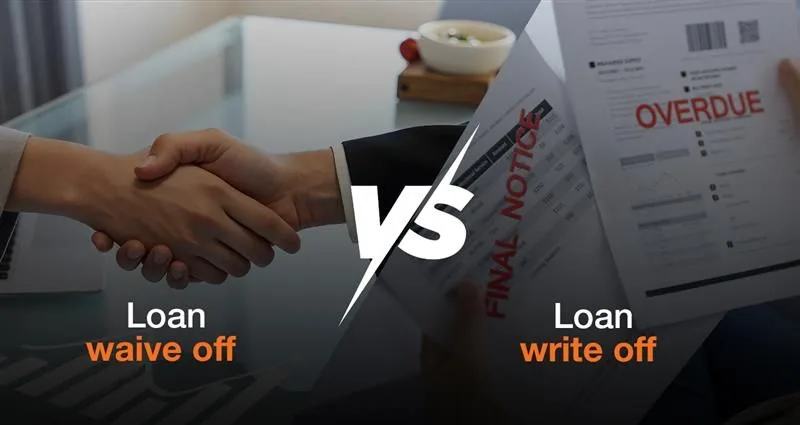
If the shortfall is temporary, restructuring or a moratorium directly with your bank is worth exploring first. Consolidation may replace multiple eligible repayments with one structured repayment, subject to approval and final terms. Its effect on your credit profile depends on the associated enquiries, account reporting and repayment behaviour. Only when repayment has become genuinely, ongoingly impossible does accepting a bank's haircut, meaning settlement, make sense as the option. It's worth understanding loan waive off versus loan write off too, since these three terms get confused with settlement constantly and they are not interchangeable.
These options address different financial situations. The appropriate option depends on whether the repayment difficulty is temporary, whether the borrower can still repay in full, and the terms available from the lender. The next section covers how FREED helps borrowers land on the right one of these, not settlement by default.
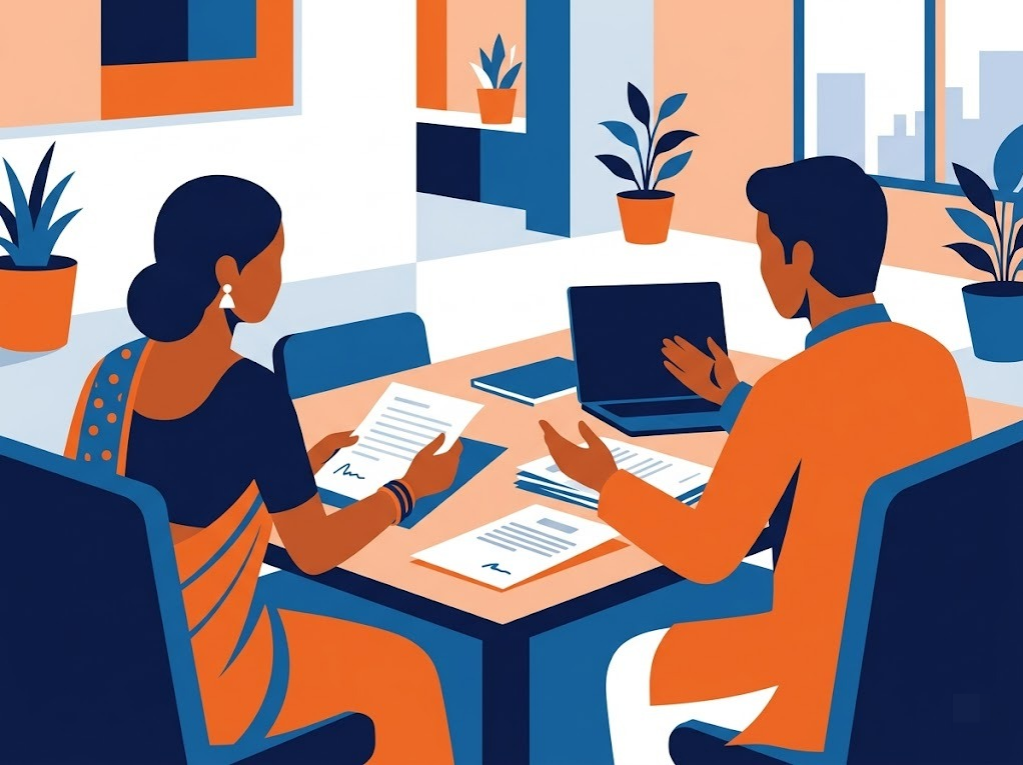
How FREED Helps When a Bank Is Willing to Take a Haircut
FREED's Loan Settlement Plan, branded as "Settle My Loans" on the FREED website and app, starts with a full look at your financial picture, every loan, your income, your essentials. From there, FREED builds a personalised monthly savings plan around what you can actually set aside.
You save into a Special Purpose Account in your own name, held independently by a trustee, not by FREED. Once that fund's built up enough, FREED negotiates the reduced settlement amount with your bank on your behalf. You authorise every settlement before any money moves, and a written settlement letter is the final proof once it's done.
This takes real time. Savings build first, negotiation follows, and it's not an instant fix. FREED's fee is success based, charged only once a settlement actually completes. FREED has counselled over 20,00,000 customers, settled more than 20,000 accounts, and managed over ₹3,200 Cr in debt.
What to Check Before Accepting a Bank's Settlement Offer
Get the exact settlement amount, payment deadline and post-settlement account-status terms in writing before paying anything. A verbal offer from a bank official isn't binding, and it's worth reading how to write a loan settlement letter to a bank if you want a template for putting this in writing yourself.
Confirm the loan will show as Settled, not Closed, so there are no surprises when you check your report later. Ask for a defined timeline on your No Dues Certificate before you pay, and follow up if that date passes. Avoid taking on unnecessary new credit while you're working through a settlement, particularly if your existing repayments are already difficult to manage.
None of this needs to feel rushed. A calm, well-documented settlement protects you far more than a fast one.

Freed Expert Tip
Ask for the settlement percentage in writing before paying. A verbal offer from a bank official isn't binding.
Explore loan settlementBank Haircut vs Related Terms
Term | What It Means | Who Sees It | CIBIL Impact |
Haircut, bank's side | Reduced amount the bank agrees to recover | Bank's internal accounting or regulatory term | Not applicable, bank-facing only |
Settlement, borrower's side | Reduced amount the borrower pays to close the loan | What appears on the borrower's settlement letter | Settled tag, for an extended period |
Write-off | Bank removes the loan from active books, debt still legally owed | Shows as Written Off on CIBIL | Up to 7 years, generally more severe than Settled |
Collateral haircut | Discount applied to a pledged asset's value | Relevant to gold loans, margin lending | Not a CIBIL event |
FREED is not a Loan Provider. Final terms are decided by your bank. No outcome is guaranteed. Please verify directly with your lender.
Sources
Claim in Blog | Source |
|---|---|
A term loan becomes NPA when principal/interest is overdue 90+ days | Master Direction RBI (Commercial Banks – Income Recognition, Asset Classification and Provisioning) Directions, 2025, RBI/DOR/2025-26/164 rbi.org.in link |
Settlement eligibility and the amount waived is governed by the lender's own Board-approved policy, distinct from NPA classification itself | RBI/2023-24/40, DOR.STR.REC.20/21.04.048/2023-24, "Framework for Compromise Settlements and Technical Write-offs," June 8, 2023 rbi.org.in link |

Mohit Juneja
Mohit Juneja writes educational content at FREED on debt management, credit scores, loan repayment, and borrowing best practices. His content is shaped by expert insights and industry knowledge, helping readers better understand their financial options and make informed decisions.
mohit.juneja@freed.care

FREED is India's trusted loan management platform. Founded in 2020 and headquartered in Gurugram, FREED has counselled 20 lakh+ people on personal loans, credit cards, and app loans. FREED charges fees only on successful settlement, not upfront. FREED does not handle secured loans (home loans, car loans, gold loans).
Media Mentions