Let’s talk
about Loans
















75,000+
Customers served

₹450 Cr+
Total savings

4.8/5
Google rating
Browse Topics
5 CategoriesLoan Harassment
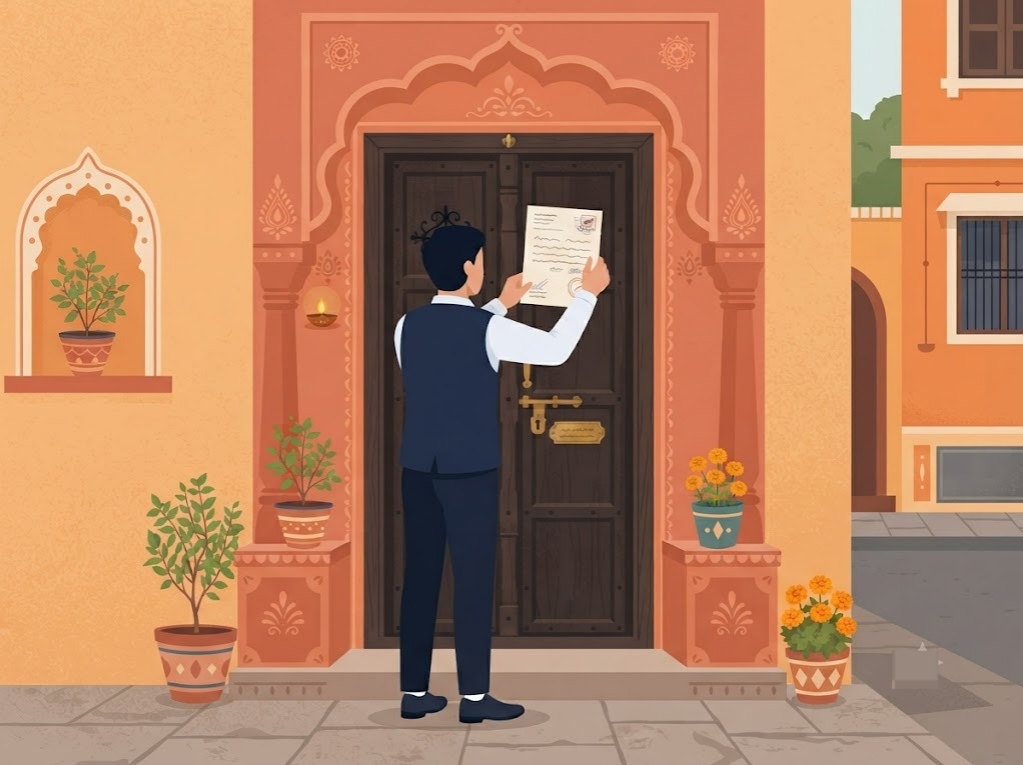
Rule 8(1) SARFAESI Explained: What It Means for Borrowers
Rule 8(1) of the Security Interest (Enforcement) Rules, 2002 requires an authorised officer to take possession of immovable secured property by delivering a formal possession notice to the borrower and affixing a copy on the property itself. Rule 8(2), the companion provision, requires this notice be published in two newspapers within 7 days of taking possession. Courts have quashed possession actions where banks got either step wrong.

Section 31 of the SARFAESI Act: Meaning, Process and What It Means for You (Part 1)
Section 31 of the SARFAESI Act lists specific situations the Act's enforcement powers simply don't reach. Traditional security arrangements, very small debts, agricultural land, and, less commonly known, cases where the borrower has already repaid most of what's owed. Knowing this full list matters. One of these exemptions might apply to your situation even if you've never heard of it before.

Section 13(3) of the SARFAESI Act: Meaning, Process and What It Means for You
Section 13(3) of the SARFAESI Act sets out exactly what a demand notice must state: the amount claimed, and the specific secured assets involved. This piece also covers two related provisions that don't get discussed as often, what happens when your loan was financed by more than one bank, and why you're specifically barred from transferring the secured asset once the notice arrives.

Section 13(2) of the SARFAESI Act: Meaning, Process and What It Means for You
Section 13(2) is the SARFAESI Act's 60-day demand notice. This piece assumes you already understand that basic mechanic and focuses on what most guides skip entirely: an actual reply structure to use, a real tribunal ruling on what the notice legally doesn't need to state, the newspaper publication requirement behind later stages, and how money is actually handled once a sale happens.
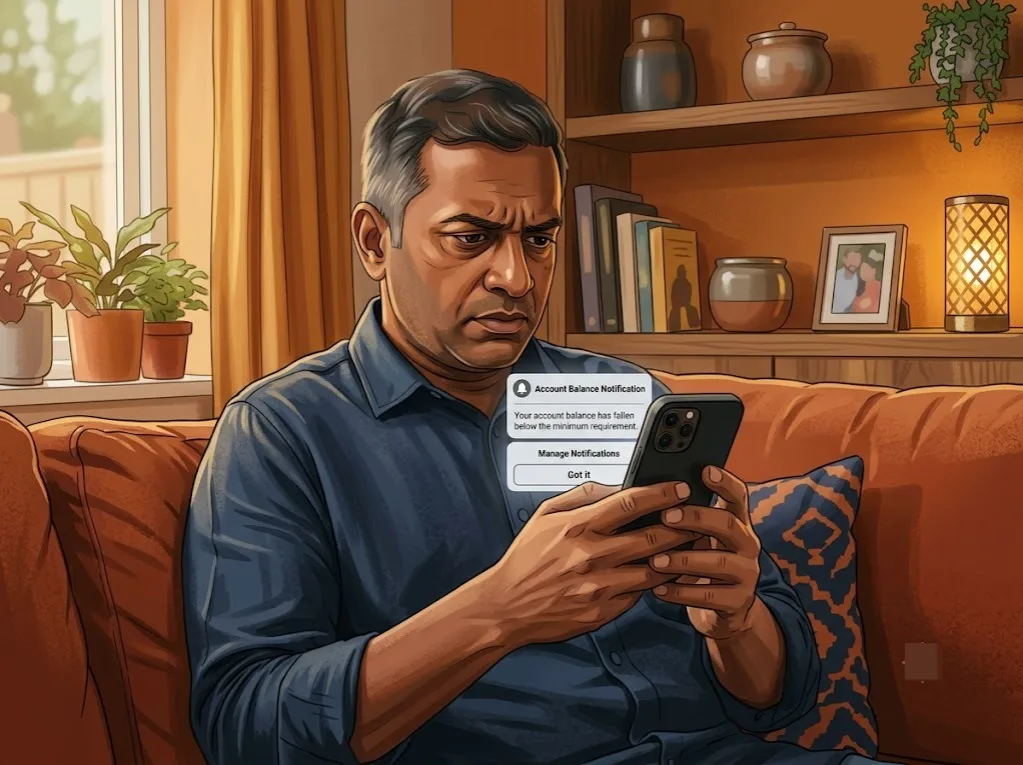
Online Loan Harassment: When It's an App, Not a Bank
Online loan harassment occurs when a loan app's recovery process crosses the line, leaving you with repeated threatening calls, messages to people in your contacts, or attempts to shame you into paying. If the app works with an RBI-regulated bank or NBFC, the same core recovery protections apply. RBI-regulated lending apps are not permitted to access your contact list, call logs, files, media, or telephony functions.

What is creditor's harassment and how to deal with it?
Creditor's harassment happens when a bank, NBFC, or their recovery agent crosses from legal debt collection into abusive conduct, calls outside 8 AM to 7 PM, threats, contacting family, or public shaming. RBI's guidelines restrict certain recovery practices, including intimidation, harassment, inappropriate contact hours and improper disclosure of a borrower's information. The bank or NBFC stays responsible even when a third-party agent is the one at fault.


Make smarter financial decisions.
Loan Settlement | Loan Consolidation | Credit Insights | FREED Shield
Get Started