Let’s talk
about Loans


75,000+
Customers served

₹450 Cr+
Total savings

4.8/5
Google rating
Browse Topics
5 CategoriesLoan Consolidation

Low Interest Rate Loans to Consolidate Debt: What You Need to Know Before You Borrow
Low interest rate loans to consolidate debt combine multiple existing debts into one new loan at a lower quoted rate than what you're currently paying. But the quoted rate alone doesn't tell the full story, how that rate is calculated (flat versus reducing balance) can change your actual cost by a wide margin, even at the same headline number.

Is Debt Consolidation Worth It? What You Should Know
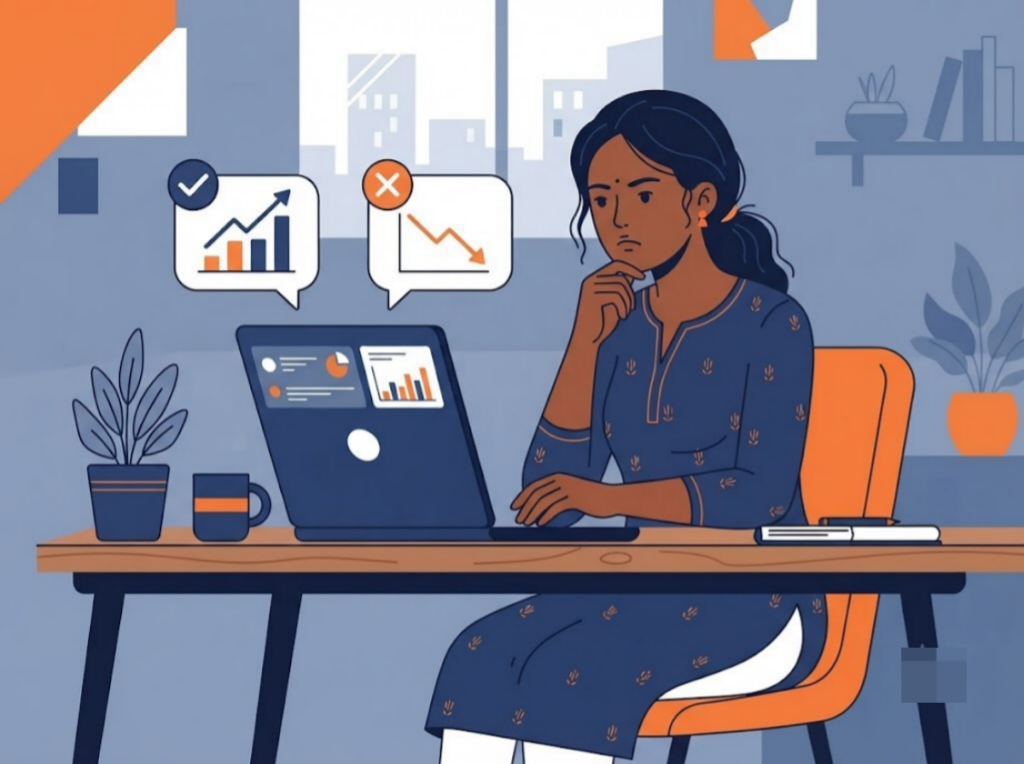
Whether debt consolidation is worth it depends on weighing two real costs against each other: the cost of consolidating (processing fees, a temporary credit score dip, the discipline required to not reuse old credit) versus the cost of staying as you are (continued high interest accrual, the real risk of a missed payment from juggling several due dates, and the stress that comes with both).
Which Debt Consolidation Company Is the Best? What It Means for Your EMIs
The "best" debt consolidation company isn't a fixed answer, it depends on your credit score, how many debts you're combining, and whether you value a direct bank relationship or a platform that shops multiple lenders for you. The right fit varies more than any single ranking can capture.

Where Can I Apply for a Debt Consolidation Loan: Step-by-Step Process
You can apply for a debt consolidation loan through a bank's branch or app, an NBFC's (non-banking financial company) website or app, a loan aggregator site that compares several lenders at once, or a matched service like FREED that reviews your full debt picture and connects you to a suitable lending partner. Each channel works differently. Where you apply affects how much comparison work falls on you.
Unsecured Debt Consolidation: What to Know Before You Decide
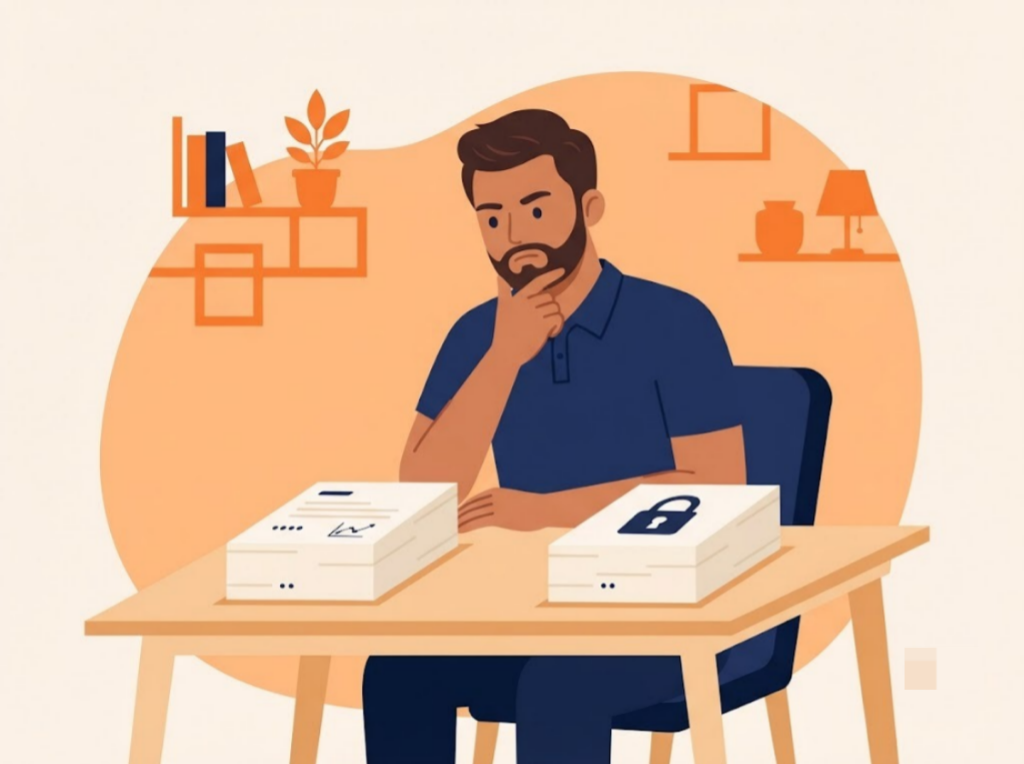
The debts you're consolidating, credit cards, personal loans, BNPL, are unsecured. Nothing you own is directly on the line if you default, beyond your credit score and recovery contact. Some consolidation offers ask you to secure the new loan with collateral, gold, property, or a fixed deposit, for a meaningfully lower rate. That single decision changes what's actually at risk far more than most people realise before signing.
Reduce Your EMIs by Consolidating Your Debt
Having trouble paying your credit card debt and several EMIs? Consolidating debt results in a single loan with less interest, a single EMI, and less stress.
Difference Between Personal Loan and Debt Consolidation: Which One Is Right for You?
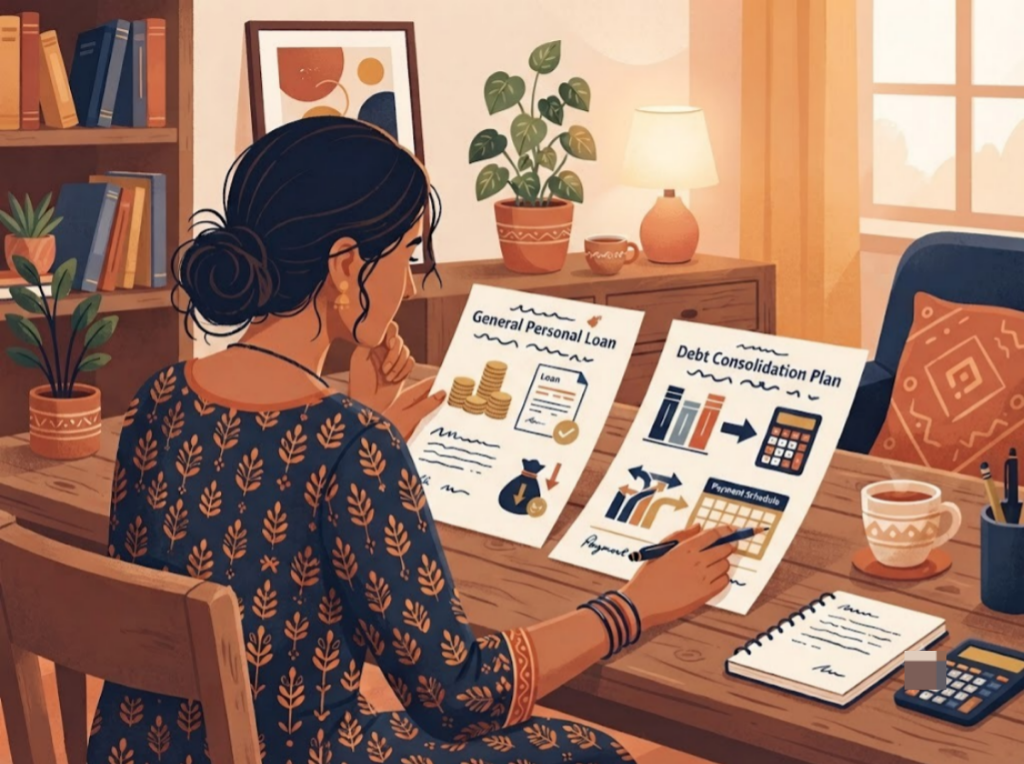
The difference between a personal loan and debt consolidation is purpose, not product. A personal loan is money you can use for anything, a wedding, travel, an emergency. Debt consolidation is when that same kind of loan (or a structured version of it) is used specifically to pay off your existing debts and replace them with one lower EMI. Every debt consolidation loan is a personal loan. Not every personal loan is for debt consolidation.

Personal Loan vs Credit Card for Debt Consolidation: Key Differences Explained
A personal loan and a credit card (via balance transfer) are two different tools for the same job, paying off existing debt at a lower rate. A personal loan gives a fixed amount, fixed EMI, and fixed end date. A balance transfer moves the debt to another card, at a promotional rate that eventually expires, and the credit stays revolving, usable again. The right one depends on how much discipline and certainty the situation calls for.


Make smarter financial decisions.
Loan Settlement | Loan Consolidation | Credit Insights | FREED Shield
Get Started