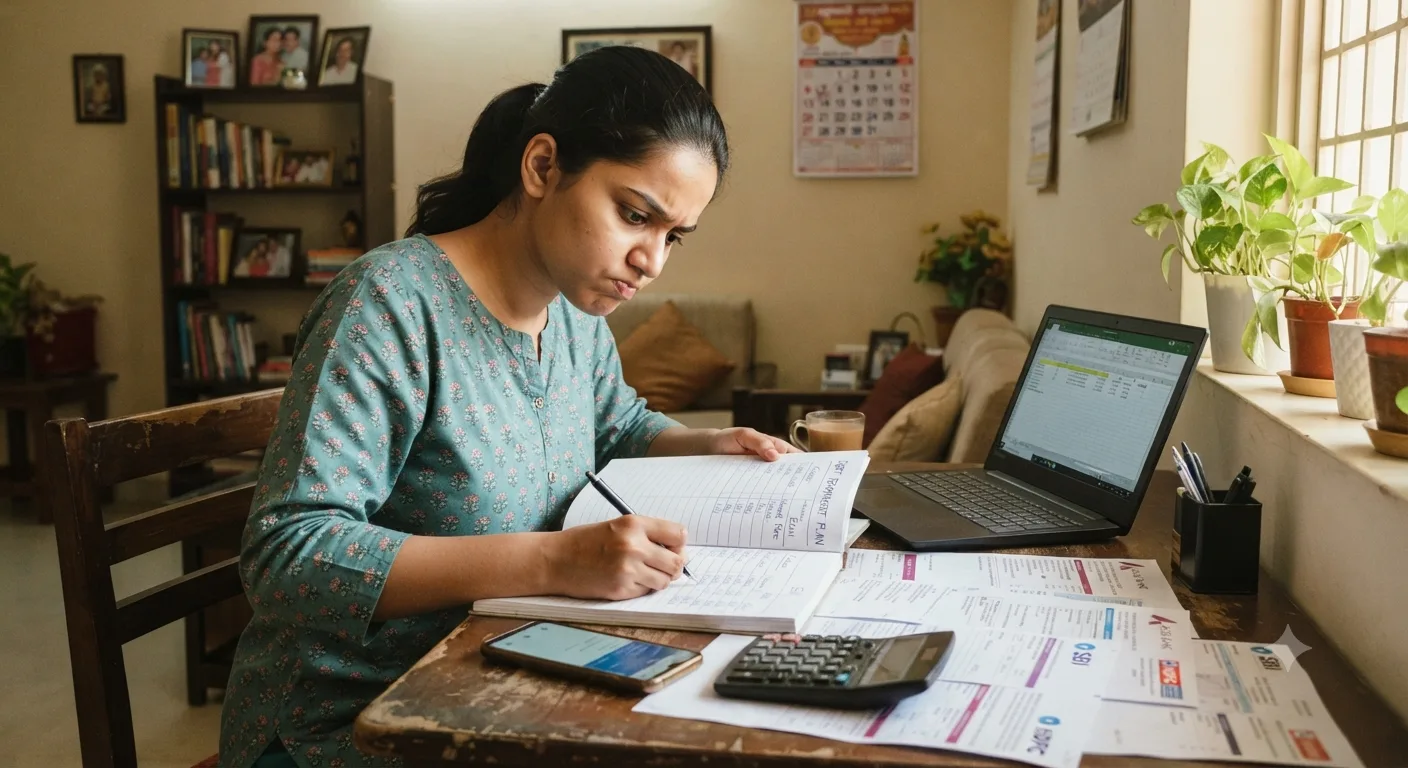
How to Handle Threats and Harassment From Loan Recovery Agents
A threat call from a recovery agent crosses from persistent (which is legal) into intimidation, arrest threats, abusive language, or contacting your family to shame you (which is not). This guide focuses specifically on what to do during and immediately after such a call, what to say, whether you can record it, and how to turn that into documentation that actually holds up.

Mohit Juneja
Reviewed by Mohit Juneja, Debt Resolution Specialists
 4.7/5
4.7/5 ₹3,200Cr+
 20,000+
 20,00,000+4.7/5₹3,200Cr+20,000+20,00,000+
KEY TAKEAWAYS

A threat call is legally distinct from a persistent but proper collection call, specific language (arrest threats, abuse, contacting family) crosses the line, not just tone or frequency.
India follows a one-party consent rule for call recording, since you're a participant on the call, you can legally record it yourself without telling the agent.
A recording is only as useful as what surrounds it, note the date, time, number, and agent's stated name immediately after, memory fades fast.
A documented threatening call can support a complaint to the lender's grievance mechanism. If the complaint is not resolved satisfactorily, or you do not receive a response within the applicable period, you may be able to escalate it through the RBI Ombudsman framework, subject to the Scheme's eligibility requirements.
What Counts as a "Threat" vs. Aggressive but Legal Collection Talk
A recovery agent should not falsely threaten immediate arrest or criminal action merely to pressure payment of an ordinary unsecured debt. If the caller claims that legal or criminal proceedings have already been initiated, ask for the formal details and verify them independently.
This distinction matters because it changes what you actually need to do. Ordinary collection contact within the rules doesn't need documentation and escalation. A genuine threat does. FREED's fuller RBI rulebook on recovery conduct covers the full permitted framework, and what a proper legal notice for loan recovery actually looks like is worth reading too, since a real legal step follows a very different, formal document trail from a threatening phone call.

Freed Expert Tip
If you're unsure whether what you just heard crosses the line, write down the exact words as soon as the call ends. Write down the exact words as soon as the call ends. Exact wording can make your complaint much clearer, alongside the date, time, frequency and surrounding circumstances. On a Difficult Call Right Now?
Talk to FREEDWhat to Do During the Call Itself
Freed Expert Tip
A short, calm sentence like "I'm aware of RBI's rules on this, please continue only within them" costs nothing and puts your awareness on record if the call is later reviewed. Want Help Preparing for This?
Book My CallIs It Legal to Record the Call? Yes, Here's Why
India follows a one-party consent standard for recording phone calls. This has been settled law since the Supreme Court's 1973 decision in R.M. Malkani v. State of Maharashtra, and remains the position under the current Telecommunications Act, 2023, Section 20, which replaced the older Telegraph Act framework.
Practically, this means that if you're a participant in the call, which you are, you can legally record it yourself, without informing the other party or asking permission first. Recording or intercepting communications in which you are not a participant can raise separate legal and privacy issues and should not be treated as equivalent to keeping a record of a call you received yourself. That's not the situation here; you're recording a call made directly to you.
One honest caveat worth adding: using the recording appropriately, for a complaint, a dispute, or evidence, is fine. Publishing or sharing it publicly could raise separate privacy concerns of its own, so keep it for its intended purpose. Knowing it's legal, here's how to actually do it well.
How to Record and Document a Threat Call Properly
- Set up call recording before you need it. Most smartphones support built-in or downloadable call recording, check your specific phone's settings or a reputable app now, not mid-call.
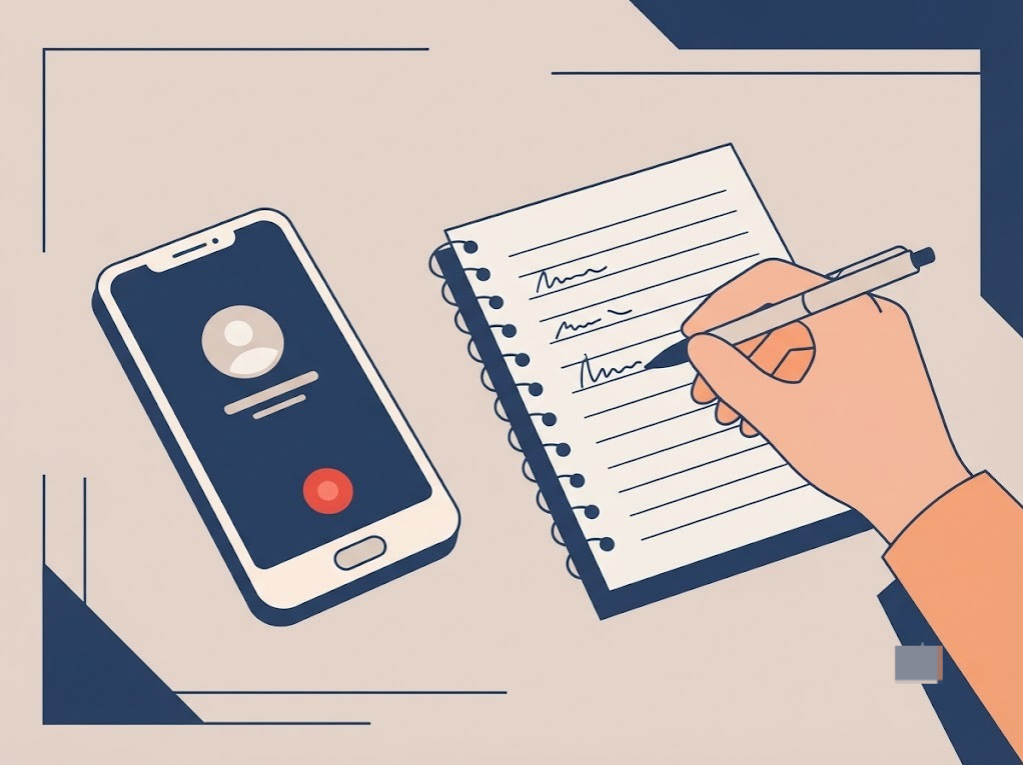
- Write down the essentials immediately after the call, while it's fresh. The exact date and time, the phone number that called, the agent's stated name and the lender they claimed to represent, and the specific words used, verbatim where possible, not paraphrased.
- Save the recording file somewhere it won't get auto-deleted or get overwritten. A dedicated folder, backed up off the phone itself, is worth the extra minute.
- Know the court-admissibility bar if it ever becomes relevant. If a recording is later relied on as electronic evidence in court, the admissibility requirements under Section 63 of the Bharatiya Sakshya Adhiniyam, 2023 may become relevant. The requirements can depend on how the electronic record is produced and proved.
Worth knowing too: RBI issued new recovery rules on August 6, 2026. Banks and NBFCs will have to record every recovery call and keep it for 6 months. Borrowers must be told when a call is recorded. These rules start January 1, 2027, not before. Once live, you can ask the Bank or NBFC for their own recording too, along with yours, when you file a complaint.
Specific Things Recovery Agents Are Never Allowed to Say
The following types of conduct are specifically prohibited or strongly restricted under RBI recovery-agent guidance and should be documented.
- Threatening arrest or a criminal case over an unsecured personal loan or credit card default.
- Threatening to visit your workplace or neighbourhood to shame you publicly.
- Threatening to inform your family or employer about the debt to pressure you.
- Using abusive or humiliating language.
- Threatening physical harm of any kind.
- Claiming a legal enforcement power the agent does not actually have for example, threatening to seize property in circumstances where the lender has no such enforcement right.
Hearing any of these is a genuine violation worth documenting, not something to wait on before acting. If a call also invokes a specific negative tag, "Suit Filed" or "Wilful Default, it's worth checking", understanding what those tags actually mean on your CIBIL report, since agents sometimes reference them inaccurately to pressure faster payment.
What to Do With Your Recording and Documentation
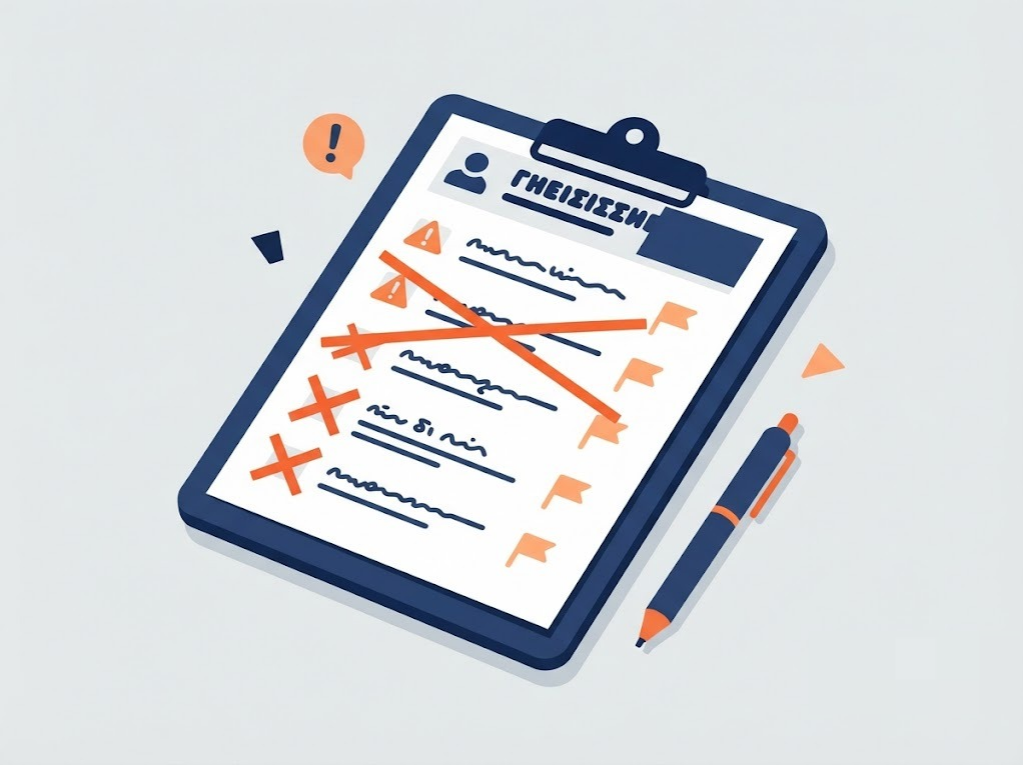
File a written complaint with the lender's own grievance officer first, attaching or referencing your documentation directly. Most banks and NBFCs must have a dedicated grievance channel for this. If it's unresolved within the lender's stated timeline, escalate to the RBI Ombudsman through the official portal at cms.rbi.org.in, your documentation is exactly what strengthens this escalation.
Keep a copy of everything you submit, and any reference or complaint number you receive, don't rely on the lender or RBI's own tracking alone. FREED's fuller piece on the RBI complaint process covers the complete escalation ladder in depth, and if the matter ever proceeds to formal legal recovery, understanding how the Debt Recovery Tribunal works is worth reading. Hence, you know what a genuine legal escalation looks like versus a threat call.
If the Threats Continue Despite Documentation
Repeated violations despite a filed complaint strengthen your case; don't assume the process isn't working. Keep documenting each instance the same way, every time.
For genuinely severe threats, physical intimidation or safety concerns specifically, a police complaint is a separate, appropriate step alongside the regulatory complaint, not instead of it. If the underlying loan itself has also gone seriously overdue, knowing what actually happens once a loan becomes overdue is worth reading alongside this, since that timeline runs independently of how a recovery agent chooses to behave on the phone.

Also Need Help With the Underlying Debt?
See if consolidation or settlement could help.
Get a Free AssessmentHow FREED Helps Alongside This Process
Worth stating plainly: FREED doesn't file harassment complaints on your behalf; that's a direct process between you, the Bank or NBFC, and the RBI Ombudsman.
What FREED does help with is the separate, underlying debt itself. For eligible borrowers who are still current but stretched across several unsecured EMIs, the Debt Consolidation Program is designed to combine eligible debts into a single monthly payment, with the final terms depending on eligibility and the Loan Provider's terms. For genuine, sustained inability to repay, the Debt Resolution Program is the separate, later-stage option instead. Worth noting honestly: resolving the underlying debt often reduces recovery contact overall, though it doesn't excuse harassment that happens regardless of where the debt itself stands.
Tips for Handling a Threat Call
Freed Expert Tip
A calm, documented complaint with specific dates, call details and quotations gives the grievance team clearer information to assess and investigate. Ready to Sort Out the Debt Itself Too?
Start My Free Assessment
Mohit Juneja
Mohit Juneja writes educational content at FREED on debt management, credit scores, loan repayment, and borrowing best practices. His content is shaped by expert insights and industry knowledge, helping readers better understand their financial options and make informed decisions.
mohit.juneja@freed.care

FREED is India's trusted loan management platform. Founded in 2020 and headquartered in Gurugram, FREED has counselled 20 lakh+ people on personal loans, credit cards, and app loans. FREED charges fees only on successful settlement, not upfront. FREED does not handle secured loans (home loans, car loans, gold loans).
Media Mentions