Symbolic Possession Under SARFAESI: Explained: What It Means for Borrowers
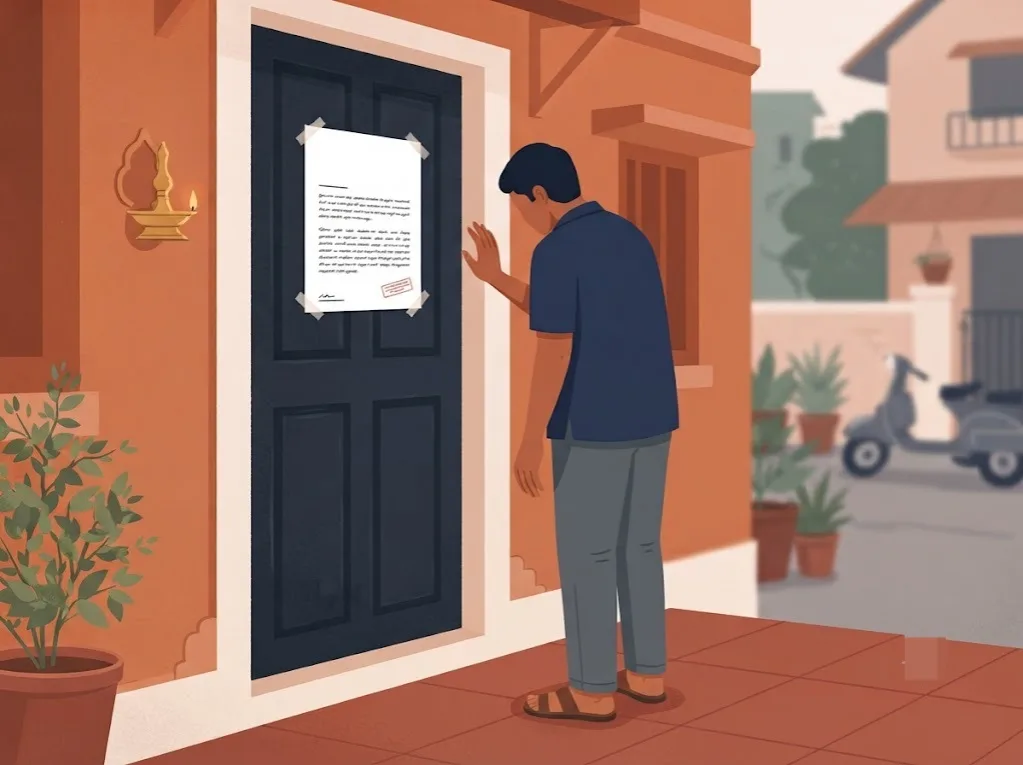
Symbolic possession under SARFAESI is a legal, paper-only step, the bank affixes a notice on your property and publishes it, asserting legal control over the asset. It does not mean you've been evicted or that anyone is coming to remove you that day. Physical removal, if it happens at all, is a separate, later step under a different provision entirely.
Mohit Juneja
Reviewed by FREED India, Debt Resolution Specialists
 4.7/5
4.7/5 ₹3,200Cr+
 20,000+
 20,00,000+4.7/5₹3,200Cr+20,000+20,00,000+
KEY TAKEAWAYS

Symbolic possession means the bank has legal (constructive) control over the asset on paper, you can remain physically living there afterward, nothing changes about your day-to-day occupation immediately.
Symbolic possession can allow a secured creditor to take a formal enforcement step without immediately seeking assistance for physical possession under Section 14.
Moving from symbolic to actual physical possession requires a separate legal step, Section 14, involving a magistrate, it doesn't happen automatically.
Properties sold at auction while still under only symbolic possession often go for less, because the buyer inherits the job of getting the occupant to leave.
What Symbolic Possession Actually Means
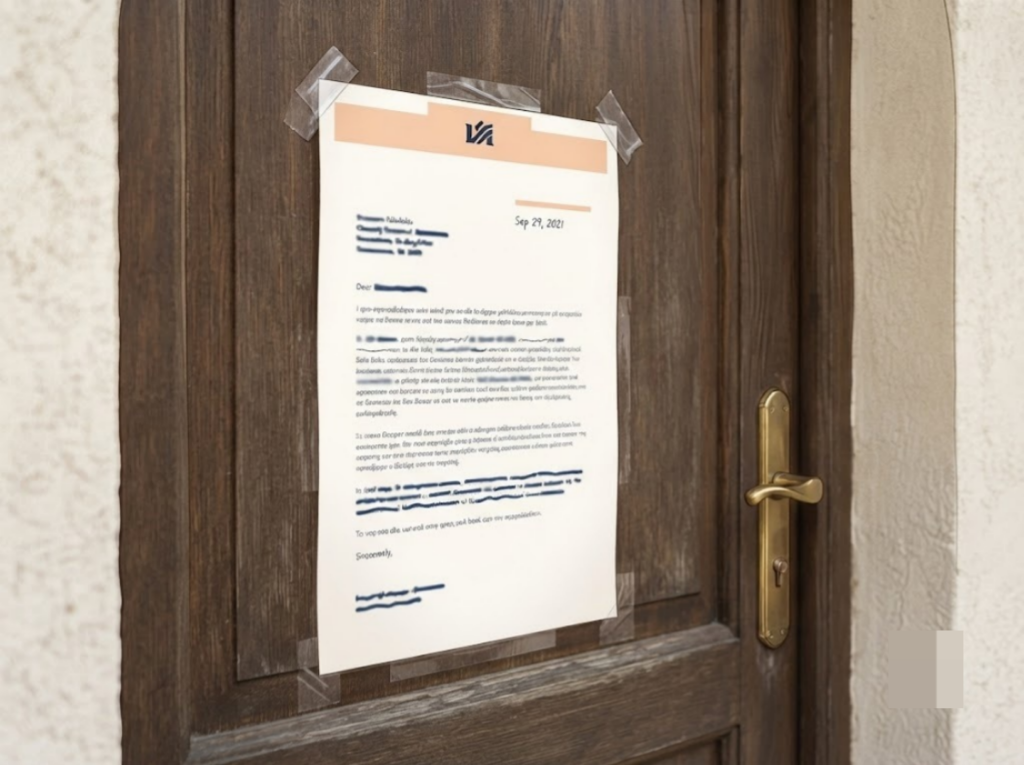
Symbolic possession is a legal formality under Section 13(4) of the SARFAESI Act. The authorised officer affixes a possession notice on the property and follows the prescribed publication procedure, asserting the secured creditor's possession rights under the SARFAESI framework. That's the entire mechanical act, a notice is put up and made public.
What this does not mean is just as important. It does not involve anyone physically entering, securing, or removing you from the property. You remain in occupation exactly as before, going about your daily life the same way you did the day before the notice was affixed. Only the legal status of the asset has changed on paper, nothing about your physical presence there has.
A plain-language distinction is worth holding onto here: symbolic possession is "the bank has the paperwork." Physical possession is "the bank has the keys." These are genuinely different things, with different legal processes behind each one and different implications for what actually happens next. Conflating the two is where most of the unnecessary panic around this step comes from.
For a closer look at exactly what a possession notice under SARFAESI must contain and how it's meant to be served, FREED's dedicated piece on that covers it in full.

Freed Expert Tip
If you've received a symbolic possession notice, you have not been evicted, that's a genuinely important distinction worth understanding before reacting.
Talk to FREED's TeamHow Symbolic Possession Actually Happens
This step happens under Rule 8(1) of the Security Interest (Enforcement) Rules, 2002. The authorised officer delivers a possession notice and affixes a copy directly on the property itself, a physical, visible act at the property in question.
Rule 8(2) requires the possession notice to be published in two leading newspapers, with at least one in the vernacular language, within seven days of taking possession. This publication step is what makes the possession a matter of public record, not just something posted at the property alone.
For the broader legal framework this sits inside, including how it connects to the rest of the enforcement process under the Act, FREED's general guide to the SARFAESI Act is worth reading alongside this piece.
Why Banks Often Choose Symbolic Possession First
The practical logic behind this sequencing is straightforward. Physical possession requires magistrate assistance under Section 14, real time, real cost, and the potential for real confrontation at the property. Symbolic possession achieves a legally meaningful step, moving the enforcement process forward toward valuation and sale, without any of that overhead.
Because the possession notice is affixed to the property and published as required, the enforcement action becomes more visible to the borrower and others connected with the property. Seeing this formal, public step, a notice affixed and published in newspapers, often motivates a borrower toward some form of resolution, payment or a settlement conversation, that a private letter or phone call alone hadn't prompted.
Banks are more likely to rely on symbolic possession specifically in situations where the borrower seems likely to cooperate or vacate voluntarily, or where the property itself has features, multiple tenants, layout complexity, that would make a forced physical entry considerably harder to arrange and carry out.

Received a symbolic possession notice and want to understand your real position?
Talk to FREED.
Book My Free CallWhat Stays True for You After Symbolic Possession
You remain in physical occupation of the property. Nothing about your daily living situation changes the moment this notice is affixed, you continue living there exactly as before.
What does change is the asset's legal position. The bank can now proceed toward valuation and, eventually, a sale notice under Rule 8(6). The legal status of the asset has shifted, even though your physical presence on it hasn't moved an inch.
Two rights continue to matter at this stage, and symbolic possession alone doesn't close either door. Depending on the stage of enforcement, you may still be able to redeem the secured asset by tendering the dues and applicable costs, charges and expenses within the period permitted under Section 13(8). You also retain the right to challenge the possession action itself under Section 17 before the Debt Recovery Tribunal (DRT). Neither of these becomes unavailable just because a notice has been affixed and published. For what that challenge process actually involves, FREED's guide to the Debt Recovery Tribunal covers it directly.
Can SARFAESI Take Pledged Assets This Way?
A pledge is a different legal arrangement entirely. Where a lender already holds possession of the asset itself, shares or gold, for example, under Section 172 of the Indian Contract Act, that arrangement is specifically listed as exempt from SARFAESI enforcement under Section 31.
This exemption makes practical sense once you see the underlying logic. Symbolic and physical possession, as concepts under SARFAESI, exist specifically to bridge the gap between a lender's legal claim over an asset and actual physical control of it. A genuine pledge already gives the lender physical possession from the very start of the loan, there's no gap left for this mechanism to bridge, so the entire process described in this article has nothing to add in that scenario.
The practical takeaway: If the transaction is a genuine pledge covered by Section 31(b), the SARFAESI enforcement provisions discussed in this article do not apply to that pledged movable asset.
Moving From Symbolic to Physical Possession
Symbolic possession doesn't automatically turn into physical possession. That requires a separate application under Section 14, seeking magistrate assistance, and it's typically pursued specifically when the occupant hasn't vacated voluntarily on their own.
There's a buyer-relevant angle worth knowing too, even if you're not the borrower in this scenario. If a property is auctioned while still only under symbolic possession, the winning bidder becomes the legal owner on paper, but inherits the actual, practical job of securing physical possession afterward. This is a genuine, real risk worth understanding before bidding on any SARFAESI auction property, the auction winning the bid doesn't hand over the keys automatically.
For how this stage fits alongside a DRT challenge and the wider enforcement timeline, FREED's SARFAESI and DRT guide covers the fuller process.
What Are Your Options If You Also Have Unsecured Debt
FREED does not act on SARFAESI possession stages of any kind, symbolic, physical, or anything in between, that's a matter between you, the bank, and the DRT if it reaches that point, and it requires qualified legal representation.
If separate unsecured debt exists alongside a secured loan reaching this stage, though, that's a genuinely different problem, one FREED can help with. It's worth being clear here: settlement is not something a borrower chooses out of preference. A settlement is generally considered in situations where the borrower is unable to repay the full outstanding amount under the original terms, but acceptance and terms depend on the creditor and the individual case. If that describes your unsecured debt situation, FREED's Debt Resolution Program is worth looking into separately from whatever is happening with the secured property.
How FREED Helps
FREED does not handle secured loans or any stage of SARFAESI possession, symbolic or physical. These situations require qualified legal representation, not a debt consolidation or settlement program, and this article isn't a substitute for that counsel.
What FREED does help with is unsecured debt sitting alongside these situations, credit cards, personal loans, BNPL balances, and similar. For borrowers still able to repay but managing too many separate obligations, FREED's consolidation program brings that down to one loan and one EMI. For borrowers genuinely unable to repay their unsecured debt in full, FREED's settlement program works with the bank toward a resolution. Neither of these touches the secured property matter, they address the separate, unsecured piece of the picture, if one exists.
Tips If You've Received a Symbolic Possession Notice
Understand clearly that this notice alone doesn't remove you from the property. Don't let it push you into a hasty decision made out of panic rather than a clear read of where things actually stand.
Verify the notice's own compliance. Was it properly affixed at the property, and published in two newspapers, one in the local vernacular, within the required seven-day window? A procedural gap here can matter.
Know your redemption and Section 17 rights remain open at this stage. Clearing the dues in full, or challenging the action before the DRT, are both still genuinely available options.
Get qualified legal advice promptly if you intend to challenge anything about how this step was carried out. This article gives you the general shape of the process, a lawyer can tell you how it applies to your specific notice.
Sources
Claim | Source |
Symbolic possession under Rule 8(1)/(2), does not involve physical eviction | Security Interest (Enforcement) Rules, 2002, Rule 8(1) and 8(2) |
Physical possession requires separate Section 14 magistrate assistance | SARFAESI Act, 2002, Section 14 |
Pledged assets exempt from SARFAESI enforcement under Section 31 | SARFAESI Act, 2002, Section 31(b) |
Disclaimer
Rates, fees, tenures, and other loan-related information shown are indicative in nature and based on publicly available information and market inputs available at the time of publishing. The actual applicable interest rates, processing fees, eligibility criteria, loan amounts, repayment terms, and approval decisions are solely determined by the respective bank, NBFC, or financial institution based on the applicant’s individual profile, credit assessment, and prevailing internal policies.
FREED does not act as the lender and does not guarantee loan approval, final sanction terms, or accuracy of lender-specific policies that may be revised without prior notice. Financial institutions may modify their products, rates, and eligibility criteria from time to time at their sole discretion.
Users are advised to independently verify all applicable terms and conditions directly with the respective lender before making any financial decision or submitting an application. FREED shall not be held responsible for any discrepancy, rejection, revision, or decision taken by the lender in this regard.

Mohit Juneja
Mohit Juneja writes educational content at FREED on debt management, credit scores, loan repayment, and borrowing best practices. His content is shaped by expert insights and industry knowledge, helping readers better understand their financial options and make informed decisions.
mohit.juneja@freed.care

FREED is India's trusted loan management platform. Founded in 2020 and headquartered in Gurugram, FREED has counselled 20 lakh+ people on personal loans, credit cards, and app loans. FREED charges fees only on successful settlement, not upfront. FREED does not handle secured loans (home loans, car loans, gold loans).
Media Mentions