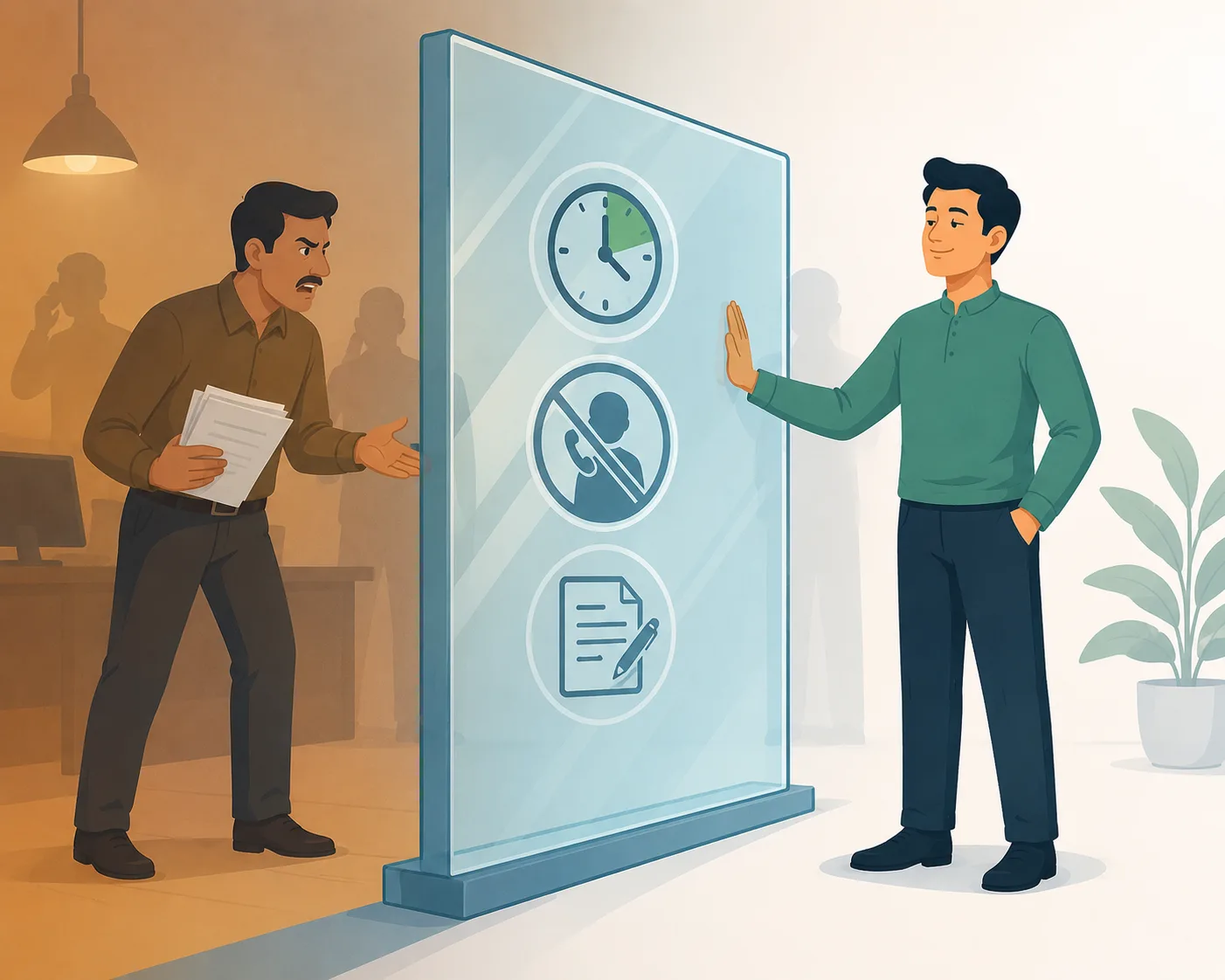
SBI Loan Recovery Policy: What It Means for Defaulters
A loan recovery policy is a bank’s written plan for collecting overdue loans. RBI requires banks to follow fair rules, so State Bank of India’s recovery must respect them. The policy covers reminders, recovery agents, legal steps, and complaints.

Mohit Juneja
Reviewed by FREED India, Debt Resolution Specialists
 4.7/5
 ₹3,200Cr+
 20,000+
 20,00,000+4.7/5₹3,200Cr+20,000+20,00,000+
Key Summary

SBI recovery follows RBI rules for banks.
State Bank of India and SBI Card are separate lenders with different rule sets.
A loan is marked as bad (NPA) after 90 days of non-payment.
New RBI recovery rules for banks start on 1 January 2027.
What Is the State Bank of India Loan Recovery Policy?
I have missed EMIs on an SBI loan. What will SBI do next? This is a common worry, and the answer is calmer than most people fear. The State Bank of India loan recovery policy follows the rules RBI sets for every bank. Recovery moves in stages, and each stage has limits on what the bank and its agents may do. This blog explains the stages, the limits, and where to complain. It is general information, not legal advice.
A loan recovery policy is a bank’s written plan for collecting overdue loans. It says how the bank reminds borrowers, when it sends notices, how it uses recovery agents, and when it takes legal steps.
RBI requires each bank to keep such a policy. The bank’s board must approve it. The policy also covers how the bank takes possession of security, such as a home or vehicle, and how borrowers can complain.
State Bank of India is a commercial bank. So RBI’s recovery rules for banks bind it. Every rule in this blog comes from RBI, not from SBI’s own papers, unless the page says otherwise.
That is an honest limit. SBI’s own recovery policy document is the source for its internal steps. This page does not quote it.
Why does this matter? Many web pages state SBI’s internal steps as fact, with no source. Treat such claims with care. What you can rely on are the RBI rules that every bank must follow. For these, read RBI guidelines on recovery agents.

See How Your Loans Show on Your Report
Credit Insights shows your score, what is affecting it, and the steps to improve it.
Check My Credit InsightsWhich SBI Do You Owe: State Bank of India or SBI Card?
“SBI” can mean two different lenders. Many borrowers do not know which one they owe.
State Bank of India is a bank. It gives personal, home, vehicle, and other loans. SBI Card and Payment Services is a separate company. It gives credit cards, and it is an NBFC (a non-banking financial company).
The two follow different rule sets.
State Bank of India | SBI Card and Payment Services | |
|---|---|---|
Type | Bank | NBFC |
Products | Personal, home, vehicle and other loans | Credit cards |
RBI recovery rules from 1 Jan 2027 | Rules for commercial banks | Rules for NBFCs |
Settlement | Separate sanction | Separate sanction |
A settlement with one does not settle dues with the other. Each lender decides on its own.
How do you tell which one you owe? Check the name on your loan agreement or card statement. A bank’s name carries the word “Bank”. A card statement shows the card company’s name.
For card dues, read how SBI credit card settlement works. This page focuses on how recovery works for loans from the bank.
What Does a Bank’s Recovery Policy Cover?
A recovery policy has several parts. Each part affects you in a plain way. Here is what a policy covers, and what that means for a borrower.
Part of the policy | What it means for you |
|---|---|
Reminders and notices | How and when the bank contacts you about late payment |
Recovery agents | Who may be hired, and how they must behave |
Contact rules | The hours and manner of calls and visits |
Security and possession | How the bank may take an asset for secured loans |
Legal steps | When the bank sends legal notices or files a case |
Complaints | Where you take a complaint and who answers it |
Think of the policy as a rulebook the bank has set for itself, inside RBI’s limits. The bank cannot make its policy harsher than RBI’s rules allow.
The policy does not take away your rights. A bank cannot use it to threaten you or to shame you. If a recovery step breaks RBI’s rules, the policy is no defence.
You can ask your bank about its policy. A borrower can write to the branch and ask for the grievance officer’s details. The bank should give them.
How Does SBI Loan Recovery Work, Step by Step?
Recovery depends on how late you are. RBI uses standard stages. They are called SMA-0, SMA-1, SMA-2, and NPA. SMA stands for Special Mention Account. NPA means non-performing asset, which is a loan marked as bad.
Days overdue | RBI stage | What usually happens |
|---|---|---|
1 to 30 | SMA-0 | Reminders by SMS and call |
31 to 60 | SMA-1 | Stronger reminders |
61 to 90 | SMA-2 | Notices, possible visits |
Over 90 | NPA (bad loan) | Recovery action begins |
The first stage is gentle. A reminder is normal and allowed. Late fees may apply.
The stages after that bring more pressure. Notices become formal. A visit may happen, within the rules for agents.
A loan generally becomes a non-performing asset (NPA) when the principal or interest remains overdue for more than 90 days. However, recovery efforts can begin much earlier, including reminders, notices, and contact from recovery agents. Once a loan is classified as an NPA, SBI may pursue further legal recovery measures, depending on the loan type and applicable regulations.
To learn more about these stages, read NPA classification and SMA recovery stages.
These are RBI’s standard stages. Whether SBI moves a loan to a special recovery unit at some point is a question for SBI’s own papers.
Missed EMIs and Not Sure What to Do Next?
Talk to FREED’s team. They will look at your situation and tell you which options exist.
Settle My LoansWhat Can SBI and Its Recovery Agents Do, and Not Do?
RBI draws clear lines. A bank may recover its dues. It may not harass you.
Allowed
Reminders by SMS, call, and letter.
Written notices.
Calls and visits within the allowed hours.
Certified recovery agents.
Legal steps, such as a legal notice or a case.
Not allowed
Abusive or threatening language.
Anonymous or hidden-number calls.
Telling your neighbours, employer or contacts about your debt.
Visits at odd hours.
Sending an agent with no authorisation.
The bank stays answerable for how its agents behave. If an agent breaks the rules, the complaint goes to the bank, and then to the RBI if needed.
Read how to handle bank recovery agents and know your rights for tips on calls and visits. For the full rule set, see the pillar guide.
Keep a note of every call. Write the date, time, and what was said. This record helps if you complain later.
What Changes for SBI Borrowers From 1 January 2027?
RBI issued new recovery directions on 6 August 2026. For banks, they apply from 1 January 2027. Until then, earlier RBI instructions apply.
Rule | Today | From 1 Jan 2027 |
|---|---|---|
Contact hours | Earlier RBI guidance points to 8 AM to 7 PM | 8 AM to 7 PM unless you agree otherwise |
Recovery agent certificate | Not uniform | IIBF certificate required |
Calls | Not uniformly recorded | Recorded, borrower told, kept for at least 6 months |
Agency list | Not uniform | Bank gives you the names of its agencies |
First visit | No fixed notice | One day’s notice before the first visit |
Complaint contact | Grievance officer under the fair practices code | Officer details shown in recovery messages |
The IIBF certificate is proof of training for recovery agents.
None of this changes your duty to repay. It changes how recovery must be done.

What the Law Says
RBI rules bind SBI as a bank. The new recovery rules for banks apply from 1 January 2027. Until then, earlier RBI instructions apply.
Know Your RightsWhat Does SBI Do When a Secured Loan Goes Bad?
A secured loan is backed by an asset. Home, vehicle, and property loans are common examples. The rules for these loans are different from the rules for a personal loan.
When a secured loan becomes a bad loan, the bank can use a law called SARFAESI. It lets the bank recover through the asset without first going to court.
The usual steps are these.
The bank sends a written notice that gives you time to pay. This is often 60 days.
If you do not pay, the bank may take possession of the asset.
The bank may then sell the asset at auction to recover its dues.
The bank must follow the notice and process the law sets. A seizure without notice is not lawful recovery.
You have rights in this process. You can reply to the notice, ask for a statement, and challenge steps that break the law. A practising advocate can guide you.
Read the SBI SARFAESI auction guide for how auctions work.
Got a Notice on a Secured Loan?
Talk to FREED’s team about where you stand before the next step.
Book My CallDoes SBI Offer Restructuring or Settlement for Defaulters?
Sometimes. These are separate options, and each has its own rules. This page keeps them short and points you to the full guides.
Restructuring means changing your repayment plan. It may be possible in some cases, especially when your income has fallen. Read SBI loan restructuring: process, eligibility and benefits.
Settlement is different. Settlement is not something a borrower chooses out of preference. It exists for people who genuinely cannot repay in full. The bank agrees to take a reduced amount as full and final payment.
A “Settled” mark stays on your credit report for up to 7 years. It can make new loans harder to get. SBI may run settlement schemes from time to time. Check any scheme with SBI itself before you rely on it.
No settlement is guaranteed, and the bank takes the final decision. Read how SBI loan settlement works for the process.
Neither route removes the need to talk to the bank early. A bank often has more choices before a loan turns bad than after.
Still Paying Your EMIs but Finding It Hard?
Combine your unsecured loans into one lower EMI. Your CIBIL score does not drop.
Reduce My EMIWhat Does SBI Recovery Mean for Your Credit Report?
Recovery steps show up on your credit report. The report is the record that other lenders see.
Late payments appear as soon as they happen. Each late EMI can lower your score.
When a loan is marked as a bad loan after 90 days, the report shows it. This can hurt your score for a long time.
If the loan ends in settlement, the report shows a “Settled” mark. It stays up to 7 years.
If you repay the full dues, the account shows as closed. A closed account with a record of late payments still shows the late history. It looks better than a settled or bad account.
Your report is your own record. Check it for errors, such as a payment that is missing. You can raise a dispute with the credit bureau.
You are entitled to a free credit report from each bureau once a year. Credit Insights gives you more. It shows your score, what is affecting it, and the steps to improve it.
Check How Much Room Your Salary Has
EMI Score shows where your income, savings and loans stand. It is free.
Check My EMI ScoreWhich SBI Rule Set Applies to Your Loan?
The rule set depends on what you owe. Use this table to find yours.
What you owe | Lender type | Rule set from 1 Jan 2027 |
|---|---|---|
SBI personal loan | Bank | Commercial bank recovery rules |
SBI home or vehicle loan | Bank, secured | Commercial bank rules plus SARFAESI |
SBI credit card | NBFC | NBFC recovery rules |
If you owe both a loan and a card, you have two sets of rules and two lenders. Each lender follows its own steps.
Keep a separate record for each. Write down which lender called, on which date, and what was said. This makes any complaint clearer.

FREED Expert Tip
Ask in writing for your loan account statement and the name of the grievance officer. Keep a note of every call. A clear record helps most if you complain later.
Check My Credit InsightsHow Do You Complain If SBI’s Recovery Crosses the Line?
Start with a record. Then move step by step. This is general information, not legal advice.
Note the date, time, and what was said. Save messages and call logs.
Ask for the grievance officer’s details. The bank must give them.
Complain to the bank in writing. Attach your notes.
Use RBI’s complaint scheme. If it is not solved after 30 days, file within 90 days at cms.rbi.org.in, or call 14448. It is free.
Keep copies of every letter and every reply.
For the full process, read how to file a complaint against recovery agents.
Facing Threats or Odd-Hour Calls?
FREED Shield is open to everyone. Got a legal notice? FREED’s legal team can check it before any court case is filed.
Get FREED Shield Support
Mohit Juneja
Mohit Juneja is FREED’s Content & Communication Lead with 12+ years of experience across content, media, advertising and digital communications. He holds a postgraduate diploma in Communications from Xavier Institute of Communications, Mumbai, and has worked with organisations including NDTV, The Indian Express, McCann Worldgroup and NABARD.
At FREED, he leads content and communication across loan management, debt resolution, debt consolidation and financial well-being. His work combines research, storytelling and consumer-focused communication to make complex financial topics easier to understand and act on. He has also scripted and produced 11 documentaries on rural development and agriculture for NABARD, with film's selected for the Mumbai International Film Festival.
mohit.juneja@freed.care

FREED is India's trusted loan management platform. Founded in 2020 and headquartered in Gurugram, FREED has counselled 20 lakh+ people on personal loans, credit cards, and app loans. FREED charges fees only on successful settlement, not upfront. FREED does not handle secured loans (home loans, car loans, gold loans).
Media Mentions