SARFAESI Amount Limit: What It Means for Borrowers
SARFAESI amount limit actually refers to two separate rules: a minimum loan size below which SARFAESI can't be used at all, and a separate rule that blocks its use once your remaining balance drops below a certain share of the original loan.
Mohit Juneja
Reviewed by FREED India, Debt Resolution Specialists
 4.7/5
4.7/5 ₹3,200Cr+
 20,000+
 20,00,000+4.7/5₹3,200Cr+20,000+20,00,000+
KEY TAKEAWAYS

SARFAESI amount limit isn't one single rule, it's actually two separate amount-based restrictions on when the law can be used.
There's a minimum loan size below which SARFAESI enforcement generally doesn't apply at all.
Section 31(j) excludes cases where the amount due is less than 20% of the principal amount and interest thereon. Courts have considered how this wording applies to the amount remaining due, and the calculation should be verified against the account records and applicable case law.
If either limit takes SARFAESI off the table, the lender doesn't lose the right to recover the debt, they just have to use a different legal route.
What Does "SARFAESI Amount Limit" Actually Mean?
"Amount limit" isn't one single figure, and treating it that way is where most of the confusion starts. It's actually two conceptually different restrictions inside the SARFAESI Act, and they often get blended into one loose statement in casual discussion.
The first is a floor on loan size, a minimum amount below which SARFAESI simply can't be invoked. The second is a completely separate rule about your remaining balance, one that can block enforcement once you've paid down most of what you owe, regardless of how large the loan started out.
Which one applies to your situation, if either does, depends on different facts about your loan. The first looks at where your loan started. The second looks at where it stands today. Keeping these two apart matters, because mixing them up leads to the wrong conclusion about whether SARFAESI can actually be used against you.
Start with the first rule, since it's usually the one people mean when they first ask this question.
The Minimum Loan Amount Threshold
SARFAESI generally isn't meant to be used for very small secured debts. There's a minimum loan size below which the law doesn't apply at all, regardless of how genuine the default is.
This threshold has been discussed at ₹1 lakh across multiple legal and financial sources reviewed this session, and this appears to be a defined minimum. That said, this figure has been subject to amendment since the Act was first passed, and the exact clause it sits under is cited differently across secondary sources.
The practical implication is straightforward once the figure is confirmed. Where the relevant secured financial asset falls within Section 31(h), the SARFAESI Act may be excluded for that security interest. The precise applicability should be assessed against the statutory language and the facts of the transaction. That doesn't mean the debt disappears, it just means this specific enforcement route is off the table for it.
This rule looks at your loan's original size. The next one looks at something entirely different, how much of that original amount is still actually outstanding.
The Rule About Small Remaining Balances
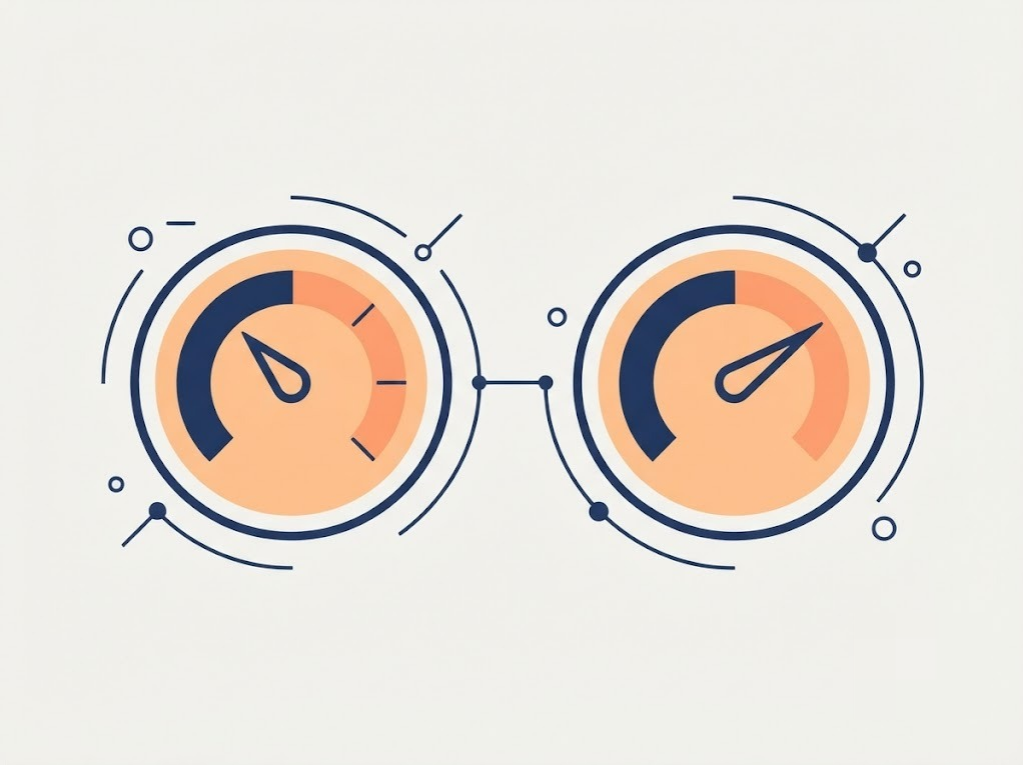
Separately from the loan's original size, there's a rule that can block SARFAESI enforcement once the amount still outstanding has fallen to a small enough share of the original principal and interest. This is commonly discussed as a percentage-based threshold, and it's a genuinely different rule from the minimum-loan-size one above, don't blend the two together.
Multiple legal sources reviewed this session consistently cite this threshold at 20% of the original principal and interest, meaning SARFAESI enforcement is blocked once a borrower has repaid more than 80% of what they originally owed
The logic behind this rule is worth understanding on its own terms. It exists so a borrower who has paid down most of a loan, and whose account may have only recently slipped into NPA classification over a small remaining amount, isn't hit with the same aggressive enforcement mechanism meant for a genuine, substantial default. The statutory restriction limits the circumstances in which SARFAESI proceedings may be used where the amount due falls below the threshold specified in Section 31(j). Its application must be determined from the statutory wording and relevant judicial interpretation.
Both rules exist for a reason, and it's worth understanding that reason before working out whether either applies to your own loan.
Why Do These Limits Exist?
SARFAESI is a fast, largely court-free enforcement mechanism. That's exactly why the law builds in guardrails on when it can actually be used, a tool this powerful needs boundaries, or it risks being applied in situations it was never meant for.
These amount-based limits exist so the mechanism isn't used against trivial disputes involving small sums, or against borrowers who are genuinely close to fully repaying what they owe. Both situations look very different from the kind of substantial, unresolved default SARFAESI was actually built to address.
Understanding these limits isn't about finding a loophole in your loan agreement. It's about knowing what's actually proportionate for your specific situation, and recognising when a lender's enforcement route needs to be a different one entirely.

What the Law Says
SARFAESI includes amount-based restrictions on when it can be enforced, a minimum loan size threshold, and a separate rule limiting its use once the remaining balance falls to a small share of the original amount.
Understand My RightsHow Do You Know If Either Limit Applies to Your Loan?
Working this out is a matter of two simple comparisons, once the current confirmed figures are in hand. First, check your original loan amount against the minimum threshold, this tells you whether SARFAESI could ever apply to this loan at all. Second, review the account statement and relevant loan records to determine the amount due and assess whether Section 31(j) may apply under the statutory wording and relevant judicial interpretations.
If either calculation puts you close to a limit, and not clearly on one side of it, that's worth raising directly with a lawyer or with the bank itself rather than guessing. A rough estimate isn't good enough here, the difference between being just above or just below either threshold changes which legal route applies to you entirely.
Knowing you're near a limit is useful. Knowing what actually happens if the limit applies to you is the next thing worth understanding, particularly since your rights as a borrower don't disappear either way.

Freed Expert Tip
Work out both figures for your own loan, the original amount against the minimum threshold, and your current balance as a share of the original, before assuming either limit protects you.
Check your optionsWhat Happens If Your Loan Falls Within These Limits?
If SARFAESI is unavailable because of either limit, the lender still has the right to recover the debt, just through a different legal route. If SARFAESI is unavailable, the lender may need to consider another legally available recovery mechanism, depending on the lender, transaction, amount involved, and applicable jurisdictional rules.
This generally means a longer, court-based process instead of the quicker one SARFAESI enables. A civil suit, or proceedings before the Debt Recovery Tribunal where applicable, follows its own timeline and procedure, one that gives both sides more room to be heard, but takes considerably longer to reach a conclusion.
Here's the honest part worth sitting with. This changes the process and the timeline, not the outcome you should reasonably expect if the underlying default is genuine. Exclusion from SARFAESI does not, by itself, extinguish the underlying repayment obligation. The lender’s available remedies and the eventual outcome depend on the loan documents, applicable law, and facts of the case.
What About Your Other Loans During All This?
These amount-limit questions concern only the specific secured loan in question, the one actually backed by property or another asset. They have nothing to do with any separate unsecured debt you might be carrying.
So if you're also managing personal loans or credit card dues alongside a secured loan going through this process, your other unsecured loans keep running entirely independently. Their EMI schedules, their due dates, and their consequences for missed payments don't pause or change based on anything happening with the secured loan. It's worth treating these as two separate tracks that both need attention, not one combined problem.
How FREED Helps With the Unsecured Side of This
FREED doesn't handle SARFAESI enforcement or the secured loan itself, questions about the minimum threshold, the 20% rule, or which legal route applies belong with a lawyer, not a debt platform.
Subject to eligibility and creditor participation, FREED’s Loan Settlement Plan may assist borrowers in exploring settlement options with creditors. If you remain eligible and able to repay, debt consolidation may be an option to assess for managing multiple unsecured EMIs. Its suitability depends on your financial position, eligibility, and the applicable terms.

Juggling Other Debt Alongside This?
FREED can help with your personal loans and credit cards separately.
Get a Free AssessmentA Few Things Worth Knowing
Don't assume your loan is under or over either limit without actually checking the current, confirmed figures, a rough guess isn't reliable enough when the outcome depends on which side of a threshold you're on.
These limits protect against SARFAESI being used disproportionately, they don't erase a genuine debt or make it go away. If you're close to either threshold, get this confirmed with a lawyer rather than estimating, the difference matters more than it might seem. Beyond that, this is a manageable, well-understood part of how the law works, not something to lose sleep over once you know where you actually stand.
Disclaimer
Rates, fees, tenures, and other loan-related information shown are indicative in nature and based on publicly available information and market inputs available at the time of publishing. The actual applicable interest rates, processing fees, eligibility criteria, loan amounts, repayment terms, and approval decisions are solely determined by the respective bank, NBFC, or financial institution based on the applicant’s individual profile, credit assessment, and prevailing internal policies.
FREED does not act as the lender and does not guarantee loan approval, final sanction terms, or accuracy of lender-specific policies that may be revised without prior notice. Financial institutions may modify their products, rates, and eligibility criteria from time to time at their sole discretion.
Users are advised to independently verify all applicable terms and conditions directly with the respective lender before making any financial decision or submitting an application. FREED shall not be held responsible for any discrepancy, rejection, revision, or decision taken by the lender in this regard.

Mohit Juneja
Mohit Juneja writes educational content at FREED on debt management, credit scores, loan repayment, and borrowing best practices. His content is shaped by expert insights and industry knowledge, helping readers better understand their financial options and make informed decisions.
mohit.juneja@freed.care

FREED is India's trusted loan management platform. Founded in 2020 and headquartered in Gurugram, FREED has counselled 20 lakh+ people on personal loans, credit cards, and app loans. FREED charges fees only on successful settlement, not upfront. FREED does not handle secured loans (home loans, car loans, gold loans).
Media Mentions