Need a Personal Loan With a Bad CIBIL Score? Read This First
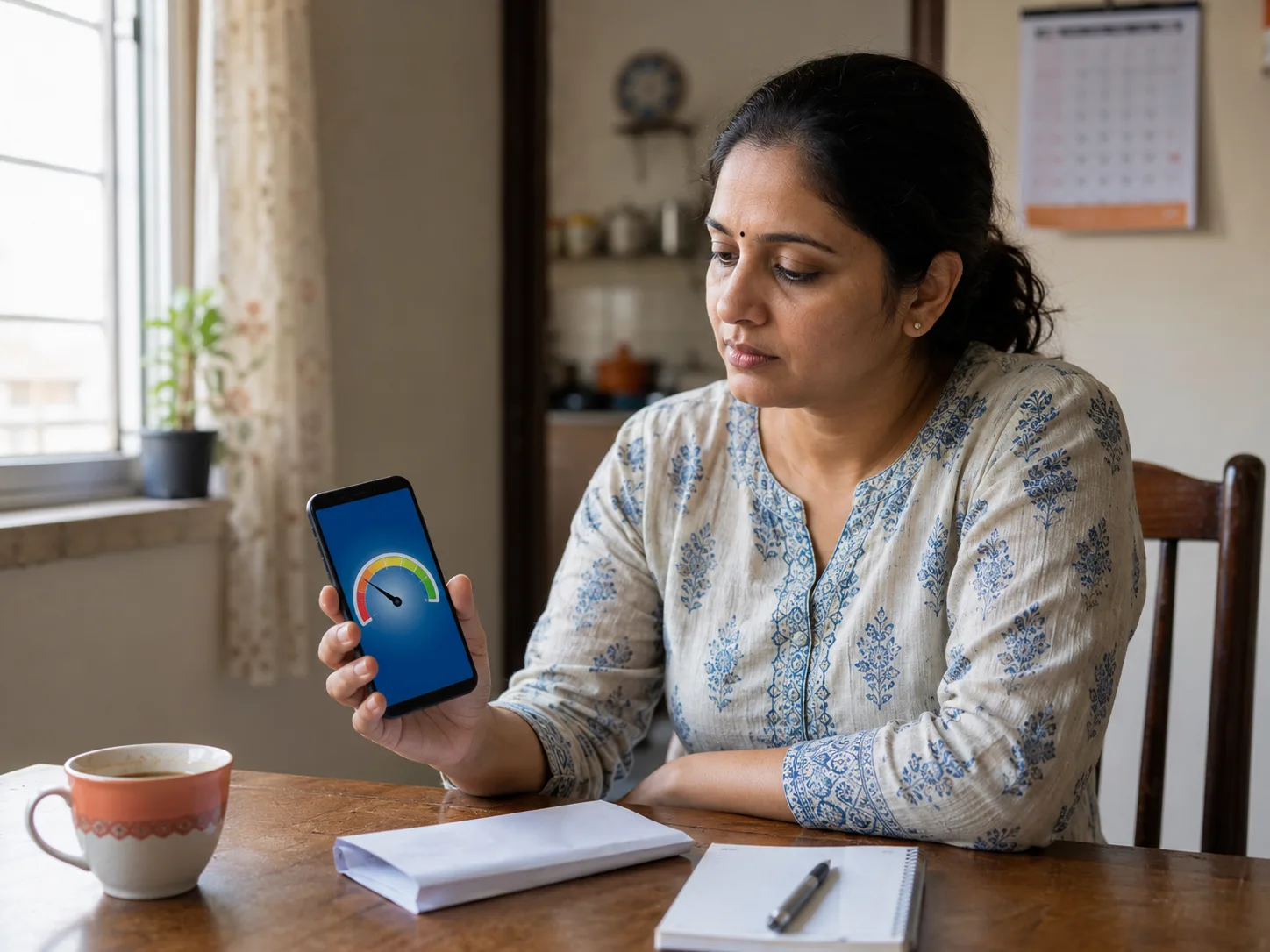
A bad CIBIL score for personal loan purposes is generally any score below 650 on the 300 to 900 scale. It signals to lenders that past repayments were missed, credit was overused, or defaults occurred. Getting a personal loan is still possible, but it comes with real costs: higher interest rates, smaller loan amounts, stricter documentation, and the risk of making an already difficult situation harder. This guide walks through your actual options and when not to borrow.
Mohit Juneja
Reviewed by FREED India, Debt Resolution Specialists
 4.7/5
4.7/5 ₹3,200Cr+
 20,000+
 20,00,000+4.7/5₹3,200Cr+20,000+20,00,000+
KEY TAKEAWAYS

Around 25% of Indian loan applicants have a CIBIL score below 700, according to TransUnion CIBIL data.
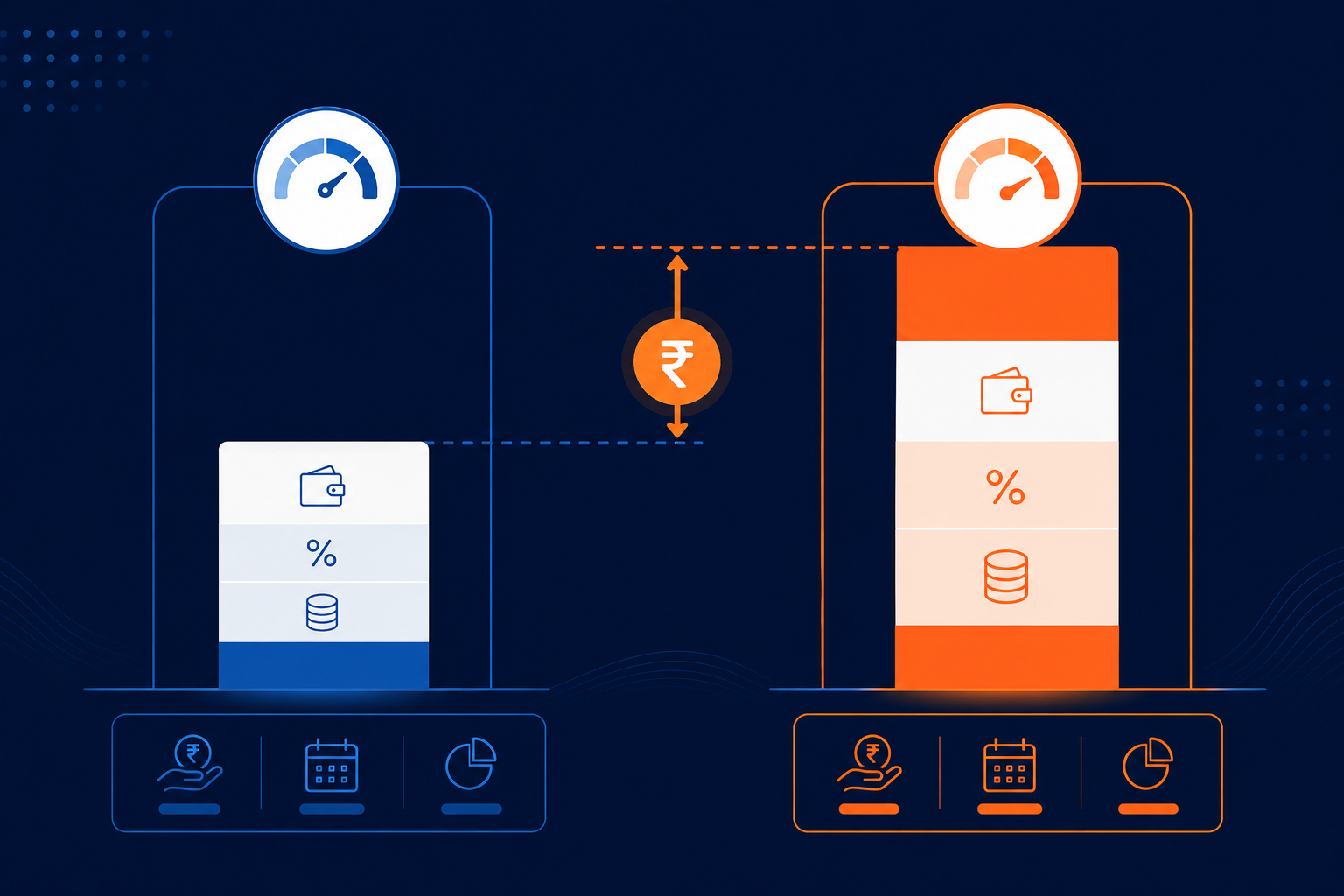
A personal loan with a bad CIBIL score typically comes with interest rates of 18% to 36% per year. The difference between a 13% and a 32% loan on the same ₹2 lakh can run over ₹46,000 in extra interest.
Applying for multiple loans in a short period may affect how future lenders assess your application because each application can result in a hard inquiry on your credit report.
Lenders look at income stability, your Fixed Obligation to Income Ratio (FOIR, how much of your salary goes to EMIs), and existing EMI load alongside the score.
If a large share of your monthly income is already going towards EMIs, taking on another loan may make repayment more difficult.
What Does a Bad CIBIL Score Mean for a Personal Loan Application?
For personal loan purposes, a score below 650 is generally treated as poor. A score between 550 and 649 is below average. Most mainstream banks reserve their best terms for a score of 750 and above.
A bad score creates two problems in a lender's eyes. It signals past repayment issues, and it hints that you may already be over-leveraged. Neither is a small concern from where they sit.
Here's the honest part most people miss: lenders don't decline purely on score. They also weigh your income, job stability, FOIR, and existing debt. But when your score is bad, every one of those other factors gets scrutinised far more closely than it would for a strong-score applicant.
- Below 650: poor for personal loan purposes; most banks and NBFCs decline or attach strict conditions.
- 650 to 699: Some lenders may approve, but at higher interest rates.
- 700 to 749: fair; approvals are possible, though rates won't be competitive.
- 750 and above: what most lenders prefer for standard personal loan rates.
Getting approved with a bad score is genuinely possible. What matters most, before you go any further, is understanding what "more expensive" actually looks like in rupees. That's covered a little further down.

Not sure what's really pulling your score down?
FREED's Credit Insights pulls your Experian report and helps you understand your credit profile before you apply.
Check your Credit InsightsWhat Do Lenders Actually Look at Beyond the CIBIL Score?
Your score is one input, not the whole picture. Here's how lenders actually use the rest.
Income stability matters more than people expect. A steady salary or verifiable business income lowers the lender's perceived risk. Irregular or undocumented income makes a bad score even harder to overcome, since there's nothing else to reassure the lender.
FOIR is one of the factors lenders consider when assessing whether you can comfortably manage another loan. If a large share of your income is already committed to EMIs, approval may become more difficult.
Existing debt load works against you, too. Multiple active loans make approval harder, and even where you do get approved, the sanctioned amount tends to shrink.
Employment history compounds the picture. Frequent job changes in the past 12 months, combined with a bad score, is a pairing most lenders simply won't take on.
Your relationship with the lender can help. Existing account holders, someone with a salary account or deposit history at that bank, sometimes get more consideration than a first-time applicant walking in cold.
A co-applicant or guarantor adds a creditworthy second party to the application. At some NBFCs, a strong co-applicant score can meaningfully offset a weak primary applicant score.
A typical FOIR threshold sits at 40% to 50% of monthly income. A co-applicant with a stronger credit profile may improve your application, depending on the lender's assessment.

FREED Expert Tip
Before approaching any lender, use FREED's Credit Insights to pull your Experian report and identify the factors affecting your credit profile. Knowing the specific cause lets you address it, or at least explain it to the lender before they see it themselves.
Check your Credit InsightsWhat Are Your Real Options for a Personal Loan With a Bad CIBIL Score?
Here's what's actually available, roughly in order of likely cost.
NBFCs and fintech lenders have more flexible criteria than mainstream banks, but they charge for that flexibility; interest rates vary by lender and your individual financial profile. Apply to one at a time, never several at once.
A secured personal loan, where you pledge a fixed deposit (FD) or gold as collateral, is a very different conversation. The collateral sharply reduces the lender's risk, which may improve eligibility, depending on the lender's assessment and the collateral offered. FREED doesn't handle secured loans directly, but it's worth knowing this option exists if you have an asset to pledge.
A joint loan with a co-applicant who has a good score can override a bad primary applicant score in some NBFC assessments. Both incomes and credit histories are evaluated together.
An existing banking relationship, a salary account or a standing deposit with a bank or NBFC, can sometimes buy you more consideration than a brand-new application would get.
Peer-to-peer (P2P) lending platforms, RBI-regulated ones like Faircent or LenDenClub, connect you directly with individual lenders using alternative credit models, though rates here can also run high.
What's worth avoiding entirely: applying to multiple lenders at the same time, turning to unregulated loan apps out of urgency, or borrowing new money specifically to repay existing debt. Each rejected application is a hard inquiry, and applying to five lenders in a single week can drop your score by 25 to 50 points, making the next attempt even harder than the
Not sure if borrowing more is the right move?
Talk to FREED's team. One call, no pressure, honest answers.
Book My Free CallWhat Is the Real Cost of Borrowing With a Bad CIBIL Score?
This is the part most borrowers skip past on their way to getting approved, and it's the part that matters most.
Take a ₹2 lakh loan over 36 months. At 13% per year, a rate you'd get with a strong score, the total repayment comes to roughly ₹2.41 lakh. At 32% per year, a rate typical of a bad-score approval, the same loan costs roughly ₹2.88 lakh in total. That's a difference of about ₹47,000, paid solely because of where your score sits.
Now ask the harder question: if you're already stretched financially, can you actually absorb a higher EMI on a more expensive loan? If this new loan significantly increases your monthly repayment commitments, the odds of defaulting on it are genuinely high, and a missed EMI here damages your score further while inviting more recovery pressure, not less.
Before you apply anywhere, it's worth being honest with yourself about one thing: are you borrowing because you need cash for something real, or because you're trying to cover a hole left by another loan? The answer changes what the right move actually is.
Are You in a Loan Trap? Quick Check
Move the slider to your total EMIs as a % of monthly salary. See your debt stress level instantly.
EMIs as % of Monthly Salary
How to Improve Your Chances of Getting Approved With a Bad CIBIL Score
If you do decide to apply, a few steps genuinely move the odds in your favour.
Pull your credit report first. Check for errors before you apply anywhere; correcting a reporting error helps ensure lenders assess the most accurate version of your credit report.
Don't apply to multiple lenders at once. Research first, and pick one known for working with borrowers in the 600 to 649 range rather than casting a wide net.
Apply for a smaller amount. A lower loan amount reads as lower risk to the lender and meaningfully improves your approval odds.
Add a co-applicant with a higher score, if that's an option for you.
Show income stability clearly. At least 3 months of salary slips, bank statements showing consistent credits, and an employment letter if you have one, all of this does real work compensating for a weak score.
Bring down your credit card utilisation before applying. Reducing your credit utilisation before applying may strengthen your overall credit profile over time.
The time taken to resolve a credit report dispute depends on the applicable process and the parties involved. Utilisation improvements can show up as soon as the next billing cycle. And many NBFCs report higher approval rates for amounts under ₹1 lakh when the applicant's score is on the lower side.
When Should You Not Take a Personal Loan With a Bad CIBIL Score?
This is the question most guides in this space skip entirely, and it's the one that matters most.
If a large share of your monthly income is already committed to EMI, adding another loan at a high rate is very likely to end in another default, one that damages your score further than it already is.
If the reason you need this loan is to repay another loan or to cover a credit card's minimum due, that's a debt cycle, not a solution. A new loan at 32% to pay off an old one at 18% doesn't close the gap; it widens it.
If your score is bad because of multiple defaults that are still unresolved, the real problem is structural debt, not a cash shortfall. No new loan fixes that; it just adds another obligation on top of what's already unmanageable.
In every one of these situations, the right move is to address the debt itself, not to borrow your way around it.
Multiple loans pulling your score down every month?
FREED's Debt Consolidation Program may help eligible borrowers combine eligible loans into a single repayment plan through a lending partner. The final EMI and loan terms depend on the lender's assessment.
Check If I QualifyHow Can FREED Help With a Bad CIBIL Score and Existing Debt?
FREED's role here depends entirely on which situation above actually describes you. There isn't one fix for every bad-score borrower, so it's worth being clear about which path fits.
If you're not sure yet exactly what's dragging your score down, start with FREED's Credit Insights. It pulls your Experian report and breaks down which specific accounts, a missed EMI, high utilisation, or an error, are actually responsible. This matters because a reporting error can sometimes be the whole problem, and correcting a reporting error may help ensure your credit report accurately reflects your financial history before you apply, compared to any lending decision.
If your score is only borderline low and your real need isn't urgent, the smarter move is often to spend 6 to 12 months improving it rather than borrowing at a punishing rate right now. Meaningful movement typically starts within 3 months of consistent, on-time payments and lower utilisation. Getting from a 600-range score to 700+ can be the difference between a 32% loan and a 13% one on the same amount.
If you're still current on your payments but juggling several loans, and your EMIs are eating into more than half your take-home salary, FREED's Debt Consolidation Program is built for exactly this. It brings your eligible loans together into eligible loans into a single repayment plan through a lending partner. The final EMI depends on the loan terms offered. The impact on your credit profile depends on your repayment behaviour and individual circumstances.
If you've already defaulted and genuinely cannot repay what you owe in full, that's a different situation, and it calls for a different tool. Settlement is not something a borrower chooses out of preference. Banks and financial companies only consider it when you're in genuine financial difficulty and truly unable to repay in full. FREED helps eligible borrowers settle unpaid or overdue loans at up to 50% less through a structured process, subject to the lender's willingness to negotiate*. This does affect your CIBIL score; the account is generally reported as "Settled" on your credit report, which may affect future borrowing decisions.
The honest starting point for almost everyone reading this is the same: know exactly what's causing your score to sit where it does, before deciding whether to take on a new loan, fix what you have, or settle what's genuinely unmanageable.
*Rates and ranges shown are indicative. Final terms decided by the bank. FREED is not a Loan Provider. No outcome is guaranteed. Please verify directly with your bank.
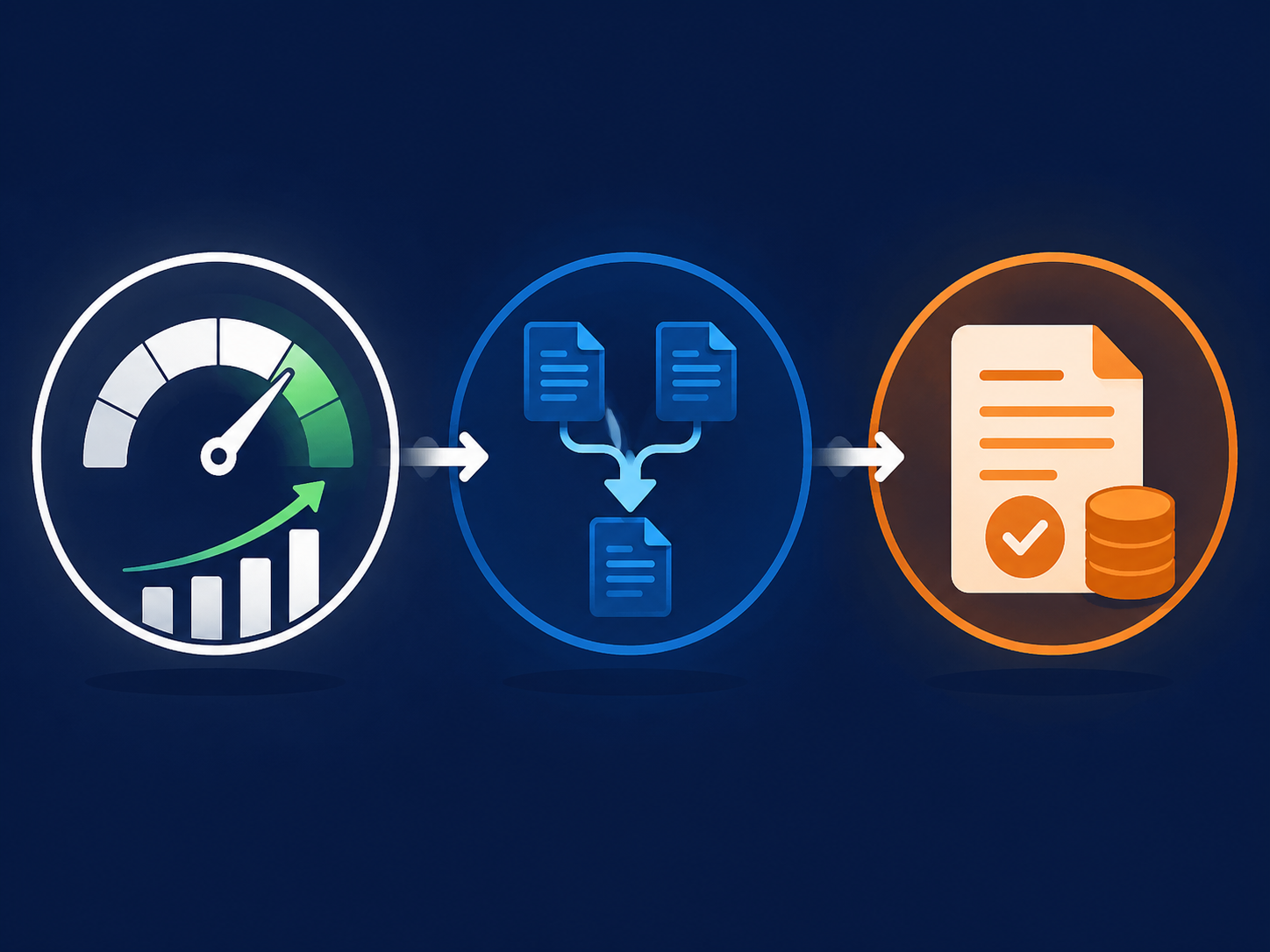
How to Apply for a Personal Loan With a Bad CIBIL Score
- 1
Pull your credit report before anything else.
Go to cibil.com or use FREED's Credit Insights for your Experian report. Look for errors, wrong tags, or resolved loans still showing as active. Dispute any errors immediately; they can be corrected within 30 days, and there's no point applying with a score that's lower than it should be.
- 2
Calculate your FOIR before approaching any lender.
Add up all your existing monthly EMIs and divide by your take-home salary. If the result sits above 40% to 50%, most lenders will decline, and the real work is addressing that debt load first, not shopping for a lender who'll say yes anyway.
- 3
Decide on the loan amount before researching lenders.
Apply for the minimum amount you genuinely need. Smaller amounts consistently have higher approval rates for low-score borrowers.
- 4
Research NBFCs that work with your score band.
Some NBFCs approve applicants with scores as low as 550 to 600. Find out which ones before applying, rather than applying blindly across several lenders and taking the hit from multiple hard enquiries.
- 5
Apply to one lender at a time.
Each application is a hard inquiry that lowers your score a little further. Apply to your most likely candidate first, and wait for a decision before trying the next.
- 6
Gather your income documents before applying.
Three months of salary slips, three to six months of bank statements, and an employment letter if you have one. These documents do real work, compensating for a weak score in the lender's overall assessment.
- 7
Add a co-applicant if your score remains a barrier.
A co-applicant with a score above 700 can significantly improve your approval odds. Both incomes get assessed, and both credit histories become visible to the lender, so this only works well with someone who understands what they're signing up for.
Personal Loan Options for Bad CIBIL Score: Comparison
Option | Typical Rate | Approval Likelihood | CIBIL Score Impact | Best For |
Mainstream bank (public or private) | 10% to 16% per year | Low for scores below 650 | Hard enquiry on rejection lowers score further | Borrowers with high income, even if their score is low |
NBFC personal loan | 18% to 36% per year | Moderate for scores 550 to 649 | Hard enquiry; higher rate if approved | Borrowers who need unsecured credit and have a stable income |
Secured loan against FD or gold | 7% to 12% per year | High regardless of CIBIL score | No negative impact; score unaffected by collateral | Borrowers with an asset to pledge |
Joint loan with a co-applicant | The rate depends on co-applicant's score | Moderate to high | Both applicants' scores are assessed | Borrowers with a willing family member who has a good score |
P2P lending platform | 18% to 28% per year | Moderate; individual lender decisions | Hard enquiry may apply | Borrowers unable to access NBFC credit |
Note: Secured loans (gold loans, loans against FD) are not products FREED handles. This table is for general awareness.
Laid out this way, the pattern is clear: the options with the lowest rates, secured loans and strong co-applicants, are also the ones least dependent on your CIBIL score. If either is available to you, it's usually worth exploring before an unsecured NBFC loan at 18% to 36%.
Sources
Claim | Source |
Lenders must inform applicants of the reason for a loan rejection tied to credit information | RBI Master Direction – Credit Information Reporting Directions, 2025 (rbi.org.in) |
Note: The 25% applicants below 700 figure (TransUnion CIBIL), NBFC rate ranges (Shriram Finance, Bajaj Finance), hard enquiry point-drop figures, FOIR thresholds, and the ₹2 lakh loan cost comparison are industry data points and standard lending practices, not RBI regulation, and are left out of the table above per sourcing rules. These are phrased as "typically" or "generally" in the body rather than as guaranteed figures.

Mohit Juneja
Mohit Juneja writes educational content at FREED on debt management, credit scores, loan repayment, and borrowing best practices. His content is shaped by expert insights and industry knowledge, helping readers better understand their financial options and make informed decisions.
mohit.juneja@freed.care

FREED is India's trusted loan management platform. Founded in 2020 and headquartered in Gurugram, FREED has counselled 20 lakh+ people on personal loans, credit cards, and app loans. FREED charges fees only on successful settlement, not upfront. FREED does not handle secured loans (home loans, car loans, gold loans).
Media Mentions