Lok Adalat Bank Loan Settlement Notice: Before the Hearing
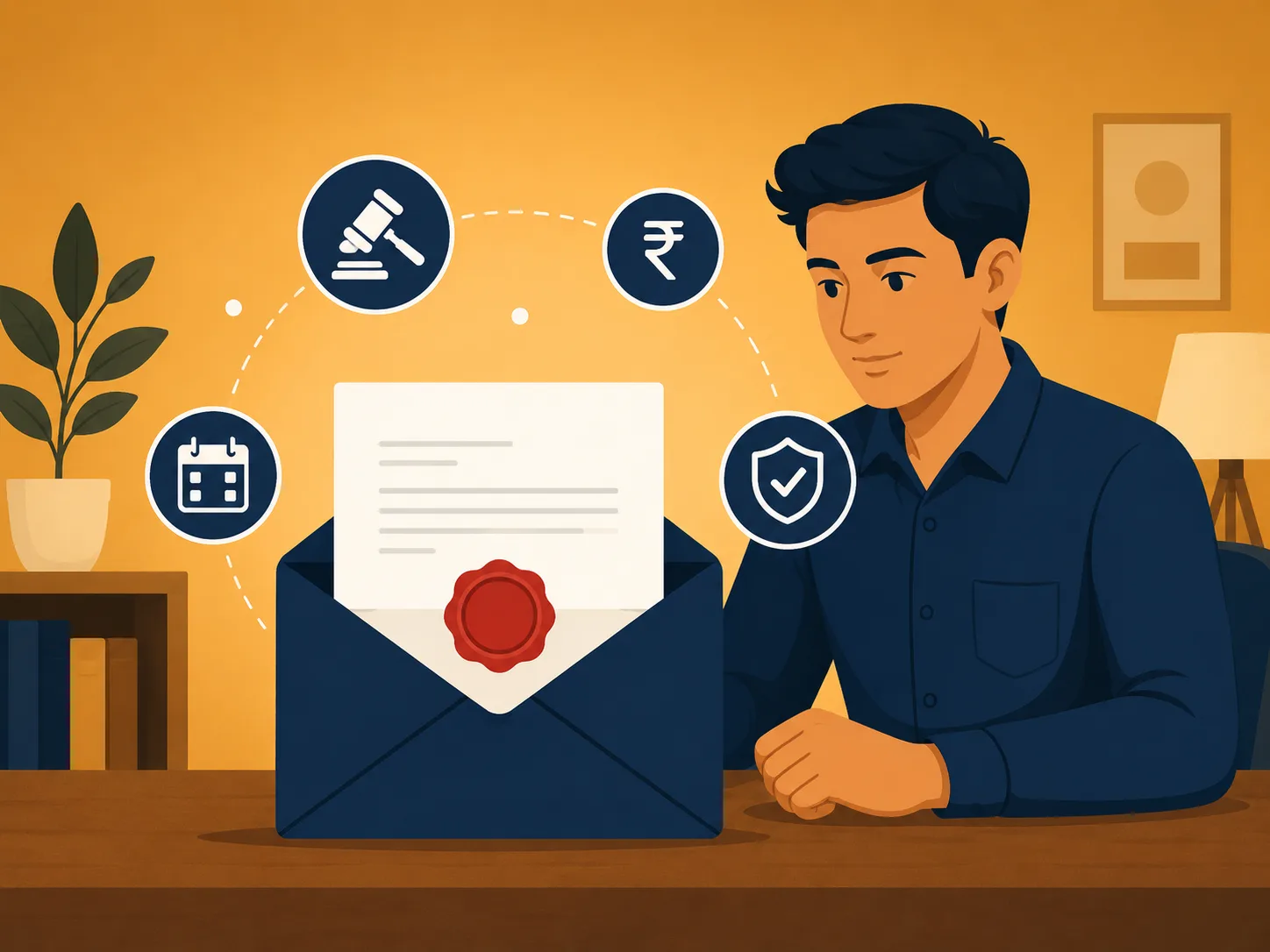
A Lok Adalat bank loan settlement notice is an invitation, sent by a legal services authority, to attend a hearing where you and your bank try to settle a loan by agreement. A Lok Adalat notice generally invites you to participate in a process to resolve a dispute. It is not, by itself, a final judgment or settlement award. A Lok Adalat resolves a matter through compromise or settlement between the parties. Read any proposed terms carefully before agreeing to them.

Mohit Juneja
Reviewed by FREED India, Debt Resolution Specialists
 4.7/5
 ₹3,200Cr+
 20,000+
 20,00,000+4.7/5₹3,200Cr+20,000+20,00,000+
Key Takeaways

A Lok Adalat bank loan settlement notice invites you to a hearing. It is not a judgment, and nothing is final until you agree.
Check the notice with your District Legal Services Authority, using contact details from official sources.
Read the date, venue, bank name, loan number and amount claimed. Ask for a new date if you cannot attend.
Get your loan statement and hardship papers ready, and decide the lump sum you can really pay.
FREED helps borrowers with unsecured loans, where banks may reduce dues by up to 50%*. Final terms are the bank’s decision.
What Does a Lok Adalat Bank Loan Settlement Notice Mean?
A notice like this can feel frightening. So let us be clear about what it is and what it is not.
Settlement is not something a borrower chooses out of preference. Banks consider it only when you genuinely cannot repay in full. A Lok Adalat is a forum under the Legal Services Authorities Act, 1987 that helps both sides settle by agreement.
How does a notice reach you? For a pre-litigation dispute, the relevant Legal Services Authority may take steps to bring the parties together under the applicable procedure. A pending court matter may also be referred to Lok Adalat. Check the notice and confirm the process with the issuing authority if you are unsure why you have been contacted.
For a case already in court, the court can refer it.
So the notice is your opportunity to be heard. It is not an order to pay, and it is not a decree (a formal court order). A Lok Adalat can only reach an award through a compromise. Nobody can force you to settle.
That said, a notice is not something to set aside either. It is the start of a process, and your choices at this stage matter. Our guide to Lok Adalat loan settlement explains the forum in full, and our page on legal notices for loan recovery covers other notices you may receive.

Holding a Lok Adalat notice and not sure what it means?
Talk to a FREED counsellor about your loans and options.
Book My Free CallHow Do You Check the Lok Adalat Notice Is Genuine?
Fake “legal notices” exist. So check first, then act.
A genuine notice usually shows:
The name of the legal services authority or Lok Adalat.
A date, time and venue, or a clear hearing mode.
A reference or case number.
Your name, the bank’s name and the loan account.
A contact for the authority.
Formats vary, so a missing item does not make a notice fake on its own. But it is a reason to ask questions.
To verify, find your District Legal Services Authority (DLSA) through the district court’s or NALSA’s official website. Call or visit it yourself, and give the reference number. Do not use phone numbers printed only on the notice or given by a caller.
Watch for these red flags:
Pressure to pay today.
Payment to a personal account, UPI ID or wallet.
A “waiver certificate” sold for a fee.
Threats.
A notice that arrives only on WhatsApp or SMS, with a link.
RBI has warned the public against campaigns that promise loan waivers or issue “debt waiver certificates”, and against anyone collecting fees for them. It advises you to contact your bank directly. Read the RBI press release. Confirm any amount with the bank through its official contact.
If a notice looks fake, call the cyber fraud helpline 1930 or report at cybercrime.gov.in, and tell your bank. See our guides on threats from recovery agents and fake loan apps.

Expert Tip
Never verify a notice using the phone number printed on it. Find your DLSA’s contact through the district court or NALSA website.
Talk to a FREED counsellorWhat Should You Read First in the Notice?
Note these down before anything else:
The authority that sent it.
The hearing date, time and venue or mode.
The reference number.
The bank’s name and your loan account number.
The amount the bank claims.
Whether it says the matter is pre-litigation or referred by a court.
How to confirm that you will attend.
Then do three things the same day. Put the date in your calendar. Photograph or scan the notice. Keep it in one folder with your loan papers.
One more point. If the amount claimed looks wrong, do not assume it is correct. Ask the bank for a written statement of account that shows principal, interest and penal charges separately. Then you can compare. Our guides on loan settlement charges and what the settlement amount means will help you read the figures.
Not sure what the amount on your notice includes?
A FREED counsellor can go through it with you.
Check My OptionsDo You Have to Attend, and What Happens If You Ignore It?
A Lok Adalat settles only by compromise. So it cannot force you to agree. If no settlement is reached, the Lok Adalat does not impose an agreement. A case referred by a court generally returns to that court for further proceedings. A pre-litigation dispute may remain unresolved, and either party may need to consider the appropriate legal route.
But ignoring the notice is not safe. If you do not attend, you lose the chance to put your side and to settle on negotiated terms. And the bank can pursue other legal routes. Nobody can tell you in advance what a particular bank will do.
If you cannot attend on the date, write to the DLSA and the bank as early as you can. Ask for another date, and keep proof that you asked. You can attend without a lawyer. You may still want legal advice. If a court case is already pending, please speak to a lawyer.
Also be aware that recovery calls may continue while this is going on. If calls turn abusive or threatening, FREED Shield is open to anyone for documenting and reporting them. Know your rights in the RBI guidelines for recovery agents. This is general awareness, not legal advice.

What the Law Says
A Lok Adalat can only dispose of a matter by compromise or settlement between the parties. If no settlement is reached, the parties are advised to seek a remedy in court.
Read the NALSA page on Lok AdalatWhat Should You Do Before the Hearing?
Use this list.
Get a written statement of account from the bank.
Check principal, interest and penal charges separately.
Gather proof of hardship. A job-loss letter, salary slips, medical bills, and bank statements for the months your income dropped.
Decide the one lump sum you can really pay, and by when.
Write down your offer and your reasons in a few sentences.
Ask the bank in writing, before the hearing, what figure it will accept. That way there are fewer surprises.
Keep your papers together. ID, address proof, the notice and your loan agreement.
You can also ask the bank to meet before the hearing. A prior agreement may be placed before the panel, but how that works depends on the case, so ask a legal professional.
Never agree to an amount you cannot pay on time. Test your figure with the personal loan settlement calculator. Read how to build your case and what a loan settlement agreement should say.
Are You in a Loan Trap? Quick Check
Move the slider to your total EMIs as a % of monthly salary. See your debt stress level instantly.
EMIs as % of Monthly Salary
What Happens at the Hearing, and What If You Agree?
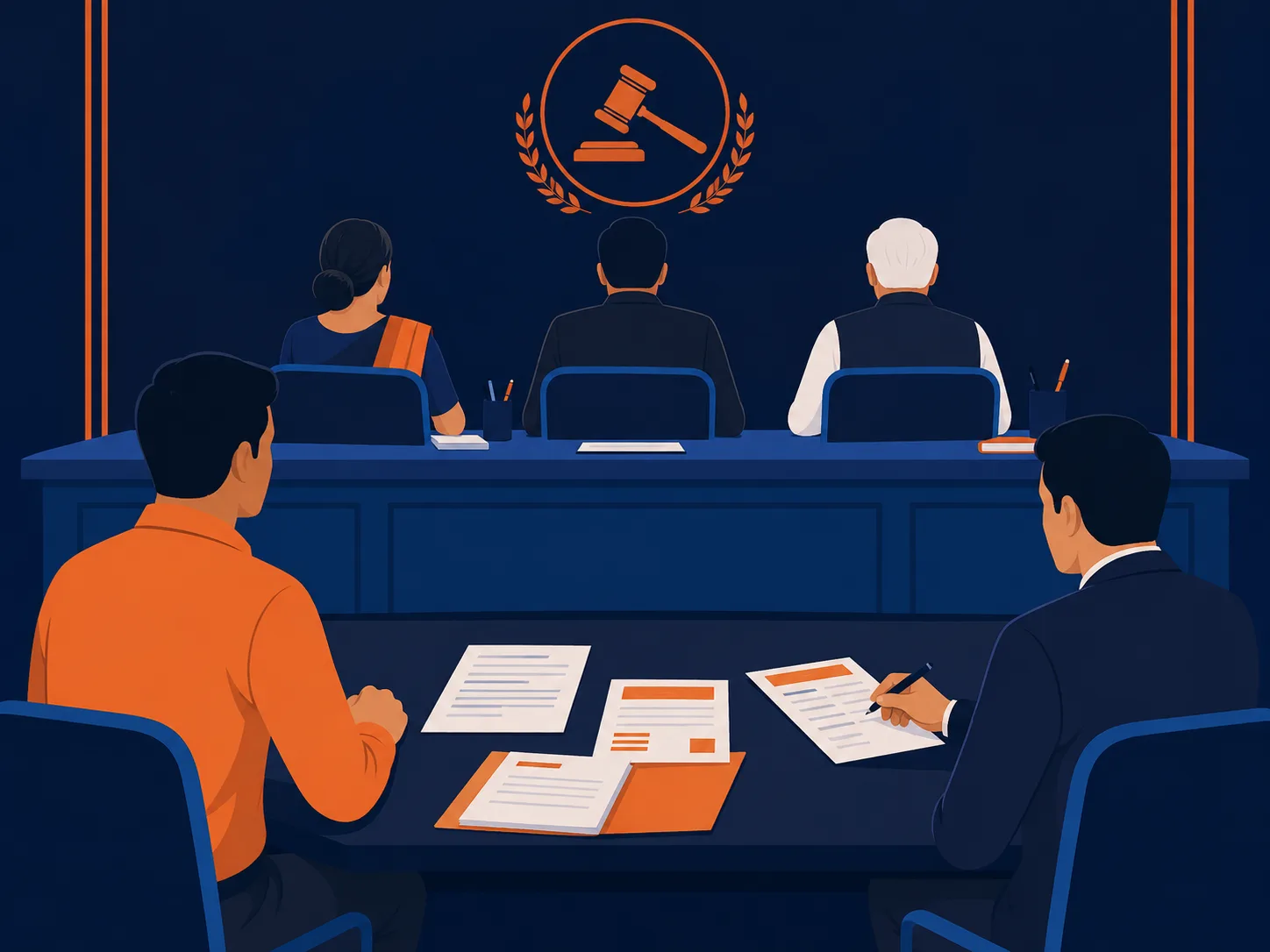
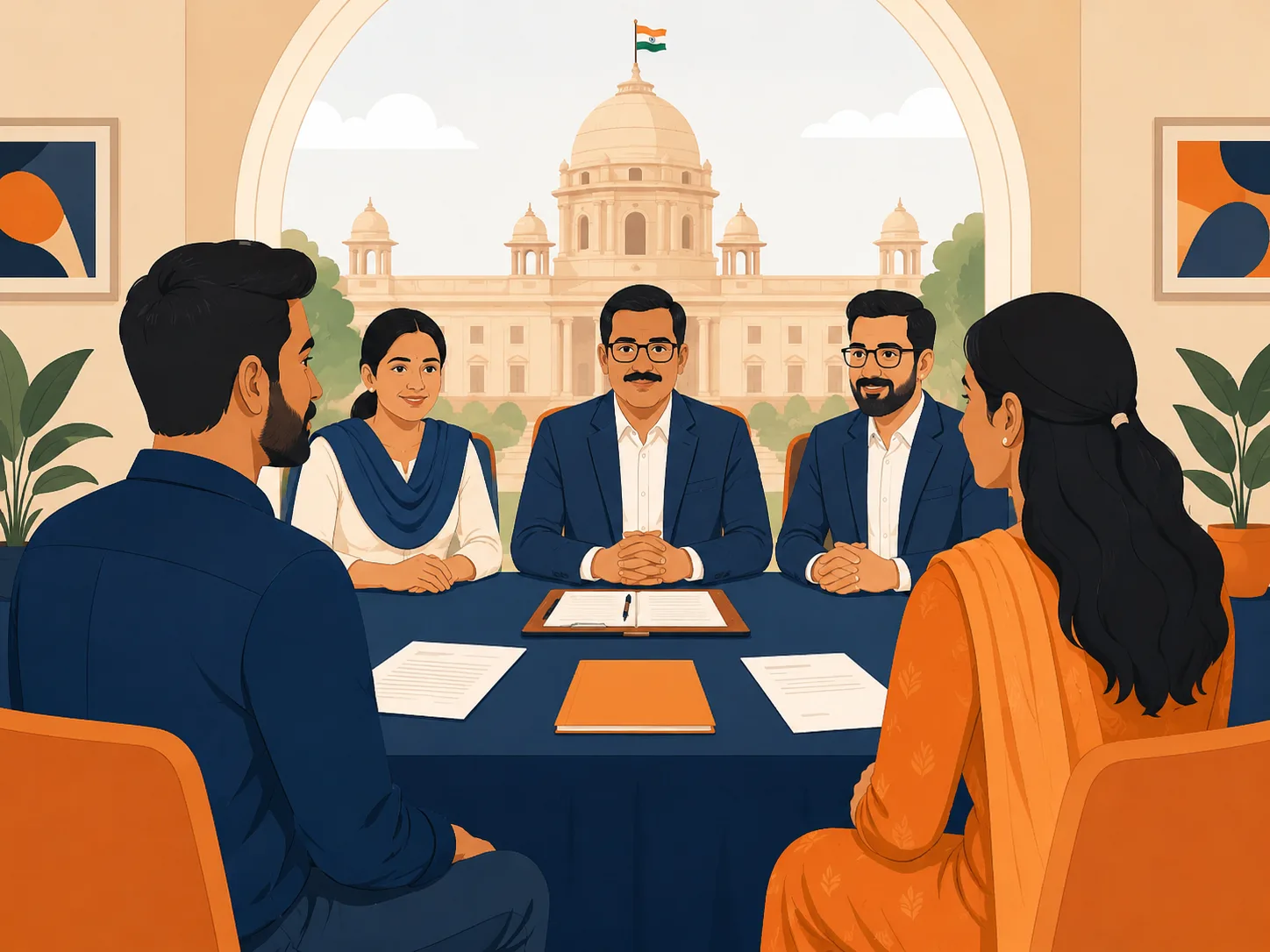
A panel, often a judicial officer with a lawyer member and a social worker member, sits with you and the bank. The members act as conciliators (people who help both sides reach agreement). They must not pressure either side. The bank states the amount. You state your position. The panel may suggest a middle figure. A hearing may not end in one sitting.
If you both agree, the terms are recorded in an award that both sign. Under Section 21 of the Legal Services Authorities Act, 1987, a Lok Adalat award is deemed to be a decree of a civil court and is final and binding on the parties. No appeal lies against the award. Because the agreed terms can have significant legal consequences, read the award carefully and seek legal advice if you are unsure before consenting.
Check these in the award:
Your name and loan account number.
The agreed amount.
The payment deadline.
A clear statement that your dues are cleared on payment.
After you pay, ask the bank for the NOC (no objection certificate, the bank’s proof that nothing more is due) in writing. Keep the award and every receipt. The account is reported as “Settled”, not “Closed”. Tracking your credit report and following up on the NOC are your responsibility.
See what a proper final settlement letter looks like, why the CIBIL clearance letter matters, and what the Lok Adalat decree status means for you.
What If You Cannot Agree or Cannot Pay?
Take the options in order. They are not equals.
If no agreement is reached, there is no award. You can try another sitting, speak to the bank directly, or take legal advice. If a court case is pending, speak to a lawyer about what comes next.
If you are still paying EMIs, ask your bank for a lower EMI or a longer repayment time. Then consider consolidation, where a new loan from a lending partner pays off your existing unsecured loans and leaves you one EMI. Your score does not drop. FREED’s Loan Consolidation Plan charges zero fee and needs a CIBIL score of 700 or above. Compare it with a personal loan first.
Settlement is for borrowers who genuinely cannot repay in full. Any settlement is reported as “Settled” for up to 7 years. A loan settlement can negatively affect your credit profile, but the impact on your score depends on your credit history, account information and the scoring model. There is no single score reduction or recovery timeline that applies to every borrower.
Credit-report changes can take a few weeks. See the impact of debt settlement on credit score.
To see where you stand, check Credit Insights, which reads your credit report in one place. And before any new loan, check affordability with the EMI Score.
How Does FREED Help With Loan Settlement?
The FREED Loan Settlement Plan (also called the Debt Resolution Program or “Settle My Loans”) helps borrowers move from financial distress to a structured path toward resolving their debt and rebuilding their financial future.
Here is how it works. FREED reviews your full financial picture and builds a personalised plan. You save a fixed monthly amount into a Special Purpose Account (SPA), held by an independent trusteeship company. When the corpus is enough, FREED negotiates with your bank and prepares documents and letters. The bank decides the final terms. You approve each settlement before any payout. It takes time, because the savings come first.
Review the current programme agreement to confirm the evaluation fee, its refund conditions, the success-based fee and when that fee becomes payable. Understand the total potential cost before enrolling.
Rates and ranges shown are indicative. Final terms decided by the bank. FREED is not a Loan Provider. No outcome is guaranteed. Please verify directly with your bank.
Read more about the Loan Settlement Plan.
33,000+ accounts settled | 20,00,000+ customers counselled | ₹3,500 Cr+ debt managed
Sourcing and Verification
Claim | Source |
Award deemed a decree, final, no appeal; conciliators; pre-litigation and pending routes | |
Members must not pressurise or coerce parties | |
Warning against loan waiver campaigns, “debt waiver certificates” and fees; contact your bank directly | |
Cyber fraud helpline 1930 | MHA statement and cybercrime.gov.in (to be reopened and confirmed before publishing) |
Sections 19, 20 and 21 of the Legal Services Authorities Act, 1987 | Official India Code text to be linked by the reviewing team |

Mohit Juneja
Mohit Juneja is FREED’s Content & Communication Lead with 12+ years of experience across content, media, advertising and digital communications. He holds a postgraduate diploma in Communications from Xavier Institute of Communications, Mumbai, and has worked with organisations including NDTV, The Indian Express, McCann Worldgroup and NABARD.
At FREED, he leads content and communication across loan management, debt resolution, debt consolidation and financial well-being. His work combines research, storytelling and consumer-focused communication to make complex financial topics easier to understand and act on. He has also scripted and produced 11 documentaries on rural development and agriculture for NABARD, with film's selected for the Mumbai International Film Festival.
mohit.juneja@freed.care

FREED is India's trusted loan management platform. Founded in 2020 and headquartered in Gurugram, FREED has counselled 20 lakh+ people on personal loans, credit cards, and app loans. FREED charges fees only on successful settlement, not upfront. FREED does not handle secured loans (home loans, car loans, gold loans).
Media Mentions