Is Debt Settlement Worth It? Pros, Cons and When It Makes Sense
Is loan settlement worth it depends entirely on your situation. Settlement means your bank or NBFC (non-bank financial company) agrees to settle your loan for less than the full amount you owe. It clears the debt. But it leaves a "Settled" mark on your CIBIL (credit score) report for up to 7 years. For people who genuinely cannot repay due to a real financial difficulty, it can be the most practical way out. For people who can still manage their EMIs, it usually is not.

Mohit Juneja
Reviewed by FREED India, SEO Intern
 4.7/5
4.7/5 ₹3,200Cr+
 20,000+
 20,00,000+4.7/5₹3,200Cr+20,000+20,00,000+
Key summury

Is loan settlement worth it? Only when repaying in full has genuinely become impossible, not as a shortcut or a way to pay less by choice.
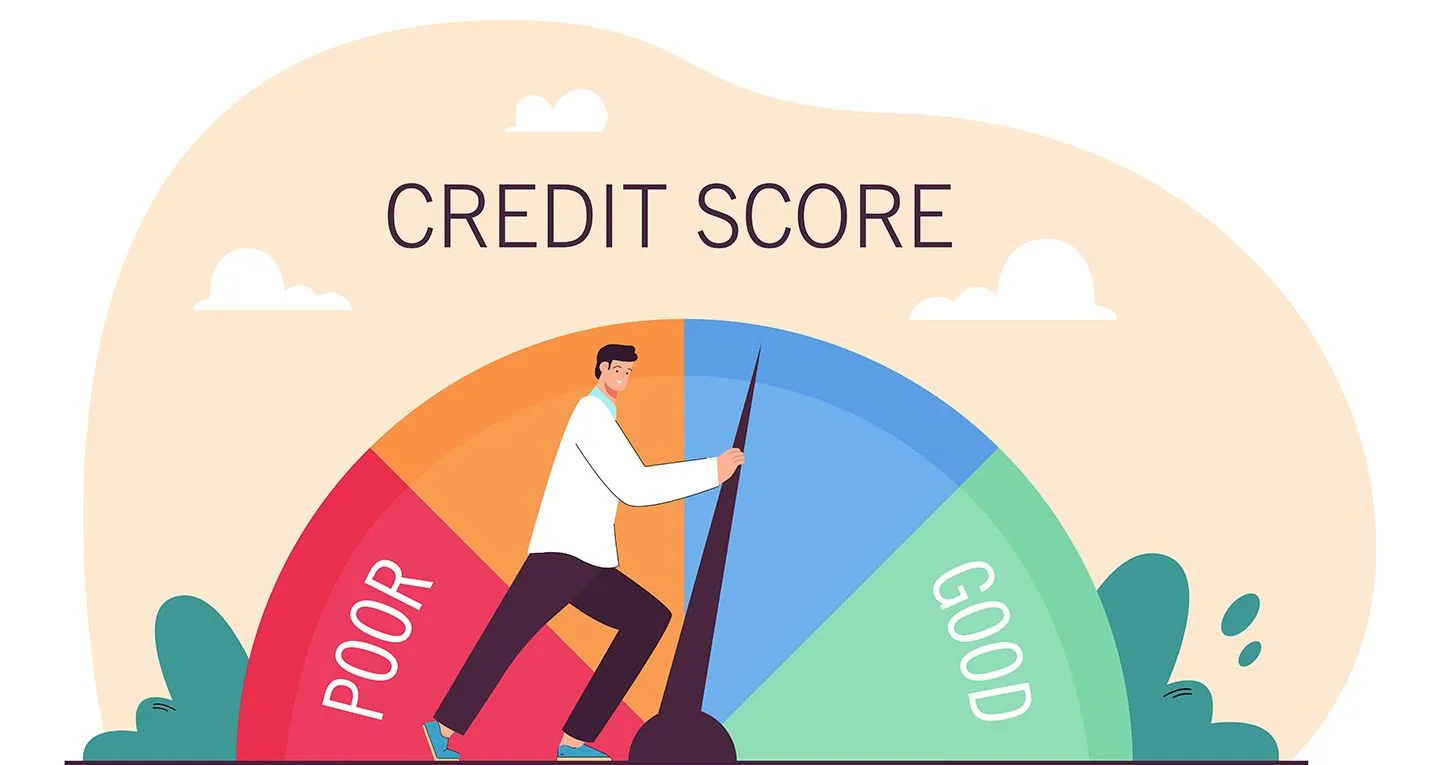
A settlement can reduce your total outstanding debt by up to 50%*, but it leaves a "Settled" mark on your CIBIL report for up to 7 years.
A meaningful share of Indian loan accounts are eventually settled rather than closed normally, and this affects access to credit for millions of borrowers.
This is less damaging than a "Written Off" status, but it is still significant.
Softer options, like EMI reduction, a longer tenure, or debt consolidation, should always be tried before settlement is considered.
What Is Loan Settlement and How Does It Work?
Settlement is not something a borrower chooses out of preference. It happens when a borrower is unable to pay the full amount owed on a loan, and the bank or NBFC agrees to accept a smaller lump sum to settle the account.
Settlement only applies to unsecured loans. This includes credit cards, personal loans, BNPL (buy-now-pay-later) products, and loan apps. It does not apply to secured loans, like home loans or car loans. Banks do not settle those the same way.
Once a settlement goes through, two things change. Your loan gets marked "Settled" on your CIBIL report, not "Closed." And the part of the loan you didn't pay gets written off by the bank.
FREED helps borrowers settle their unpaid/overdue loans at up to 50%* less. But banks usually will not even discuss settlement until your loan has been overdue for 3 to 6 months. They need to see that the difficulty is real first.
When Is Loan Settlement Worth It?
Settlement makes sense when repaying in full is genuinely no longer possible. Not when it feels hard. When it isn't realistic anymore.
Loan settlement may be worth considering if:
You've missed multiple EMIs in a row and there's no realistic way to catch up
A large share of your take-home salary is already going toward loan repayments
You've lost income due to a job loss, a medical emergency, or a business setback
You have no savings or assets left to fall back on
You've already tried softer options, like asking for a lower EMI or a longer tenure, and they haven't worked
Banks need proof of genuine difficulty before they'll engage on settlement. This usually means documentation of the job loss, the medical event, or the business failure. And they typically want to see at least 3 to 6 months of default first.
If most of what's listed above describes your situation, settlement may be the most realistic way forward for you.

What the Law Says
Under RBI's OTS guidelines, banks and NBFCs consider settlement only when a borrower has demonstrated genuine financial difficulty. A settlement is legally binding once agreed. Always get the final letter in writing before you pay anything.
Talk to a FREED CounsellorWhen Is Loan Settlement Not Worth It?
Settlement is not the right step if any of the following describe you:
You're still paying your EMIs on time, even if it's a stretch
Your CIBIL score is intact and you can still access credit
Your debt feels heavy, but it's manageable with some adjustment to your spending
Your real concern is paying less, not an inability to pay at all
Most of your debt is secured, like a home loan, car loan, or gold loan. These aren't eligible for settlement.
If any of this sounds like you, your loan is likely still in an earlier, more manageable stage. The better next step is to look at debt consolidation or ask your bank about an EMI change before settlement enters the picture at all.
Unlike settlement, which stays on your CIBIL report for up to 7 years as a negative mark,debt consolidation is generally intended for borrowers who are still managing repayments . It does not leave a "Settled" tag behind.
What Are the Real Pros of Loan Settlement?
For someone who genuinely cannot repay, settlement offers real relief.
- Your total debt amount comes down by up to 50%*
- It resolves the loan faster than letting the debt sit unpaid for years
- It resolves the loan faster than letting the debt sit unpaid for years
- 'Settled' and 'Written Off' are different account statuses that may be viewed differently by future lenders.
These benefits only matter if repaying in full truly isn't possible. Settlement isn't designed to be an attractive shortcut. It exists as a practical option for a difficult situation, nothing more.
A "Settled" mark is still a negative entry on your credit history. But it's a better position than a "Written Off" account, and it can resolve a defaulted loan faster than most other routes available to you.

Find Out If Settlement Is the Right Step for You
Free assessment. No commitment. A real answer in 20 minutes.
Get My Free AssessmentWhat Are the Real Cons of Loan Settlement?
Settlement comes with real costs, and it's worth knowing them clearly before you decide.
- The "Settled" mark stays on your report for up to 7 years
- Getting future credit, like a home loan, car loan, or new credit card, becomes noticeably harder
- Banks won't agree to settle unless your default is genuine and well documented
- You need a lump sum to pay the settled amount, which can be hard to arrange when you're already stretched thin
- The process takes time. There's back-and-forth with the bank before it's finalised
If you're considering professional help to manage a settlement, it's worth knowing how that help is typically priced. Globally, debt settlement companies often charge 15 to 25% of your enrolled debt as a fee. FREED only charges a fee once a settlement is successfully completed, not before.
What Are Your Options Before Choosing Settlement?
Settlement is one option among several, and it's usually the last one to consider, not the first.
Before settlement, it's worth looking at:
EMI reduction or a longer tenure. Your bank reworks your loan so your monthly payment is smaller. This keeps your CIBIL clean.
A moratorium (a temporary pause on EMIs). Duration varies by lender typically a few months, subject to approval. Interest still adds up during this time, but it buys breathing room.
Debt consolidation. One new loan closes out all your existing loans, leaving you with a single, lower EMI instead of juggling several.
Short-term help from family or friends. A bridge while you sort out a longer-term plan.
None of these are necessarily easy to get. A bank may decline an EMI change. A consolidation loan depends on your eligibility. But all of them are worth trying before settlement, because none of them carry the same reporting implications as settlement.
If you're still managing your EMIs but stretched across multiple loans, debt consolidation is usually the better fit. It's built for exactly that situation: still paying, just spread too thin.

Expert Tip
If your total EMIs already eat up more than 50% of your take-home salary, you're at real risk of default. It's worth checking your options now, before the next EMI is missed.
Calculate My EMI BurdenIs Loan Settlement Worth It for Credit Cards vs. Personal Loans?
The answer changes a little depending on what kind of debt you're carrying.
Credit cards. Interest is higher and penalties pile up faster, so the default cycle tends to be shorter. Banks are often quicker to discuss settlement on cards once a genuine default is in place.
Personal loans. Banks usually want to see your loan overdue for 90 days or more before they'll talk settlement. Loan amounts here tend to be larger, and the percentage waived may be tighter than on a credit card.
BNPL and loan apps. These are typically held by NBFCs rather than banks. They can be settled, but the process and terms vary more widely than with a bank loan.
If you have a mix of these, which is common, each one will likely move at a different pace. Credit cards and personal loans are the main categories that qualify for settlement. BNPL and loan apps qualify too, but check the specific NBFC's process, since it isn't standard across all of them.
How Does Loan Settlement Affect Your CIBIL Score?
This part deserves a straight answer, with no softening.
When a loan is settled:
The account is marked "Settled," not "Closed"
The mark stays on your report for up to 7 years
Future loan applications will be reviewed carefully because of this mark
Here's what tends to help:
A secured credit card, taken against a fixed deposit (FD), to start rebuilding a payment history
A small EMI product, paid on time every month
Staying current on any other credit you're still holding
One more thing worth knowing: if you later pay back the waived portion of your settled loan, and your bank agrees, it's not guaranteed, but it's worth asking about.
Before you decide anything, it's worth checking your own credit report. Every individual is entitled to one free credit report a year under RBI rules, so there's no reason to decide blind.
Are You in a Loan Trap? Quick Check
Move the slider to your total EMIs as a % of monthly salary. See your debt stress level instantly.
EMIs as % of Monthly Salary
What Helps When You're Going Through Loan Settlement?
A few things make the process smoother, whether you handle it yourself or with help.
Gather your loan documents before you approach the bank: statements, outstanding balance letters, anything showing your current situation
Ask for everything in writing: the settlement offer, the agreed amount, the final settlement letter, and the clearance letter (called NOC)
Confirm your bank updates your CIBIL status to "Settled," not left as "Default" or "Written Off," once you've paid
Check your CIBIL report afterward and raise a dispute if anything looks wrong
Don't go silent during recovery calls while this is in progress. Talk to someone, or ask someone you trust to help you through the conversation
If at any point the paperwork or the back-and-forth with your bank feels like too much to manage alone, FREED's counsellors can help carry that load, end to end, working through the SPA (Special Purpose Account) process and following up until the settlement and the CIBIL update are both done.
Talk to a FREED Counsellor, Free
No forms. No pressure. One call to understand your options.
Book My Free CallLoan Settlement vs. Your Other Options
EMI Reduction / Longer Tenure | Debt Consolidation | Loan Settlement | |
CIBIL impact | None | Slight dip from a hard inquiry, recovers quickly | 75 to 100 point drop, "Settled" mark for up to 7 years |
Who it's for | Still paying, income reduced | Still earning, multiple loans, manageable debt | Unable to repay in full, genuine financial difficulty |
Full debt still owed? | Yes | Yes | No, up to 50%* is waived |
Bank approval needed? | Yes | Yes | Yes, only for genuine difficulty |
Best for | Stressed but paying | Multiple EMIs, stable income | Defaulted, no realistic way to repay in full |
Options depend on your individual loan type, your bank's policy, and your financial situation. Talk to a FREED counsellor for a free assessment.
How a Loan Settlement Actually Gets Done
Step 1: Check If You Actually Qualify Your loan needs to be overdue, usually 90 days or more. Banks need to see genuine financial difficulty: job loss, medical emergency, or business failure. If you're still managing your EMIs, settlement isn't an option yet.
Step 2: Gather Your Documents Collect your loan statements, outstanding balance letters, and anything showing your current situation, like salary slips, bank statements, or a job loss letter. Having these ready speeds things up.
Step 3: Contact Your Bank or NBFC Reach out to the collections or settlement team at your bank. Ask for a one-time settlement (OTS), meaning you make a one-time agreed payment to settle the account. Be factual: explain your situation, state what you can realistically pay as a lump sum, and ask what they'll accept.
Step 4: Get the Offer in Writing Before paying anything, ask for the settlement offer in writing. It should clearly state the agreed amount, the date you need to pay by, and confirm that nothing further will be claimed once you pay.
Step 5: Pay and Collect the Final Letter After paying, collect your full and final settlement letter and your NOC from the bank. Follow up to confirm they update your CIBIL status to "Settled." lenders are required to report accurately to credit bureaus under RBI guidelines.
If managing this paperwork, or the back-and-forth with your bank, feels like a lot to take on, FREED's counsellors can handle the process for you and follow up until your CIBIL is correctly updated.

Mohit Juneja
Mohit Juneja writes educational content at FREED on debt management, credit scores, loan repayment, and borrowing best practices. His content is shaped by expert insights and industry knowledge, helping readers better understand their financial options and make informed decisions.
mohit.juneja@freed.care

FREED is India's trusted loan management platform. Founded in 2020 and headquartered in Gurugram, FREED has counselled 20 lakh+ people on personal loans, credit cards, and app loans. FREED charges fees only on successful settlement, not upfront. FREED does not handle secured loans (home loans, car loans, gold loans).
Media Mentions