IDFC FIRST Bank CIBIL Score Check: Free Ways and What the Bank Sees
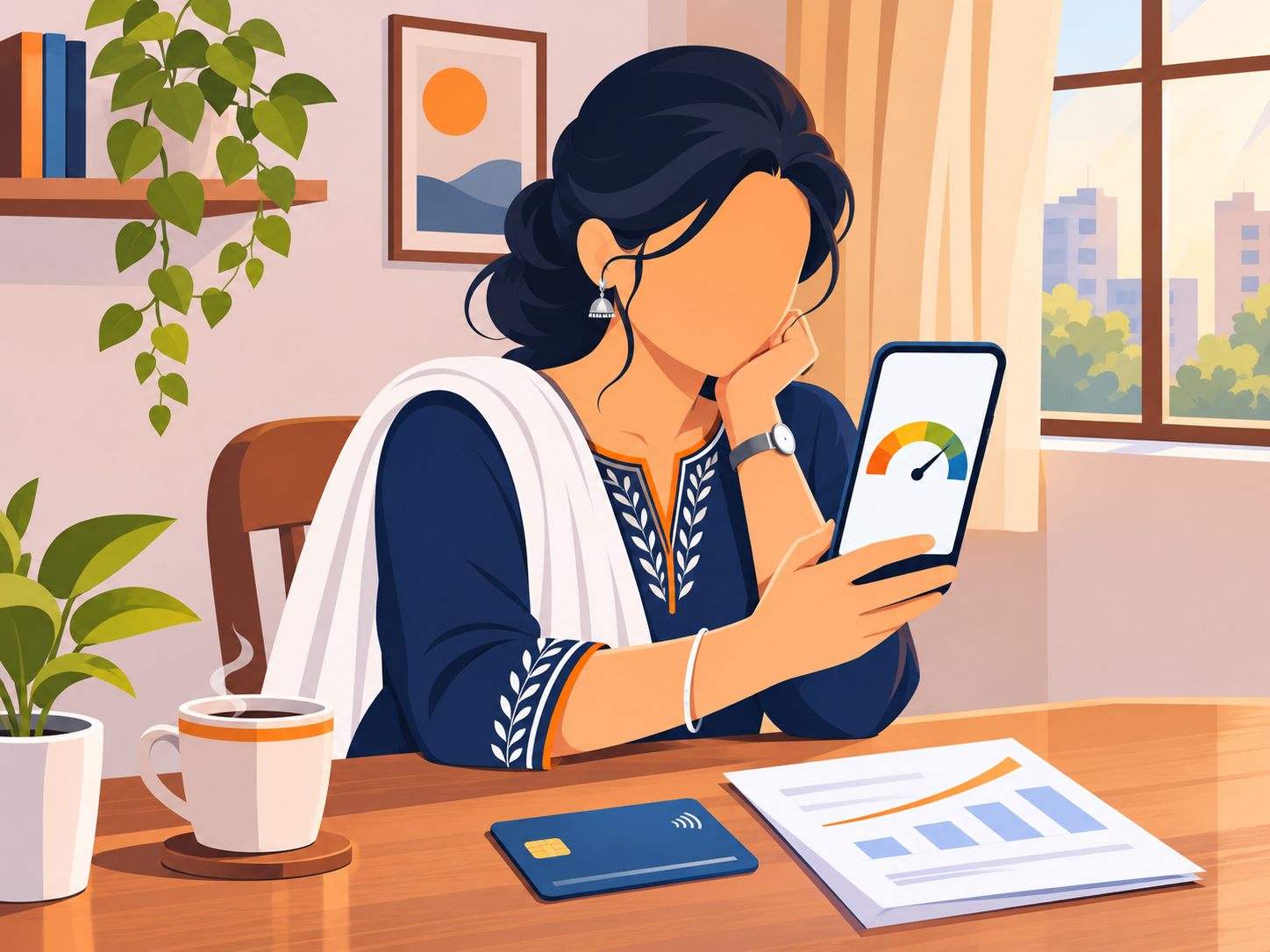
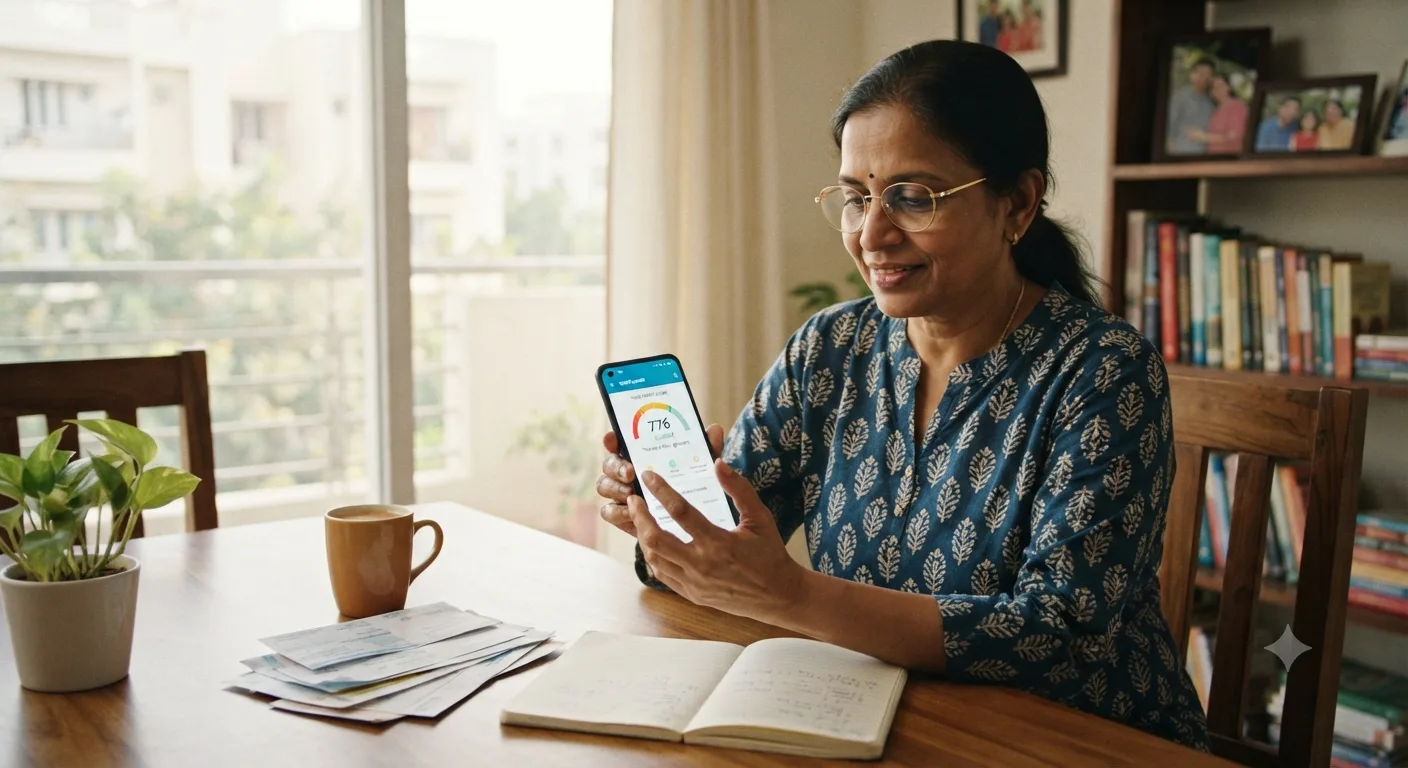
To check your CIBIL score as an IDFC FIRST Bank customer, use the CIBIL website or another authorised credit bureau platform with your PAN, mobile number and an OTP. IDFC FIRST’s own pages send customers there. Checking your own score is a soft enquiry and doesn’t lower it.

Mohit Juneja
Reviewed by FREED India, Debt Resolution Specialists
 4.7/5
 ₹3,200Cr+
 20,000+
 20,00,000+4.7/5₹3,200Cr+20,000+20,00,000+
Key Summary

An IDFC FIRST Bank CIBIL score check works through CIBIL or authorised platforms.
Checking your own score is a soft enquiry and does not lower it.
CIBIL gives one free full report each calendar year on its website.
Check the IDFC FIRST account lines on your report before applying.
What Does an IDFC FIRST Bank CIBIL Score Check Mean?
An IDFC FIRST Bank CIBIL score check means checking your own credit score and report, before or after you deal with IDFC FIRST. The free route runs through CIBIL or other authorised platforms. Checking your own credit score through a bureau or an authorised platform is generally a soft enquiry and does not lower your score. A lender’s enquiry when you apply for credit is generally a hard enquiry and may have a small, temporary effect. This page shows the working routes, and what IDFC FIRST looks at when you apply.
It means you check your own score and report. It doesn’t mean IDFC FIRST checks you. The score comes from a credit bureau, and the bank reads it when you apply for a loan or card. It doesn’t create the number.
There are two kinds of check, and they work differently. When a bank pulls your report to decide on an application, that’s a hard enquiry, and it can have a small, temporary effect. When you check your own score, that’s a soft enquiry, and it doesn’t affect it. IDFC FIRST’s own pages say the same.
So you can look as often as you like. What matters is where you look, and what you do with the report once you’ve seen it. The rest of this guide covers both. If you also bank with SBI, our pillar guide on a free CIBIL score check for bank customers covers the same score through that route.
How Can You Check Your CIBIL Score for Free as an IDFC FIRST Customer?
You use a route that runs through the bureau, not through the bank. IDFC FIRST’s own credit score page tells readers to visit the CIBIL website or a trusted financial institution’s website. Here are the four routes, side by side.
Route | Cost | Score only or full report | Needs an IDFC FIRST account? | Bureau |
|---|---|---|---|---|
CIBIL website | Free once a calendar year, per IDFC FIRST’s page | Score and full report | No | TransUnion CIBIL |
Google Pay or a similar platform | No charge for the score, per IDFC FIRST’s page | Score only, not a detailed report | No | Varies by app |
A bureau account (Experian, Equifax or CRIF High Mark) | One full report a year per bureau at no charge, under an RBI rule | Full report | No | That bureau |
FREED Credit Insights | Check the page for current terms | Report and score, with a personalised action plan | No | Experian |
Notice that no row needs an IDFC FIRST account. That’s the honest answer to the keyword. The bank isn’t the route, and you can check from any bank’s side.
Here are the steps for the CIBIL website route, from IDFC FIRST’s own blog.
Visit the official CIBIL website or an RBI-licensed credit bureau platform.
Register with your PAN, mobile number, email ID and other details.
Verify your identity with the OTP sent to your mobile number.
Answer the verification questions, if you’re asked.
Open your dashboard to see your score and full report.
Keep your PAN and your phone nearby, and use the same mobile number linked to your bank records where you can. The whole process usually takes a few minutes. Read the report before you do anything else, because the number alone tells you little.
What Do You Need Ready Before You Check?
Keep four things at hand, and the check takes minutes. Missing details are the usual reason people give up halfway.
Your PAN. The bureau uses it to find your file.
A working mobile number. The OTP goes there.
An email ID you can open. Some routes send a confirmation link.
Your loan or card details. Have the IDFC FIRST loan number or card ending nearby, so you can match them on the report.
Use your own details, and don’t enter them on any site you haven’t checked. The CIBIL website and the other bureaus have official addresses. If a link in a message asks for your PAN, go to the official site yourself instead of tapping it. A real check never needs your card PIN or net banking password.
Does the IDFC FIRST App Show Your CIBIL Score?
We couldn’t confirm that it does. On 16 November 2026, I opened IDFC FIRST’s credit score page and its blog on how to check a CIBIL score (11 August 2026). Neither names an IDFC FIRST app or net banking route for a score. Both point to the CIBIL website or another authorised platform.
That doesn’t prove the app has no such feature. It means we found no source that says it does, and we haven’t seen the live app. We won’t describe menu steps nobody has seen.
If you open the app and find a score there, check which bureau it comes from, and when it was last updated. Scores from different bureaus can sit apart. For a full picture, use one of the routes above, so you see the report as well as the number.
For IDFC FIRST Pay Later loans, the bank’s own FAQ points to a service request for bureau and score queries. It says to choose Customer Support, then Customer Service, then the Pay Later category, then “Credit score impacted query”. That route is for questions about your loan’s reporting, not for checking your score.
Does Checking Your Own Score Lower It?
No. Checking your own score is a soft enquiry, and it has no effect on your score. IDFC FIRST’s own pages say so. So you can check as often as you like.
Only hard enquiries, made by a lender when you apply for credit, can have a small, temporary effect. A few applications in a short time can add up, so space them out. For more on how enquiries work, read our guide on enquiries, eligibility and compensation.
What Should IDFC FIRST Customers Look for on Their CIBIL Report?
Find the IDFC FIRST account line first. Then check each detail against what you know. Here’s the walkthrough.
Account type. A personal loan, card or other type, matching what you took.
Sanctioned amount. The loan amount or card limit, matching your papers.
Current balance. It should match your latest statement.
Days past due. If you’ve paid on time, this should show zero.
Status. Look for Standard, Settled or Written Off, and check it matches your loan.
Date reported. This tells you how recent the information is.
The date reported matters more than people expect. Banks report to bureaus at regular intervals, so a payment you made last week may not show yet. If you closed an IDFC FIRST Pay Later loan, the bank’s FAQ says to check your report or score 45 days after the closure date, once the account is marked closed.
If something looks wrong, write it down before you act. Note the account, the field and what it should say. For a full guide to reading each section, see our guide on how to read your CIBIL report.

FREED Expert Tip
Check the “date reported” on your IDFC FIRST line. If you paid recently and it still shows old dues, the bank may not have reported yet; wait for the next update before disputing.
Check My EMI ScoreHow Do You Fix a Wrong IDFC FIRST Entry on Your Report?
Raise it with the bureau and the bank, in writing, and keep every reference number. A wrong entry is usually fixable, but it takes patience. Here are four steps.
Raise a dispute with the bureau online. Use the dispute option on the report.
Tell IDFC FIRST’s customer care, in writing. The bank’s site lists its customer care, and a Raise a Complaint option, available 24x7.
Keep every reference number. Note the date, the number and what you reported.
Check again after the bureau replies. Look at the report once the dispute is closed.
RBI’s 2023 directions provide for compensation of ₹100 per calendar day when an eligible credit-information complaint is not resolved within 30 calendar days. The credit institution has up to 21 calendar days to send the corrected information to the credit bureau, which has a further period to resolve the complaint. Where compensation is payable, it must be paid within five working days of resolution. The framework does not cover disputes about the credit score or credit information company’s scoring methodology.
A correction may take time, and compensation is not automatic in every dispute. It depends on whether the complaint falls within the RBI framework and whether the applicable resolution timeline has been breached. For the dispute steps in detail, read our guide on fixing wrong entries on your report.

What the Law Says
Checking your own score is a soft enquiry and does not lower it. Each credit bureau must give you one free full credit report with your score every calendar year, after you verify your identity.
Check My EMI ScoreWhat CIBIL Score Does IDFC FIRST Look For?
IDFC FIRST doesn’t publish one number for every product. IDFC FIRST Bank’s credit score page lists a score of 710 for salaried applicants and 760 or above for self-employed applicants for its FIRSTmoney personal loan. These are figures published on that page, not guaranteed approval thresholds. The bank may change its eligibility criteria, and approval depends on its wider assessment.
Treat that as one product’s published guide, not a promise. Lenders set their own cut-offs, and the score is one of several checks. They also look at your income, your existing EMIs and your repayment history. A strong score alone doesn’t guarantee approval, and a lower one doesn’t always mean a refusal.
Check IDFC FIRST’s current page for the product you want before you apply, since terms can change. And check your own report first, so any errors are fixed before the bank sees them.

Not Sure Which Option Fits You?
Open the FREED app, add your details and see which plan fits your situation.
See My Options on FREEDWhat If Your Score Is Too Low for IDFC FIRST?
Match the fix to the cause. A low score has different reasons, and the right step depends on yours. Here are three routes.
Errors on the report. Dispute them with the bureau, using the steps above.
High card use or many EMIs. Pay down balances where you can. If you’re still paying everything on time and your EMIs feel heavy, FREED’s Loan Consolidation Plan helps you combine multiple loans into a single monthly EMI. It’s only for people who haven’t missed payments.
Missed payments you can’t catch up on. Talk to your bank first, then to a counsellor about your options.
Don’t take several new loans or cards to raise a score. Each application adds a hard enquiry, and new debt can add pressure. Habits help more than shortcuts. For steps that usually work, read our guide on tips to improve your CIBIL score, and see the Loan Consolidation Plan page if you’re still paying on time.
How Does FREED Help You Track Your Score?
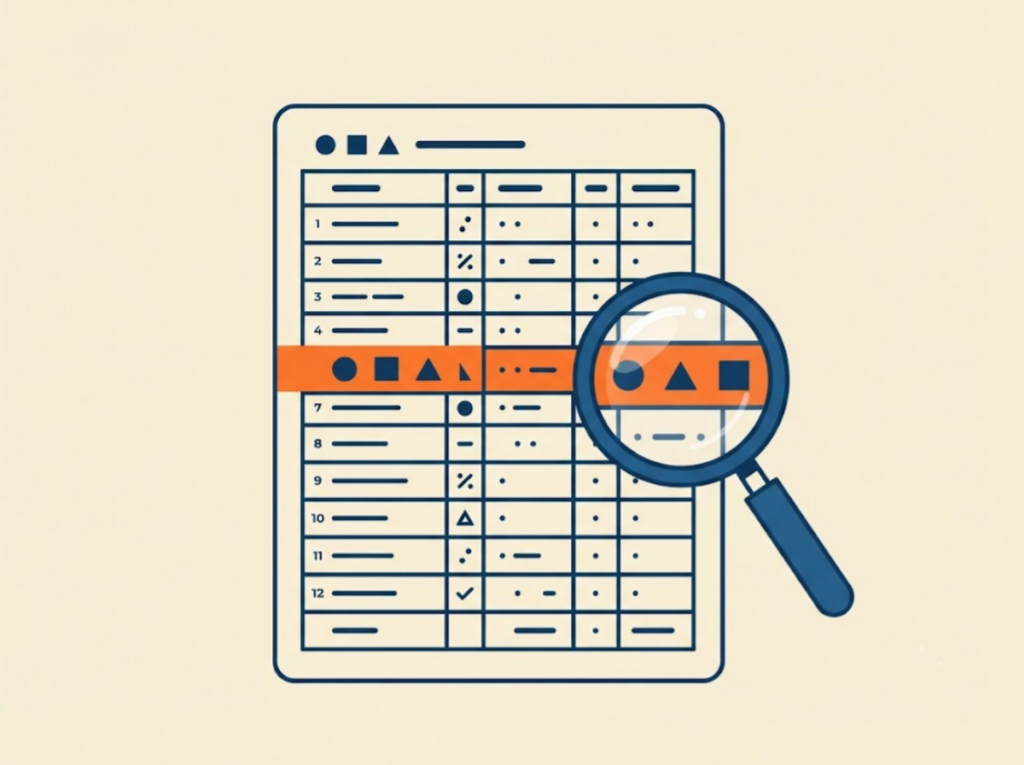
FREED Credit Insights shows your credit report and score, and points to what’s holding the score back. It reads your Experian report, so the number can differ from your CIBIL score. Each bureau uses its own model, so a small gap is normal.
Over 30,000 borrowers have used FREED Credit Insights. FREED isn’t a loan provider. Credit Insights shows your report and explains it, and it doesn’t remove entries that are correct.
Use it alongside a CIBIL check, not instead of one. The CIBIL report tells you what IDFC FIRST and other lenders may see, and a second bureau shows whether the picture matches. You can start on the Credit Insights page.
Not Sure Which Option Fits You?
Open the FREED app, add your details and see which plan fits your situation.
See My Options on FREEDWhat Habits Keep Your Score Healthy as an IDFC FIRST Customer?
Small habits do most of the work. None needs special skill, and all of them are within your control.
Pay before the due date. Set auto-pay for at least the minimum, if your bank offers it.
Keep card use low. A card that’s always near its limit tends to hurt.
Avoid many applications in a short time. Each one is a hard enquiry.
Check your report every few months. Catch errors early, while records are fresh.
Keep old accounts open where it makes sense. A long history can help.
None of these gives a quick jump, and none comes with a guaranteed number. But together, over months, they build a record lenders trust. It also helps to keep payment receipts, so you can prove a payment if an entry is wrong.
How Often Should You Check Your Score?
Every few months is enough for most people, and before any application. A check costs nothing in score terms, so the question is what’s useful. Once a quarter lets you catch errors and see whether your habits are working.
Check before you apply for a loan or card, so you know what the bank will see. Check after you close or settle a loan, once the bank has had time to report. And check if you get an unexpected message about a loan you don’t recognise.
Use the free full report from each bureau once a year for a deeper look, and use a score view in between. Write the date and the score down each time. A short log shows the trend, which matters more than any single number.

Mohit Juneja
Mohit Juneja is FREED’s Content & Communication Lead with 12+ years of experience across content, media, advertising and digital communications. He holds a postgraduate diploma in Communications from Xavier Institute of Communications, Mumbai, and has worked with organisations including NDTV, The Indian Express, McCann Worldgroup and NABARD.
At FREED, he leads content and communication across loan management, debt resolution, debt consolidation and financial well-being. His work combines research, storytelling and consumer-focused communication to make complex financial topics easier to understand and act on. He has also scripted and produced 11 documentaries on rural development and agriculture for NABARD, with film's selected for the Mumbai International Film Festival.
mohit.juneja@freed.care

FREED is India's trusted loan management platform. We help India settle their loans, consolidate their EMIs, improve their credit score, and manage their loans better. Over 20 lakh people trust FREED. We have managed more than ₹3,500 crore in loans and saved our users over ₹450 crore.
Media Mentions