CRIF Score vs CIBIL Score: Key Differences
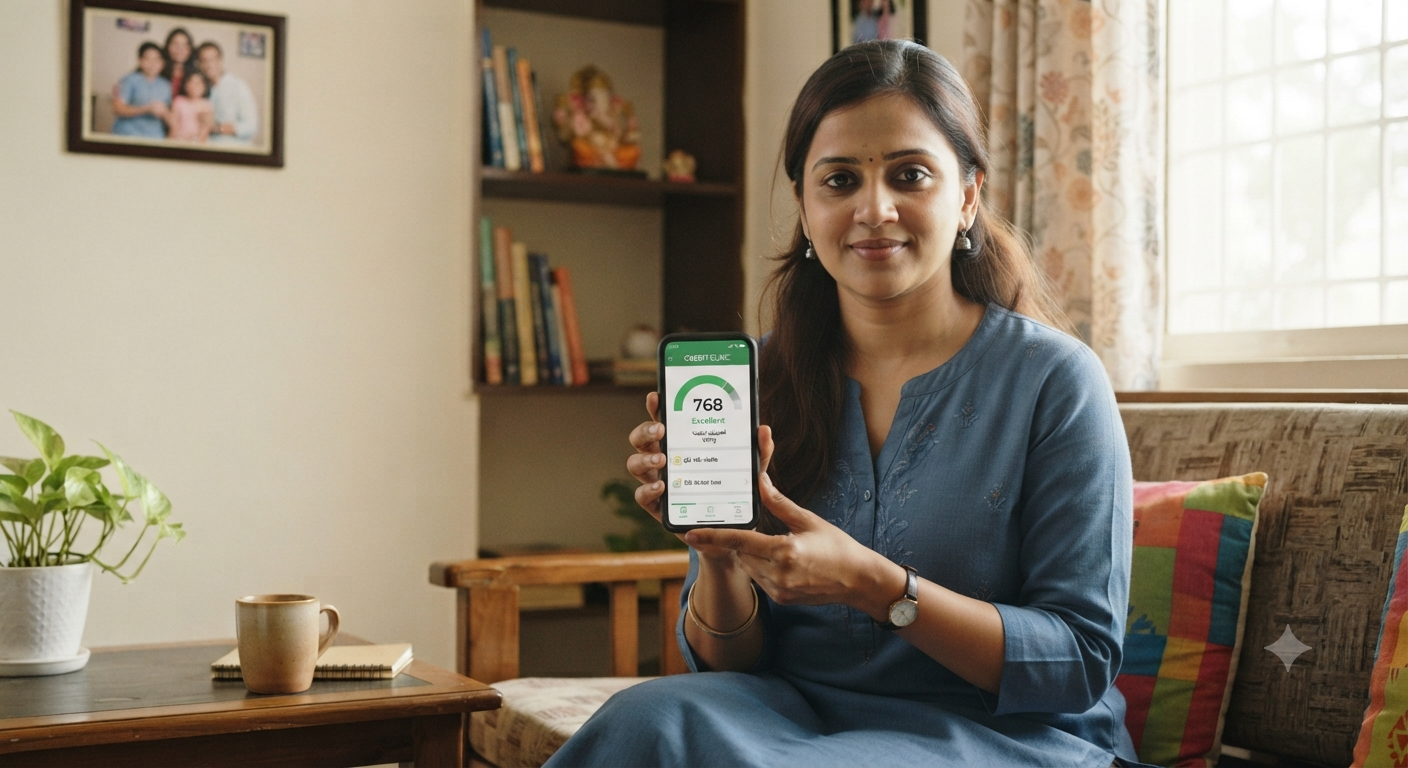
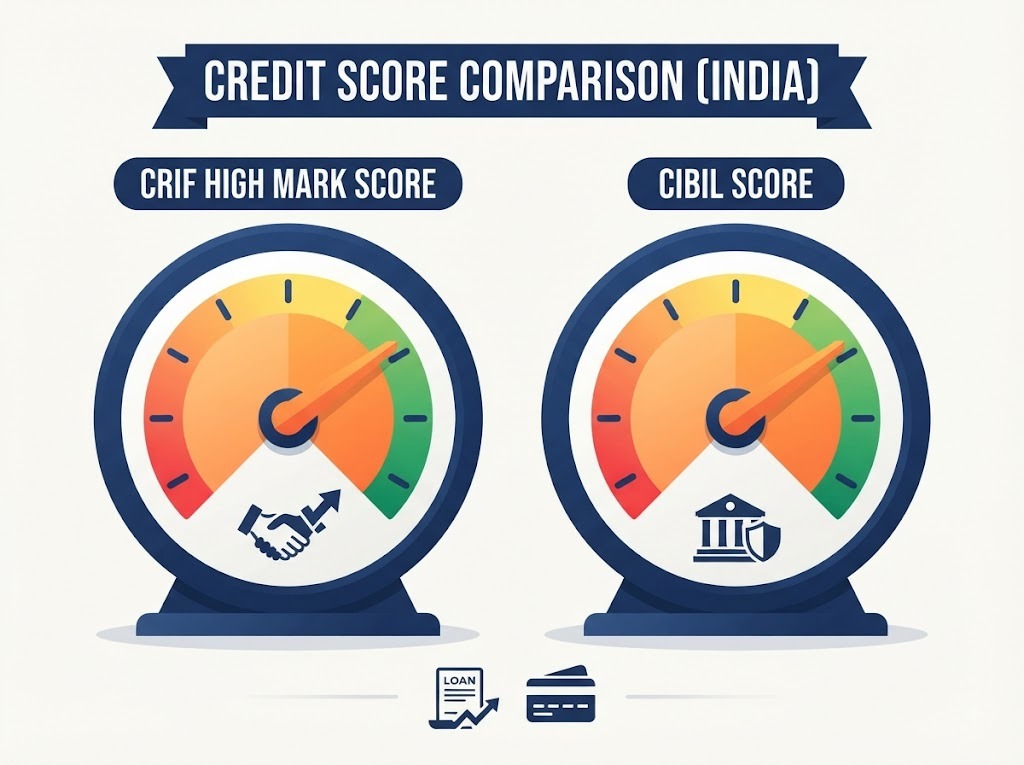
CRIF score and CIBIL score are both 3-digit numbers between 300 and 900, issued by two different RBI-licensed credit bureaus. CIBIL is the oldest and most used by banks for personal loans, home loans, and credit cards. CRIF High Mark has deeper data on NBFCs, microfinance, and small-ticket loans. Your two numbers can differ, and that's normal, not an error.
Mohit Juneja
Reviewed by FREED India, Debt Resolution Specialists
 4.7/5
4.7/5 ₹3,200Cr+
 20,000+
 20,00,000+4.7/5₹3,200Cr+20,000+20,00,000+
KEY TAKEAWAYS

CRIF and CIBIL are separate RBI-licensed bureaus, both scoring 300-900, using different data and algorithms.
The bureau a lender uses depends on its internal processes and the application being assessed.
CRIF High Mark has a strong presence in areas such as microfinance and other small-ticket lending.
Differences between CRIF and CIBIL scores can occur and do not necessarily indicate an error.
Which bureau matters more depends on which lender you're applying to, not which score is "better."
What Is a CRIF Score, and How Is It Different From CIBIL?
CIBIL (TransUnion CIBIL) has been operating in India since 2000, the oldest of the country's credit bureaus and still the one most banks reach for first. CRIF High Mark came later, founded in 2007, RBI-licensed since 2010, and it's built up particular depth in a different corner of lending, NBFCs (Non-Banking Financial Companies, lenders that aren't traditional banks), microfinance (small loans aimed at low-income borrowers, often without collateral), and rural or small-ticket credit.
Both bureaus score on the same 300 to 900 scale, so the numbers look identical in shape even though they're calculated by two entirely separate systems, pull from different lenders reporting at different times, each bureau weighs factors slightly differently, neither number is "wrong." A difference does not necessarily mean either score is wrong. If one report contains inaccurate or outdated information, however, that report should be disputed with the relevant bureau. CIBIL and CRIF aren't the only two bureaus in the picture either, our piece on Equifax's credit score, its meaning and range covers India's fourth licensed bureau if you want the full four-way picture.
Why Do CRIF and CIBIL Scores Differ?
A gap of a few points between your CRIF and CIBIL scores is expected, not a sign something's wrong. This trips people up constantly, seeing two different numbers and assuming one of them must be a mistake.
Here's the actual mechanics behind it. Differences between the two scores can occur because the reports may contain different information or updates, and the bureaus use independent scoring methodologies. On top of that, each bureau weighs factors like payment history and utilisation somewhat differently in its own scoring model. Neither number is "wrong" when this happens, they're built to different specifications, working from data that isn't perfectly synchronised between the two.
Which Lenders Check CRIF vs CIBIL?
This is where the practical difference actually shows up, and it's the part most explanations of this topic skip entirely.
Banks generally pull CIBIL first for personal loans, home loans, and credit cards, it's the incumbent bureau most traditional lending workflows have been built around for over two decades. NBFCs, fintech lenders, and microfinance institutions, on the other hand, often lean on CRIF, sometimes checking it alongside CIBIL, sometimes instead of it.
The practical implication is worth sitting with. If you're applying to an app-based lender or an NBFC rather than a traditional bank, your CRIF score may matter more to that specific application than you realised, and a strong CIBIL number won't necessarily carry the same weight there. If you're specifically weighing an NBFC personal loan on the strength of a lower CIBIL score, our guide on NBFC personal loans for low CIBIL scores is worth reading alongside this, since NBFC eligibility often comes down to exactly the CRIF-vs-CIBIL distinction this section covers.

Freed Expert Tip
If you're applying to an NBFC or a lending app, check your CRIF report too, not just CIBIL, since that's often the score they pull first.
Talk to FREED About Your Options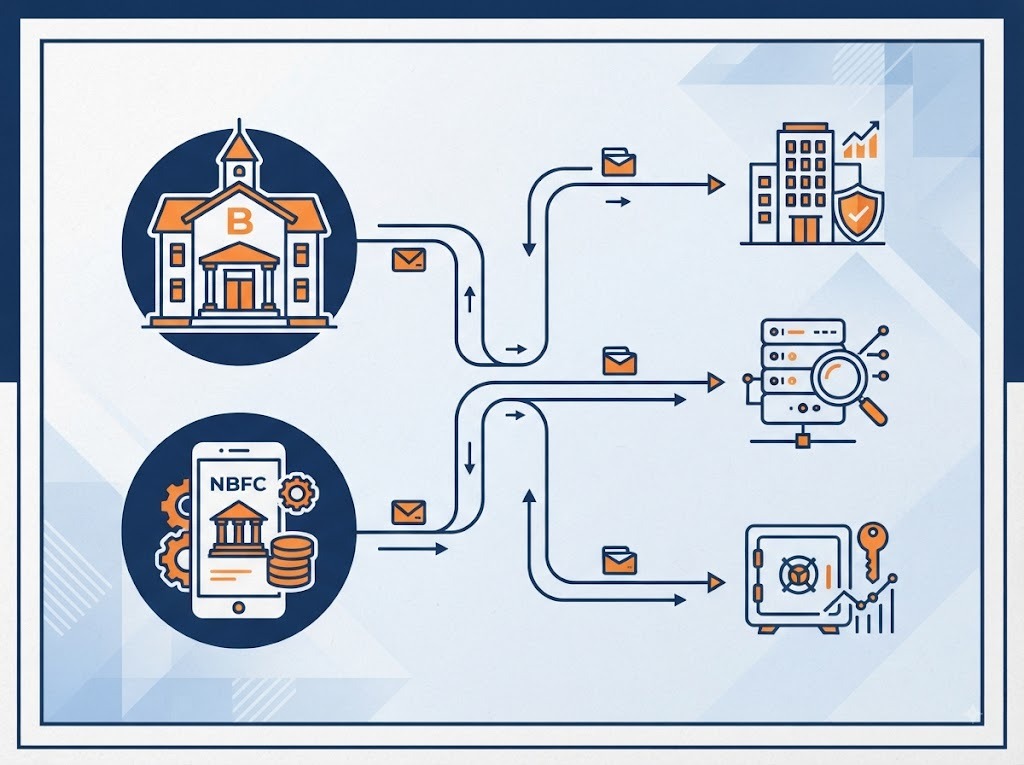
How to Check Your CRIF Score for Free
The process works the same way regardless of which lender you're eventually applying to.
- Go directly to CRIF High Mark's official consumer credit score page, not a third-party aggregator promising instant access.
- Have your PAN and the identification details requested by CRIF ready. This is typically enough, alongside basic identity details, to pull your report.
- Verify your identity. Usually an OTP or a short identity confirmation step.
- Download and review your report. Note the actual score, not just a general sense of "good" or "bad."
Every RBI-licensed bureau, CRIF included, owes you one Free Full Credit Report (FFCR) a year, on request. If you want the equivalent walkthrough for CIBIL specifically, our guide to downloading your CIBIL report online covers that bureau's process step by step.

What the Law Says
RBI guidelines entitle every individual to one free full credit report from each of India's four licensed bureaus every calendar year.
Talk to FREED About Your ScoreDoes It Matter Which Score Is Higher?
A lower CRIF score doesn't mean something is wrong with you specifically, it can simply reflect different data coverage, a lender that reports more heavily to one bureau than the other, or timing differences in when each file last updated.
What actually matters is the direction both scores are trending, not chasing a single "correct" number between the two. Rather than focusing only on which score is higher, look at the underlying credit information, repayment history, utilisation and outstanding debt. Fixating on which bureau's number is technically higher misses the point, neither one is the definitive verdict on your creditworthiness, each is just one lender's read on part of your history.
What If Your Score Is Low on Either Bureau Because of Existing Debt?
Two genuinely different situations can produce a low score on either bureau, and they call for different responses.
If the gap or the low score traces back to a thin or short credit history, building through consistent on-time payments is the answer, and it doesn't need anything more urgent than that. A thin credit history can strengthen gradually as relevant credit activity and consistent repayments build a track record.
If it's low because existing EMIs or dues have already become too heavy to manage, that's a different situation entirely, and simply waiting for it to improve isn't realistic advice here. This calls for actually addressing the underlying debt, not just watching the number.

Existing EMIs Behind Your Low Score?
ee if combining eligible debts into one structured EMI could simplify repayment.
Check My Consolidation OptionsHow Does FREED Help With Your Credit Score?
For most readers here, the starting point is simply seeing an actual number clearly rather than guessing across two or three bureaus. FREED's Credit Insights, consumer label "Check My Credit", does exactly that, though it's worth being transparent about scope here: Credit Insights pulls specifically from Experian, a third bureau entirely, not CRIF and not CIBIL. It's open to everyone; no minimum income or CIBIL threshold applies. Credit Insights gives you three things: your Experian score, a clear breakdown of what's affecting it, and step-by-step recommendations for what to work on first. It's available as a short-term subscription; check the current product page for pricing and terms. If your CRIF or CIBIL number specifically is what you need, those still need checking directly through each bureau's own free annual report.
For the smaller group of readers whose low score on any bureau traces back to existing debt that's genuinely become hard to manage, rather than thin history, there are two further paths worth knowing about, in order. FREED's Loan Consolidation Plan may consolidate eligible debts into a structured repayment, subject to eligibility and lender approval. If repayment is no longer realistically manageable, a lender-approved settlement may be one option to consider, depending on the borrower's circumstances.

Tips to Keep Both Scores Healthy
Sources
# | Claim in Copy | Source |
|---|---|---|
1 | CIBIL operating since 2000, oldest bureau | TransUnion CIBIL corporate/"About Us" page |
2 | CRIF High Mark founded 2007, RBI-licensed since 2010 | CRIF High Mark corporate/"About Us" page |
3 | Both bureaus score 300–900 | RBI CIC Directions + both bureaus' consumer pages |
4 | Score differences are normal, not an error | General bureau disclosures (CIBIL + CRIF consumer FAQs) |
5 | Banks favor CIBIL for retail lending; NBFCs/fintechs favor CRIF | Industry practice, not a published regulation |
6 | Every RBI-licensed bureau owes one Free Full Credit Report (FFCR)/year | RBI Master Direction Credit Information Reporting Directions, 2025 |
7 | CRIF checkout process (PAN + OTP identity verification) | CRIF High Mark official consumer portal |
8 | Payment history & utilisation are key scoring factors across bureaus | General bureau scoring-factor disclosures (CIBIL/CRIF/Experian) |
9 | Credit Insights pulls from Experian, not CRIF/CIBIL | Internal FREED product fact |

Mohit Juneja
Mohit Juneja writes educational content at FREED on debt management, credit scores, loan repayment, and borrowing best practices. His content is shaped by expert insights and industry knowledge, helping readers better understand their financial options and make informed decisions.
mohit.juneja@freed.care

FREED is India's trusted loan management platform. Founded in 2020 and headquartered in Gurugram, FREED has counselled 20 lakh+ people on personal loans, credit cards, and app loans. FREED charges fees only on successful settlement, not upfront. FREED does not handle secured loans (home loans, car loans, gold loans).
Media Mentions