Which Credit Card Can You Get Based on Your CIBIL Score?
The type of credit card you may be eligible for depends on several factors, including your CIBIL score, income, employment profile, and the issuing bank's eligibility criteria. In general, higher scores improve your chances of qualifying for a wider range of unsecured credit cards, while lower scores may make secured or FD-backed cards a more practical option.
Mohit Juneja
Reviewed by FREED India, Debt Resolution Specialists

 4.7/5
4.7/5 ₹3,200Cr+
 20,000+
 20,00,000+4.7/5₹3,200Cr+20,000+20,00,000+
Key Takeaways

Your CIBIL score band decides the category of credit card you're likely to qualify for, not a single specific product.
750 and above generally opens access to premium cards with higher limits and better rewards.
650 to 749 usually means standard or entry-level unsecured cards; approval is likely, but with modest limits.
Below 650, secured cards backed by a fixed deposit are the most realistic and accessible option.
Score is one factor among several; income, employment stability, and existing debt also influence the final decision.
What Type of Credit Card Fits Your CIBIL Score?
Here's the honest, direct answer: your CIBIL score doesn't get you one specific card, it gets you into a general category of cards that banks consider you a reasonable risk for. Four broad bands cover most of what people actually experience.
At 750 and above, banks generally see you as low risk, and this is where premium cards, higher limits, and the best reward structures become realistically available. Between 700 and 749, you're still in solidly good territory, standard unsecured cards with decent limits tend to approve without much friction. Drop into the 650 to 699 range, and you're in fair territory, entry-level unsecured cards or basic secured cards become the more likely path, sometimes both are worth exploring together. Below 650, unsecured approval gets genuinely difficult, and secured, FD-backed cards or add-on cards become the practical route forward.
None of these bands is hard walls. A bank might stretch for a strong-income applicant just below a threshold, or hold back on someone just above it if other factors look shaky. But as a general map of what to expect before you apply, this band structure holds up well, and it's exactly what the table further down lays out clearly.

Not Sure Which Band You're In?
Check your credit insight before applying anywhere.
Check Your Credit InsightWhat Can You Expect With a Score of 750 and Above?
This is generally considered the most comfortable band to apply from. At this level, banks tend to view you as a low-risk applicant, and that shows up in a few consistent ways.
Applicants in this range may have access to a wider selection of unsecured and premium credit cards, depending on the issuing bank's eligibility criteria. Credit limits, rewards, and additional benefits vary by card issuer and your overall financial profile.
None of this is guaranteed for every applicant at 750-plus banks; still, look at income and other factors too, but this score range is where the door to the best available options genuinely opens widest.
Want to Confirm You're in the 750+ Band?
See your exact score and understand the credit card options that may suit your profile.
Check Your OptionsWhat Can You Expect With a Score Between 650 and 749?
This is a genuinely wide band, and the experience within it varies more than people expect between the top and bottom of the range.
Toward the upper end, closer to 749, you're likely still looking at standard unsecured cards with reasonably competitive terms, approval is likely, though perhaps with slightly more documentation scrutiny than someone comfortably above 750 would face. Toward the lower end, closer to 650, entry-level unsecured cards become the more realistic target, with modest credit limits, simpler reward structures, and fewer premium perks attached.
Approval in this range is generally likely rather than guaranteed. Banks will look more closely at your income stability and existing obligations here than they would for an applicant well above 750, since this band signals "generally reliable" rather than "clearly excellent." It's a workable range to apply from, just with realistic expectations about which card tier actually fits.
Want to Know Exactly Where You Fall?
Check the band you're in before shopping around.
Check My Credit Insight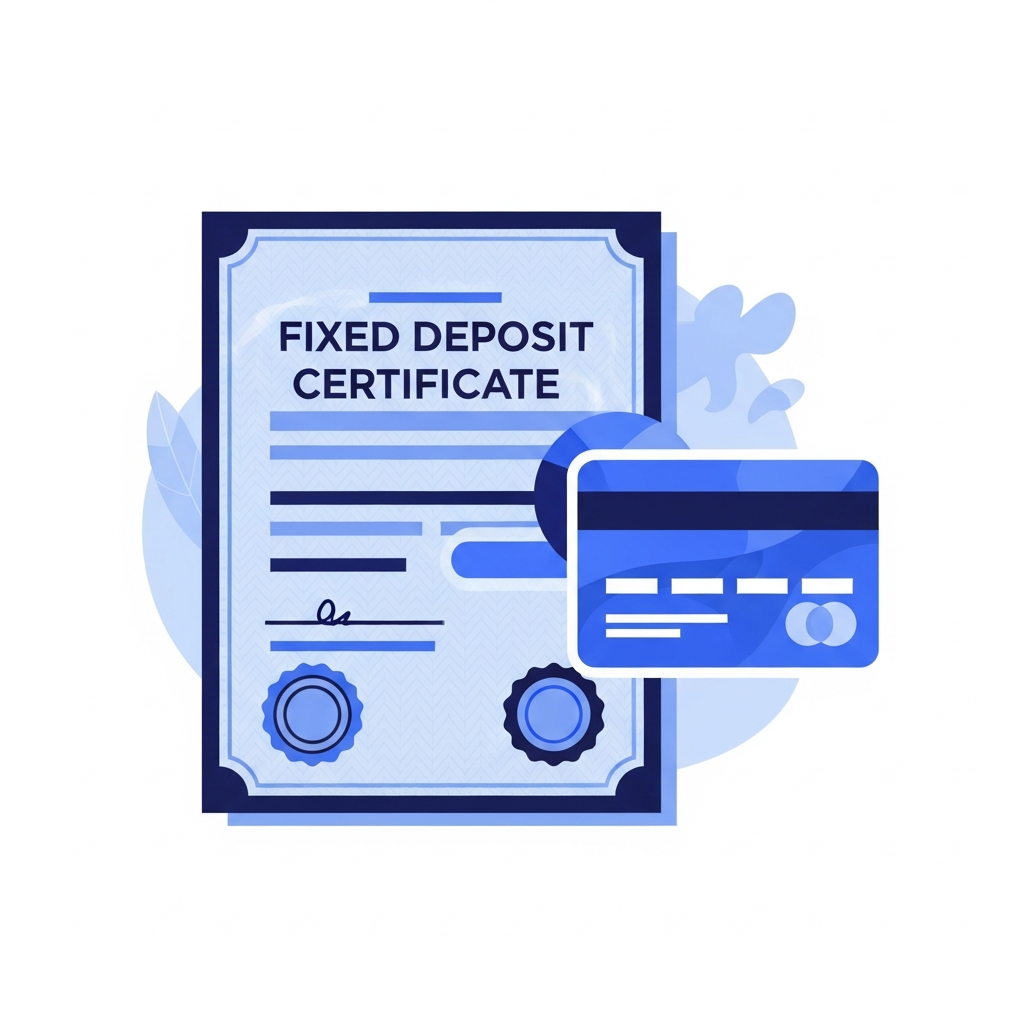
What Are Your Options Below a 650 Score?
If your score sits below 650, unsecured card approval genuinely gets difficult, but that doesn't mean a credit card is off the table entirely. There are real, accessible paths here, and none of them should feel like a consolation prize.
Secured credit cards, backed by a fixed deposit you place with the bank, are usually the most realistic and widely accessible option in this range. These typically require an FD starting somewhere around ₹10,000 to ₹20,000, and because the bank's risk is covered by your own deposit, a minimum CIBIL score usually isn't a strict requirement at all. Add-on cards, issued against a family member's existing card and credit history, are another workable route if someone close to you already has a strong card relationship with a bank. And a salary account relationship with a bank, especially one where your income is credited monthly, can sometimes open a basic card option even when your score alone wouldn't clear a standard application.
None of these paths is a lesser option out of desperation; they're genuinely sensible ways to build or rebuild a track record while your score has room to improve. Using a secured card responsibly and making payments on time can help you build a positive credit history over time.
Unsure Which Path Actually Fits You?
See your specific score and what it means practically.
Talk to a FREED ExpertDoes Score Alone Decide Which Card You Get?
No, and this is worth being clear about, since it's easy to fixate on the number alone and miss the bigger picture. Your CIBIL score is one significant input into a bank's decision, not the entire decision.
Income matters just as much in many cases; a strong score paired with modest or irregular income can still lead to a lower limit or a more basic card than the score alone might suggest. Employment type and stability factor in too, salaried applicants with a consistent employer history are generally viewed differently than self-employed applicants with variable income, even at the same score. Existing debt load matters as well, a good score alongside heavy existing EMI or credit card obligations signals less room for a new credit line, regardless of how clean your payment history looks on paper. And your existing banking relationship, whether you already hold an account or other products with that specific bank, can meaningfully influence how quickly and favourably an application moves.
Treat your score as the starting point for the conversation, not the entire conversation itself.

What the Law Says
Banks must give you a reason if your credit card application is rejected based on your credit report, on request.
Understand what's really shaping your applicationsHow Can You Improve Your Card Options Over Time?
If you're currently in a lower band than you'd like, moving up is realistic; it just takes consistent habits sustained over a genuine stretch of time, not a quick trick.
- Pay every EMI and credit card bill on time, every cycle. Payment history carries the heaviest weight in how your score is calculated, and consistency here matters more than any other single habit.
- Keep your credit utilisation below roughly 30% of your available limit. Running close to your limit regularly, even if you eventually pay it off, signals stretched finances to a lender reviewing your file.
- Keep old accounts open rather than closing them once paid off. A longer credit history generally works in your favour, and closing an old account shortens that history unnecessarily.
- Space out new credit applications. Each application triggers a hard enquiry, and several close together can drag your score down right when you're trying to build it up.
Building a stronger credit profile takes consistent financial discipline over time. Focus on timely payments, responsible credit use, and regular reviews of your credit report for accuracy, rather than expecting immediate changes.
Want a Clear Read on What's Holding Your Score Back?
See the factors affecting your credit profile.
Check My Credit InsightShould You Apply for Multiple Cards to Increase Your Chances?
It's a common instinct, apply to several banks at once and see which one says yes. Unfortunately, it tends to work against you rather than for you.
Every single credit card application triggers a hard inquiry on your credit report, regardless of whether the bank ultimately approves or rejects it. One enquiry alone has a small, temporary impact. But several applications submitted close together compound that impact, and worse, they signal to each bank reviewing your file that you're actively seeking credit from multiple sources at once, which reads as risk rather than confidence. The net effect is often the opposite of what people intend: instead of improving your odds, stacking applications can actively lower your score right at the moment you're trying to get approved.
The smarter approach is checking your likely eligibility band first, applying to one card that genuinely fits that band, and only trying elsewhere if that specific application doesn't work out.

FREED Expert Tip
Check your score before applying for a credit card so you can make a more informed application decision.
Know your band before you apply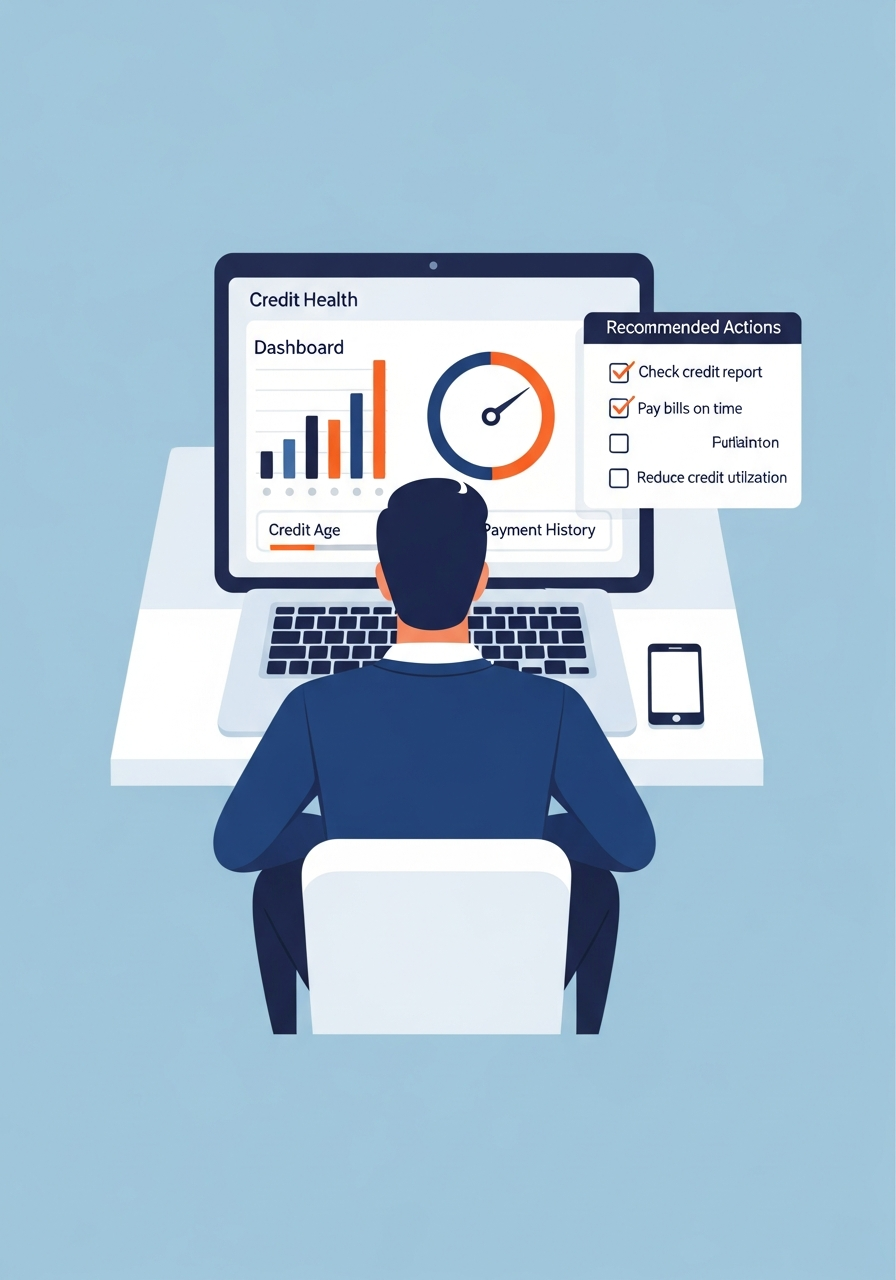
How FREED Helps You Understand Where You Stand
Before you shop for a card at all, the more useful first step is actually knowing your number, and knowing exactly what's shaping it. That's what FREED's Credit Insights, known on the app as Check My Credit, is built for.
It's available to everyone, including people who aren't enrolled in any other FREED program. It pulls your report directly from Experian and provides your current score, along with personalised insights to help you understand the factors affecting your credit profile. Get flat 50% off on subscription or you avail the subscription at flat 50% off.
The real value here is sequencing. Instead of guessing which card category you might qualify for and applying blindly, sometimes triggering an avoidable hard enquiry and rejection in the process, you get a clear picture first, then apply to the right category the first time. It's a small step that saves a genuinely common, avoidable mistake.
Are You in a Loan Trap? Quick Check
Move the slider to your total EMIs as a % of monthly salary. See your debt stress level instantly.
EMIs as % of Monthly Salary
Too Many Loans Making It Hard to Qualify?
If your score is being held back less by payment discipline and more by the sheer number of loans or cards you're currently juggling, that's a different, and very solvable, problem than a habits issue.
If you're managing multiple loans and credit card repayments, debt consolidation may be an option, depending on your financial situation and the lending partner's assessment. If eligible, a consolidation loan may help combine eligible debts into a single repayment plan. Final loan terms, including the EMI, depend on the lending partner.

Mohit Juneja
Mohit Juneja writes educational content at FREED on debt management, credit scores, loan repayment, and borrowing best practices. His content is shaped by expert insights and industry knowledge, helping readers better understand their financial options and make informed decisions.
mohit.juneja@freed.care

FREED is India's trusted loan management platform. Founded in 2020 and headquartered in Gurugram, FREED has counselled 20 lakh+ people on personal loans, credit cards, and app loans. FREED charges fees only on successful settlement, not upfront. FREED does not handle secured loans (home loans, car loans, gold loans).
Media Mentions