How to Combine Loans to Make Payment Easier
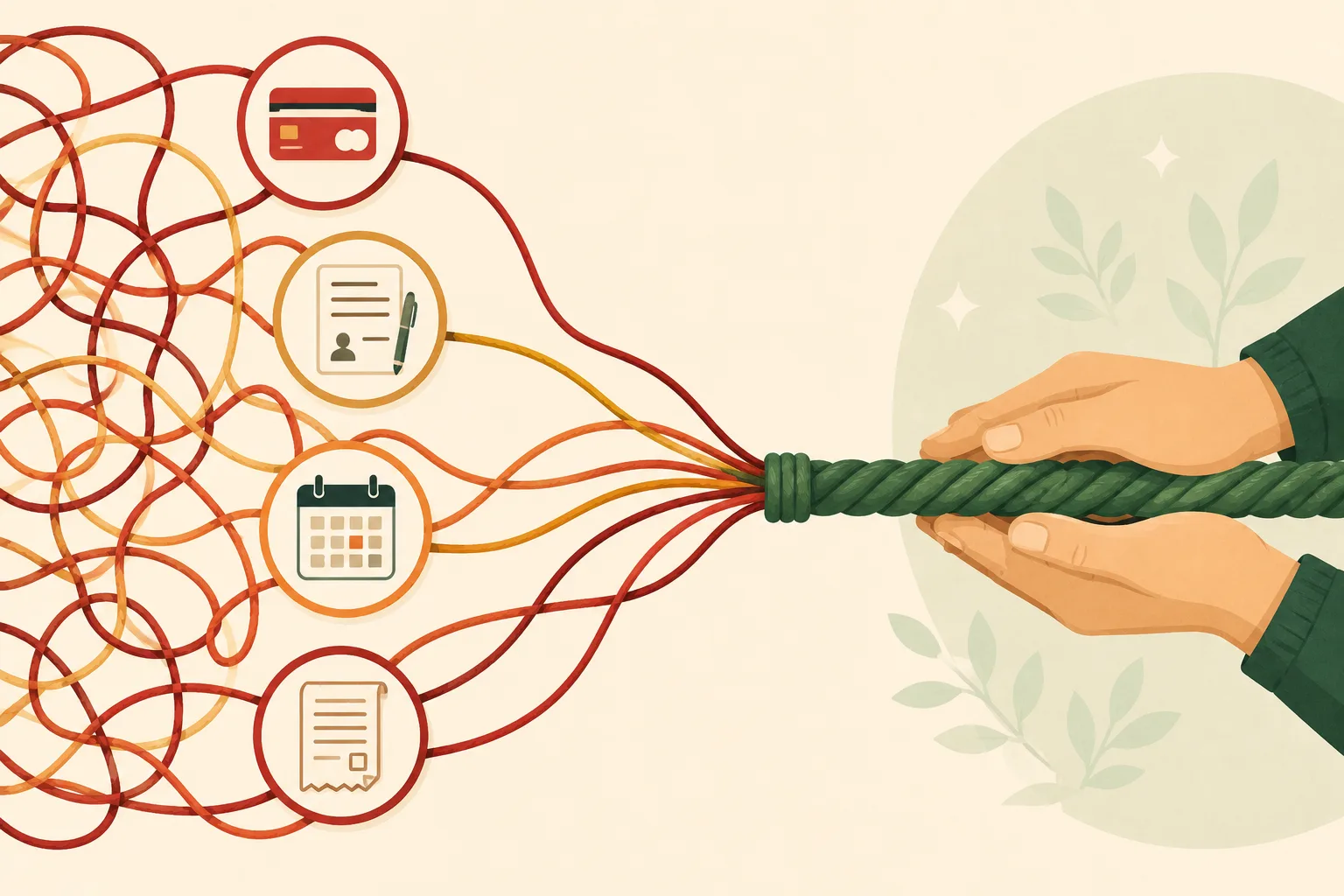
In this blog, combining loans means consolidating multiple eligible debts into a single loan with one monthly payment. The "easier" part isn't automatic, it depends on how you set up the new payment. This guide focuses on that setup, not the consolidation process itself.

Mohit Juneja
Reviewed by Shweta, FREED India's Debt Resolution Specialists
 4.7/5
4.7/5 ₹3,200Cr+
 20,000+
 20,00,000+4.7/5₹3,200Cr+20,000+20,00,000+
Key Summary

The real source of "hard to manage" isn't usually the total amount owed, it's tracking several due dates, portals, and auto-debit mandates at once.
Combining loans removes that tracking burden only if the new single payment is set up deliberately, the right due date, a reliable mandate, one place to check status.
Total interest paid doesn't automatically drop just because payment gets easier, those are two separate things worth evaluating separately.
A single payment is still worth a monthly check-in, "easier to manage" doesn't mean "safe to ignore."
What "Easier" Actually Means Here?
Take a borrower with three separate EMIs each month, a personal loan EMI of ₹9,500 due on the 5th, a credit card minimum due of ₹4,200 due on the 12th, and a BNPL instalment of ₹1,800 due on the 20th. Three different apps, three different due dates, three different chances to miss one.
"Easier" here specifically means fewer moving parts, not necessarily less money owed or lower total interest, those are genuinely separate questions worth keeping apart. What actually gets easier, when done right, is three specific things: one due date instead of three, one auto-debit mandate instead of three, and one place to check status instead of three.
None of this happens automatically just by consolidating the underlying debts. It happens by deliberately setting up the new single payment well, which is exactly what this guide focuses on, not the transaction itself.

Expert Tip
Before combining anything, write down your current due dates the way our example did. Seeing them side by side is often what makes the real problem, tracking, not amount, obvious.
Talk to FREEDWhy Multiple Loan Payments Are Genuinely Hard to Manage?
Three different due dates means three separate chances each month to forget one, especially when they don't align with when your salary actually lands. In the worked example, the 20th BNPL instalment might land in a genuinely tight week even if the 5th and 12th payments went through without a hitch.
Three different apps or net banking logins also means checking status is itself its own piece of work, not just the act of paying. Multiple auto-debit arrangements create more things to monitor, and a change to a linked card or account can sometimes cause a mandate to fail and a payment to be missed.
This is specifically what combines into one payment fix, when it's done right.
Expert Tip
If you've ever missed a payment despite having the money available, the issue may be payment tracking rather than affordability, but repeated missed payments can still create financial and credit consequences.
Check My Credit ScoreHow Combining Loans Actually Simplifies Payment
The three EMIs in the example, ₹9,500 plus ₹4,200 plus ₹1,800, ₹15,500 total, become one new loan with one EMI, potentially lower or higher than ₹15,500 depending on the new rate and tenure, but critically, now sitting on one single date rather than three.
One repayment mandate, where supported by the lender, can replace several separate payment arrangements. One lender relationship, one net banking login or app, one place to check status instead of juggling three logins. One reminder needed instead of three, which meaningfully lowers the mental load even before you factor in the money itself.
Getting these benefits, though, depends entirely on how the new payment actually gets set up, which is the part most guides on this topic skip entirely. What loan consolidation involves as a transaction is worth reading first if you haven't started that part yet, this piece picks up from there.
Setting Up Your New Single Payment for Maximum Ease
This is the genuinely new part, the setup choices that determine whether "easier" actually happens.
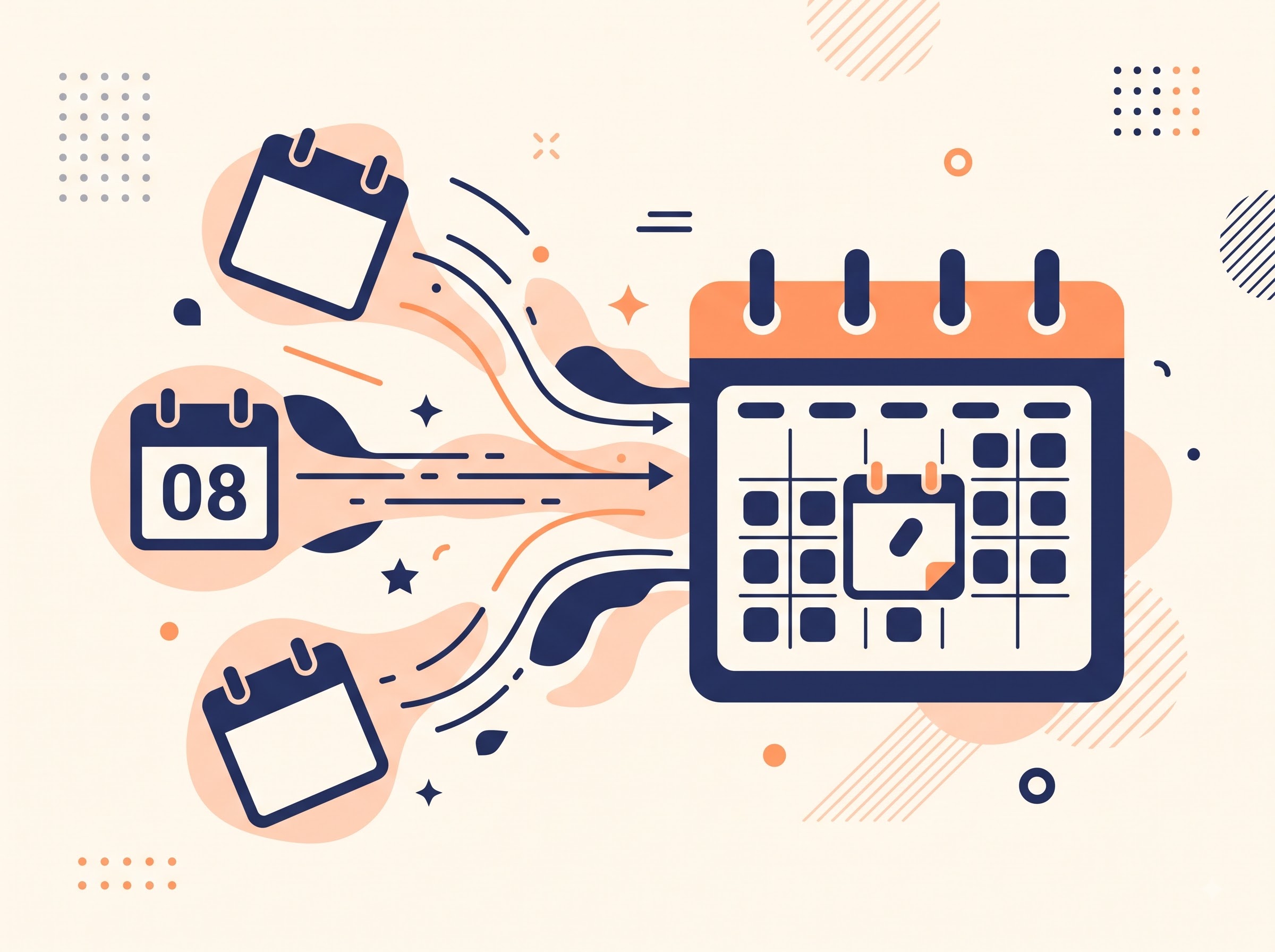
Choose the due date deliberately. Pick a date shortly after your salary or income typically lands, not before it. Where the lender allows a choice, consider a due date that gives you enough time after your usual income date to keep sufficient funds available.
Set up auto-debit from day one. Don't rely on manual payment for the new loan just because it feels simpler than tracking three, one manual payment is still one thing to forget.
Turn on payment confirmation alerts. If your lender offers payment notifications, enable alerts for successful and failed debits.
Pick one place to check status and bookmark it. Whether that's an app or net banking, and actually use it monthly rather than assuming silence means success.
Update your budget to reflect one line item instead of three. This sounds trivial but is often the step people skip, still mentally tracking three separate amounts out of old habit quietly undoes some of the simplification you just gained.

Want Help Setting This Up Right?
See if FREED's Debt Consolidation Program fits.
Get a Free AssessmentWhat Doesn't Get Easier (Being Honest About the Limits)
Before choosing consolidation, compare the new EMI, interest rate, applicable fees, tenure and total repayment with your existing debt. In the worked example, a new loan at a lower monthly EMI but a longer tenure could actually mean paying more total interest over time, that's a separate calculation entirely from "easier to manage."
Combining loans also doesn't fix the spending pattern that led to three separate debts in the first place. If new balances build up again on freed-up credit, the ease you gained gets undone fairly quickly. This guide focuses on combining unsecured debts. Home loans and car loans are secured facilities and are generally handled through options such as balance transfer or refinancing. A single payment still needs to be monitored because a failed mandate can result in a missed payment.
Signs You'd Genuinely Benefit From This
A few signs suggest that managing your repayments through one payment could make things easier.
You've paid a late fee in the past year specifically because you forgot a due date, not because you lacked the funds to pay.
You check more than one app or portal regularly just to keep track of what's due and when.
Your due dates are scattered across the month rather than clustered near your income date.
You've had a mandate fail silently and only noticed once a late fee showed up afterward.
You genuinely couldn't list all your current EMI due dates from memory just now, without checking.
Recognise Yourself in That List?
See if one combined payment fits your situation.
Check My Consolidation OptionsHow FREED Helps Make This Easier to Set Up?
FREED's Debt Consolidation Program, "Reduce My EMI," doesn't just combine the underlying debts, it coordinates the practical setup this piece describes throughout. FREED helps coordinate the transition by matching eligible borrowers with a partner lender and helping them move from multiple repayments to a single loan payment.
This covers unsecured debt only. No specific rate, due date, or lending partner can be guaranteed, actual terms depend entirely on your own profile and the lender you're matched to.
Tips for Staying on Top of Your One Payment
Check your single account monthly even after everything's running smoothly. Silence isn't the same thing as confirmation.
Keep the closure documents from your old three loans somewhere findable, not just the new loan's paperwork filed away.
Resist the pull to add a new small loan or card "since I only have one payment now." That undoes exactly what you just simplified.
If your income date changes, a new job, a shift in income timing, revisit whether your due date still makes sense.
Treat the ease you've gained as something to protect, not something to stop thinking about entirely.
Expert Tip
Set one recurring monthly calendar reminder, a few days after your due date, just to glance at your account. That single habit protects everything else in this guide.
Start My Free Assessment
Mohit Juneja
Mohit Juneja writes educational content at FREED on debt management, credit scores, loan repayment, and borrowing best practices. His content is shaped by expert insights and industry knowledge, helping readers better understand their financial options and make informed decisions.
mohit.juneja@freed.care

FREED is India's trusted loan management platform. Founded in 2020 and headquartered in Gurugram, FREED has counselled 20 lakh+ people on personal loans, credit cards, and app loans. FREED charges fees only on successful settlement, not upfront. FREED does not handle secured loans (home loans, car loans, gold loans).
Media Mentions