Balance Transfer Credit Card: Is It a Good Idea? Explained in Plain Language
Is a balance transfer credit card a good idea? It depends on you, not the offer. A balance transfer can save money if the promotional rate, fees and repayment timeline work in your favour and you can repay the transferred balance within the promotional period. It can cost more than doing nothing if you can't, once the fee and the reverted rate are factored in. The honest answer is "it depends," and here's exactly what it depends on.

Mohit Juneja
Reviewed by FREED India, Debt Resolution Specialists
 4.7/5
4.7/5 ₹3,200Cr+
 20,000+
 20,00,000+4.7/5₹3,200Cr+20,000+20,00,000+
KEY TAKEAWAYS

A balance transfer is a good idea if you can realistically clear the transferred balance before the promotional rate ends, and the processing fee doesn't outweigh what you'd save.
It's generally not a good idea if you're likely to keep spending on the old card, can't clear the balance in time, or the fee eats most of the savings.
The math, fee versus interest saved, decides this more reliably than gut feeling, run the numbers before applying.
For the full breakdown of specific pros, cons, and fee mechanics, see FREED's dedicated guide to credit card balance transfers.
If your debt spans more than one card or loan, a single balance transfer only solves part of the picture, worth knowing before deciding.
Balance Transfer Credit Card: Is It a Good Idea? The Short Answer
It depends on your specific repayment ability, not on how good the offer looks on paper. That's the honest, if unsatisfying, short answer.
It's a genuine cost-saving move in the right situation. Credit card borrowing can carry significantly higher interest than promotional balance-transfer offers. Compare the annualised cost, promotional period, processing fee and post-promotional rate rather than comparing the headline rates alone.
It can backfire just as easily. If the balance isn't cleared in time, or the processing fee, typically 1 to 3% of the amount, or a flat fee, outweighs the savings, you can end up worse off than if you'd done nothing at all.
This piece stays focused on the decision itself, whether it's right for you specifically. For the full breakdown of pros, cons, and fee mechanics, FREED's dedicated guide covers that in depth. "It depends" isn't a satisfying answer on its own, here's what it actually depends on.
Why This Question Doesn't Have a Simple Yes/No
Everyone wants a clean answer, and this one genuinely doesn't have one. Two people looking at the exact same offer can end up with very different outcomes, and the offer itself isn't what decides it.
The terms are identical for everyone who applies, same rate, same window, same fee. What actually determines the outcome is your own ability to clear the balance in time, something the offer has nothing to do with.
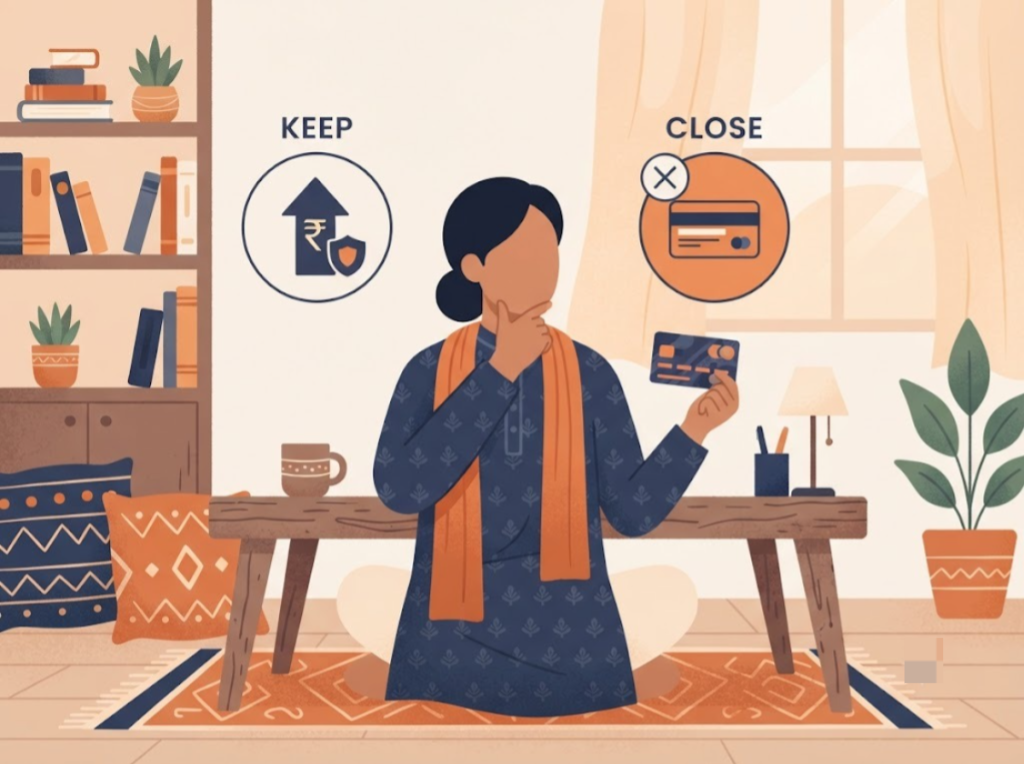
"Good idea" and "good offer" aren't the same thing either. A genuinely great rate is still a bad idea for someone who won't clear the balance before it reverts, the offer being good doesn't make the decision good for every person who takes it. Here are the two lists that actually answer this.

What the Law Says
RBI requires credit-card issuers to provide and highlight their Most Important Terms and Conditions (MITCs), including applicable fees, charges and other key card terms. Check the issuer's current MITC and balance-transfer terms before accepting an offer.
Read the Most Important Terms and ConditionsWhen a Balance Transfer Is a Good Idea
You can realistically pay off the full transferred balance before the promotional window ends. Not "probably," genuinely confident, based on your actual monthly budget.
The interest saved clearly outweighs the processing fee. Run the numbers, don't estimate, a rough guess is how people miss a fee eating most of their savings.
You're disciplined about not spending on the old card once it's cleared. A cleared card with an open limit is easy to start using again, and that undoes the whole point.
You have a credit profile that qualifies for a genuinely good offer, not just any offer, worth checking clearly through your EMI score before assuming you'll get the best available rate.
Here's the opposite list, just as important
When a Balance Transfer Is NOT a Good Idea
You're not confident you can clear the balance before the promotional rate ends. The reverted rate can end up higher than what you started with, this is the single biggest risk in the whole decision.
The balance is small enough that the processing fee eats most or all of the interest savings. A transfer that barely breaks even isn't worth the effort or the fee.
You tend to reuse a card's freed-up limit. This turns one balance into two, the old card creeping back up while the new one still carries the transferred amount.
Your debt spans more than just this one card. A transfer alone won't address the rest, and treating it as a full solution can leave the bigger picture unaddressed.
Here's a fast way to check which list actually describes you.
How to Decide in 5 Minutes
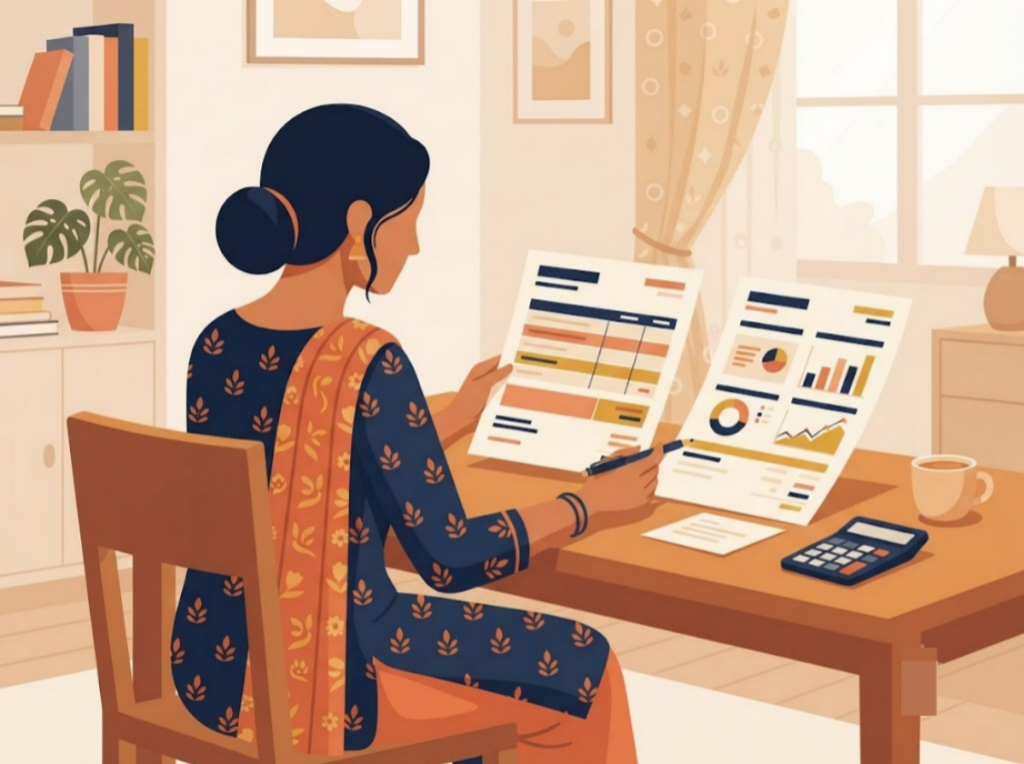
This takes about five minutes with a calculator and the offer's exact terms in hand, not a long research project.
Step 1: Calculate what you'd save
Work out the interest difference between your current rate and the offer's rate over the promotional window. This is the number the offer is actually promising you.
Step 2: Calculate the fee cost
Note the exact processing fee, percentage or flat amount, on the sum you'd transfer. Don't round this, the exact figure matters at the margins.

Step 3: Compare the two numbers
Subtract the fee from the interest saved. A genuinely good idea should show a clear net positive, not a number so close it could go either way.
Step 4: Be honest about your repayment timeline
If you're not confident you can clear the balance within the promotional window, weigh that risk against the savings before deciding, not after.
If the numbers are close, or the timeline feels uncertain, that uncertainty itself is useful information. A genuinely good idea shouldn't require optimistic assumptions to work out.

Freed Expert Tip
A genuinely good balance transfer decision shouldn't require optimistic assumptions to work out. If you need to talk yourself into the timeline, that's useful information.
Check your optionsWhat Are Your Options
If the "good idea" list genuinely fits your situation, go ahead with a balance transfer for this one card. FREED's dedicated guide covers the full process, application methods, and documentation in detail if you want to move forward with it.
If you have several debts, compare a broader consolidation option with your existing repayment costs, including interest, fees and the proposed tenure, before deciding whether it is suitable.
Both are legitimate paths, and the two checklists above are really what should decide which one fits you, not which sounds more appealing on its own.
How FREED Helps
If a single balance transfer doesn't clearly fit your situation, more debt than just one card, or an uncertain repayment timeline, FREED reviews the full picture instead of leaving you to gamble on a promotional window you're not sure you'll meet.
FREED says it works with a network of lending partners and may match eligible customers with a suitable lending partner based on their financial profile and applicable eligibility criteria. The matched loan pays off your eligible existing debts in one move.
The result is one loan, one EMI, with a rate and tenure genuinely assessed for fit, not a promotional rate you're hoping you'll beat the clock on. FREED charges a success-based fee, only when the consolidation is actually completed.
Debt consolidation does not guarantee a particular change in your CIBIL Score. A new loan application may result in a lender enquiry, while the longer-term effect can depend on factors such as payment history, credit utilisation, account history and how the new and existing accounts are reported.
FREED has counselled over 20,00,000 customers and managed more than ₹3,200 Cr in debt to date. Through the Loan Consolidation Plan, EMIs can be reduced by up to 50%, with interest rates starting from 11.99%.
Rates and savings figures shown are indicative and based on FREED's published terms. Final terms are decided by the lending partner. FREED is not a loan provider. No outcome is guaranteed. Please verify directly with your lender.

Skip the Five-Minute Math
Get matched to a lender evaluated for your actual situation.
Check My Consolidation OptionsTips If You're Still Unsure
If you're genuinely torn between the two lists, that uncertainty is itself useful. A clear "good idea" shouldn't need convincing, if you're working hard to talk yourself into it, that's worth listening to.
Don't let a promotional deadline pressure a fast decision. A rushed comparison is exactly how the fee-versus-savings math gets skipped, and that math is the whole point of this decision.
If more than one debt is involved, widen the question. Move from "should I transfer this card" to "what's the best way to handle all of it," since a single transfer was never going to answer the bigger question anyway.

Mohit Juneja
Mohit Juneja writes educational content at FREED on debt management, credit scores, loan repayment, and borrowing best practices. His content is shaped by expert insights and industry knowledge, helping readers better understand their financial options and make informed decisions.
mohit.juneja@freed.care

FREED is India's trusted loan management platform. Founded in 2020 and headquartered in Gurugram, FREED has counselled 20 lakh+ people on personal loans, credit cards, and app loans. FREED charges fees only on successful settlement, not upfront. FREED does not handle secured loans (home loans, car loans, gold loans).
Media Mentions