Consolidate Your Credit Card Debt: A Practical Guide for Borrowers
Credit card debt consolidation means combining balances from multiple cards into one loan or account, often with the aim of simplifying repayments or securing a lower borrowing cost. The available rates and terms vary by lender and borrower. You end up with one EMI and one due date instead of several. This guide walks through the methods available, the steps to actually do it, and how to stay debt-free once it's done.
Mohit Juneja
Reviewed by FREED India, Debt Resolution Specialists
 4.7/5
4.7/5 ₹3,200Cr+
 20,000+
 20,00,000+4.7/5₹3,200Cr+20,000+20,00,000+
KEY TAKEAWAYS

Consolidating credit card debt means combining multiple card balances into one loan or account, usually at a lower rate than the 30-40% annual interest most cards charge.
The main methods available in India are a balance transfer, a personal loan taken specifically for consolidation, or a top-up loan on an existing loan.
The process typically takes a few working days once you've listed your debts and compared offers, longer if income or documentation checks take time.
Consolidating lowers your EMI and can improve your CIBIL score over time. It does not damage it, unlike settlement.
Since October 2024, RBI requires a Key Facts Statement before you sign any new loan, so you can see the true cost before committing to any method.
What Does It Mean to Consolidate Credit Card Debt?
Instead of three cards with three different rates and three separate due dates, one new loan or card replaces all three balances. That's the entire mechanic behind consolidation, and it's simpler than most explanations make it sound.
The consolidating loan or card pays off your existing balances, either directly or through funds you use yourself to close each one. With a loan-based consolidation, you generally replace multiple card balances with one new credit facility, subject to the terms of the new lender. This matters because standard Indian credit card interest runs 30 to 40% annually, among the highest rates most people ever carry on any kind of debt, and that gap is exactly what consolidation is designed to close.
Before deciding whether this applies to you, it helps to see the full picture of what you're actually carrying, checking every active loan currently sitting against your name often reveals a bigger number than people expect once every card and account is actually laid out together. Consolidating isn't really the first step in this process, though. Understanding why the debt became hard to manage in the first place is.

Curious how much you're actually paying across your cards?
Check your current EMI burden.
Check My EMI ScoreWhy Credit Card Debt Is Hard to Pay Off on Your Own
Signs You're Ready to Consolidate
Not everyone carrying card debt needs to consolidate right away, and this guide is specifically for people who haven't fallen behind yet. A few factors can help you assess whether consolidation is worth considering.
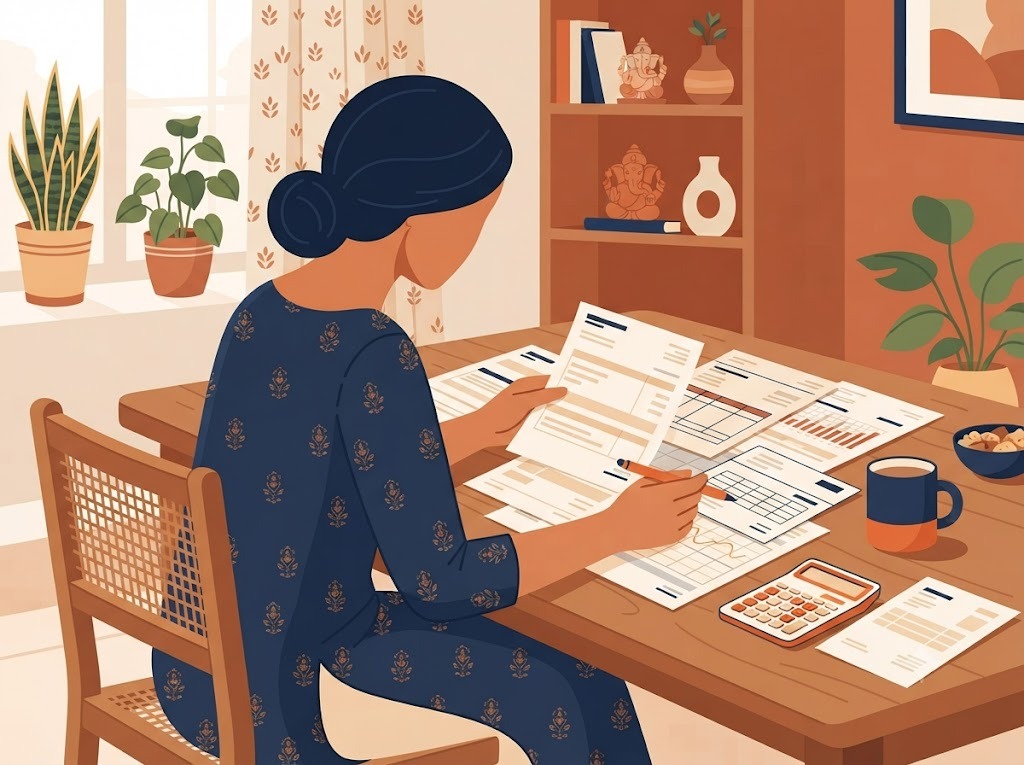
You're carrying a balance on two or more cards month to month, rather than paying each one off in full before the next statement arrives.
Your combined card interest is clearly higher than what a consolidation loan could offer. FREED's EMI Score tool gives you a quick, honest read on your actual burden relative to your income before you commit to any specific method.
You have a credit profile strong enough to qualify for a genuinely better rate, since consolidation only helps if the new rate is meaningfully lower than what you're currently paying.
You're current on payments, not behind. This guide is preventative by design, not a rescue plan for an account that's already in default.
You're ready to stop using the cards you consolidate. Without that commitment, the balance has a real tendency to creep back up on the exact cards you just cleared.
Once these genuinely apply to you, here's exactly how the process works, step by step.

What the Law Says
Under RBI's Key Facts Statement framework, regulated entities must provide a standardised KFS for applicable retail and MSME term-loan products. It sets out key loan terms and the all-in cost, helping prospective borrowers assess the borrowing cost before accepting the loan.
Talk to FREED's TeamHow to Consolidate Your Credit Card Debt: Step by Step
The whole process, from listing your debts to having the new loan or card actually active, typically takes anywhere from a few working days to about two weeks, depending on which method you choose and how quickly your documentation comes together.
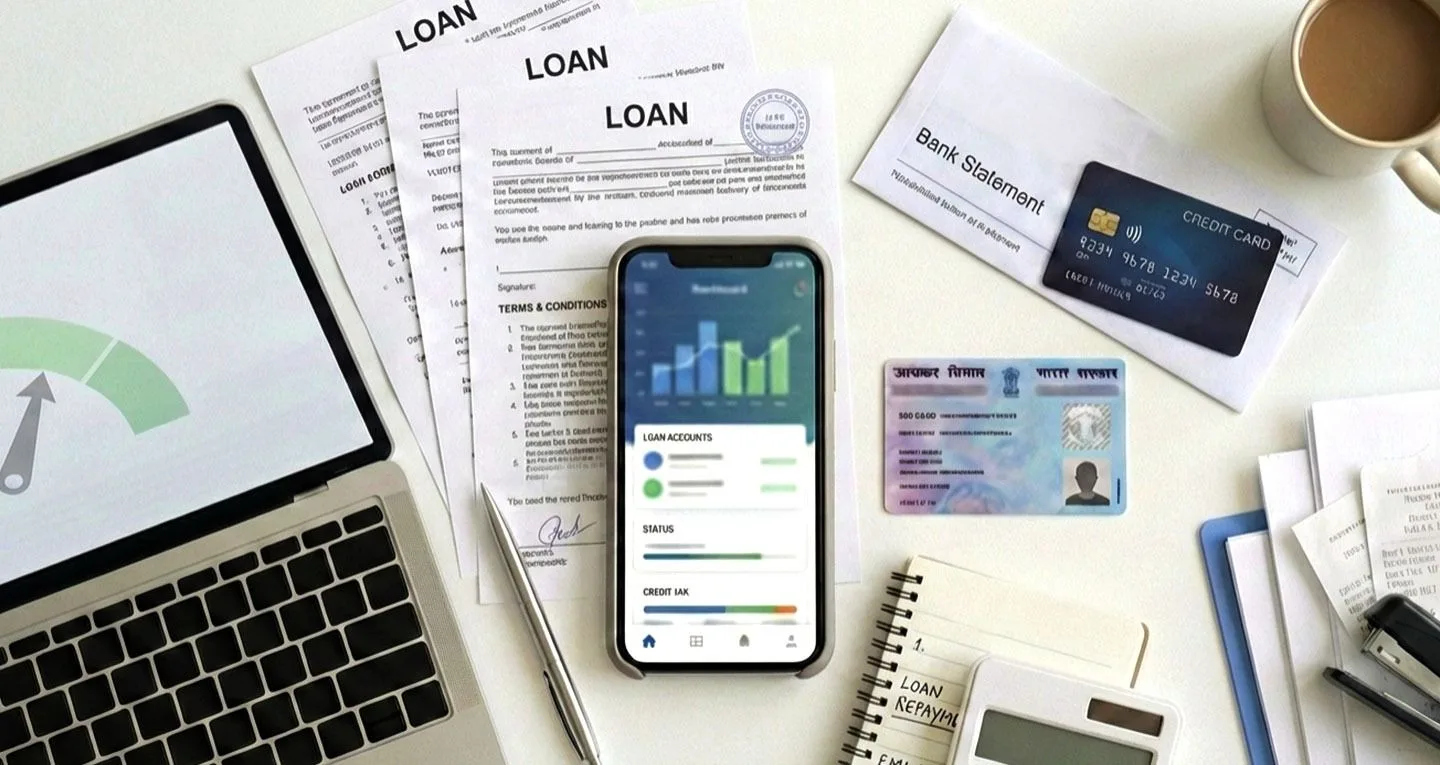
List every card and balance. Note the outstanding amount, interest rate, and minimum due for each card you're planning to consolidate, all in one place.
Check your credit profile. A stronger score generally qualifies you for a better consolidated rate, review it before applying anywhere rather than after getting an offer.
Compare methods and lenders. Weigh a balance transfer, a personal loan, or a top-up loan against each other, and compare offers within whichever method you settle on.
Apply and share documents. Submit income proof, existing card statements, and standard KYC documents with your chosen lender or card issuer.
Review the Key Facts Statement before signing. Check the true APR (annual percentage rate, the real yearly cost including fees) and all charges, not just the advertised headline rate.
Consolidate and close out old balances. Once the new loan or card is active, use it to clear the existing balances, and confirm each old account actually shows zero afterward.
Approval and the final rate depend on the lender's own credit assessment at every method here, none of the three guarantee the advertised best rate to every applicant regardless of profile.
The Different Ways to Consolidate Credit Card Debt
Three genuine methods exist for consolidating credit card debt in India, and it's worth knowing exactly how each one actually works before picking one.
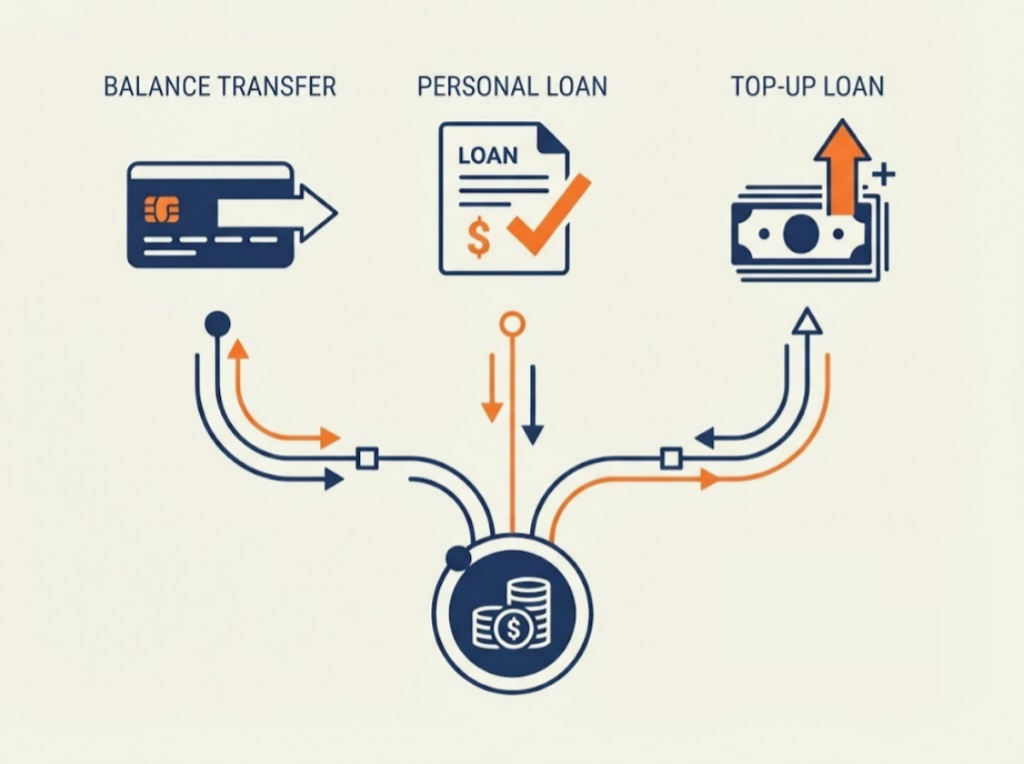
Balance transfer. Moving eligible balances to another card that offers a lower or promotional balance-transfer rate, where available. This works only within credit cards, and typically comes with a processing fee of 1 to 3% of the amount transferred.
A personal loan taken specifically for consolidation. This can pay off multiple cards, and other unsecured debts too, in one go, sized to match what you actually owe. Rates at leading banks start around 9.99 to 11% for well-qualified borrowers, a substantial gap below standard card rates. How debt consolidation actually improves your broader financial management is worth reading if you want the fuller picture of this specific method.
A top-up loan on an existing loan. If you already have a running loan with a solid repayment history, some lenders allow you to borrow more against it specifically to pay off card debt, generally priced close to that existing loan's own rate, subject to the lender's own policy.
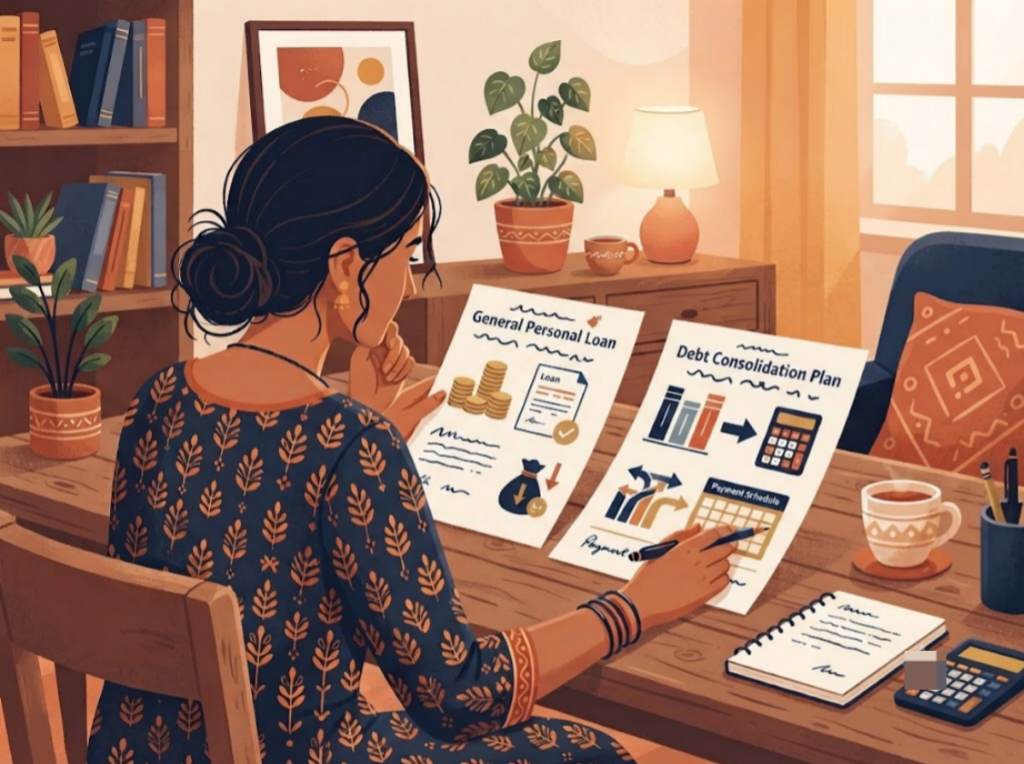
Worth being clear about what's deliberately left off this list: home equity loans and loans against property aren't included here, that's secured debt, and it sits outside both this guide's scope and what FREED itself addresses. Each of these three methods carries its own trade-offs, and there are two broad ways to actually go about any of them, doing it yourself or getting matched to a lender.
What Are Your Options: DIY Methods vs. FREED's Debt Consolidation Program
Two broad approaches exist once you know which method fits, and neither one is objectively better, they simply suit different amounts of time and effort you want to put in yourself.
The first is researching and arranging one of the three methods above entirely on your own, comparing banks or card issuers directly, reading through terms, and applying for whichever offer looks strongest. The second is using a matched approach, where the full assessment of your debt, the lender matching, and the actual payoff all happen as one connected process rather than several separate steps you manage individually.
The right choice genuinely depends on how much comparison research you want to take on yourself versus having someone else review your full picture and match you directly. How FREED specifically handles that second, matched path is worth understanding in detail.
How FREED Helps
FREED's Debt Consolidation Program, also called the Loan Consolidation Plan, or "Reduce My EMI," is built for people who can still repay their debts but need a genuinely smarter way to manage them.
FREED starts by reviewing your full debt picture, every card and any other eligible unsecured loan you're carrying, not just the specific cards a single balance-transfer offer happens to cover. Based on that full review, FREED matches you to a lending partner from its own network, using your actual EMI-to-income math rather than a generic application that doesn't account for your specific situation. The matched lending partner then disburses one new consolidated loan that pays off all your eligible existing debts, cards, personal loans, BNPL balances, instantly, rather than leaving you to close out each account manually yourself.
The result is one loan, one EMI, one due date, generally lower than the collective total you were paying across everything separately before. FREED's fee structure is success-based, charged only once consolidation actually completes, never upfront regardless of outcome.
Worth being direct here: your CIBIL score does not drop through this process, it tends to improve over time as utilisation comes down and the number of separately tracked open accounts reduces. FREED has counselled over 20,00,000 people and managed more than ₹3,200 crore in debt through this process, with EMI reductions of up to 50%* and rates starting from 11.99%* for those who qualify.
*Rates and outcomes depend on individual eligibility and the specific lending partner matched.
Tips to Stay Debt-Free After Consolidating
Consolidating is the structural fix, staying debt-free afterward is a habit, and it's the part most guides on this topic skip entirely.
Close or freeze the cards you consolidate. Keeping them open and active is the single most common reason people end up back in the same position within a year or two.
Set up autopay for the new consolidated EMI, so a missed payment doesn't quietly undo the entire point of simplifying down to one obligation.
Redirect what used to go toward multiple minimum dues into a small emergency buffer, so the next unexpected expense doesn't automatically land back on a card.
Track progress with a simple payoff tool rather than guessing. Comparing the actual payoff tools and trackers available helps you pick one that genuinely fits how you like to track progress, rather than relying on memory or a rough mental estimate.

Freed Expert Tip
Close or freeze the cards you consolidate. Keeping them open and active is the most common reason people end up back where they started.
Check My Consolidation OptionsSources
Claim | Source |
RBI requires a standardised Key Facts Statement before signing a new retail loan, effective October 1, 2024 | RBI Circular RBI/2024-25/18, "Key Facts Statement (KFS) for Loans & Advances" (April 15, 2024) |

FREED is India's trusted loan management platform. Founded in 2020 and headquartered in Gurugram, FREED has counselled 20 lakh+ people on personal loans, credit cards, and app loans. FREED charges fees only on successful settlement, not upfront. FREED does not handle secured loans (home loans, car loans, gold loans).
Media Mentions