Yes Bank Credit Card Balance Transfer: How It Works
Yes Bank may offer eligible existing cardholders a balance-transfer facility that moves outstanding dues from another bank's credit card to the Yes Bank card at a lower promotional rate. Availability, rate, tenure and eligibility depend on the offer available on the cardholder's account. It requires already holding a Yes Bank card in good standing, it isn't a way to move debt off a Yes Bank card onto another lender.
Mohit Juneja
Reviewed by FREED India, Debt Resolution Specialists

 4.7/5
4.7/5 ₹3,200Cr+
 20,000+
 20,00,000+4.7/5₹3,200Cr+20,000+20,00,000+
Key Summary

A Yes Bank credit card balance transfer moves another bank's card balance onto your Yes Bank card, not the reverse.
The transferred amount carries a lower rate, typically 12% to 15% a year, well under a standard credit card's rate.
You need to already hold a Yes Bank card with a good payment history. This isn't open to new applicants.
If approved, the transfer amount is paid toward the other card account through the method specified by Yes Bank.
What Is a Yes Bank Credit Card Balance Transfer?
A Yes Bank credit card balance transfer may move the outstanding balance sitting on another bank's credit card onto your existing Yes Bank card, at a lower promotional rate than the rate applicable to the existing card balance. It's worth correcting a common assumption right away: this facility isn't a way to move debt off a Yes Bank card onto some other lender, and it isn't something a brand-new applicant can use on their very first day holding a card. You need an existing Yes Bank card in good standing before the bank will even consider offering it to you.
The core appeal is straightforward once you see the numbers. Credit-card revolving interest can be substantially higher than a promotional balance-transfer rate. The transferred amount under this facility instead carries a rate closer to 12% to 15% a year, a meaningful drop that can genuinely reduce what you pay in interest while you work the balance down, provided you already understand how a credit card balance transfer works in general before layering Yes Bank's specific terms on top.
That gap between the two rates is the entire reason this facility exists. It's not a debt forgiveness tool, and it doesn't erase what you owe. It simply moves an expensive balance onto a cheaper, fixed-rate repayment schedule, on a card you already hold.

Who Is Eligible for a Yes Bank Balance Transfer?
The starting requirement is simple to state but worth being precise about: you need to already hold a Yes Bank credit card. This facility isn't a product a new customer can apply for as their first interaction with the bank.
Yes Bank may assess your card account, repayment history and other internal eligibility criteria before making an offer. It isn't automatically extended to every existing cardholder the moment they ask. Yes Bank typically offers it to select card members from time to time, based on its own internal policies and its assessment of your specific account, rather than as a standing, always-available option.
The minimum amount you can transfer under this facility is ₹2,500. If your outstanding balance on the other bank's card sits below that, this particular route isn't available to you, regardless of how strong your Yes Bank track record otherwise looks. Knowing where your credit standing actually sits matters here too, and it's worth checking your own file before assuming eligibility one way or the other.
What Does a Yes Bank Balance Transfer Actually Cost?
The headline number, 12% to 15% a year on the transferred balance, looks compelling next to a standard card's typical 36% to 46%, and often it genuinely is a better deal. But the full cost picture involves more than just that one comparison.
A processing fee applies on top of the interest rate, and the exact figure is worth confirming directly with Yes Bank before you commit, since fees like this vary and can change without much notice. A processing fee may apply. The exact amount should be confirmed from the current Yes Bank offer or terms before you accept the transfer. Compare the fee with the interest you would otherwise pay on the existing card balance.
This is where the practical math actually matters. A lower interest rate on a small transferred amount might not offset a flat or percentage-based processing fee once you add it in. Say you're transferring ₹5,000 at a meaningfully lower rate, but the processing fee eats up a chunk of what that lower rate would have saved you over a short tenure, the net benefit shrinks fast, sometimes to nearly nothing. This is worth calculating properly before committing, using the actual fee figure Yes Bank quotes you, rather than assuming the lower headline rate automatically means you come out ahead. FREED's broader look at balance transfer benefits, risks, and temporary rate offers walks through this same math trap in more general terms, worth a read if you're weighing more than one card's offer.

FREED Expert Tip
Calculate the total cost, interest plus processing fee, against what you'd pay staying on your original card for the same period. The lower headline rate doesn't always win once the fee is added in
Reduce My EMIHow Does the Transfer Process Work, Step by Step?
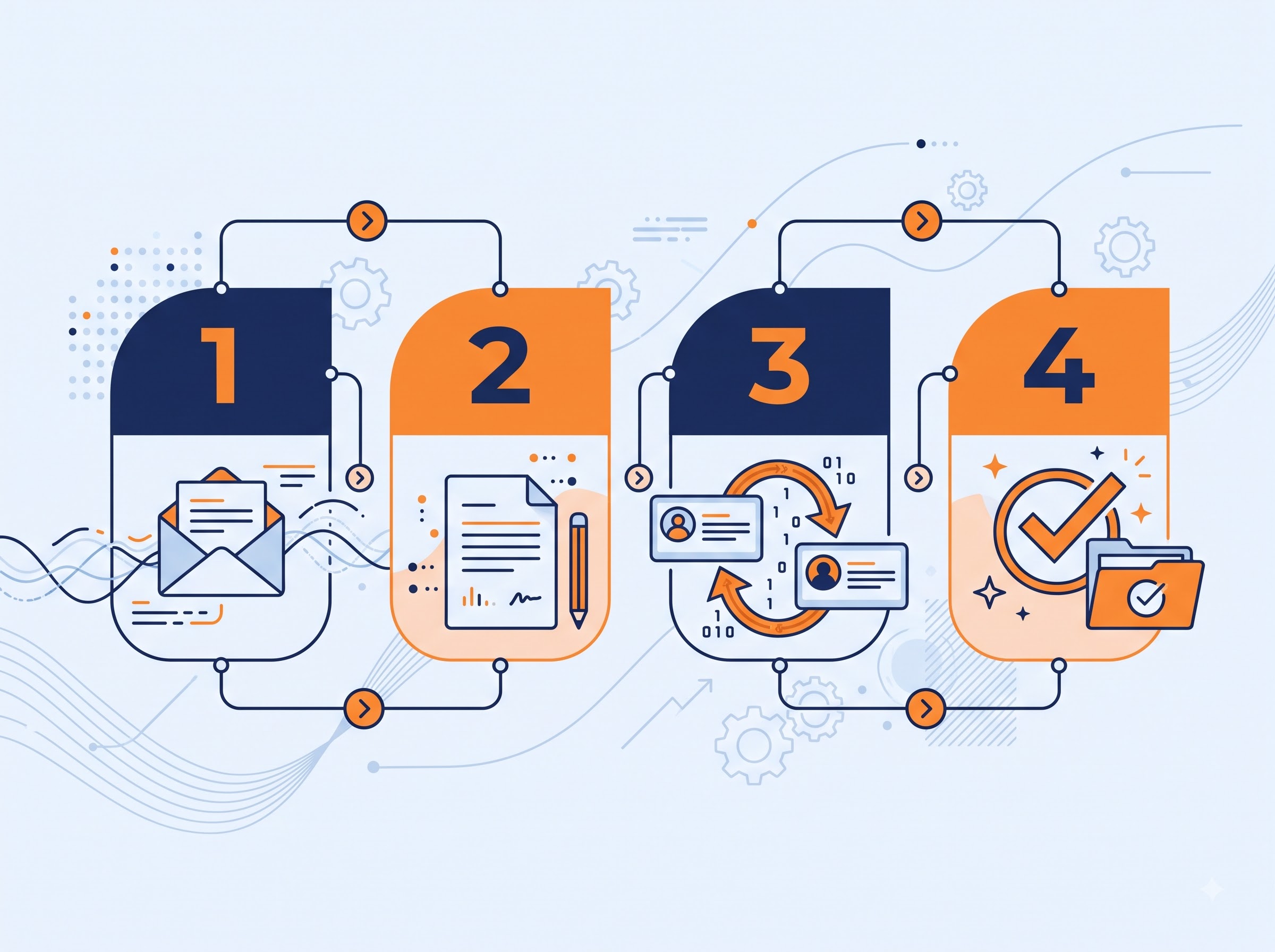
The process follows a fairly standard sequence, though it's worth knowing it takes some processing time rather than happening instantly the moment you ask.
Step 1: Contact Yes Bank to Check Eligibility. Check your Yes Bank card account, current offer communications or official customer-service channels to confirm whether the facility is available.
Step 2: Provide the Other Bank's Details. You'll need to share the other bank's name, your name exactly as it appears on that account, and the credit card number for the balance you want transferred.
Step 3: Submit Proof of the Outstanding Balance. A copy of your latest statement from the other bank, showing the current outstanding amount, is typically required to confirm the figure being transferred.
Step 4: Wait for Approval and Fund Transfer. Once approved, Yes Bank sends the funds to the other bank's card account via Demand Draft or NEFT, covering the approved transfer amount.
Step 5: The Transferred Amount Appears as an EMI. The approved transfer is then repaid according to the EMI/repayment terms communicated by Yes Bank.
None of this happens same-day. Until you receive confirmation that the old card's balance has been fully paid or otherwise settled, continue meeting the payment due on that card.
What Should You Check Before Transferring?
- Confirm the exact processing fee and total cost, not just the headline rate. Get this in writing before agreeing to anything, and run the actual math against your specific balance and tenure rather than relying on the general percentages quoted online.
- Use the free lookup period, roughly 10 days, to review the terms once they're in writing. If something doesn't match what you were told on the phone, this window lets you cancel without foreclosure charges, so don't let it pass by unused.
- Confirm the tenure and resulting EMI actually fit your monthly budget. A lower rate doesn't help much if the resulting fixed payment is still a stretch every month.
- Check that the minimum and any maximum transfer limit fit your real outstanding balance. The minimum sits at ₹2,500, and if your balance is smaller than that or larger than what Yes Bank will approve, this specific route may not work as a full solution.
Running through this checklist before signing anything is the difference between a transfer that genuinely saves money and one that just moves the same problem to a different card. Knowing your own credit score ranges and what they typically qualify you for also helps you judge whether the terms you're being offered are actually competitive for someone in your position.
When Does a Balance Transfer Not Make Sense?
A balance transfer is genuinely useful when you're still current on your payments and simply want a lower rate on a balance you're already managing responsibly. It's a much weaker tool, or not available at all, in a few specific situations worth naming honestly.
If you're already struggling to make even the minimum payment on your existing card, a balance transfer doesn't solve that problem, it still requires a fixed EMI at the agreed rate every month, which can be just as hard to sustain as what you're currently paying. It's also a limited tool if your debt is spread across several cards and loans rather than concentrated on one, since a single transfer to one Yes Bank card doesn't address the full picture sitting across multiple accounts. And eligibility itself depends on a decent payment track record, if you've already missed payments on the card you're trying to move debt from, this facility may not be offered to you at all.
Recognising which of these categories actually describes your situation changes what's worth pursuing next. Someone with one manageable balance and a clean payment history is in a very different position from someone juggling several accounts under real pressure, and the right next step looks different for each.
How FREED Helps If Balance Transfer Isn't the Right Fit
FREED's Debt Consolidation Program reviews eligible borrowers' multiple loans and cards with the aim of simplifying repayment into a single repayment arrangement. Actual eligibility, EMI, fees and impact on the credit profile depend on the individual case and applicable terms. It's available to those with a CIBIL score of 700 or higher, and it's built for exactly the situation a single-card balance transfer can't reach, several accounts, one combined solution.
If repayment in full has genuinely stopped being realistic, a different and more serious situation than simply wanting a lower rate, that's a separate conversation entirely. If repayment in full has become genuinely unaffordable, debt settlement is a different option with different consequences and should be considered separately from a balance transfer. FREED's Loan Settlement Plan, "Settle My Loans," negotiates a reduced final amount with your bank in circumstances like that, on a success-based fee, only charged if a settlement is actually reached.
Neither path competes with a balance transfer, they solve genuinely different problems. A balance transfer may suit someone with a manageable balance, an otherwise current repayment record and a genuine benefit from the new rate and repayment terms. FREED's programs step in exactly where that tool stops being sufficient.
What Helps You Decide
- Calculate total cost, not just the headline rate, before applying. Interest plus processing fee, compared against what staying on your current card would cost over the same period, is the number that actually matters.
- Use the lookup period to review the written terms carefully, rather than deciding on the phone. A verbal quote and the final written terms don't always match exactly, and the lookup period exists precisely to catch that gap.
- Confirm your eligibility with Yes Bank directly, rather than assuming based on how long you've held the card. Tenure with the bank isn't the deciding factor, your payment and spending track record is.
- If more than one card or loan is part of your picture, look at the full debt situation before committing to a single-card transfer. A transfer that fixes one account while three others stay untouched often isn't the complete answer it looks like at first glance.
None of this needs to be complicated. A clear-eyed comparison of the actual numbers, done once before you sign anything, is usually enough to make the right call with confidence.
Source
Claim | Source |
Credit card receivables are explicitly exempted from RBI's Key Fact Statement (KFS) circular | RBI/2024-25/18, DOR.STR.REC.13/13.03.00/2024-25, Key Facts Statement for Loans and Advances, April 15, 2024 |
Yes Bank balance transfer: ₹2,500 minimum, 12-15% p.a. rate, 10-day free lookup period, funds via Demand Draft or NEFT | Third-party aggregator sources (creditmantri.com, bankbazaar.com); Yes Bank's own current terms should be confirmed directly before publishing |
Note: the brief's proposed Law box originally attributed KFS disclosure requirements to credit card facilities. That's inaccurate, credit cards are specifically exempted from the KFS circular. The Law box above has been corrected to cite the actual applicable disclosure requirement instead, RBI's Master Direction on Credit Card and Debit Card Issuance and the card's MITC (Most Important Terms and Conditions) document.

Mohit Juneja
Mohit Juneja writes educational content at FREED on debt management, credit scores, loan repayment, and borrowing best practices. His content is shaped by expert insights and industry knowledge, helping readers better understand their financial options and make informed decisions.
mohit.juneja@freed.care

FREED is India's trusted loan management platform. Founded in 2020 and headquartered in Gurugram, FREED has counselled 20 lakh+ people on personal loans, credit cards, and app loans. FREED charges fees only on successful settlement, not upfront. FREED does not handle secured loans (home loans, car loans, gold loans).
Media Mentions