What Is a Balance Transfer Credit Card and When Should You Use One?
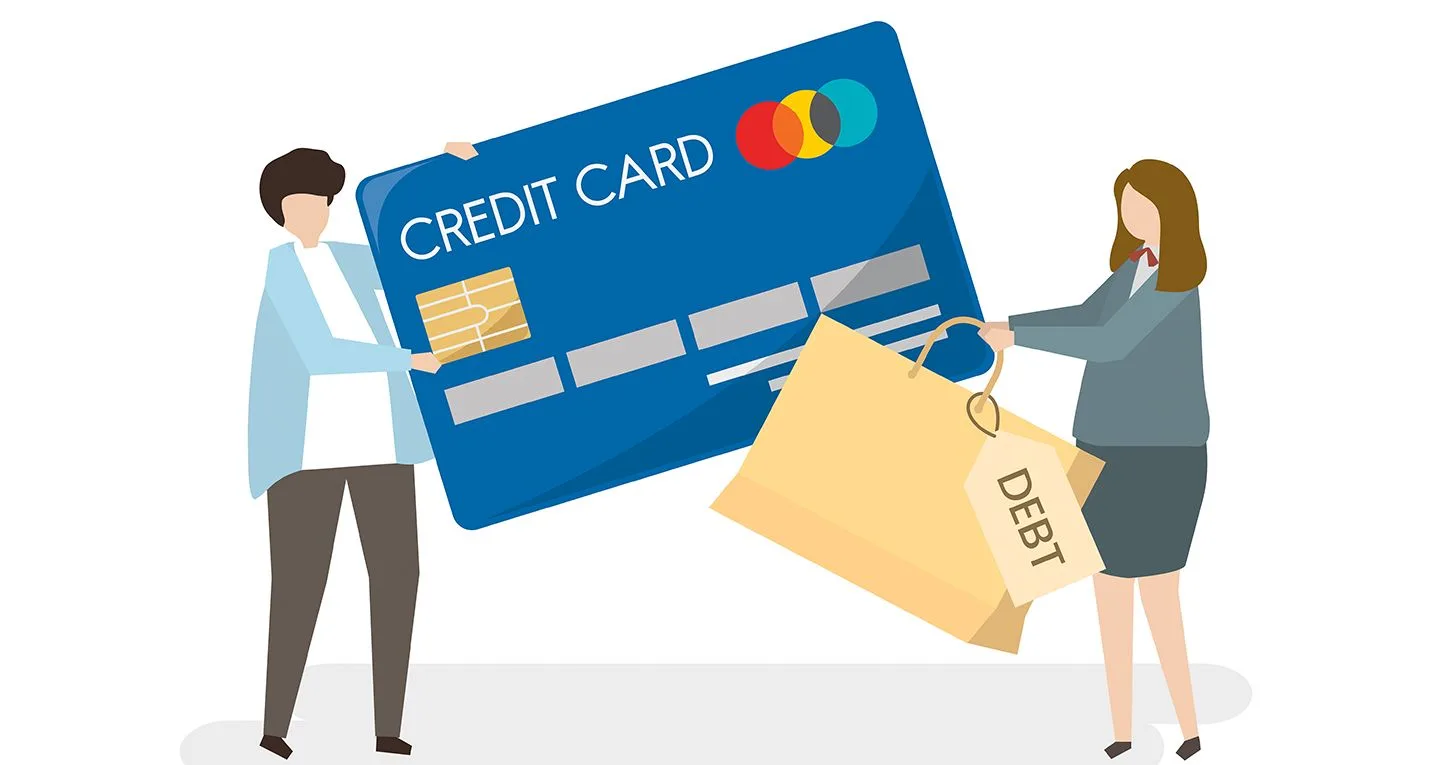
A balance transfer credit card lets you move your outstanding balance from one credit card to another that offers a lower or 0% promotional rate for a fixed period. You repay the moved amount on the new card at this lower rate, instead of the standard rate on your old card.

Mohit Juneja
Reviewed by FREED India, Debt Resolution Specialists
 4.7/5
4.7/5 ₹3,200Cr+
 20,000+
 20,00,000+4.7/5₹3,200Cr+20,000+20,00,000+
KEY TAKEAWAYS

A balance transfer credit card moves your existing dues to a new card with a lower promotional rate, usually for 3 to 12 months.
Transfer fees typically run 1% to 3% of the amount moved, so the math only works if the interest saved is bigger than the fee.
It works best for one card with a large balance and a good CIBIL score, not for multiple debts spread across loans and cards.
After the promotional period ends, the rate reverts to the card's standard rate. Indian credit card rates commonly run 30% to 48% a year, so an unpaid balance can get expensive fast once the offer window closes.
If you have three or more debts across cards and loans, a single-card transfer usually is not enough on its own.
What Does a Balance Transfer Credit Card Actually Mean
A balance transfer credit card moves the outstanding balance from an existing card onto a new card, at a lower or 0% interest rate for a fixed promotional window. Instead of paying your old card's standard rate, you repay the same amount on the new card at this lower rate. Promotional periods commonly run 3 to 12 months. After that, the balance left unpaid reverts to the new card's standard rate.
This is often confused with a different product, a balance transfer loan. A balance transfer loan moves a personal loan from one bank to another, not a card balance. The two work on different mechanics, are approved differently, and solve different problems. If you are dealing with a personal loan rather than card dues, a separate FREED guide covers that specific process.
A balance transfer credit card is best understood as a repayment tool, not free money. You still owe the full amount you transferred. What changes is the interest rate you pay while you clear it, and that saving usually comes with a one-time transfer fee, typically 1% to 3% of the amount moved. The lower rate only helps if it is meaningfully lower than what you were paying, and if you can genuinely repay the balance before the promotional window closes.

Not sure which route fits you?
FREED's team can walk through your numbers in a free call, no pressure either way.
Start My Assessment
How a Balance Transfer Credit Card Works Step by Step
The process is more mechanical than most people expect, and understanding each step helps you avoid the common mistakes that cost people their promotional rate.
Step 1: Apply for the new card. You apply to a bank offering a balance transfer promotion, usually specifying the amount you want to move and from which existing card. The bank checks your CIBIL score and income the same way it would for any new credit card application.
Step 2: Confirm the credit limit covers your balance. The new card is issued with a specific credit limit. If your outstanding balance is larger than this limit, only part of it can be transferred, and the remainder stays on your old card at the old rate. This is worth checking before you assume the whole balance is moving.
Step 3: Provide your old card details. You share the old card's account details and the amount to be transferred. This is a routine part of the application, not a security risk if done through the new bank's official process.
Step 4: The new issuer settles the old balance directly. Once approved, the new card issuer pays off the specified amount directly to your old card issuer. This is one of the genuine conveniences of a balance transfer; you are not manually juggling two repayments during the switch.
Step 5: Repay the new card within the promotional window. From here, the responsibility shifts entirely to you. You now owe the transferred amount on the new card, at the promotional rate, for the fixed period the bank has offered. Missing this window is the single most common reason a balance transfer fails to save money.
Comparing a Personal Loan Transfer Instead?
See how a loan balance transfer differs from a card transfer
Read the Loan BT GuideWhen a Balance Transfer Credit Card Actually Makes Sense
A balance transfer credit card is not a universal fix for credit card debt. It works well under a specific set of conditions, and understanding these before applying saves you from a transfer that does not actually help.
One large balance on a single card, not several small debts spread across accounts. The product is built to move one balance. If you are juggling three cards and a personal loan, a single transfer only solves a fraction of the problem and leaves the rest of your EMIs untouched.
A CIBIL score strong enough to get a genuinely good offer. Banks reserve their best promotional rates and highest limits for borrowers with a solid credit history. A weak score often means a smaller limit, a shorter promotional window, or rejection altogether, none of which make the transfer worthwhile.
Enough monthly repayment capacity to clear the balance before the promotional rate expires. This is the condition people skip most often. A 0% rate for 6 months only helps if you can realistically repay the full balance in that window. If you cannot, the leftover balance reverts to a standard rate that is often higher than what you started with.
A meaningful gap between your old rate and the new promotional rate. Indian credit card interest commonly runs 30% to 48% a year. Moving that balance to a 0% promotional rate for even a few months can save a real amount, but only after the transfer fee is subtracted. For example, on a ₹1,00,000 balance at 36% a year, six months of unpaid interest works out to roughly ₹18,000. A 2% transfer fee on the same amount is ₹2,000. It's worth comparing the transfer fee with the interest you could save before deciding whether a balance transfer is right for you.

FREED Expert Tip
Calculate the total transfer fee and compare it against the actual interest you would save. If the fee eats most of the savings, the transfer is not worth it.
Calculate Your Balance Transfer SavingsSigns a Balance Transfer Credit Card Will Not Be Enough
A balance transfer works well for a specific situation. If your situation looks like any of the following, a single-card transfer is unlikely to solve the underlying problem on its own.
- You have multiple cards and loans across different banks. A balance transfer only moves one card's balance. If you are managing several EMIs and card dues at once, this leaves most of your debt untouched.
- Your EMIs are already stretched thin each month. If you are struggling to keep up with your current payments, adding a new card into the mix, even at a lower rate, does not solve a repayment capacity problem.
- Your CIBIL score is too low for a good new-card offer. Without a strong score, you are unlikely to get approved for a meaningful limit or an attractive promotional rate, which reduces how much the transfer can actually help.
- The promotional period is too short to realistically clear the balance. A short window with a large balance often means you are still carrying an unpaid amount when the standard rate kicks back in, which can leave you worse off than before.
If two or more of these describe your situation, it is worth looking at options built for multiple debts, not just one card.

What Are Your Options If One Card Is Not Your Only Debt
If your situation fits a balance transfer, it remains one of the simplest ways to reduce interest on a single card, provided your CIBIL score supports a good offer, and you can repay within the promotional window. It moves one balance, at a lower rate, for a fixed time, and nothing more complicated than that.
If you are managing multiple loans and cards across different banks, a single-card transfer is only ever a partial fix. This is where FREED's Debt Consolidation Program may be relevant. Instead of moving one balance to one new card, it helps eligible borrowers combine unsecured debts, such as personal loans and credit card dues, into a single loan with one EMI, one lender, and one due date each month. Loan terms depend on the lending partner and your individual profile.
Think of these as two different tools for two different situations, not competing options for the same person. A balance transfer suits someone with one card and a strong score. Consolidation suits someone juggling several loans and cards who wants everything brought under one manageable payment. Neither is inherently better. The right one depends entirely on how many debts you are actually carrying.

What the Law Says
Under RBI's Master Direction on Credit Card and Debit Card Issuance and Conduct, every card issuer must disclose the full annual interest rate and all applicable fees for a balance transfer offer through the Most Important Terms and Conditions (MITC) document, before you accept it.
Read MoreHow FREED Helps When a Single Card Transfer Is Not Enough
FREED's Loan Consolidation Plan, also known as the Debt Consolidation Program, is built for exactly the situation a balance transfer credit card cannot fully solve: multiple loans and cards, each with a different EMI and due date, that have become genuinely stressful to manage.
The idea is simple. FREED assesses your full financial picture, all your existing loans, credit card dues, and income, and matches you to a suitable lending partner from its network. That lending partner disburses a new consolidated loan, which pays off your existing eligible debts instantly. From that point, you have one loan, one lender, one EMI, and one due date, in place of several.
This is a step up from a balance transfer, not a replacement for it. If you only have one card balance and a strong score, a transfer is still the simpler and often cheaper choice. But if you are past that, juggling multiple EMIs across different banks, consolidation is designed to bring your eligible debts under a single repayment plan. The final EMI depends on the loan terms offered by the lending partner.
One important difference from a balance transfer worth knowing is that the impact on your credit profile depends on your overall repayment behaviour and individual circumstances. Consistently making repayments on time can help strengthen your credit profile over time. FREED charges a success-based fee, only once the consolidation is completed.
Are You in a Loan Trap? Quick Check
Move the slider to your total EMIs as a % of monthly salary. See your debt stress level instantly.
EMIs as % of Monthly Salary
What Helps Once You Choose a Balance Transfer
Once you have transferred your balance, a few simple habits decide whether the move actually saves you money or just delays the problem.
Set a repayment plan before the promotional period ends. Work out a fixed monthly amount that clears the full balance within the window, and stick to it from month one, not month five.
Avoid new spending on the old card. If the old card stays open, new purchases on it will not benefit from the promotional rate on the new card and can quietly rebuild the debt you just moved.
Automate payments on the new card. A missed payment during the promotional period can sometimes cancel the promotional rate entirely, depending on the card's terms. Automating removes that risk.
Mark the date the promotional rate expires. Set a reminder well before this date, not on it, so you have time to adjust your repayment if you are falling behind schedule.
Steps: How to Do a Balance Transfer Credit Card
- 1
Check Your CIBIL Score First.
A stronger score gets you a better promotional rate and a higher approved limit. Checking before you apply can help you better understand the offers you may be eligible for before submitting an application.
- 2
Compare Total Cost, Not Just the Rate.
Add the transfer fee to what you would pay in interest without it. A lower rate with a high transfer fee can sometimes save less than it first appears, so always work out the actual rupee figure before deciding.
- 3
Confirm the New Credit Limit Covers Your Balance.
Any amount above the new card's limit stays on the old card at the old rate. Ask the bank to confirm the exact limit before you apply, so you know upfront how much of your balance will actually move.
- 4
Apply and Provide Old Card Details.
The new issuer typically settles the old balance directly with your previous card issuer. This avoids the risk of manually managing two repayments during the transition, but it is still worth confirming the old balance shows as cleared afterwards.
- 5
Repay Before the Promotional Period Ends.
Set a fixed monthly repayment that clears the balance in time, and treat this date as non-negotiable. A balance left over when the offer ends usually reverts to the card's full standard rate, which can undo most of the savings.
Balance Transfer Credit Card vs FREED's Debt Consolidation Program
Balance Transfer Credit Card | FREED Debt Consolidation Program | |||
Best for | One card, one large balance | Multiple loans and cards across banks | ||
CIBIL requirement | Needs a strong existing score | Assessed on overall profile, no published floor | ||
How it works | Moves the balance to a new card at a lower promotional rate | A new consolidated loan pays off all existing eligible debts at once | ||
EMI | Still on a card repayment cycle | One fixed EMI, one due date | ||
CIBIL impact | Depends on repayment behaviour and overall credit profile | Impact depends on your repayment behaviour and individual circumstances |
Note: This table stays neutral on both options. Neither is claimed as universally "best." Eligibility and outcomes depend on your individual profile and the specific lender's policy.

Mohit Juneja
Mohit Juneja writes educational content at FREED on debt management, credit scores, loan repayment, and borrowing best practices. His content is shaped by expert insights and industry knowledge, helping readers better understand their financial options and make informed decisions.
mohit.juneja@freed.care

FREED is India's trusted loan management platform. Founded in 2020 and headquartered in Gurugram, FREED has counselled 20 lakh+ people on personal loans, credit cards, and app loans. FREED charges fees only on successful settlement, not upfront. FREED does not handle secured loans (home loans, car loans, gold loans).
Media Mentions