What Is Creditor's Harassment and How to Deal With It?
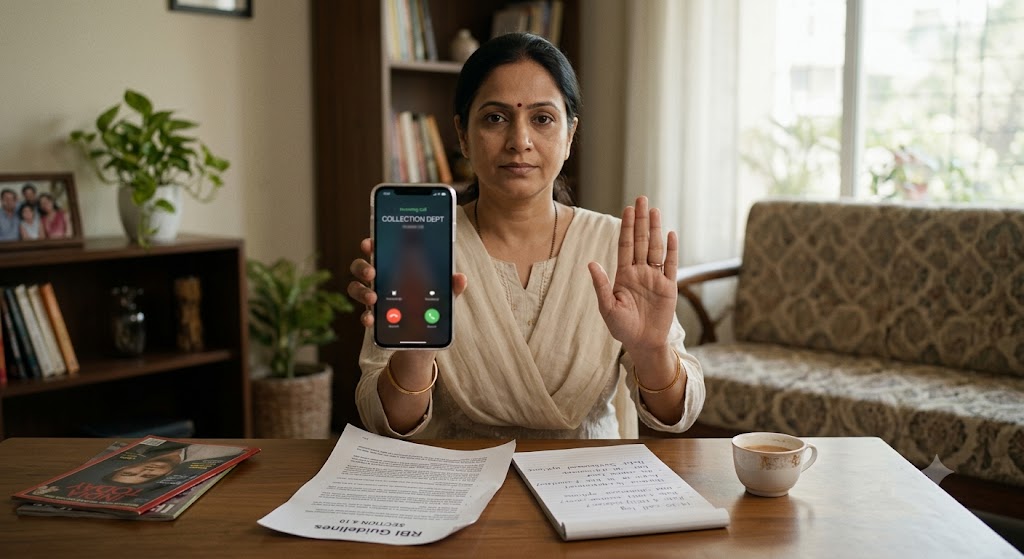
Creditor's harassment happens when a bank, NBFC, or their recovery agent crosses from legal debt collection into abusive conduct, calls outside 8 AM to 7 PM, threats, contacting family, or public shaming. RBI's guidelines restrict certain recovery practices, including intimidation, harassment, inappropriate contact hours and improper disclosure of a borrower's information. The bank or NBFC stays responsible even when a third-party agent is the one at fault.
Mohit Juneja
Reviewed by FREED India, Debt Resolution Specialists
 4.7/5
4.7/5 ₹3,200Cr+
 20,000+
 20,00,000+4.7/5₹3,200Cr+20,000+20,00,000+
KEY TAKEAWAYS

Creditor's harassment means a bank, NBFC, or their agent crosses from legal collection into abusive conduct.
Recovery agents should not disclose a borrower's debt to family, friends, colleagues or other third parties, or use them to intimidate or pressure the borrower. Any permitted contact with third parties must comply with the applicable RBI rules.
Ordinary non-payment of a credit-card debt does not, by itself, mean that you can be arrested. Criminal liability depends on the specific facts and applicable law.
FREED Shield helps any borrower document harassment and file the right complaint, no enrollment required.
What Is Creditor's Harassment?
A call at 9 PM demanding payment isn't the same thing as a call at 2 PM reminding you a bill is due. Credit card harassment is the first one, the moment legal debt collection crosses into abusive conduct.
The creditor is the bank or NBFC you actually owe money to. They can collect dues through their own team, or hand the file to an outsourced recovery agent. Either way, RBI holds the bank or NBFC responsible for what happens during collection, even when a third-party agent crossed the line. Most articles on this topic write only about "recovery agents," as if the bank behind them has no stake in the outcome. It does, and RBI's own rules say so directly.
Recovery, on its own, breaks no rules. A reminder call about an overdue payment, or a question about when you can pay, sits well within a bank's rights. Harassment is a narrower, defined set of prohibited acts, not a label for every uncomfortable phone call. Treating every collection call as harassment makes it harder to spot the calls that genuinely crossed a line, and that distinction is exactly what makes a complaint hold up later.
What recovery agents are legally allowed to do under RBI's guidelines is worth knowing before the next call comes in.

Talk to Someone About What's Happening
Free counsellor call, understand your situation and your options.
Talk to FREED TeamWhy This Happens
A payment gets missed. An account goes delinquent. Neither of those causes harassment on its own. The shift usually starts once a file lands with a recovery agent paid on commission, where the incentive runs toward pressure, not patience.
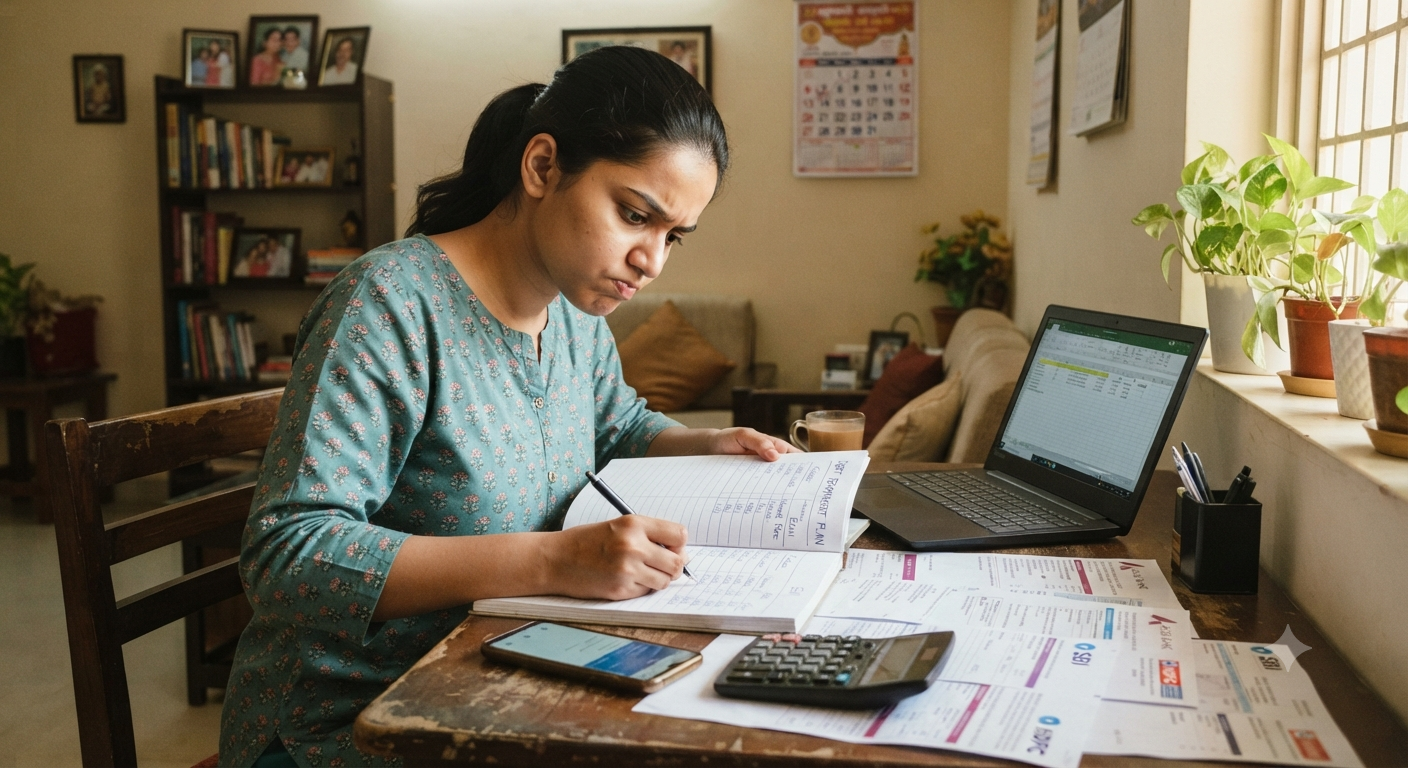
Income drops, a medical bill lands, a job disappears overnight. The trigger behind a missed payment doesn't matter here. What matters is what happens next, since that's the part RBI actually regulates and the part within a borrower's control.
Commission-based recovery work builds in a real conflict. Recovery agents may be engaged by lenders to follow up on overdue accounts. Regardless of whether collection is handled internally or by a third party, the lender remains responsible for complying with applicable recovery guidelines. That doesn't excuse abusive conduct, it explains the pattern, and it's exactly why RBI puts the bank on the hook regardless of who dialled the number. Loan recovery agent harassment and the RBI complaint process that follows covers several patterns worth recognising before they escalate. What specifically counts as harassment under RBI's rules comes next.
What Counts as Harassment, the RBI Rules
RBI's Fair Practices Code names specific acts, not vague categories. The following are examples of recovery practices that may breach applicable RBI requirements or other laws, depending on the circumstances.
- Calls or contact before 8 AM or after 7 PM. This window holds regardless of a borrower's own schedule.
- Calling repeatedly in a way meant to pressure or intimidate. A reasonable follow-up looks nothing like a pattern built to wear someone down.
- Threats, verbal or written, including a false threat of arrest. A missed credit card payment is a civil matter. Arrest requires proven fraud, and this false threat is one of the most commonly reported violations on file.
- Public humiliation. Shaming a borrower in front of neighbours, colleagues, or on social media sits outside legal recovery entirely.
- Contacting family, friends, or references to pressure repayment or disclose the debt to them. This is a privacy violation, banned regardless of intent.
- Abusive or threatening language, whether over a call, a message, or in person.
- Anonymous or misleading calls, including calls that misrepresent the caller or the reason for calling. This is a direct violation of RBI's Fair Practices Code (para 55), which requires recovery agents to identify themselves, the lender they represent, and the purpose of the call at the start of every interaction.
Vague phrases like "excessive contact" don't appear on this list on purpose. Naming the exact rule that got broken carries far more weight with a Grievance Redressal Officer than a general complaint about feeling harassed. How you respond in the moment shapes what a complaint can accomplish later.

What the Law Says
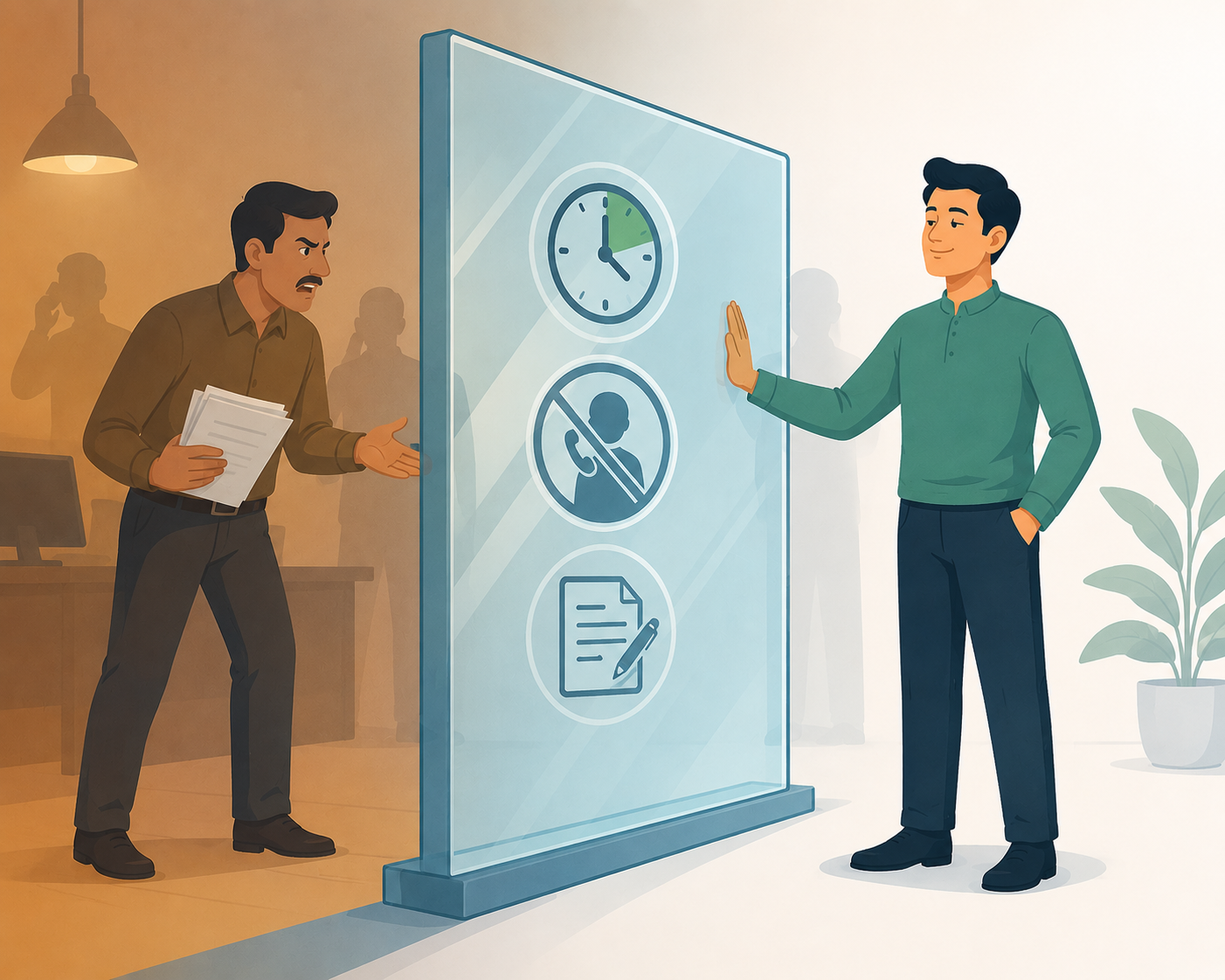
RBI bans recovery calls before 8 AM or after 7 PM, threats, public shaming, and contacting family or friends to pressure repayment.
Check your optionsHow to Respond, Step by Step
- Stay factual on the call. Skip the argument. The moment it ends, write down the date, time, and what was said while it's still fresh.
- Save everything. Preserve call logs, messages and other communications. If you plan to record a call, obtain legal advice on whether and how the recording can lawfully be made and used in your circumstances.
- Tell the bank or NBFC your situation directly, where you can. Silence tends to bring more calls, not fewer. "I can pay ₹15,000 by the 10th" changes the tone of most legitimate follow-up.
- File a written complaint with the bank's Grievance Redressal Officer when a specific rule gets crossed. Name the violation: "called at 9:40 PM," not "I was harassed."
- Escalate to the RBI Ombudsman at cms.rbi.org.in if 30 days pass with no resolution, or the response falls short. The process costs nothing and runs entirely online.
Going quiet and hoping the calls stop doesn't work. Writing everything down and escalating through the right channel does. FREED Shield can help with steps 4 and 5 specifically, covered further down this page. Whether any of this rises past a regulatory violation into something illegal comes next.
Is It Illegal? Your Legal Rights
A Fair Practices Code violation triggers bank accountability and possible Ombudsman compensation. It doesn't, on its own, become a criminal case. Most explainers on this topic skip that distinction entirely.
Threats that amount to criminal intimidation may attract liability under the Bharatiya Nyaya Sanhita, 2023. Whether a particular recovery interaction crosses that threshold depends on the facts and the applicable statutory provisions. The BNS has replaced the IPC as India's criminal code since July 1, 2024. Section 351 took over from the old IPC Section 506, so citing IPC 506 today points to a law that no longer exists on the books. The simple form of criminal intimidation under BNS 351 carries up to 2 years in prison.
The RBI Ombudsman framework may provide for compensation in eligible cases, subject to the applicable scheme, limits and facts of the complaint. Document any actual financial loss with supporting evidence, such as receipts, records or other relevant documentation. Neither figure comes as a guarantee. Every award depends on the specific facts a complaint presents. Where to actually take those facts, bank, Ombudsman, or police, is the next question.
When to Escalate: Bank, RBI Ombudsman, or Police
Consolidation and settlement are two paths a borrower chooses between. Escalation here works differently. It's a sequence, and each level has a specific trigger for moving to the next.
Start with the bank's Grievance Redressal Officer, always, for any Fair Practices Code violation, whether the recovery came directly from the bank or through an outsourced agent. Start with the bank's or NBFC's grievance-redressal mechanism and retain the complaint reference and response.
Move to the RBI Ombudsman once 30 days pass with no resolution, or the response you get doesn't match what was actually reported. Certain regulated-entity categories allow a complaint to skip straight to the Ombudsman, so it's worth checking your specific bank's status before assuming the wait applies to you.
Reserve the police, an FIR, for conduct that genuinely rises to a criminal act. Real physical threats, intimidation, a home visit that crosses into trespass or assault, these belong here. A rude phone call alone doesn't meet that bar, and pointing every reader toward the police for routine rudeness wastes their time on the wrong remedy. FREED Shield can help figure out which of these three levels actually fits, covered next.
Loan recovery agent harassment and the broader RBI complaint process is worth a look if harassment calls are tied to debt spread across several loans.
How FREED Helps
When recovery conversations cross the line into abusive, threatening, or harassing behaviour, FREED provides an added layer of support through FREED Shield, a dedicated borrower-support service. FREED Shield helps you understand your rights as a borrower and can assist you in preparing and submitting a complaint through the appropriate channels where necessary.
Anyone can use it, not only people already enrolled in a FREED program, a point that trips up a lot of first-time callers.
Two specific situations trigger FREED Shield: a recovery call that turned abusive or threatening, or an agent visiting your home or office without following correct protocol. Routine collection calls don't need it, and FREED Shield doesn't pretend otherwise. Filing a complaint happens through the FREED app. A harassing call happening right now goes straight to the FREED helpline instead.
FREED Shield doesn't stop the calls itself, and it doesn't submit complaints to RBI on your behalf. It helps draft what needs saying and points you to the right channel, but you file it. What it does is make sure recovery-related pressure isn't something you're facing without backup.
Don't Face Recovery Pressure Alone
FREED Shield helps you document and escalate.
Get FREED Shield SupportWhat to Do If Harassment Continues
- Keep a single running log. Date, time, caller number, what was said, for every contact, not only the ones that felt clearly abusive. A pattern often matters more than any one call.
- Don't share more financial detail than necessary on an unplanned call. Ask the caller to put the request in writing. Do not share OTPs, passwords, PINs or other authentication credentials with a caller. This slows pressure tactics down considerably.
- Loop in a family member or trusted contact if calls to them have already started. Let them know not to engage or share anything if contacted again.
- Re-file with the Ombudsman if a first complaint gets no real response within 30 days. A slow process isn't a reason to drop it.
- Address the underlying debt too, if harassment is tied to debt you genuinely can't manage, not just the calls themselves. Consolidation or settlement becomes relevant here, worth a look once the immediate pressure settles
How loan consolidation works addresses the root cause directly when several overlapping EMIs are what's really driving the pressure behind these calls.
Legal Recovery vs Harassment
Action | Legal Recovery | Harassment |
Call timing | Between 8 AM and 7 PM | Before 8 AM or after 7 PM |
Tone | Firm reminder, asks when you can pay | Threats, abusive language |
Contact scope | You, the borrower, directly | Family, friends, employer, neighbours |
Arrest mention | Never claimed for a civil default | False threats of arrest or police action |
Visits | Identified agent, prior written notice | Unannounced, no ID, no authorisation letter |
Disclosure | Discusses your account with you only | Discloses your debt to third parties |
Any one of these incidents may be sufficient reason to raise a complaint, depending on the applicable rules and circumstances. A borrower doesn't need every item to have happened.
Sources
RBI bans recovery calls before 8 AM/after 7 PM, threats, public shaming, and contacting family or friends | RBI Notification RBI/2022-23/108, DOR.ORG.REC.65/21.04.158/2022-23, August 12, 2022 (https://www.rbi.org.in/scripts/NotificationUser.aspx?Id=12378&Mode=0) |
Criminal intimidation under BNS Section 351, replacing IPC Section 506, in force since July 1, 2024, imprisonment up to 2 years for the simple form | Bharatiya Nyaya Sanhita, 2023 |
RB-IOS 2026 compensation: up to ₹30 lakh for proven financial loss, up to ₹3 lakh for harassment and mental anguish, effective July 1, 2026 | Reserve Bank, Integrated Ombudsman Scheme, 2026 |

FREED is India's trusted loan management platform. Founded in 2020 and headquartered in Gurugram, FREED has counselled 20 lakh+ people on personal loans, credit cards, and app loans. FREED charges fees only on successful settlement, not upfront. FREED does not handle secured loans (home loans, car loans, gold loans).
Media Mentions