What Is a Credit Profile? Meaning, What It Includes & How to Check Yours
Your credit profile is the broader picture of your borrowing and repayment behaviour that may be considered when you apply for credit. Your credit report contains much of the underlying credit information, while your credit score summarises that information into a three-digit number.

Mohit Juneja
Reviewed by Shweta, FREED India's Debt Resolution Specialists
 4.7/5
4.7/5 ₹3,200Cr+
 20,000+
 20,00,000+4.7/5₹3,200Cr+20,000+20,00,000+
Key Summary

Your credit profile is the complete financial picture a lender sees about you, not just your credit score, but your full payment history, credit mix, utilisation, and account age.
Credit score is one output derived from your credit profile, not the same thing as the profile itself.
You can check your full credit profile through your annual free credit report from CIBIL, Experian, or Equifax, the score alone doesn't show the whole picture.
A strong credit profile matters most when you're actually applying for new credit, a weak one can affect approval even if the score number looks reasonable.
What Is a Credit Profile?
A credit profile is the complete record of how you've borrowed and repaid over time, everything a lender actually factors in when deciding whether to lend to you and on what terms.
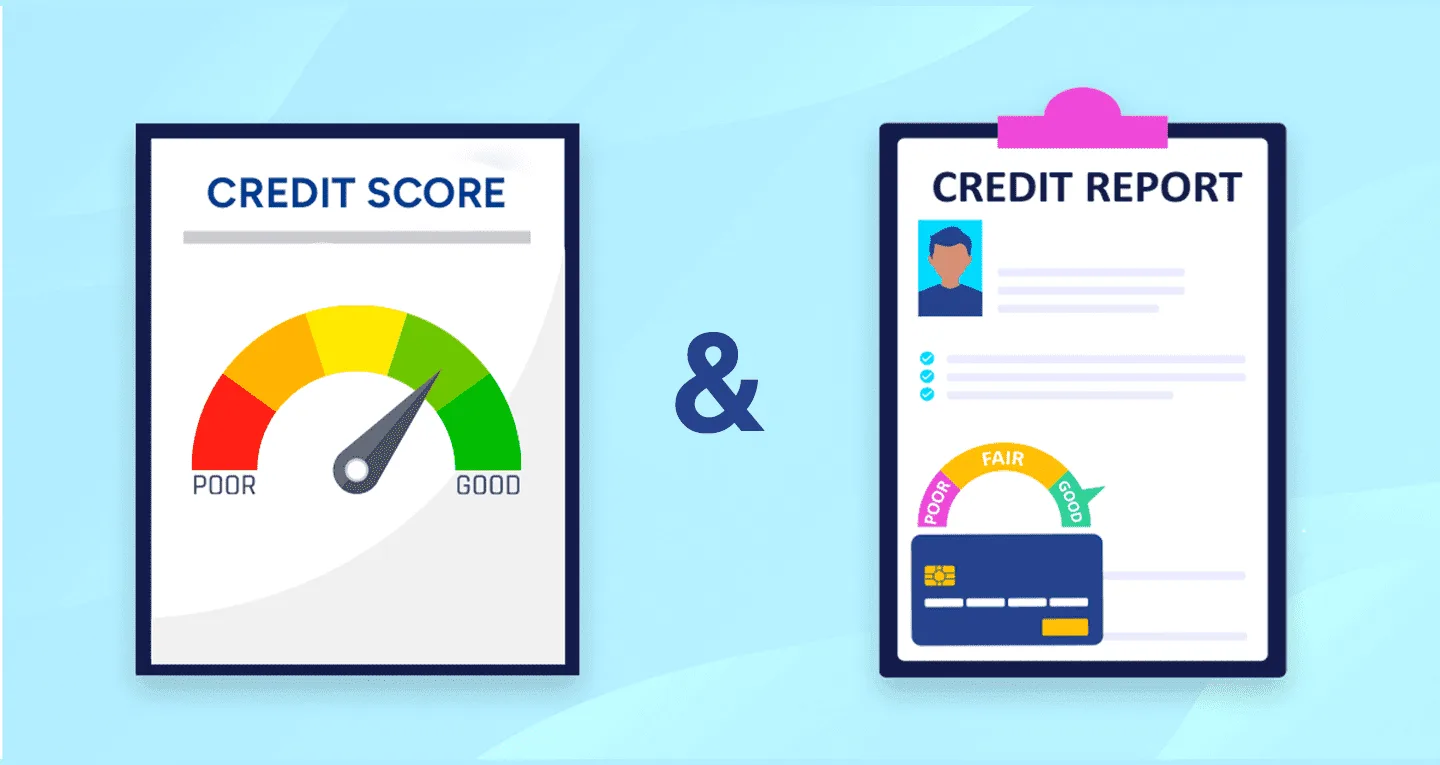
The distinction worth establishing right away is this: your credit score is a single three-digit number derived from that profile, not the profile itself. The profile is the underlying data, your active and closed accounts, your full payment history, current balances, the mix of credit types you hold, and your recent inquiry history. The score is a summary calculated from all of that, not a replacement for it.
Here's why this matters in practice. Two people can carry similar credit scores while having meaningfully different profiles underneath. One might have a thin, short credit history that just happens to score well so far. The other might have a longer history with genuinely more variety and depth behind it. Lenders may consider information beyond the credit score when assessing an application, including repayment history, existing obligations, credit utilisation and their own eligibility criteria.
This is exactly why "credit profile," "credit score," and "credit report" get used loosely and interchangeably, when they genuinely shouldn't be, and untangling that is worth doing properly.

Expert Tip
If a lender ever says your "profile doesn't fit" despite a decent score, that's a real, common outcome, the profile behind the number matters as much as the number itself.
Talk to FREEDCredit Profile vs Credit Score vs Credit Report: What's the Difference?
These three terms sit close together and get blurred constantly, so it's worth laying them out side by side.
Credit Profile is the complete underlying picture, every account, payment record, and credit relationship you have, in full. Credit Score is a single three-digit number, 300 to 900 in India, calculated from that profile by a bureau's own algorithm, a summary, not the full picture behind it. Credit Report is the actual document a bureau produces, listing every account, balance, and payment record in detail, this is effectively your profile in written, checkable form.
The practical distinction that actually matters: checking only your score tells you the summary. Checking your full report tells you the profile behind that summary, and that's usually exactly where an actual issue, a reporting error, an old account you'd genuinely forgotten about, a utilisation problem, actually shows up. The score alone won't reveal any of that on its own. FREED's dedicated comparison between credit score and credit report covers that specific pair in much more depth, worth reading if this particular distinction is the one you came here for.
What Your Credit Profile Actually Includes?
A credit profile is made up of several distinct components, each one contributing something different to how a lender ultimately reads you.
Payment history. The record of on-time versus late payments across every account you hold. Payment history is an important factor in credit scoring models.
Credit utilisation. How much of your available credit, especially on credit cards, you're actually using at any given time. High utilisation signals stretched finances even when payments are current.
Credit mix. The variety of credit types you hold, secured and unsecured, revolving and instalment. A good credit mix is worth reading if you want the fuller picture on why variety itself matters here.
Length of credit history. How long your oldest account, and your average account, has actually been open. This one builds slowly and can't be rushed.
Recent inquiries. How many times lenders have pulled your report recently. Hard inquiries can affect your credit score, and multiple recent applications may also be considered when your credit profile is assessed.
Active and closed accounts. The complete list of everything currently open, plus anything closed, settled, or written off in your past.
Every one of these sits inside your profile whether or not it's visible in the single score number you're used to checking.
How to Check Your Own Credit Profile?
Checking your actual profile, not just your score, takes a bit more than opening a quick-check app, but it's still a straightforward process.
Pull your free annual report from a major bureau. CIBIL, Experian, and Equifax each offer one full, free credit report per year directly through their own website.
Or use a bank or lender app. Many offer a free or subscription-based credit check, though these usually pull from just one bureau rather than all three.
Actually read through it, not just the score. Go through the account list, the payment history section, and the inquiry section specifically, that's where the real profile detail actually lives, not in the headline number.
Don't worry about the check itself hurting your score. Checking your own profile counts as a "soft inquiry," and it has no effect on your score whatsoever, a common but genuinely unfounded worry.
The full walkthrough for downloading your CIBIL report covers each of these steps in more detail if you want the exact screens and fields to expect.

Signs Your Credit Profile Needs Attention
A handful of concrete signs suggest your profile might need a closer look, even when the score number on its own looks fine.
Your score looks fine but you've been rejected, or offered worse terms than expected. This is often a profile issue, utilisation, thin history, recent inquiries, rather than a score issue at all.
You're carrying high balances on revolving credit relative to your limits. Even with on-time payments, this signals stretched finances to a lender reading the full profile.
Most of your credit is one type, all credit cards, for instance, with no variety across secured or instalment credit.
You've applied for several new credit products in a short window. Each one leaves its own mark, and several close together compounds.
You have an old account you'd genuinely forgotten about, still showing as open or, worse, overdue somewhere in your history.
What Are Your Options If Your Credit Profile Is Weak?
A few paths are worth working through depending on what's actually driving the weakness.
Reducing high revolving balances can help address a high-utilisation issue, although the effect on your score and profile can vary. For a household juggling several unsecured EMIs and cards at once, consolidation into one loan simplifies the profile itself directly, fewer open accounts, one clean payment history building forward from a single point. A settled account can be viewed less favourably by future lenders and may affect your ability to obtain credit on favourable terms.
How FREED Helps Strengthen Your Credit Profile?
For readers whose profile is complicated by several unsecured EMIs and cards, still current but genuinely stretched thin managing all of them, there's a direct way to simplify the profile itself, not just track it more closely.
FREED's Debt Consolidation Program combines those debts into one new loan at one lower payment through a partner lender, which simplifies the profile directly, fewer open accounts to manage, and one clean, ongoing payment history from that point forward. FREED's Debt Consolidation Program is designed to simplify repayment by combining eligible unsecured debts into one new loan with a single payment. The effect on your credit profile can vary depending on your existing accounts, the new loan terms and how you manage repayments going forward. For genuine, sustained inability to repay, FREED's Debt Resolution Program is the separate, later-stage path, distinct from consolidation.
See What Consolidation Could Do to Your Profile
A free assessment shows your real options.
Start My Free AssessmentTips for Building a Strong Credit Profile
A few habits keep your profile working in your favour over time.
Check your full report, not just your score, at least once a year. The full report gives you more detail than the score alone and can help you identify account, repayment and inquiry information that may need attention.
Keep revolving utilisation low relative to your limits. This moves faster than most other factors on your profile.
Don't close your oldest credit account just because you've stopped using it. Avoid closing an old account solely because you're not using it unless you have a clear reason to do so. Consider how the closure may affect your available credit and overall credit history.
Space out new credit applications rather than applying to several lenders at once, in a short window.
Maintain a mix of credit types over time where it genuinely makes sense, rather than relying on one single type alone.
Expert Tip
Set a yearly reminder to pull your full free credit report, not just check your score in an app. Most profile issues are only visible in the full report.
Start My Free Assessment
Mohit Juneja
Mohit Juneja writes educational content at FREED on debt management, credit scores, loan repayment, and borrowing best practices. His content is shaped by expert insights and industry knowledge, helping readers better understand their financial options and make informed decisions.
mohit.juneja@freed.care

FREED is India's trusted loan management platform. Founded in 2020 and headquartered in Gurugram, FREED has counselled 20 lakh+ people on personal loans, credit cards, and app loans. FREED charges fees only on successful settlement, not upfront. FREED does not handle secured loans (home loans, car loans, gold loans).
Media Mentions