STD in CIBIL Report: What 'Standard' Account Status Means
STD stands for "Standard," the account status shown next to a loan or credit card when payments are on time or overdue by less than 90 days. It's the healthiest status a credit account can carry. You'll find it in the Asset Classification or Account Status section of your report.
Mohit Juneja
Reviewed by FREED India, Debt Resolution Specialists

 4.7/5
4.7/5 ₹3,200Cr+
 20,000+
 20,00,000+4.7/5₹3,200Cr+20,000+20,00,000+
KEY TAKEAWAYS

STD in CIBIL means your account is in good standing, paid on time or overdue under 90 days.
CIBIL account statuses run from STD (best) through SMA and SUB, to DBT and LSS or Settled (worst).
An account is "Standard" while payments are current. Once a payment is overdue, it moves through Special Mention Account stages based on days past due (SMA-1 at 31-60 days, SMA-2 at 61-90 days). Once it crosses 90 days overdue, it's classified as a Non-Performing Asset, and specifically as "Sub-standard" for as long as it remains NPA for 12 months or less.
If an account is ever settled for less than owed, the "Settled" mark stays on record for up to 7 years.
A bounced EMI cheque can trigger Section 138 NI Act, up to 2 years jail or a fine up to 2x the cheque amount.
What Does STD Mean in a CIBIL Report?
STD stands for Standard. Full stop. That's the healthiest account status a credit report can show.
An account marked STD means the loan or credit card is being repaid on time. Or it's overdue, but only by less than 90 days. That's it. You're meeting the bank's expectations.
You'll see this status in the Account Information section of your report. It sits next to each credit facility under Asset Classification or Account Status. This status refreshes every month based on what the lender reports to the bureau.
Seeing STD next to your account name is good news. It's not a red flag. It doesn't mean "perfect score." It indicates that the account is currently classified as standard; check the DPD history separately to understand the payment record.
This classification system exists because a lender reviewing a new application needs to assess risk fast. Instead of reading 36 months of statements, they scan the current status codes. STD is generally a positive account-level signal, but lenders assess the full credit report, including DPD history, utilisation and other accounts. That matters when you're applying for another loan.
But status is just a snapshot of right now. If your account was SMA-2 three months ago and STD today, that history still shows in the DPD row. Both the current status and the past matter.

Why Does Every Loan Account Get a Status Code?
RBI-regulated lenders follow prescribed asset-classification and reporting frameworks for applicable credit facilities. This comes from RBI's asset classification framework. It's a rule, not a suggestion.
Why does this exist? Because a future lender needs to assess risk without reading your entire financial history. One code tells them whether you're paying on time or slipping. Fast assessment. That's the point.
Here's what matters: the classification is account-level, not person-level. You can have one STD account and one SUB account at the same time. Your personal loan is current. Your credit card is 120 days overdue. Both statuses sit side by side on your report. They don't cancel each other out.
The classification also means the same logic applies across all three bureaus. Credit bureaus receive account-status and payment-history information from lenders, although the way information is displayed can differ between reports. If you're checking one bureau and missing data at another, the account statuses should be similar but may not be identical if a bank reports differently to different bureaus.
This framework has existed for decades. It's not something CIBIL invented. It's how the system tracks which borrowers are reliable and which are starting to slip.

What Are the Other CIBIL Account Status Codes?
Code | Full Form | What It Means |
STD | Standard | Paid on time, or under 90 days overdue |
SMA-0 | Special Mention Account | 1 to 30 days overdue |
SMA-1 | Special Mention Account | 31 to 60 days overdue |
SMA-2 | Special Mention Account | 61 to 90 days overdue |
SUB | Sub-standard | 90+ days overdue, officially an NPA |
DBT | Doubtful | Extended default, recovery uncertain |
LSS / Settled | Loss / Settled | Written off, or settled for less than owed |
This isn't a cliff. It's a slope. An account moves down gradually as payments are missed. If overdue amounts are brought current before an account is classified as NPA, its current classification can reflect the improved status. However, the historical DPD record can still remain visible on the report.


What the Law Says
Every RBI-regulated lender must report your account status and DPD accurately to the credit bureaus. You have the right to dispute an incorrect entry for free.
Check My OptionsHow Do I Check My Own DPD and Account Status?
Step 1: Get your free credit report.
Go to CIBIL, Experian, or Equifax directly. Each bureau gives you one free report per year. Pull it.
Step 2: Open the Account Information section.
This lists every credit facility you hold. Every loan, every card.
Step 3: Find the Asset Classification or Account Status column.
This shows the current status code next to each account. STD, SMA, SUB, whatever it is.
Step 4: Check the DPD row alongside the status.
DPD means Days Past Due. This row shows the month-by-month history, not just this month's status. Look for "000" entries. Those mean on-time payment that month. Numbers like "030" or "060" mean that many days overdue.
Step 5: Review the history carefully.
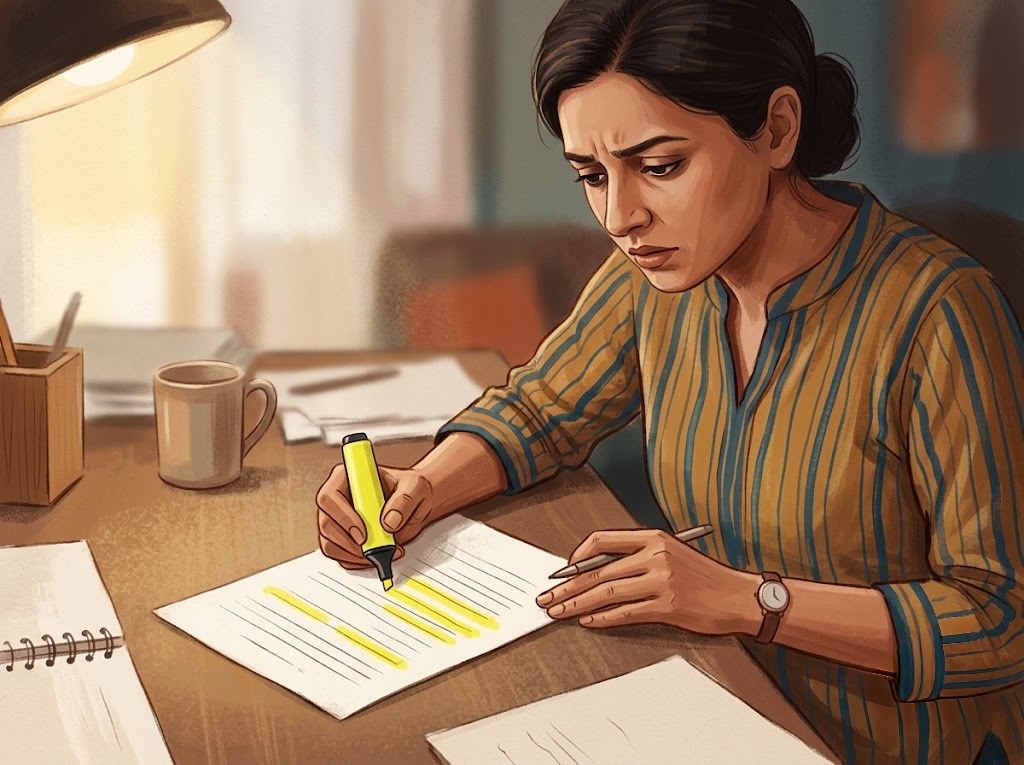
Review the historical DPD information available on your report. Scan it. If a status looks wrong for an account you know is paid off, make a note. Get the account number, the reported status, and the date.
Step 6: Raise a dispute if something doesn't match.
If the status is incorrect, file a dispute through the bureau. It's free. The bureau will investigate and correct it or confirm it. Understanding what a dispute process looks like helps you decide whether the discrepancy matters for your situation.

Freed Expert Tip
Check your DPD row every few months, not just when applying for new credit. One incorrect entry can quietly drag your score down for months before you notice.
Check your optionsIs STD Status Always Good, or Can Old DPD Still Hurt Me?
Here's the nuance that matters: an account can show STD today while its historical DPD row still carries old late payments from years back.
Current status reflects the present. Not the full history.
This is critical. A lender reviewing a new application reads both the current status and the full DPD history. Not just this month's snapshot. If an account shows STD but the DPD row has a string of SMA or SUB entries from the past two years, a lender sees that pattern. It signals past stress. Even though it's STD now.
A payment missed three years ago still shows in the DPD row today. It doesn't disappear when you catch up.
But here's the reassurance: consistent on-time payment going forward is what steadily improves the overall picture. Not erases it. A full year of STD status after old marks is stronger than an isolated STD month surrounded by old defaults. The lender sees momentum.
If you've recovered from a past default and want to rebuild, knowing that the DPD row stays visible helps you set realistic expectations. You're not erasing the past. You're proving the present is different.
Freed Expert Tip
If every account already shows STD, that's the reason to lock the habit in, not relax it. Consistent on-time payments can strengthen your credit profile over time, even when older negative information remains visible.
Talk to FREED about your report.What Should I Do If an Account Isn't Standard?
If an account has slipped, there's a ladder.
If an account is at SMA but repayment is still manageable, contact the lender directly before it moves further. Ask about restructuring. A longer tenure. A lower interest rate. Many banks will work with you at SMA stage. Once it hits SUB, the options narrow.
If you have multiple loans and you're still paying but drowning in EMIs, consolidation is worth exploring. Consolidation may combine eligible debts into a single repayment arrangement and can make monthly payments more manageable. Its effect on your credit profile depends on the application, new facility, account changes and subsequent repayment behaviour. Your CIBIL doesn't take a hit. The score improves over time. This path works when the account is still STD or SMA.
If an account has moved to SUB, DBT, or is already written off, and you're genuinely unable to repay in full, settlement becomes the conversation. That's when a "Settled" mark comes into play and the CIBIL impact becomes real.
If an account is still in an early stage of delinquency, it is worth exploring options such as direct repayment, restructuring or other suitable arrangements before considering settlement. That's premature. Consolidation or restructuring first. Settlement is generally considered when the borrower cannot realistically repay the full outstanding and other repayment options are no longer workable.
The mistake borrowers make is waiting. An account drifts from SMA to SUB while they debate what to do. By then, settlement may be the only option left. Acting at SMA, when some alternatives remain, gives you more leverage.
How FREED Helps You Understand and Act on Your CIBIL Picture
FREED starts with a free credit check. You see every account's current status in one place. No obligation. Just clarity.
If your accounts are still current but stretched across multiple loans, FREED matches you to a lending partner. One consolidation loan pays them all. One EMI replaces five. Consolidation doesn't damage your CIBIL. The score improves over time.
If accounts have already moved to SUB, DBT, or write-off, and repayment in full isn't realistic, FREED negotiates settlement. A Special Purpose Account builds your corpus. Once sufficient, FREED negotiates with each lender. You authorize every payment. Each closure is documented and tracked to the bureau update.
The fee is success-based in both programs. You pay only if something closes.
FREED assesses the full picture before recommending either path. Not every borrower needs consolidation. Not every borrower needs settlement. Some just need a restructuring conversation with the current lender. FREED doesn't push you toward the higher-fee option unless that's what your situation actually calls for.
FREED has settled over 20,000 accounts and managed over ₹3,200 crore of debt. When settlements are appropriate, FREED negotiates at up to 50%* waiver depending on the bank and situation. But that's only offered when settlement is actually the right path for that specific borrower.
What Helps Keep Every Account at STD Status
Set up auto-debit or a phone reminder a few days before each due date. Bills don't move. Set them and forget them.
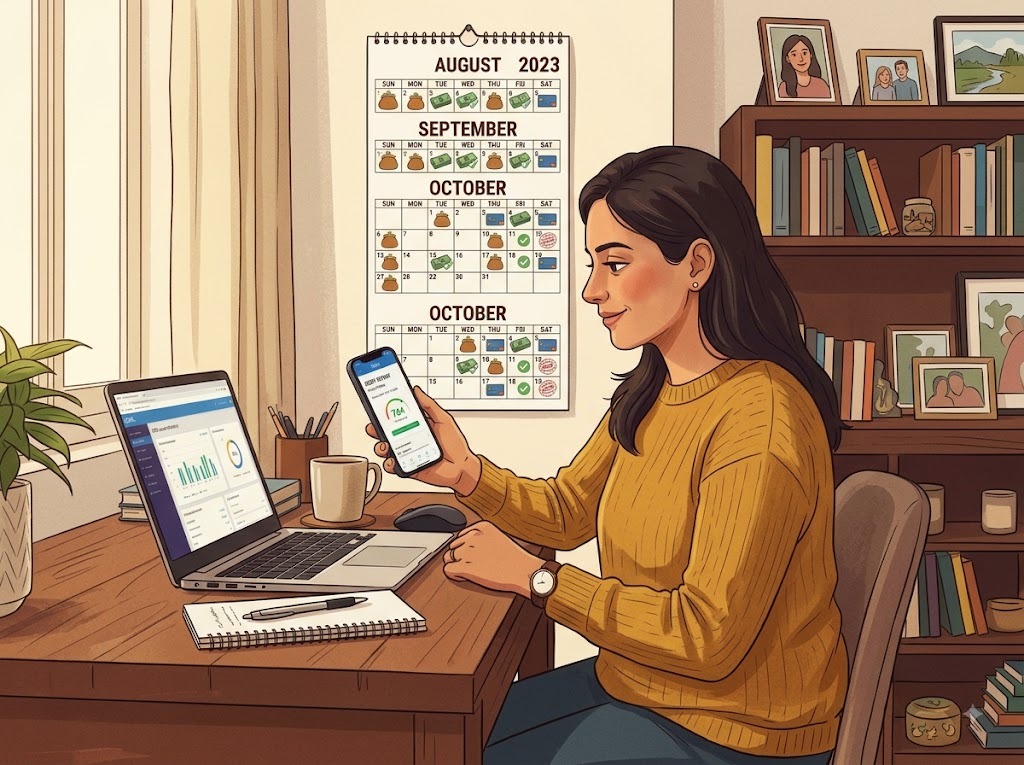
Check the DPD row every few months, not just when applying for new credit. Catch an error before it silently drags your score for months.
If income gets tight, contact the lender before a payment is missed. Not after. The lender has options at that stage. Restructuring, a payment holiday, deferment. They're designed for exactly this situation.
As a budgeting guideline, try to keep total monthly debt payments at a level that leaves enough room for essential living costs and emergencies. Some lenders and financial advisers use around 50% of take-home income as a rough warning point, but it is not a universal rule. This leaves a buffer for life. Medical emergencies. Job gaps. Unexpected costs.
Don't just check your status when you need a new loan. Check it regularly. STD accounts stay healthy with steady attention. One missed payment, and the whole account tilts. Prevention is easier than recovery.
FREED's free credit check is a simple way to confirm every account is where you think it is. No surprises later.
Sources
Claim | Source |
SMA-0 (1-30 days), SMA-1 (31-60 days), SMA-2 (61-90 days) overdue sub-stages | RBI Master Circular on Income Recognition, Asset Classification and Provisioning (IRAC norms) |
SUB (Sub-standard) begins at 90+ days overdue and is officially an NPA | RBI IRAC norms, confirm current version before publishing |
DBT (Doubtful) threshold, commonly cited as NPA beyond 12 months | Same RBI IRAC norms source, confirm exact wording |
"Settled" mark stays on record for up to 7 years | RBI Credit Information Reporting Directions and bureau retention policies |
DPD history shown for the past 36 months on the report | Confirm against a current sample CIBIL report format |
Section 138 NI Act: up to 2 years jail or fine up to 2x cheque amount |

Mohit Juneja
Mohit Juneja writes educational content at FREED on debt management, credit scores, loan repayment, and borrowing best practices. His content is shaped by expert insights and industry knowledge, helping readers better understand their financial options and make informed decisions.
mohit.juneja@freed.care

FREED is India's trusted loan management platform. Founded in 2020 and headquartered in Gurugram, FREED has counselled 20 lakh+ people on personal loans, credit cards, and app loans. FREED charges fees only on successful settlement, not upfront. FREED does not handle secured loans (home loans, car loans, gold loans).
Media Mentions