What Is the Maximum CIBIL Score in India?
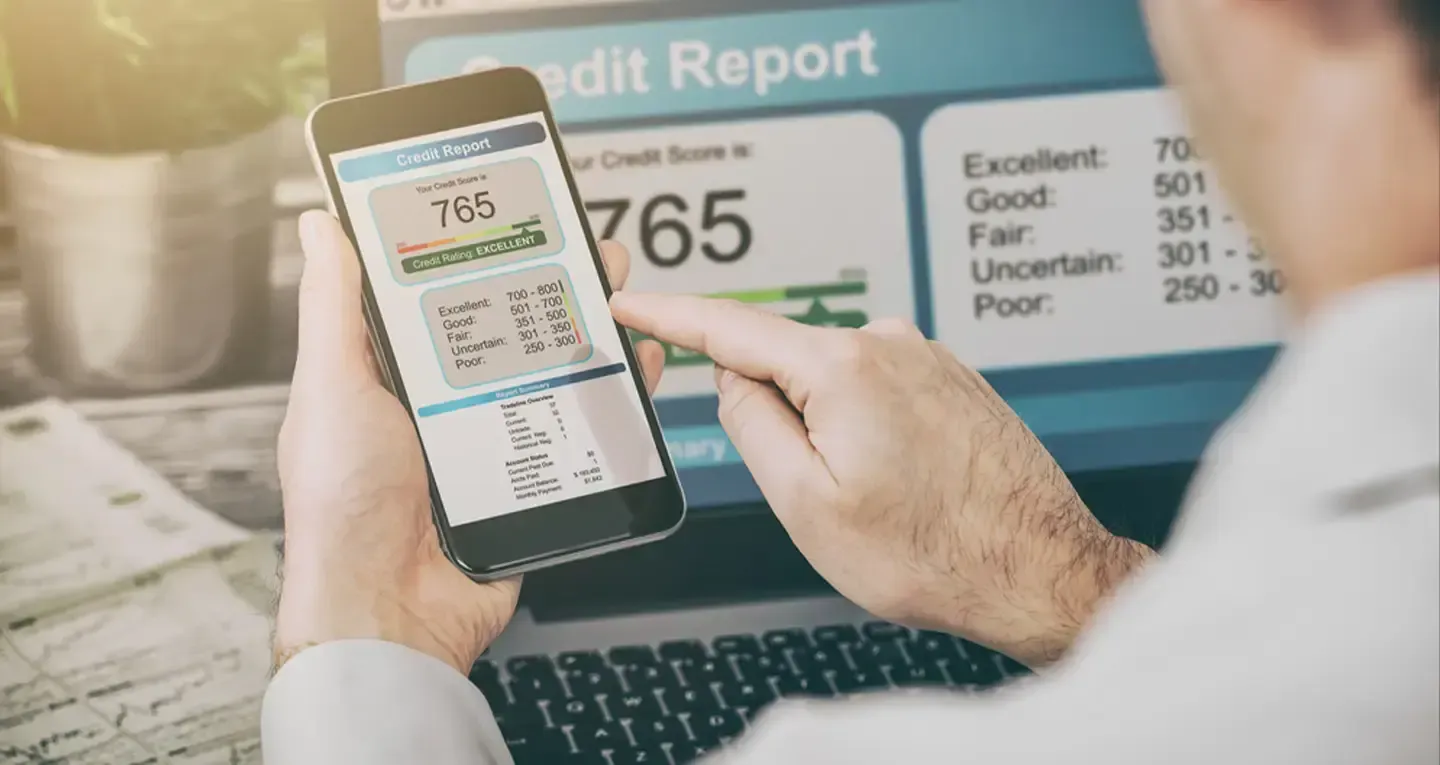
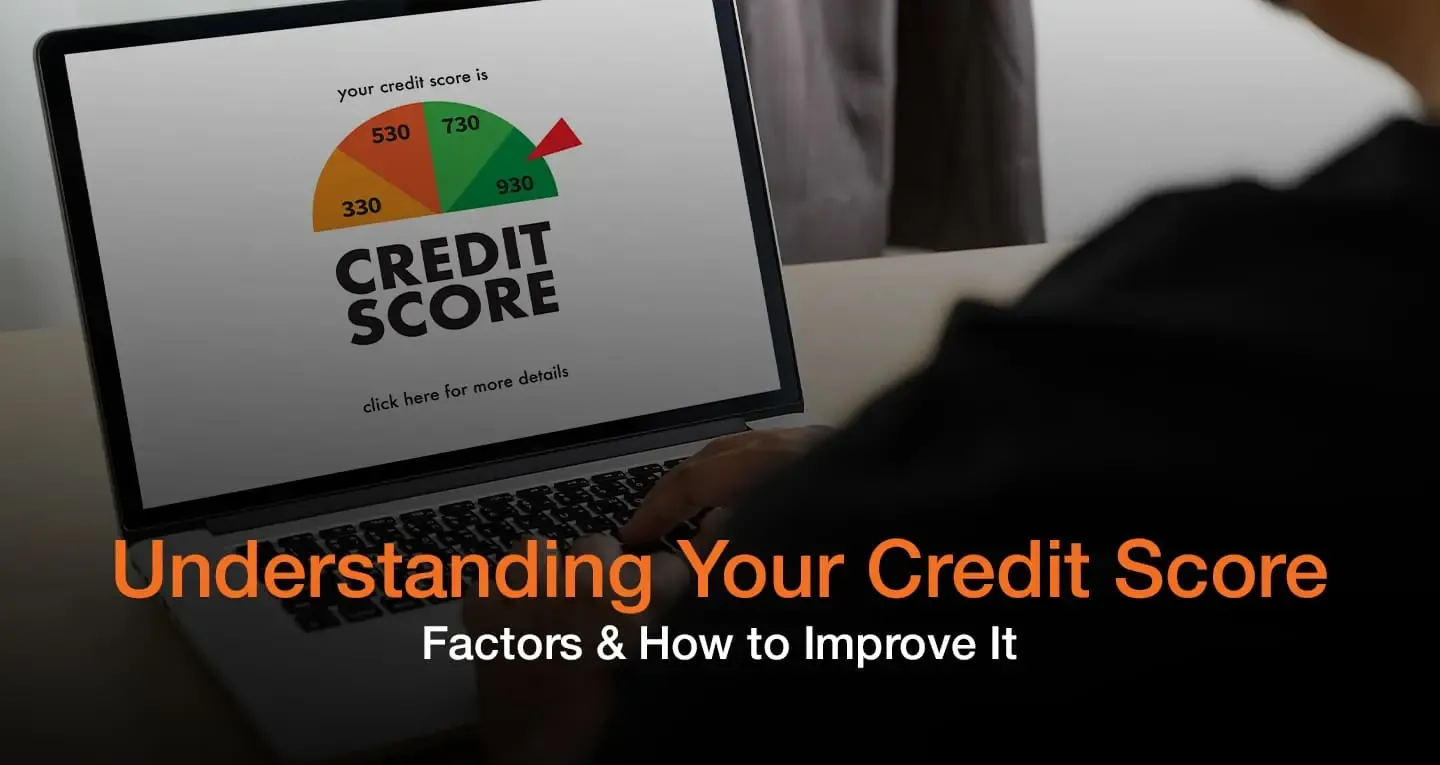
The maximum CIBIL score in India is 900. The scale runs from 300 to 900, with 900 reflecting a flawless repayment history, low credit utilisation, and a long, well-managed credit record. Reaching exactly 900 is rare, fewer than 1% of borrowers sit between 880 and 900.

Mohit Juneja
Reviewed by FREED India, Debt Resolution Specialists
 4.7/5
4.7/5 ₹3,200Cr+
 20,000+
 20,00,000+4.7/5₹3,200Cr+20,000+20,00,000+
KEY TAKEAWAYS

The maximum CIBIL score possible in India is 900. The scale runs from 300 to 900.
Less than 1% of borrowers hold a score between 880 and 900.
Most lenders treat anything above 750-800 as "excellent." A 900 rarely gets better terms than an 800.
The average CIBIL score in India sits around 682, well short of the maximum.
A score is recalculated every 30-45 days based on payment history, utilisation, credit age, mix, and new inquiries.
What Is the Highest Possible CIBIL Score
The highest possible CIBIL score in India is 900. This is the ceiling on the 300-900 scale used by CIBIL, Equifax, and CRIF High Mark for Indian credit reporting. Experian historically ran on a somewhat different scale internationally, but for Indian reporting it has largely aligned to the same 900-point system, so a 900 means broadly the same thing across all four bureaus operating here.
Reaching a 900 means a borrower has a flawless repayment record, often stretching back many years, near-zero credit utilisation across every active account, and a broad, healthy mix of credit types managed responsibly over a long period. This combination is rare by design. It isn't a number most people stumble into by accident, it takes sustained, careful credit behaviour maintained without a single meaningful slip for years at a stretch.
Fewer than 1% of Indian borrowers actually sit in the 880 to 900 range. That scarcity is worth keeping in mind before treating 900 as a realistic near-term target. For almost every practical purpose, chasing the exact ceiling isn't necessary, and the next section explains why.


Do You Actually Need a 900 Score
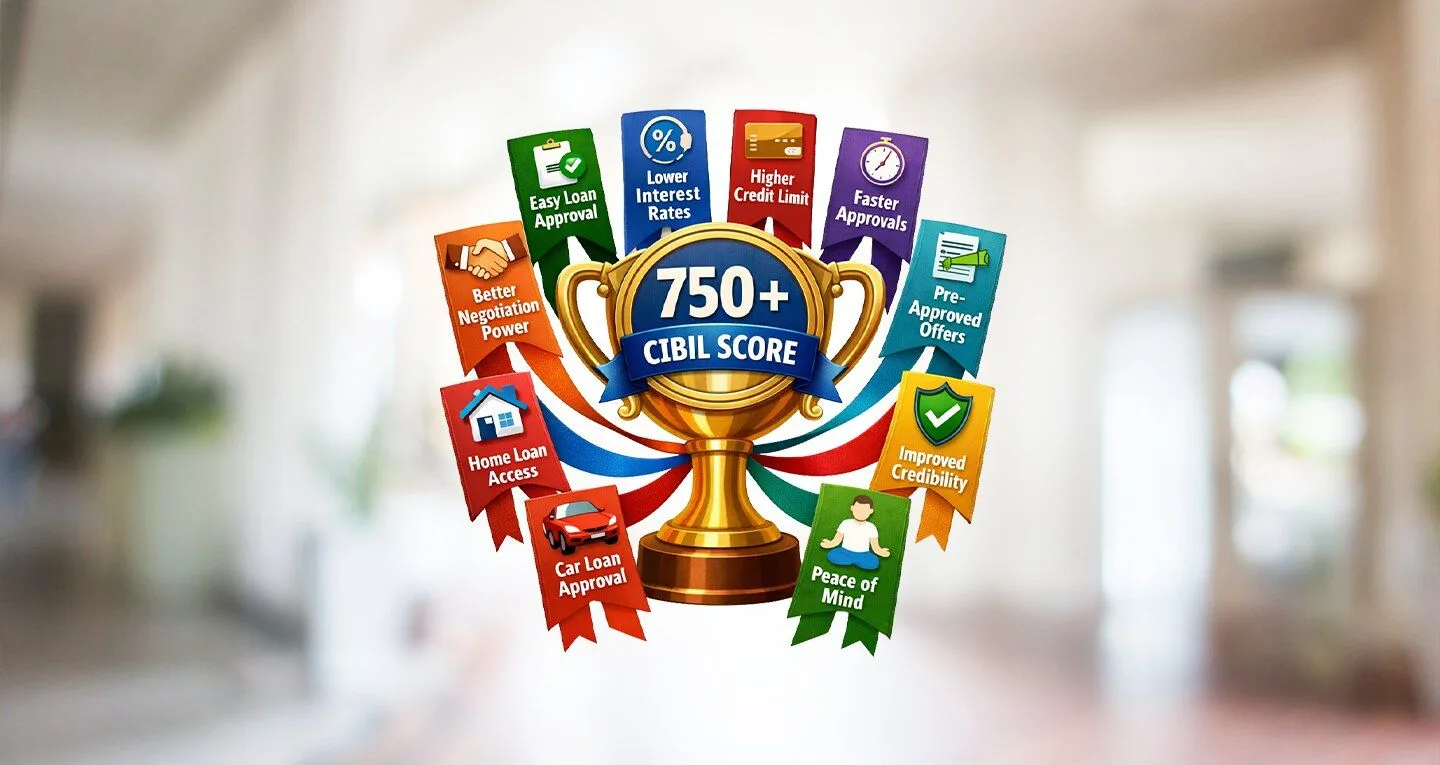
Here's the part most content skips: a 900 score rarely gets you anything meaningfully better than an 800. Most lenders in India bucket anything above roughly 750-800 into a single "excellent" tier and offer their best available rates to everyone in that tier. An applicant at 830 and an applicant at 900 will very often see the exact same interest rate, the same processing speed, and the same pre-approved offers.
This matters because the average CIBIL score in India sits around 682, meaningfully below what most lenders consider "good." So the realistic, useful goal for most readers isn't 900, it's crossing into the 750-800 range and comfortably staying there. That single move already puts a borrower well ahead of most applicants and unlocks the pricing tier that matters.
None of this is a reason to stop building good habits once you're past 750. It just means the marginal effort of pushing from 820 to 900 rarely pays off the way the jump from 620 to 750 does. See the comparison table below for how lenders typically treat each band.
CIBIL Score Bands and What They Mean
Score Range | Category | Typical Loan Impact |
800-900 | Excellent | Best rates, instant pre-approved offers |
750-799 | Very Good | Strong approval odds, competitive rates |
700-749 | Good | Reliable approval, standard rates |
650-699 | Fair | Approval possible, higher rates likely |
Below 650 | Poor | Approval difficult, secured or NBFC options more realistic |
Bands are a general industry reference, not FREED policy. Individual lender cutoffs vary. FREED is not a Loan Provider or credit bureau and does not guarantee any specific score outcome.
Read this table as a practical map, not a ranking to maximise. Once you're inside the top two bands, the returns on chasing a higher number flatten out fast. The real work, for most readers, is getting from wherever you sit today into the 750+ zone and holding steady there.

Freed Expert Tip
Always check the score a bank actually pulls, not a third-party app estimate. The two can differ by 30 points or more.
Check My Credit InsightsHow Is the CIBIL Score Actually Calculated
CIBIL doesn't publish its exact formula, but the broad weightings are well established and widely cited across the industry:
- Payment history (roughly 35%). This measures whether you've paid every EMI and credit card bill on time, across every account you hold. It's the single heaviest factor, and the one most within your direct control.
- Amount owed / credit utilisation (roughly 30%). This tracks how much of your available credit you're actually using at any given time. High utilisation drags the score down even with a perfect payment record.
- Length of credit history (roughly 15%). Older accounts, managed well over time, add stability to your profile. A thin or very new history caps how high your score can climb, regardless of good behaviour.
- Credit mix (roughly 10%). A healthy blend of credit types, say a credit card alongside a personal loan or auto loan, generally reads better than relying on just one kind of credit.
- New credit inquiries (roughly 10%). Every fresh application generates a hard inquiry. Too many in a short window signals credit hunger, even if each application was individually reasonable.
Together, payment history and utilisation make up roughly two-thirds of the score, and they're also the two factors you can influence most directly and quickly. That's worth focusing energy on before anything else on this list.
What Keeps a Score From Reaching the Higher Bands
- Missed EMIs or credit card bills (DPD entries). Payments logged as Days Past Due, even by a few days, chip away at the score, and a repeated pattern over months is one of the most common reasons a score stalls well below 750.
- High credit utilisation above 30%. Running your card balances close to the limit signals stress to a lender, even if every bill eventually gets paid in full.
- Frequent new credit applications in a short window. Each one is a hard inquiry, and a cluster of these can cost a few points each, adding up quickly if you're applying to several banks at once.
- A thin or short credit history. Fewer accounts, or accounts opened only recently, limit how high the score can realistically climb, no matter how clean the behaviour on them is.
- An unresolved settled or written-off account still on the report. This kind of entry actively caps the score for years, regardless of how well every other account is being managed in the meantime.
For most readers, the practical goal isn't 900. It's identifying which of these applies to you specifically, and fixing that, so the score can land solidly in the 750+ band where the real benefits sit.

How to Check and Track Your Score
The most reliable way to know your actual score is to pull it directly from the bureau itself, cibil.com or experian.in, rather than relying only on a third-party app's estimate. App-based estimates can lag by a few weeks or pull from a different bureau entirely, which is why the number on your phone doesn't always match what a bank sees when it checks.
Under RBI's rules, you're entitled to one free, detailed report per bureau, per calendar year, so there's no cost barrier to checking properly. Once you have it, scan it for factual errors, a wrongly logged late payment or an account that isn't yours, and raise a dispute with the bureau if you spot one.
If you'd rather skip straight to a clear read on what's actually affecting your score, FREED gives a flat 50% off on subscription, and gives plain-language, step-by-step recommendations alongside it, useful whether or not you're already working with FREED on anything else.
Know Exactly Where Your Score Stands
Experian-based report with clear next steps.
Check My Credit InsightsHabits That Build a Strong Score Over Time
- Pay every EMI and bill in full and on time. This single habit does more for your score than any other item on this list, consistently, cycle after cycle.
- Keep utilisation under 30% of your limit. Across every card and credit line you hold, not just your primary one.
- Avoid applying for multiple loans or cards in a short window. Space out applications so hard inquiries don't stack up and compound against you.
- Keep old accounts open rather than closing them. Length of history helps the score, and closing your oldest account can quietly work against you.
- Maintain a healthy mix of credit types. A single card plus one well-managed loan generally reads better than five cards and nothing else.
None of these are dramatic moves. That's exactly the point. Consistency, sustained over years rather than weeks, is what actually builds a strong score. A 900 is rare precisely because it takes that kind of sustained discipline, not because there's some shortcut most people are missing.
Sources
Claim in Article | Source |
|---|---|
Maximum CIBIL score is 900, scale runs 300 to 900 | Consistent across all bureau sources reviewed throughout this project, uncontested |
CIBIL, Equifax, CRIF High Mark, and Experian all report on the same 300 to 900 scale in India | creditmantri.com/credit-bureaus-in-india; miflindia.com/check-cibil-score |
Fewer than 1% of borrowers sit in the 880 to 900 range | . No primary TransUnion CIBIL or bureau source found stating this specific statistic. Appears to be an unsourced or estimated figure. Flag for verification before publishing. |
Score bands table (800 to 900 Excellent, 750 to 799 Very Good, 700 to 749 Good, 650 to 699 Fair, below 650 Poor) | Industry-consensus classification, consistent with band framing used across other articles in this set, but cutoffs vary noticeably by source (indialends.com uses 650 to 749 as "good," bajajhousingfinance.in uses different breaks entirely). No single official bureau-published version of this exact table. |
Payment history roughly 35%, utilisation roughly 30%, credit history length roughly 15%, credit mix roughly 10%, new inquiries roughly 10% | Widely repeated industry estimate, consistent with finnable.com/finn-advice/cibil-transunion-score (35% payment history), but exact secondary percentages (15%, 10%, 10%) are not confirmed by any bureau publicly, treated as informed estimate throughout this project |
Average CIBIL score in India is around 682 | TransUnion CIBIL's own official newsroom report (published March 18, 2026) states the average score among actively monitoring consumers is 728, not 682, see newsroom.transunioncibil.com/credit-monitoring-goes-mainstream-183-million-indians-now-self-monitor-their-cibil-score. The 682 figure appears nowhere in sources checked this session. This directly conflicts with the "Average CIBIL Score in India" article in this same content set, which correctly uses 728. Recommend correcting to 728 with the same TransUnion CIBIL citation, or clarifying if 682 refers to a different population/dataset. |
Score is recalculated every 30 to 45 days | Outdated, same flag as the "Bad CIBIL Score" article. Current sourced data shows reporting has moved to weekly as of July 1, 2026 (business-standard.com/amp/finance/news/rbi-extends-credit-information-reporting-norms-july-1-2026). The 30 to 45 day figure reflects the pre-2025 cycle and is inconsistent with other pieces in this set that already use the updated weekly figure. |
One free, detailed credit report per bureau, per calendar year, RBI mandated | RBI official notification RBI/2016-17/58, DBR.CID.BC.No.11/20.16.042/2016-17, rbi.org.in/commonman/english/scripts/Notification.aspx?Id=1884 |
Keep utilisation under 30% of limit | General financial-planning guidance, widely repeated, not a hard regulatory figure |
Closing old accounts can quietly work against your score | Consistent across all bureau methodology sources reviewed in this project |
App-based score estimates can differ from what a bank actually pulls, by 30 points or more | Consistent with the multi-bureau discrepancy explanation used elsewhere in this set (indialends.com, onepaisa.in), the specific "30 points or more" figure is not independently sourced this session |

Mohit Juneja
Mohit Juneja writes educational content at FREED on debt management, credit scores, loan repayment, and borrowing best practices. His content is shaped by expert insights and industry knowledge, helping readers better understand their financial options and make informed decisions.
mohit.juneja@freed.care

FREED is India's trusted loan management platform. Founded in 2020 and headquartered in Gurugram, FREED has counselled 20 lakh+ people on personal loans, credit cards, and app loans. FREED charges fees only on successful settlement, not upfront. FREED does not handle secured loans (home loans, car loans, gold loans).
Media Mentions