How to Restructure a Loan or Business Debt: Step-by-Step Process
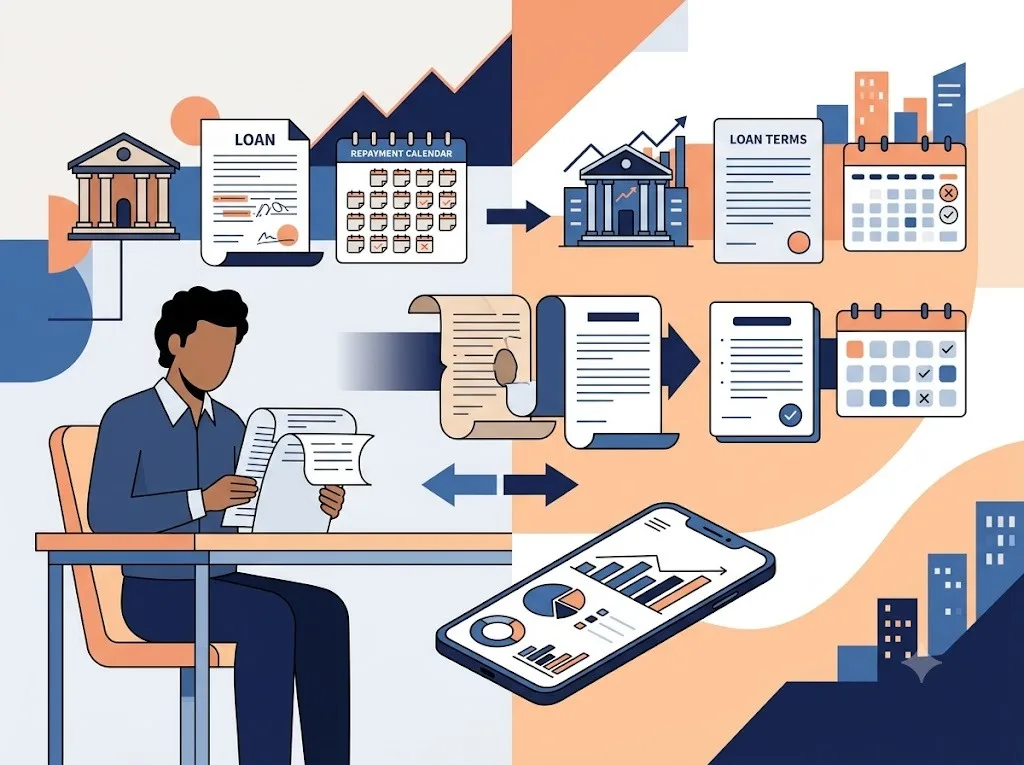
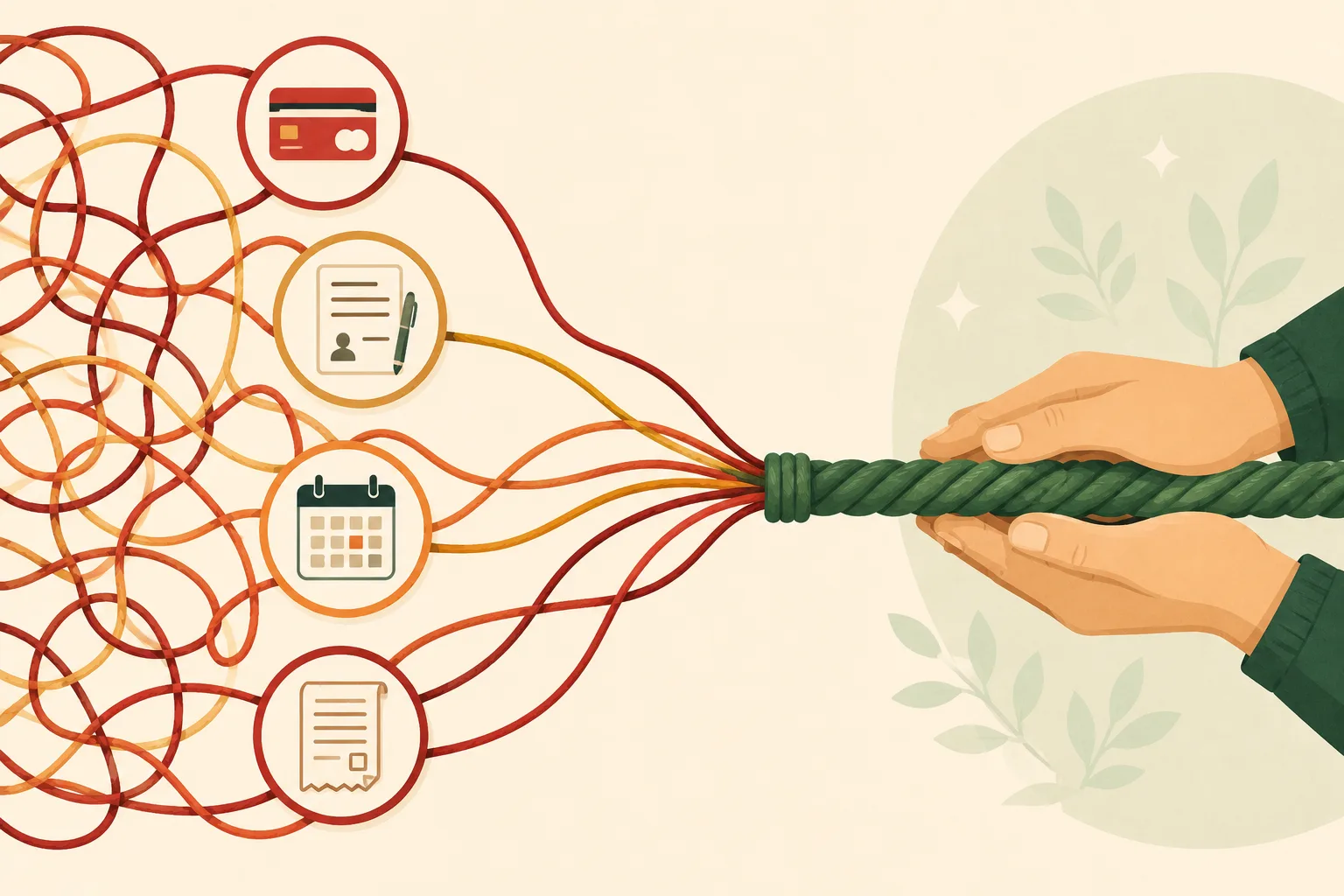
Restructuring means a lender agrees to change a loan's terms, tenure, EMI, interest rate, or a payment holiday. Personal loan and business debt restructuring go through the same kind of conversation with your existing lender, but the process and documentation differ meaningfully.
Mohit Juneja
Reviewed by FREED India, Debt Resolution Specialists
 4.7/5
4.7/5 ₹3,200Cr+
 20,000+
 20,00,000+4.7/5₹3,200Cr+20,000+20,00,000+
KEY TAKEAWAYS

Restructuring a personal loan and restructuring business debt both go through your existing lender, but the process and documentation differ meaningfully.
Every MSME-specific "restructure without a credit downgrade" scheme the RBI has issued was a one-time, time-bound window; the 2019, 2020, and 2021 versions have all expired.
Today, both personal and business restructuring fall under the same standing rule: a "standard" account gets downgraded to NPA immediately on restructuring.
Business restructuring typically requires a viability case, cash flow projections, and a credible path back to normal repayment; personal loan restructuring usually just requires proof of the temporary hardship.
What Restructuring Means for Personal Loans vs Business Debt
Both mean the same core thing at heart: a lender agrees to change a loan's terms, tenure, EMI, interest rate, or a payment holiday. Where they diverge is in the process and paperwork behind getting there.
Here's the point this piece exists specifically to correct. Several MSME-specific schemes have existed over the years that allowed restructuring without a credit classification downgrade: the original 2019 scheme and the 2020 and 2021 COVID-era versions that followed it. All of these were one-time, time-bound windows, and every single one has expired.
Today, both personal and business restructuring fall under RBI's general Prudential Framework for Resolution of Stressed Assets, meaning a standard account gets downgraded to NPA immediately upon restructuring, regardless of whether it's a personal loan or a business loan. FREED's fuller regulatory explainer covers this mechanic and its credit impact in depth, worth reading if this is new information to you.
Knowing that upfront, here's how to actually assess whether restructuring is the right move before starting either process.

Freed Expert Tip
Don't assume an old MSME restructuring scheme you read about somewhere is still available; ask your lender directly what applies today under the current standing framework.
Have Personal Unsecured Debt Too?Before You Start: Assessing Whether Restructuring Is the Right Move
Restructuring suits temporary, resolvable stress, a job loss you genuinely expect to be short-term, a business facing a temporary revenue dip, not a permanent shift in your ability to repay going forward.
Being honest about the actual cause matters more than it might seem. A lender's viability assessment, especially for business debt, will test this directly, and vague or overly optimistic projections tend to get rejected outright or come back to bite the borrower later once reality doesn't match what was promised.
Worth weighing the immediate NPA-downgrade cost against the alternative too. For personal debt, consolidation might avoid this classification hit entirely if the real issue is juggling several smaller debts rather than one loan genuinely needing restructuring. For business debt, this particular trade-off is more limited, since consolidation isn't typically a business-lending product in the same way it is for personal unsecured debt.
With that honestly assessed, here's the personal loan process first.
Step-by-Step: How to Restructure a Personal Loan
Here's what the process actually looks like, step by step.
- Contact your lender directly, usually through their collections or customer service team. State clearly that you want to discuss restructuring specifically, not just ask for more time informally.
- Explain the hardship with documentation. A job loss letter, medical bills, or income proof showing reduced earnings. Lenders respond noticeably better to documented, specific circumstances than to general requests.
- Propose specific new terms. An extended tenure, a lower EMI, or a short moratorium. Come with a number in mind rather than an open-ended ask.
- Get the lender's counter-offer in writing. Compare it against your original terms, specifically the total interest over the new tenure, not just the monthly figure.
- Confirm the classification and reporting impact directly. Ask exactly how this will show on your credit report and what performance is needed to recover "standard" status.
- Sign and get a copy of the final agreement. Keep it filed with your other loan documents, not scattered across emails and messages.

Considering Restructuring vs Another Option?
Get a free, honest read on your full debt picture.
Get a Free AssessmentStep-by-Step: How to Restructure Business Debt
This process is genuinely more document-heavy than the personal loan track, and that difference is exactly what most generic content on restructuring skips over.
- Gather financial statements and cash flow projections. Typically, 2 to 3 years of financials, plus a forward projection showing how the business returns to serviceable repayment. This is the centrepiece of what a lender actually evaluates.
- Confirm your Udyam or MSME registration status. This is relevant to how your business is classified and which lender policies apply. Keep it current and accurate before you approach anyone.
- Approach your lender's relationship or credit team. Larger exposures may involve a formal restructuring proposal reviewed by a full credit committee, rather than a single point of contact handling it directly.
- Present a viability case, not just a hardship story. Lenders need to see a credible path back to normal servicing, not simply an explanation of why things went wrong in the first place.
- Negotiate specific terms. Extended tenure, a moratorium on principal, or a working-capital-specific adjustment, depending on what type of facility is actually involved.
- Understand the classification consequence upfront. The same Prudential Framework as personal loans applies here, standard to NPA on restructuring; factor this directly into whether restructuring or another form of relief actually fits better.
- Get board-approved policy terms in writing from the lender. Banks and NBFCs are required to have a board-approved restructuring policy; ask specifically what it lays out.

What Happens to Your Credit Score or CIBIL During Either Process
The mechanic here is identical for personal and business restructuring: an immediate downgrade to NPA on a standard account, reported straight to the bureau.
Worth knowing the timing detail too: since January 2025, RBI requires fortnightly rather than monthly credit reporting, so this typically reflects within about 15 days rather than up to a month. The fuller mechanic, recovery path, and worked examples are covered in depth in FREED's dedicated piece on this, worth reading in full rather than repeating here.

Common Mistakes in the Restructuring Process
A handful of avoidable mistakes come up repeatedly across both tracks.
- Approaching the lender with only a verbal explanation, no documentation. For business debt especially, this significantly weakens the case before it's even properly considered.
- Not comparing the new terms' total interest cost against the original loan. A lower EMI over a longer tenure can mean paying meaningfully more overall, even though each individual payment feels lighter.
- Treating a lender's first counter-offer as final rather than negotiating. Terms are often more flexible than the first offer suggests.
- For business debt, submitting outdated or inconsistent financials. This is one of the fastest ways a viability case gets rejected outright.
- Not getting the final agreement in writing before assuming anything is actually settled.
What Are Your Options Beyond Restructuring?
A few genuinely different paths are worth weighing depending on which side of this you're on.
For personal unsecured debt, especially where multiple smaller debts rather than one large loan are the real issue, consolidation is often a cleaner path than restructuring any single loan, and it doesn't carry the same immediate NPA-downgrade mechanic. For genuine, sustained inability to repay personal debt, settlement is the last-resort option, worth being direct that it carries a distinct CIBIL impact of its own.

For business debt facing more severe, sustained distress beyond what restructuring can realistically resolve, formal insolvency resolution mechanisms exist under the Insolvency and Bankruptcy Code, including a lighter-touch pre-packaged process available to eligible MSMEs. Understanding the difference between insolvency and bankruptcy is worth reading if this distinct, more serious path is relevant to your situation; it's a genuinely different process from restructuring, and not something this piece covers in depth.
Multiple Personal Debts Rather Than One?
See if consolidation fits better than restructuring one loan.
Check My Consolidation OptionsHow FREED Helps If You Also Have Personal Unsecured Debt
Worth stating this plainly upfront: FREED does not handle business or MSME debt, and doesn't perform restructuring itself for personal loans either. That's a direct negotiation between you and your existing lender, covered in the process sections above.
What FREED does help with is a separate piece. For a business owner or a salaried individual whose personal, unsecured debt, credit cards, personal loans, BNPL, is a distinct problem from their business or a restructured loan, FREED's Debt Consolidation Program or Debt Resolution Program can help with that specific, separate piece.
Here's a simple way to place yourself. If it's one loan needing better terms, that's a direct conversation with that lender. If it's several personal unsecured debts adding up on top of that, FREED's programs are the relevant fit for that separate part of the picture.
Tips Before You Approach Your Lender
A few things worth doing before that first conversation, whichever track applies to you.
- Prepare documentation before the first conversation, not after being asked for it midway through.
- Know your own numbers. Current EMI, proposed EMI, total interest either way, worked out before the lender presents theirs.
- Ask direct questions about credit reporting and recovery timeline upfront. Don't leave this detail for later, once the terms already feel locked in.
- For business debt, keep financials current and consistent across every single document you submit.
- Don't treat restructuring as a first response to a single missed payment. Reserve it for genuine, sustained difficulty instead.
Sources
Claim | Source |
Restructuring a standard account triggers an immediate downgrade to NPA, applying equally to personal and business debt, with no current MSME exemption | RBI Prudential Framework for Resolution of Stressed Assets, RBI/2018-19/203 |
RBI requires fortnightly (roughly 15-day) credit information reporting, effective January 1, 2025 |

Mohit Juneja
Mohit Juneja writes educational content at FREED on debt management, credit scores, loan repayment, and borrowing best practices. His content is shaped by expert insights and industry knowledge, helping readers better understand their financial options and make informed decisions.
mohit.juneja@freed.care

FREED is India's trusted loan management platform. Founded in 2020 and headquartered in Gurugram, FREED has counselled 20 lakh+ people on personal loans, credit cards, and app loans. FREED charges fees only on successful settlement, not upfront. FREED does not handle secured loans (home loans, car loans, gold loans).
Media Mentions