Good Debt vs Bad Debt: Explained With Simple Examples
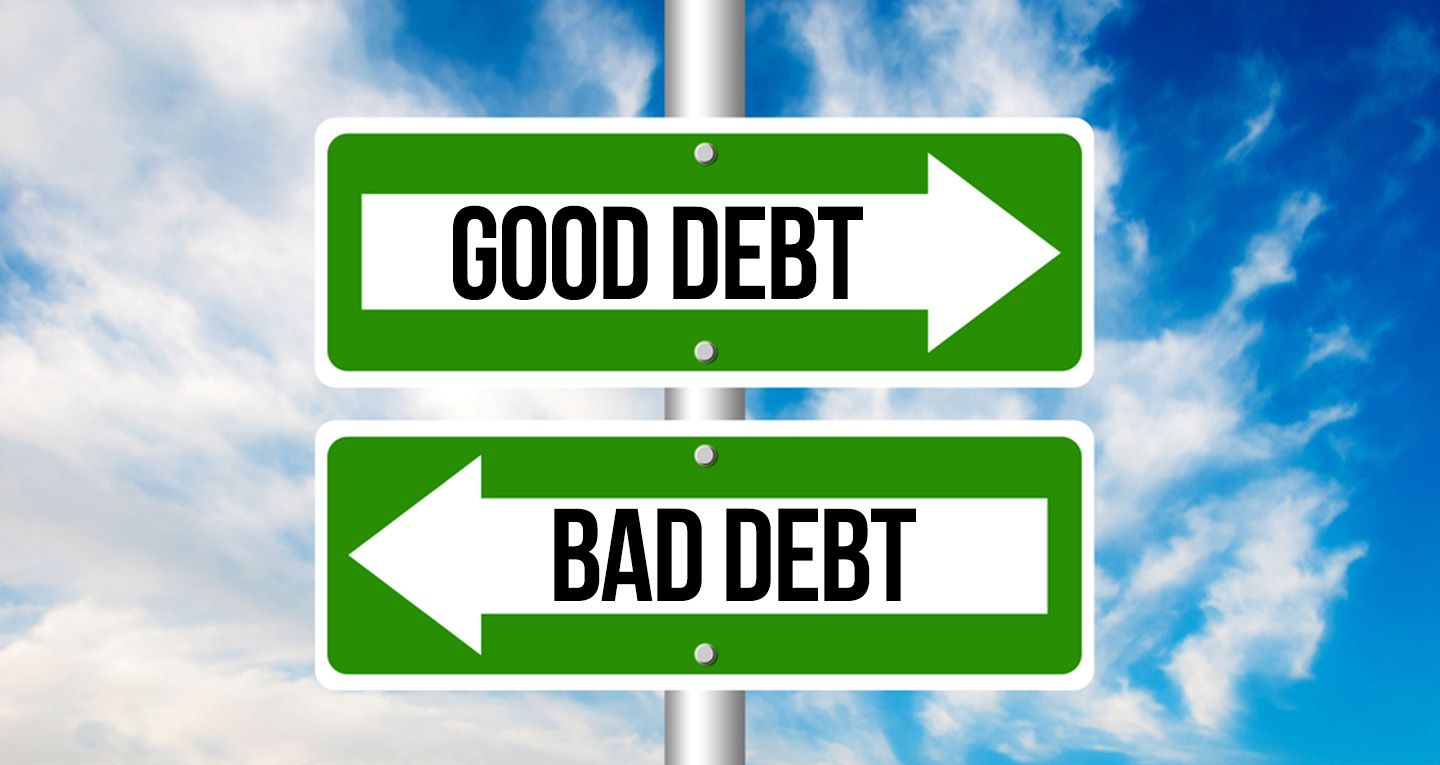
Not all debt is bad. Some debt builds your future. Some destroy it. Knowing the difference is one of the most important money lessons you can learn. Here's exactly how to tell them apart.
FREED India
Reviewed by FREED India, Debt Resolution Specialists
 4.7/5
4.7/5 ₹3,200Cr+
 20,000+
 20,00,000+4.7/5₹3,200Cr+20,000+20,00,000+
Key Takeaways

Good debt is borrowing that builds your future - education, business, home. It creates value that outweighs the cost of borrowing.
Bad debt is borrowing for things that lose value immediately: luxury goods, daily expenses on credit cards, high-interest payday loans.
Any debt, even good debt, becomes bad debt when you have no clear plan to repay it.
Credit cards are not automatically bad debt. It depends on how you use them and whether you pay the full balance every month.
If your debt, good or bad, has become unmanageable, FREED can help you find a structured way out.
What is Good Debt?
Good debt is money you borrow to invest in something that will give you more back in the future.
Think of it like planting a seed. You spend money now but you get a bigger return later. The debt has a purpose. It creates value. And when managed well, the return outweighs what you pay in interest.
Good debt typically has:
- A lower interest rate
- A clear repayment plan
- A return on investment - financial, career, or lifestyle
But here's the important part - good debt only stays good if you have a realistic plan to repay it. Without a repayment plan, even the best-intentioned debt can turn into a financial burden.
Examples of Good Debt in India
- 1
1. Education Loan
Borrowing to invest in your education, especially for a skill or qualification that increases your earning power is generally considered good debt. Example: Riya from Indore takes an education loan of ₹8,00,000 to pursue a B.Tech degree from a reputable engineering college. After graduating, she gets a job at ₹6,00,000 per year. The loan that felt large when she took
- 2
2. Home Loan
Borrowing to buy a home is considered good debt for two reasons. First, you are building an asset that typically appreciates over time. Second, you are converting rent payments (which build no asset) into EMI payments (which build ownership). Example: Suresh from Bhopal takes a home loan of ₹25,00,000 at 8.5% interest to buy a 2BHK flat. Over 20 years,
- 3
3. Business Loan
Borrowing to start or grow a business that has a realistic chance of generating returns is considered good debt. Example: Priya from Surat takes a business loan of ₹5,00,000 to purchase equipment for her tailoring business. The equipment increases her capacity, she takes more orders, earns more. The loan repays itself within 2 years from the additional income it generates.
What is Bad Debt?
Bad debt is money you borrow for things that do not create value and often lose value the moment you buy them.
You borrow money. You buy something. The thing depreciates or gets consumed. You are left with nothing of value but the repayment obligation remains. Sometimes with very high interest.
Bad debt typically has:
- High interest rates, especially credit cards at 36–42% per year
- No return on investment, the purchase doesn't increase income or wealth
- No clear repayment plan just "I'll pay the minimum and see"
Examples of Bad Debt in India
- 1
1. Credit Card Debt for Daily Expenses or Impulse Purchases
Using your credit card for groceries, petrol, eating out, online shopping and not paying the full bill at the end of the month creates expensive bad debt very quickly. Example: Vikram from Nagpur uses his credit card for all daily expenses and pays only the minimum due every month. His outstanding grows to ₹60,000. At 38% annual interest, he is
- 2
2. Luxury Purchases on EMI
Buying a ₹1,50,000 phone or ₹2,00,000 television on a "no-cost EMI" or a personal loan when you don't need it and could manage without it is bad debt. Example: Amit buys the latest smartphone for ₹1,20,000 on a personal loan at 18% interest over 2 years. By the time he finishes paying, the phone is worth ₹30,000. He paid ₹1,40,000
- 3
3. Payday Loans and Instant App-Based Loans
Short-term high-interest loans taken from apps or money lenders to bridge a gap before the next payday are among the most dangerous forms of bad debt. Interest rates on these can be 40–60% per year or even higher when fees are included. They are designed for short-term use but often trap borrowers in a cycle of repeated borrowing. Example: Deepa
Are You in a Loan Trap? Quick Check
Move the slider to your total EMIs as a % of monthly salary. See your debt stress level instantly.
EMIs as % of Monthly Salary
What to Do If Your Debt Has Become Unmanageable
Many people start with good debt. A home loan here. An education loan there. Then a credit card for convenience. Then a personal loan for a wedding. Then an app loan for a tight month.
Slowly without noticing the combined EMI becomes impossible to manage. Good debt and bad debt both pile up. The total consumes most of the monthly income. Savings disappear. Stress builds.
If this sounds familiar you are not alone. And there are real options:
If you can still pay but multiple EMIs are overwhelming: FREED's Debt Consolidation Program combines all your loans into one lower EMI. Simpler to manage. Often cheaper in total interest.
If you have already missed payments and genuinely cannot repay in full: FREED's Debt Resolution Program negotiates with your lenders to settle your debt for less than what you owe. On average, FREED clients settle at 56% less than the original outstanding.
If you want to understand how your current debts are affecting your financial health: FREED's counselors can help you identify which accounts are impacting you the most and what to prioritize first.
About FREED
FREED is India's first and leading Debt Relief Platform. We help people who are overwhelmed by credit card bills, personal loans, and EMIs whether from good debt that went out of hand or bad debt that accumulated over time find a legal, stress-free path to becoming debt-free.
We offer Debt Consolidation (one lower EMI for multiple loans) and Debt Resolution (settle for less when you genuinely can't repay in full). We protect you from recovery harassment through FREED Shield trusted by over 15,00,000 Indians.
Over 10,000 Indians have used FREED to get their finances back on track.
No complicated language. No hidden charges. No judgement. Just honest, practical help.
Call us: 0124-6663555 (Mon–Sat, 10AM–7PM) www.freed.care | FREED Shield

India's leading debt resolution platform
FREED is India's leading platform for debt settlement and financial wellness. We have helped over 60,000 Indians reduce, manage, and get completely out of debt the right and legal way.
Media Mentions