Wash your debt away
Monsoon has a way of making everything feel like it needs a fresh start, windows cleaned, old things cleared out, a general sense of washing away what has built up. Your finances can use exactly the same instinct. Here is how to actually wash debt away, step by step, rather than just wishing it would rinse off on its own.

Mohit Juneja
Reviewed by FREED India, Debt Resolution Specialists
 4.7/5
4.7/5 ₹3,200Cr+
 20,000+
 20,00,000+4.7/5₹3,200Cr+20,000+20,00,000+
Key Takeaways

Debt, like a stubborn stain, does not come out simply by wishing it away or ignoring it, it needs to be seen clearly first, then treated with a specific method matched to what actually caused it.
Some debt washes out relatively easily with consistent, disciplined effort. Other debt, larger, older, spread across several accounts, needs a more deliberate, structured approach, the equivalent of a deeper treatment rather than a quick rinse.
The single most damaging habit while trying to wash debt away is continuing to add new stains, taking on new debt, while still working on the old ones.
Once debt is genuinely cleared, protecting that clean state, an emergency fund, disciplined credit use, matters as much as the original cleanup, otherwise the same stains simply return.
If a specific debt situation feels like a stain that will not come out no matter how it is washed, FREED can help treat it directly through consolidation or settlement.
Why the "Wash Away" Metaphor Actually Works for Debt
A stubborn stain on fabric does not disappear because you decide not to look at it. It sits there, often getting harder to remove the longer it is left, until someone actually treats it, deliberately, with the right method for that specific kind of stain.
Debt behaves in almost exactly the same way. It does not fade from neglect, interest keeps compounding whether or not the statement is opened, and the longer a specific debt is left untreated, the more effort it typically takes to finally clear it. The metaphor holds up because the solution is also the same in both cases, look closely, understand what you are actually dealing with, and apply a specific, deliberate method rather than hoping it resolves itself.

Ready to actually wash your debt away, not just hope it fades?
Talk to a FREED Expert for free.
Connect with FREED ExpertStep 1: See the Full Stain Before You Try to Clean It
You cannot treat a stain you have not actually looked at closely. In the same way, you cannot meaningfully address debt without first calculating the actual, complete total, every credit card, every loan, every BNPL commitment, with its outstanding balance and interest rate, written down honestly in one place.
This step is uncomfortable in the same way turning on a bright light over a stain is uncomfortable, it can look worse once you actually see it clearly. But this discomfort is temporary and useful, it is the only way to know exactly what you are working with, which is the necessary foundation for every step that follows.
Step 2: Separate What Can Be Washed Out Now From What Needs Deeper Treatment
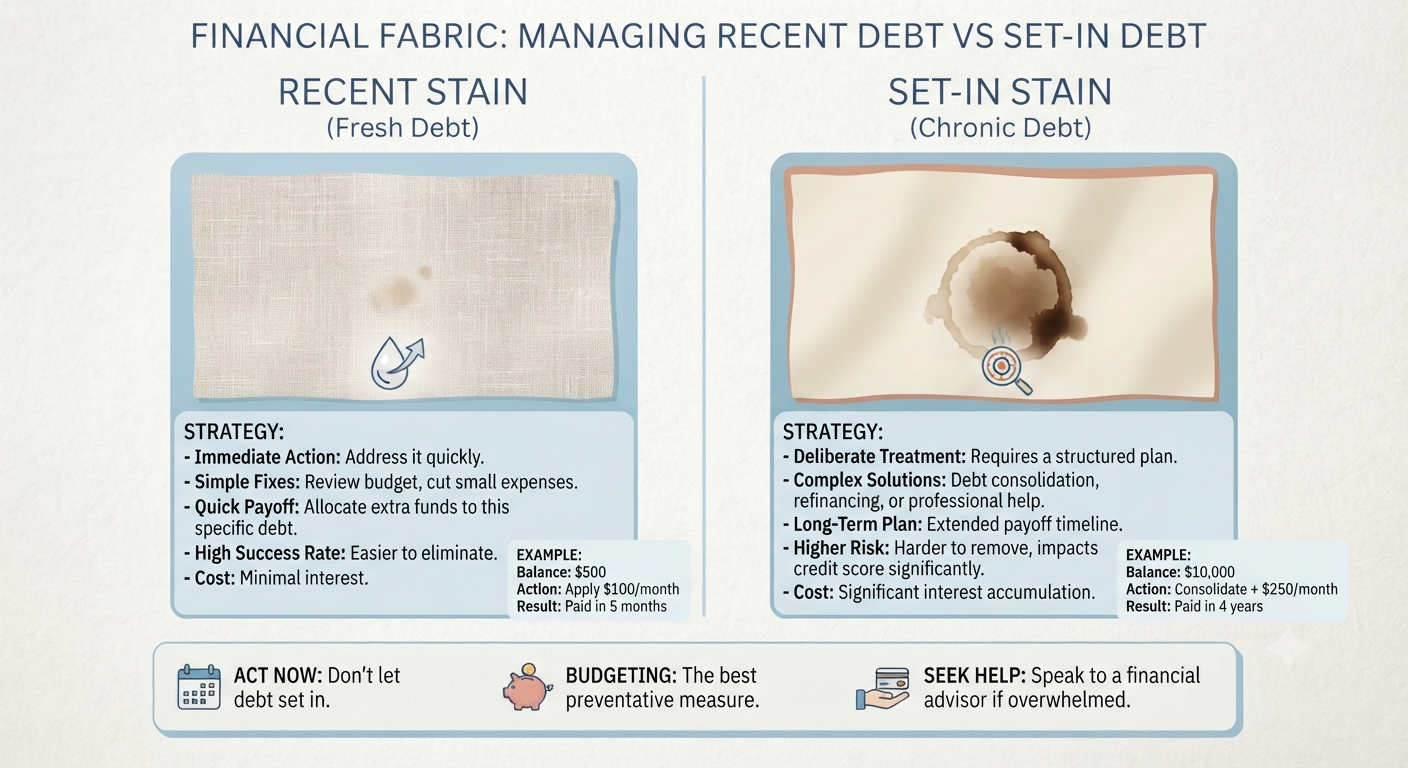
Not every stain needs the same treatment. A light mark from something spilled yesterday often comes out with a quick, ordinary wash. A set-in, months-old stain usually needs a specific pre-treatment before it will budge at all.
Debt works the same way. A smaller balance, recently accumulated, with a clear, disciplined repayment plan, often clears with consistent effort over a few months. A larger, older balance, especially one spread across several accounts or already overdue, usually needs a more deliberate, structured approach, the debt equivalent of a proper pre-treatment, before ordinary repayment alone will make a visible difference.
Step 3: Work on the Toughest Stain First
When cleaning several stained garments at once, it generally makes sense to start with the toughest, most set-in stain, since it needs the most time and the most active attention, while lighter marks can wait a little without getting harder to remove.
Debt prioritisation works on the same logic, though inverted by cost rather than age. Direct any extra repayment effort towards the highest interest debt first, typically a credit card at 36 to 42%, while maintaining minimum payments on everything else. This is the debt equivalent of tackling the most stubborn stain first, since it is actively costing the most every single day it is left untreated.
Step 4: Stop Adding New Stains While You Are Cleaning
It makes little sense to carefully treat an old stain while continuing to spill new things onto the same garment. Yet this is exactly what happens when someone works hard to pay down existing debt while continuing to add new credit card spending or new loans during the same period.
While actively washing away existing debt, pause any non-essential new borrowing, a new credit card, a BNPL purchase, an additional loan. Each new addition works directly against the progress being made, and, much like a fresh stain landing on a garment mid-wash, undoes real, active effort rather than simply adding to a static pile.
Trying to pay down debt but new expenses keep adding to the pile?
Talk to a FREED Expert for free.
Talk to a FREED ExpertStep 5: Use the Right Method for Each Type of Debt
Different stains need different treatments, oil needs a different approach than ink, which needs a different approach than grass. Using the wrong method wastes time and sometimes sets the stain further rather than lifting it.
Debt is similar. High interest credit card debt responds well to disciplined, targeted repayment, or, once large enough, to consolidation or negotiated settlement. A reasonable, lower interest home loan generally does not need the same urgent treatment, it can simply be maintained on schedule as part of the normal financial picture. Applying an aggressive, disruptive method to a debt that did not need it wastes energy that would be better spent on the debt that actually does.
Are You in a Loan Trap? Quick Check
Move the slider to your total EMIs as a % of monthly salary. See your debt stress level instantly.
EMIs as % of Monthly Salary
Step 6: Rinse and Check, Do Not Assume It Is Clean
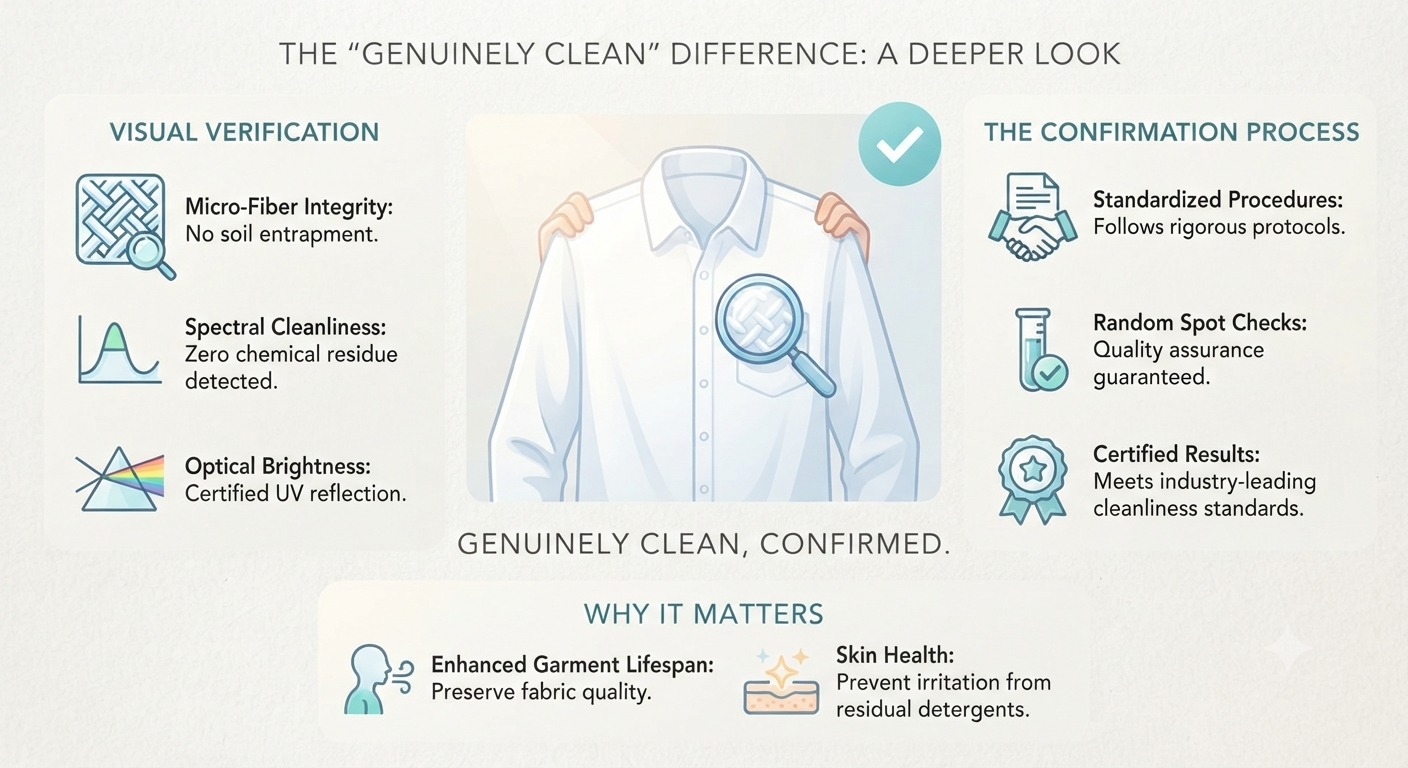
A stain treatment is not complete the moment the visible mark disappears. A proper process involves rinsing thoroughly and checking again under good light, since a partially treated stain can reappear once the fabric dries.
The debt equivalent of this step is confirming, in writing, that a cleared account is genuinely, fully closed, not just that a payment was made. After clearing a credit card balance or completing a settlement, confirm the account status has actually updated with the bureau, and, for a settlement specifically, collect the written No Dues Certificate as permanent proof, rather than simply assuming the matter is closed once a payment has gone through.
Step 7: Protect the Fabric Once It Is Clean
Once a stain is genuinely removed, sensible care means protecting the fabric from the same problem recurring, perhaps treating it, being more careful around the same activity that caused the original stain, or simply paying closer attention going forward.
Once debt is genuinely cleared, the equivalent protection is a rebuilt or newly established emergency fund, so the next unplanned expense does not immediately recreate the same problem, and a renewed discipline around credit use, paying statements in full, keeping utilisation low, so the habits that led to the original debt do not simply repeat themselves on a clean slate.

What the Law Says
Under RBI's Fair Practices Code, once a debt is settled or fully repaid, lenders are required to update your account status with credit bureaus and provide written confirmation, a No Dues Certificate for a settlement, on request. Treat this written confirmation as the equivalent of that final rinse and check, the specific, necessary proof that a debt is genuinely, permanently resolved, not simply that a payment has been made.
Settle My LoansWhen a Stain Will Not Come Out With Washing Alone
Some stains, however, do not respond to any home treatment, no matter how carefully or persistently applied, and need to be taken to a specialist who has the right tools and process for that specific, stubborn case.
Debt reaches a similar point when the combined outstanding across several accounts is large enough that disciplined repayment alone, even applied patiently and consistently, would take many years to meaningfully reduce it, or when several accounts have already gone significantly overdue. At this point, the honest next step is not washing harder, it is bringing in the equivalent of a specialist.
FREED's Debt Consolidation Program combines multiple high interest debts into one lower interest loan with a single, manageable EMI, the equivalent of a deep, professional treatment applied to the whole garment at once rather than stain by stain.
FREED's Debt Resolution Program negotiates a reduced settlement for debt that cannot realistically be repaid in full, on average 56% less than the original outstanding, for the specific stains that ordinary washing was never going to lift on its own.
A free consultation can assess your specific situation honestly and identify whether your debt is one that disciplined repayment can wash away on its own, or one that needs a more structured, professional approach.
Want an honest read on whether your debt is something you can wash away yourself, or needs a deeper treatment?
Take the FREED Financial Health Score, free, 2 minutes.
Check My Financial Health ScoreWhat a Genuinely Clean Financial Slate Looks Like
A genuinely clean financial slate is not simply the absence of debt on a given day, it is the combination of cleared or resolved existing debt, a rebuilt emergency fund standing guard against the next unplanned expense, and habits, full statement payments, disciplined utilisation, that keep the same stains from settling back in over time.
This is the real, sustainable version of "washing your debt away," not a one time clean, but a maintained, ongoing state, the financial equivalent of simply taking better care of the fabric once it is genuinely clean.
Ready to actually wash your debt away this season, not just hope it fades?
Talk to a FREED Expert for free.
Talk to a FREED Expert
Mohit Juneja
Mohit Juneja writes educational content at FREED on debt management, credit scores, loan repayment, and borrowing best practices. His content is shaped by expert insights and industry knowledge, helping readers better understand their financial options and make informed decisions.
mohit.juneja@freed.care

FREED is India's trusted loan management platform. Founded in 2020 and headquartered in Gurugram, FREED has counselled 20 lakh+ people on personal loans, credit cards, and app loans. FREED charges fees only on successful settlement, not upfront. FREED does not handle secured loans (home loans, car loans, gold loans).
Media Mentions