Debt Recovery Letter Sample: How to Respond When Banks Send You One
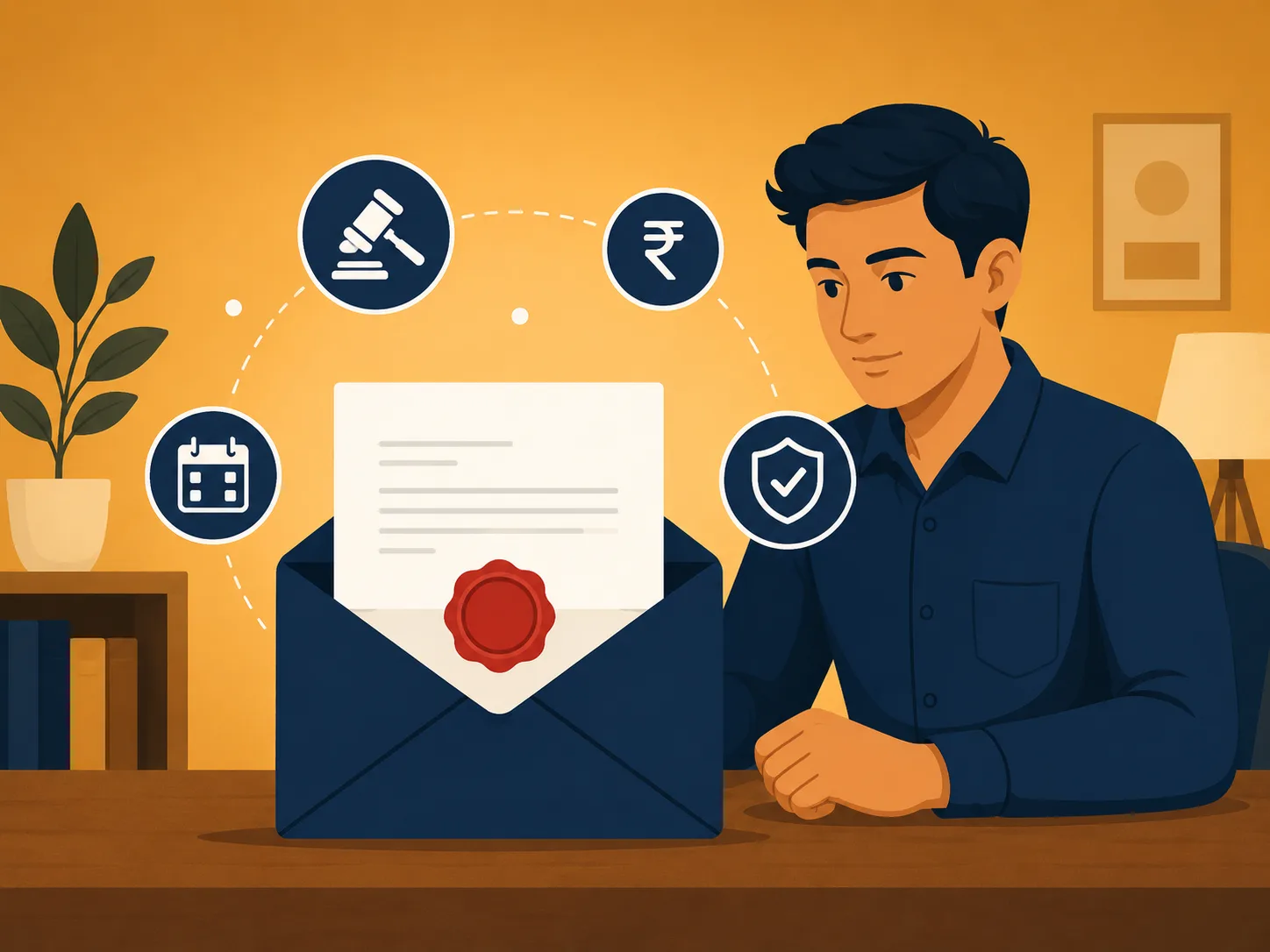
A debt recovery letter is a formal written demand from your bank or NBFC asking for overdue payment within a fixed deadline, usually 15 to 30 days. How you respond matters. Ignoring it strengthens the bank's position. A calm, factual written reply keeps your options open.
Mohit Juneja
Reviewed by FREED India, Debt Resolution Specialists
 4.7/5
4.7/5 ₹3,200Cr+
 20,000+
 20,00,000+4.7/5₹3,200Cr+20,000+20,00,000+
KEY TAKEAWAYS

A debt recovery letter is not a court summons. It's a demand for payment, and you still have time to respond.
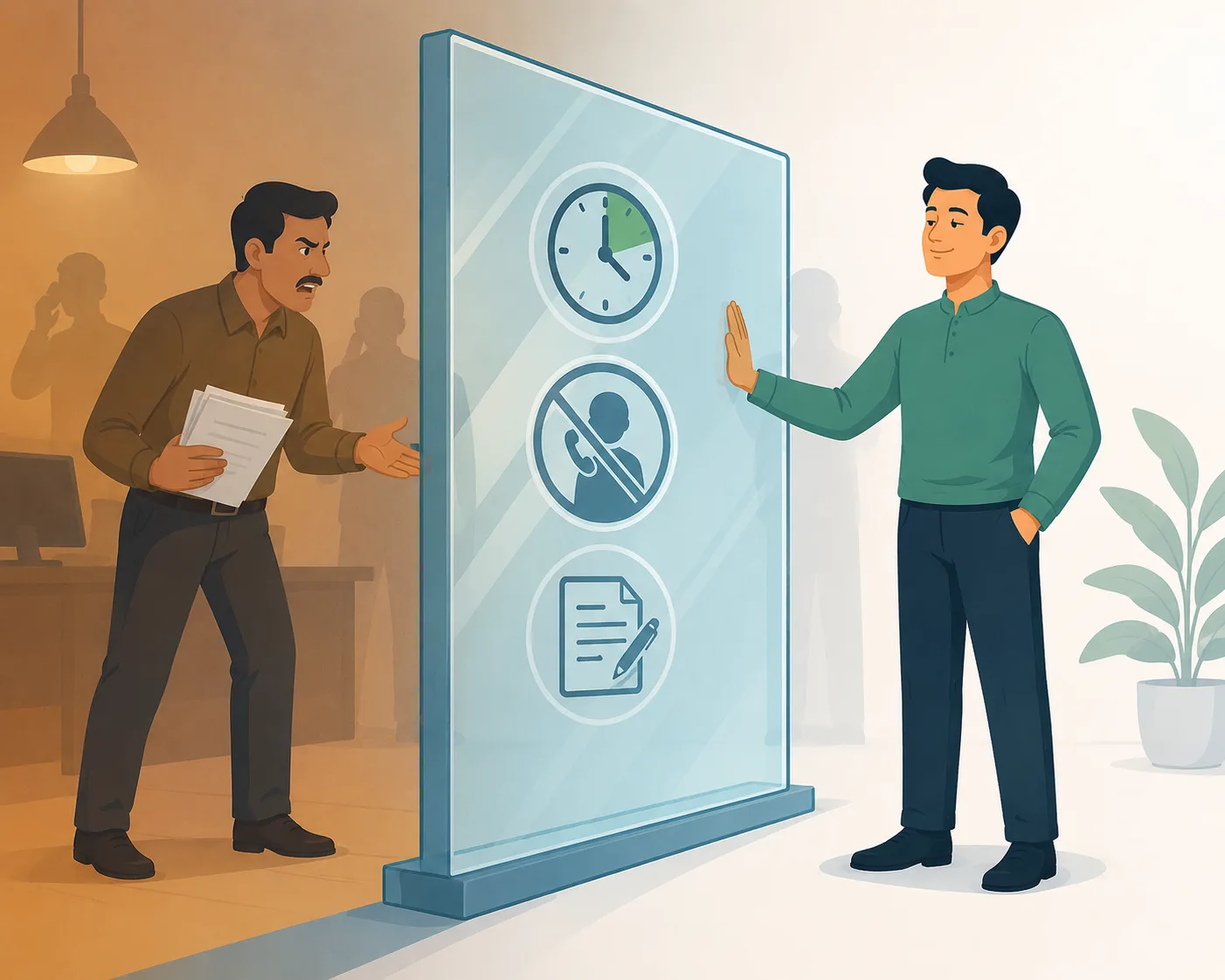
Never ignore it. Silence may be viewed as a lack of engagement by the lender. Silence is read as unwillingness to engage, not as a valid defence.
A good response confirms receipt, states your position clearly, and proposes a realistic way forward.
For informal reminder letters, a self-drafted reply is fine. For formal legal notices, get a lawyer to review your response before you send it.
Always send your reply by a method that proves delivery, such as registered post or email with a read receipt.
If the letter mentions a bounced cheque, a separate law applies. A bounced cheque EMI can trigger Section 138 of the Negotiable Instruments Act, which allows a criminal complaint, up to 2 years in jail, or a fine of up to twice the cheque amount. NACH or ECS bounces follow a different legal path, but the bank can still act.
What Is a Debt Recovery Letter?
A debt recovery letter is a written notice from your bank or NBFC telling you that a payment is overdue and asking you to clear it by a set date. Most of these letters give you 15 to 30 days to respond or pay. It's usually the first formal step a bank takes once a few EMIs or credit card payments have been missed.
There are two very different kinds of letters that get lumped together under "recovery letter," and mixing them up causes most of the panic.
The first is an informal reminder. It comes from the bank's own collections team, on the bank's letterhead, and it simply restates what you owe and asks you to pay or get in touch. You can usually handle this one yourself.
The second is a formal legal notice, sent on an advocate's letterhead, often referencing a specific law or threatening legal action. This is a different document with different stakes, and it deserves its own explanation. We've covered that in detail in our guide to legal notices for loan recovery, so we won't repeat it here.

What the Law Says
Under RBI's Fair Practices Code, lenders should give borrowers prior notice before major recovery action and avoid harassment. A recovery letter is generally part of this process.
FREED can help review it.Should You Respond to a Debt Recovery Letter?
Yes. Every time. This is the single most important thing to take from this blog.
A lot of people freeze when a recovery letter arrives. They can't pay in full, so they assume there's nothing useful to say, and they let the deadline pass in silence. That's the worst outcome available to you.
Silence doesn't read as a valid excuse to a bank. It reads as a borrower who isn't engaging. Banks track this. If a case eventually moves toward legal action, a file showing zero response from you looks very different from a file showing that you wrote back, explained your situation, and proposed a way forward, even if you couldn't pay the full amount immediately.
A response costs you nothing except a few minutes and a clear head. It doesn't commit you to anything you haven't agreed to. It doesn't admit guilt. What it does is put your side of the story on record, in writing, with a timestamp. That record matters more than most people realise until they need it.
Even if your honest answer is "I cannot pay this right now," saying that clearly and in writing is far better than saying nothing at all.
What to Include in Your Response Letter
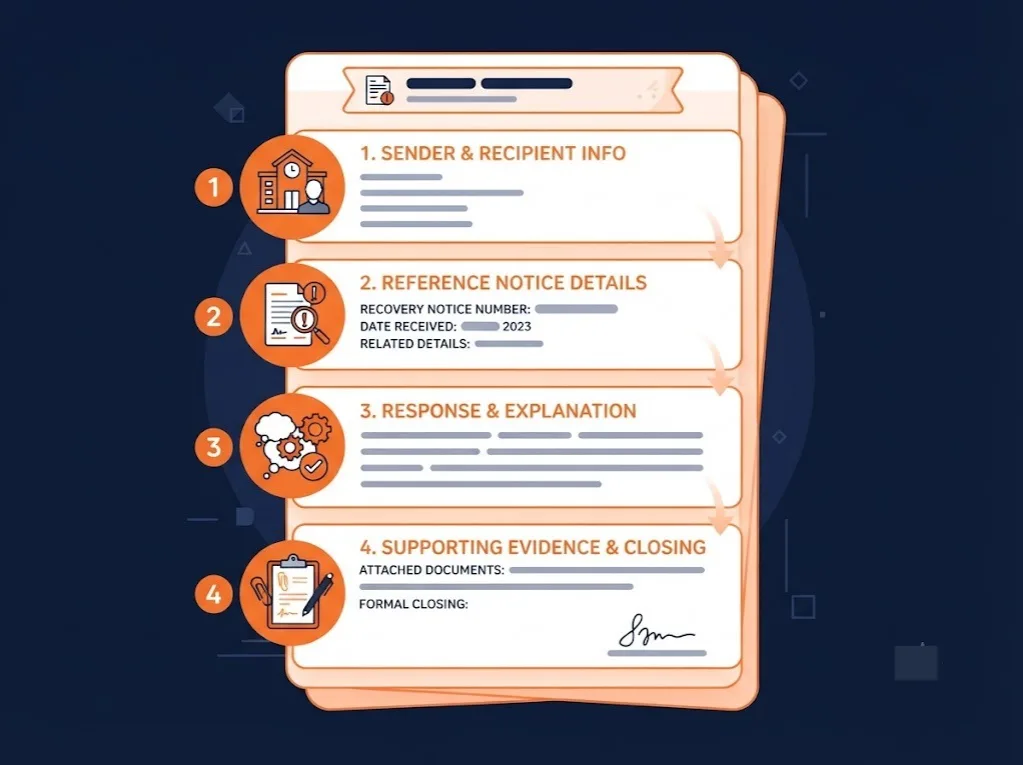
Think of your response as having four working parts. This isn't a copy-paste template, every situation is different, but these four elements need to show up in some form.
- Your account reference. Loan account number, card number, or customer ID, exactly as it appears on the bank's letter. Without this, your reply might not even reach the right file.
- Acknowledgement that you received the letter. State the date you received it and confirm you understand what's being asked. This closes off any later claim that you were unresponsive.
- A factual statement of your position. This is the core of the letter, and it can go one of three ways. You might be disputing the amount, in which case say exactly what you're disputing and why. You might have already made a partial payment, in which case state the date and amount with any reference number. Or you might be facing genuine hardship, in which case say so plainly, without over-explaining or apologising at length.
- What you're proposing next. A revised payment date, a request for more time, a request for the account statement so you can verify the figure, or a request to discuss a structured plan. Whatever it is, name it clearly instead of leaving the ball entirely in the bank's court.
A response that hits all four is far more useful to you than a long, emotional letter that skips one of them. Banks respond to specifics. Vague apologies without a clear ask tend to get filed and ignored.
A Response Letter Structure You Can Adapt
Use this as a starting structure, not a form to fill in word for word. Change the sections to match your actual situation.
[Your full name]
[Your address]
[Your phone number and email]
[Date]
To,
[Bank / NBFC name]
[Branch address, as shown on the recovery letter]
Subject: Response to Recovery Letter — [Loan account number / Card number]
Dear Sir/Madam,
I am writing in response to your letter dated [date on their letter],
regarding [loan account number / card number], which I received on
[date you received it].
[Paragraph 1. Acknowledgement]
I acknowledge receipt of the notice and understand the amount stated is
[amount, or "under review" if you're disputing it].
[Paragraph 2. Your position]
[State your position clearly: dispute, partial payment already made, or
genuine financial difficulty. Be factual, not emotional.]
[Paragraph 3. Proposed resolution]
[State what you're proposing: revised date, request for statement,
request to discuss a structured repayment.]
I would appreciate your response at the earliest. Please feel free to
contact me at the number above.
Yours faithfully,
[Your name]
Every paragraph in brackets should reflect your actual facts, not a generic filler line. A letter that sounds copied usually reads that way to the bank too.
What NOT to Say in Your Response
A badly worded reply can hurt you more than no reply at all. A few things to keep out of your letter.
Don't confirm a specific outstanding amount you haven't checked yourself. Banks sometimes send figures that include charges you can dispute, like late fees or penal interest calculated incorrectly. Writing "I acknowledge I owe ₹85,000" when you actually don't know the correct number can be used against you later, even if the real figure turns out to be lower.
Don't make a casual, verbal-style promise you're not sure you can keep. "I'll definitely clear this by next month" feels reassuring to write, but if next month arrives and you still can't pay, that written promise now works against you. Say what you can realistically commit to, and nothing more.
Don't skip asking for proof of the calculation. If the letter states an amount, you're entitled to ask exactly how it was worked out, principal, interest, and any charges, broken down separately. A bank that can't produce this breakdown quickly often has a mistake somewhere in the number.

Freed Expert Tip
Never send a reply admitting a specific amount you haven't verified. Ask for a full statement of account first, then respond with the correct figures.
Get your account statement. FREED can help.When Should You Involve a Lawyer Instead of Replying Yourself?
Type of Communication | What It Looks Like | Reply Yourself? |
SMS or phone reminder | Casual, informal, from the bank's own team | Yes |
Recovery letter (informal) | Bank letterhead, restates the amount owed | Yes, with care |
Formal legal notice | Advocate's letterhead, cites specific laws | No, get it reviewed first |
Cheque bounce notice | References Section 138, mentions criminal complaint | No, get it reviewed first |
Court summons | Issued by a court, has a case number | No, involve a lawyer immediately |
An SMS or a routine recovery letter from the bank's own collections desk is something you can handle using the structure above. It's still worth being careful with your wording, but the stakes are manageable.
The moment a notice arrives on an advocate's letterhead, cites specific sections of law, or uses phrases like "legal action will be initiated," that's your signal to stop drafting and get it reviewed first. The same goes for any notice connected to a bounced cheque. A bounced cheque EMI can trigger Section 138 of the Negotiable Instruments Act, which allows a criminal complaint, up to 2 years in jail, or a fine of up to twice the cheque amount. This is a criminal law provision, not a routine recovery matter, and it comes with its own strict timelines.
And if you've already received a court summons with a case number on it, that's no longer a "reply by letter" situation. Get a lawyer involved before you respond in any form.

Not Sure How to Respond to Your Bank's Letter?
Talk to FREED before you write back.
Book My Free CallHow FREED Helps You Respond the Right Way
FREED isn't a law firm, and it doesn't replace a lawyer once a formal legal notice or court case is involved. What FREED does is help you understand what you're dealing with and organise the response, especially on the settlement and negotiation side.
FREED's in-house legal team can look at a notice you've received and tell you two things: whether it's a genuine legal notice that requires a formal reply, and what that reply should cover. If a reply is needed, the team helps you draft it. This support stops at the point where a case actually reaches court. Once litigation has started, FREED steps back, and that's exactly where a practising lawyer needs to take over.
Where FREED goes further is the part that comes after the letter. FREED's Debt Consolidation Program may combine eligible unsecured debts into a single repayment, depending on the approved loan amount, tenure, and lender terms. Either way, the process is assessed against your actual situation first, not assumed.
If a recovery call ever crosses the line into abusive or threatening behaviour, FREED Shield is also available to help you document what happened and understand your rights as a borrower, even if you're not enrolled in any FREED program.
Can't Pay in Full? See Your Real Options
Consolidation or settlement may be more realistic than the deadline in the letter.
Check My OptionsSources
Claim in Blog | Source |
Before recalling or accelerating a loan, lenders should give the borrower notice, as specified in the loan agreement or a reasonable period if the agreement doesn't specify one | RBI, Guidelines on Fair Practices Code for Lenders, May 2003 |
Lenders should not resort to undue harassment in recovery, such as persistently contacting borrowers at odd hours | RBI, Guidelines on Fair Practices Code for Lenders, May 2003 |
Note: the Section 138 NI Act consequences mentioned in this blog are established under the Negotiable Instruments Act itself, not an RBI circular, so no rbi.org.in link applies. That claim carries a instead and should be verified by the legal review team before publish.

Mohit Juneja
Mohit Juneja writes educational content at FREED on debt management, credit scores, loan repayment, and borrowing best practices. His content is shaped by expert insights and industry knowledge, helping readers better understand their financial options and make informed decisions.
mohit.juneja@freed.care

FREED is India's trusted loan management platform. Founded in 2020 and headquartered in Gurugram, FREED has counselled 20 lakh+ people on personal loans, credit cards, and app loans. FREED charges fees only on successful settlement, not upfront. FREED does not handle secured loans (home loans, car loans, gold loans).
Media Mentions