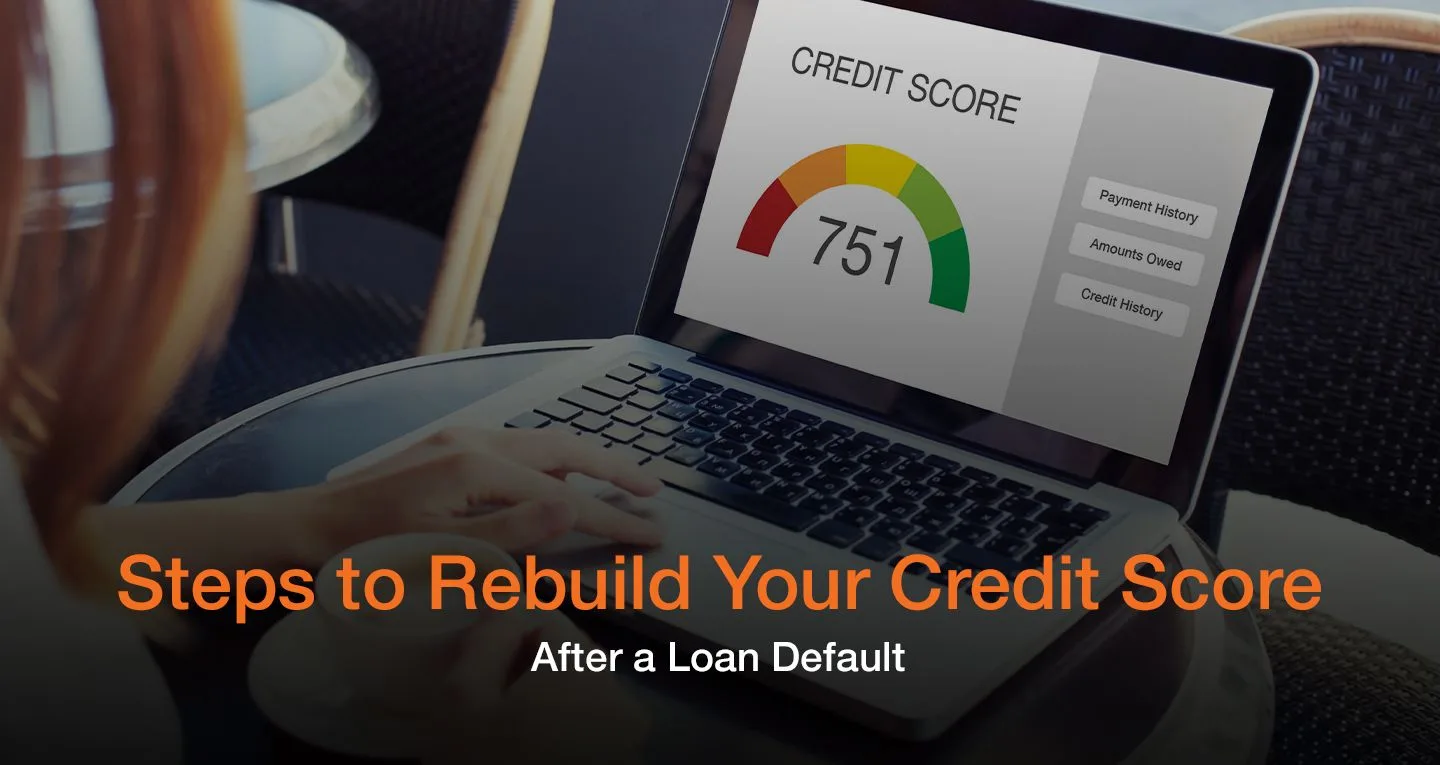
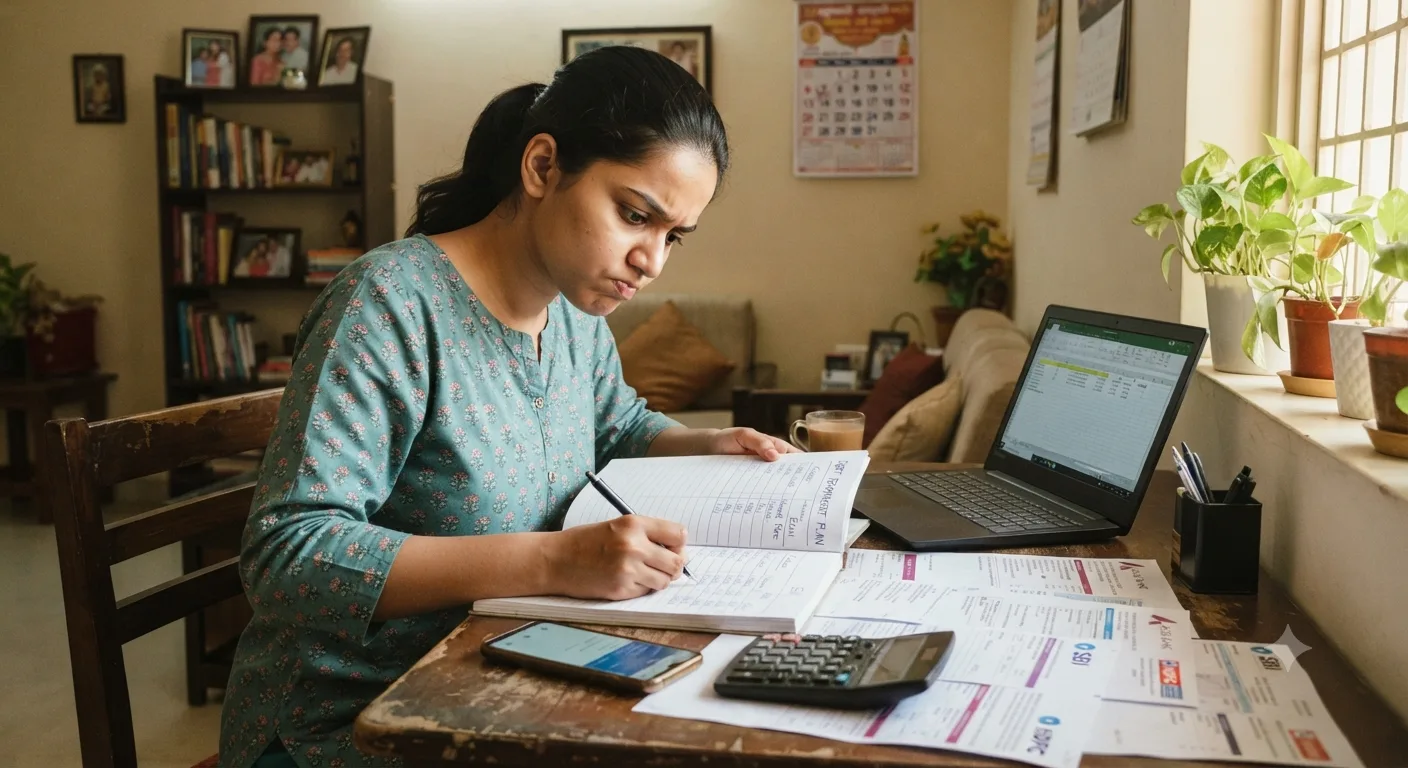
Consolidation Loans for Bad Credit: What Actually Works in India
Consolidation loans for bad credit combine multiple outstanding debts into one single EMI. Eligibility requirements vary by lender, and consolidation loans generally require a relatively healthy credit profile. If your score has dropped because of missed payments, a standard consolidation loan may not be available to you right now. This article explains what your options actually are, and which one fits your situation.
Mohit Juneja
Reviewed by FREED India, Debt Resolution Specialists

 4.7/5
4.7/5 ₹3,200Cr+
 20,000+
 20,00,000+4.7/5₹3,200Cr+20,000+20,00,000+
KEY TAKEAWAYS

Consolidation loans for bad credit require a CIBIL score that varies by lender. Thresholds differ across banks and NBFCs and no single universal number applies.
Lenders look at your score alongside your income, existing EMI burden, and repayment history. Score alone does not determine approval.
Credit card interest in India typically runs 30 to 40% annually. Personal loans used for consolidation tend to be lower, but only if you qualify.
If you are already defaulting, adding a new loan often makes things harder, not easier.
FREED's Loan Consolidation Plan is built specifically for borrowers who are still paying but stretched thin across too many EMIs. It is a separate path from settlement and worth understanding on its own.
For people who genuinely cannot manage payments even after restructuring, debt settlement is a different, last-resort option.
What Is a Consolidation Loan and How Does It Work?
A consolidation loan is one new loan that replaces several existing debts. Instead of paying separate EMIs to different banks and credit card companies, you take a single loan, use it to pay off everything else, and are left with one EMI to one lender for the rest of the term.
Bad credit in the Indian context generally means a CIBIL score that has dropped because of missed EMIs, high credit card balances, or a past default. The exact level where lenders start pulling back varies from one institution to another.
One thing worth being clear about upfront: a consolidation loan is still a loan. It is not debt relief. You still owe the full principal amount, just to one lender instead of several, and usually at a lower combined interest rate than your credit cards were charging.
Credit card interest in India typically runs 30 to 40% annually. Personal loan rates used for consolidation tend to be lower, though the actual rate you receive depends entirely on your profile, the lender, and prevailing market conditions.
What CIBIL Score Do You Need for a Consolidation Loan in India?
Actual eligibility and pricing vary by lender. Many lenders generally prefer applicants with stronger credit profiles, although eligibility varies across institutions.
These are illustrative ranges, not rules. Each lender applies its own underwriting criteria. Your income, existing EMI obligations, and repayment history are assessed alongside your score. Two borrowers with the same score can get very different outcomes at the same bank.
If your score has dropped significantly, unsecured consolidation may be difficult to access, and it is worth looking at other options before applying anywhere.

FREED Expert Tip
Every loan application creates a hard inquiry on your CIBIL report. Multiple applications in a short period can affect how lenders assess your credit profile. Check your eligibility first, then apply once.
Read MoreWhy Does Bad Credit Make Consolidation Hard to Get?
It can feel personal, but it is not. Banks look at missed EMIs as a signal that repayment has been difficult, and from their side, lending more money to someone already behind on payments feels risky. That is a formula applied to every applicant, not a judgment of you specifically.
There is also a number working against you here. When a large share of your take-home salary already goes toward EMIs, banks see you as over-leveraged, even if you have been managing so far. Many lenders assess the proportion of monthly income already committed to EMIs when evaluating repayment capacity.
High credit card utilisation, meaning you are using a significant portion of your available credit limit, sends a similar warning signal to banks and NBFCs, even before any payment is missed.
What Are Your Real Options When Consolidation Gets Rejected?
A rejection does not mean you are out of options. It usually means it is time to look at a different one, starting with the least disruptive.
Ask your existing bank for a tenure extension. Stretching your current loan over a longer period brings your monthly EMI down without taking on any new debt.
Ask for EMI restructuring (changing the loan plan). Some banks will revise your terms if you ask directly, especially if your account is still in good standing. Put the request in writing.
Consider a secured consolidation loan against property. This stays open even with a lower CIBIL score, since the loan is backed by your property rather than your credit history, often at a lower interest rate than an unsecured loan. The tradeoff is real: if you are unable to keep up with payments, your property is at risk. This only makes sense if your income is genuinely stable.
FREED's Loan Consolidation Plan (LCP). One rejection from a bank does not necessarily mean consolidation is off the table. FREED assesses your full financial profile and matches you to a lending partner from its network. That lending partner disburses one new loan that pays off all your existing unsecured loans instantly. You are left with one lower EMI, one lender, one due date. Debt consolidation may help borrowers manage repayments more effectively, depending on their repayment behaviour and lender reporting. This option is for borrowers who are still managing their payments but are stretched thin across too many EMIs. It is a different solution from settlement entirely.
Debt settlement, for people who genuinely cannot manage payments even after restructuring. Settlement is not something a borrower chooses out of preference. It is not for someone who is stressed but can still pay with effort. It is for someone who has reached a point where repaying in full, even on revised terms, is no longer realistic.

What the Law Says
Under RBI guidelines, banks must provide a written response to loan restructuring requests. You have the right to ask formally and to receive a written reply. Source: RBI Fair Practices Code for Lenders
Read More
Not Sure Which Option Fits Your Situation?
FREED will review your debt and tell you honestly which path makes sense.
Talk to a FREED CounselloHow FREED's Loan Consolidation Plan Works
FREED's Loan Consolidation Plan (LCP) is built for a specific borrower: someone who is still paying their EMIs but is over-leveraged and struggling to manage multiple loans across multiple due dates.
Here is how it works. FREED assesses your complete financial profile including your income, existing loans, and repayment capacity. FREED then matches you to a suitable lending partner from its network. That lending partner disburses a new consolidated loan that instantly pays off all your existing unsecured loans and credit card dues. You are left with one loan, one lender, one EMI, and one due date at a lower EMI than what you were paying collectively before.
FREED handles the entire process end to end: the profile assessment, the matching with the lending partner, and the coordination through to disbursement. A success-based fee is charged only when consolidation is successfully completed.
What the LCP covers: personal loans, credit cards, BNPL loans, payday loans, and other unsecured credit. The new consolidated loan can only be used to pay off existing eligible debt, not for any other purpose.
What the LCP does not do: it cannot be used once accounts have already defaulted and moved to NPA status. If you are unsure whether you qualify, talk to FREED's team. They will assess your situation and let you know what is available.
How Does Loan Settlement Work When Consolidation Is Not an Option?
Settlement is not something a borrower chooses out of preference. Banks only consider it when a borrower is in genuine financial difficulty and truly unable to repay the full amount, even on adjusted terms.
This is different from a loan. In a one-time settlement (OTS), you and the bank agree on a reduced lump-sum amount that settles the debt, rather than spreading repayment over new EMIs.
It is worth being honest about what this costs. The account is reported as 'Settled' on your credit report. The reporting period is determined by the credit bureau's policies. Settlement gets reported to credit bureaus as "Settled," and that mark stays on your CIBIL report for up to 7 years. This path is for people who cannot manage even a restructured EMI, and for whom legal notices or persistent recovery calls have already started. It is not a financial trick. It is the option that exists when the situation has run out of softer choices.
FREED's role here is to handle the negotiation on the borrower's behalf: the paperwork, the back-and-forth with the bank, and the follow-up through to the NOC (clearance letter from the bank). FREED helps borrowers settle their unpaid/overdue loans at up to 50% less* , though this depends on the bank and your specific case.
*Rates and ranges shown are indicative. Final terms decided by the bank. FREED is not a loan provider. No outcome is guaranteed. Please verify directly with your bank.
Consolidation vs Settlement: Which Applies to You?
Feature | Consolidation Loan / FREED LCP | Debt Settlement |
Who it is for | People who can still repay, not yet in default | People who genuinely cannot repay |
How it works | New loan replaces existing debts, one EMI | Reduced lump sum negotiated with the bank |
CIBIL impact | Neutral to positive if repaid on time | Negative, "Settled" tag stays up to 7 years |
Monthly cash flow | Fixed EMI, lower than before | No EMI during the settlement process |
Principal owed | Full amount still owed | Up to 50%* reduction possible |
Best for | Someone still paying, wants one simpler EMI | Someone already defaulted, facing recovery calls |
*Settlement reduction is not guaranteed. The actual outcome depends on the bank, loan type, and negotiation. FREED charges a fee only on a successful settlement.
Are You in a Loan Trap? Quick Check
Move the slider to your total EMIs as a % of monthly salary. See your debt stress level instantly.
EMIs as % of Monthly Salary
How to Improve Your Chances of Getting a Consolidation Loan
If you have not defaulted yet and your CIBIL score is borderline, there are concrete steps that can help your profile over time.
Bring your credit utilisation down. Using a large portion of your available credit card limit is one of the more common reasons scores stay suppressed.
Clear any DPD (Days Past Due) on your existing loans. Even a few overdue days on record works against you with most lenders.
Avoid new hard inquiries. Each loan application leaves a mark on your report. Space applications out and use soft-check tools first where available.
Apply with a co-applicant who has a stronger CIBIL score. Adding a co-applicant with a healthy credit profile can improve your chances. The specific score that helps varies by lender and is illustrative, not a fixed requirement.
Do not take on another loan to try and improve your score. That usually adds to the problem instead of solving it.
How to Apply for a Consolidation Loan if You Qualify
Check your CIBIL score first. Pull your report from TransUnion CIBIL's official website before applying anywhere.
Calculate your total outstanding debt. List every loan you are carrying: personal loans, credit cards, BNPL balances. Add up the outstanding principal and your combined monthly EMI. This is the number the consolidation loan will need to cover.
Check eligibility before applying. Most banks and NBFCs offer a soft-check tool on their website that tells you whether you are likely to qualify, without creating a hard inquiry. Use this before submitting anything formal.
Apply to one lender at a time. Multiple applications in a short period are viewed negatively by most lenders and each one leaves a hard inquiry. If rejected, wait before trying elsewhere.
Use the funds only to pay off existing loans. Once the new loan is disbursed, put all of it toward closing your existing credit card dues and personal loans. Request a NOC (clearance letter) from each lender you have paid off, and confirm those accounts show as "Closed" not "Settled" on your CIBIL report.

Mohit Juneja
Mohit Juneja writes educational content at FREED on debt management, credit scores, loan repayment, and borrowing best practices. His content is shaped by expert insights and industry knowledge, helping readers better understand their financial options and make informed decisions.
mohit.juneja@freed.care

FREED is India's trusted loan management platform. Founded in 2020 and headquartered in Gurugram, FREED has counselled 20 lakh+ people on personal loans, credit cards, and app loans. FREED charges fees only on successful settlement, not upfront. FREED does not handle secured loans (home loans, car loans, gold loans).
Media Mentions