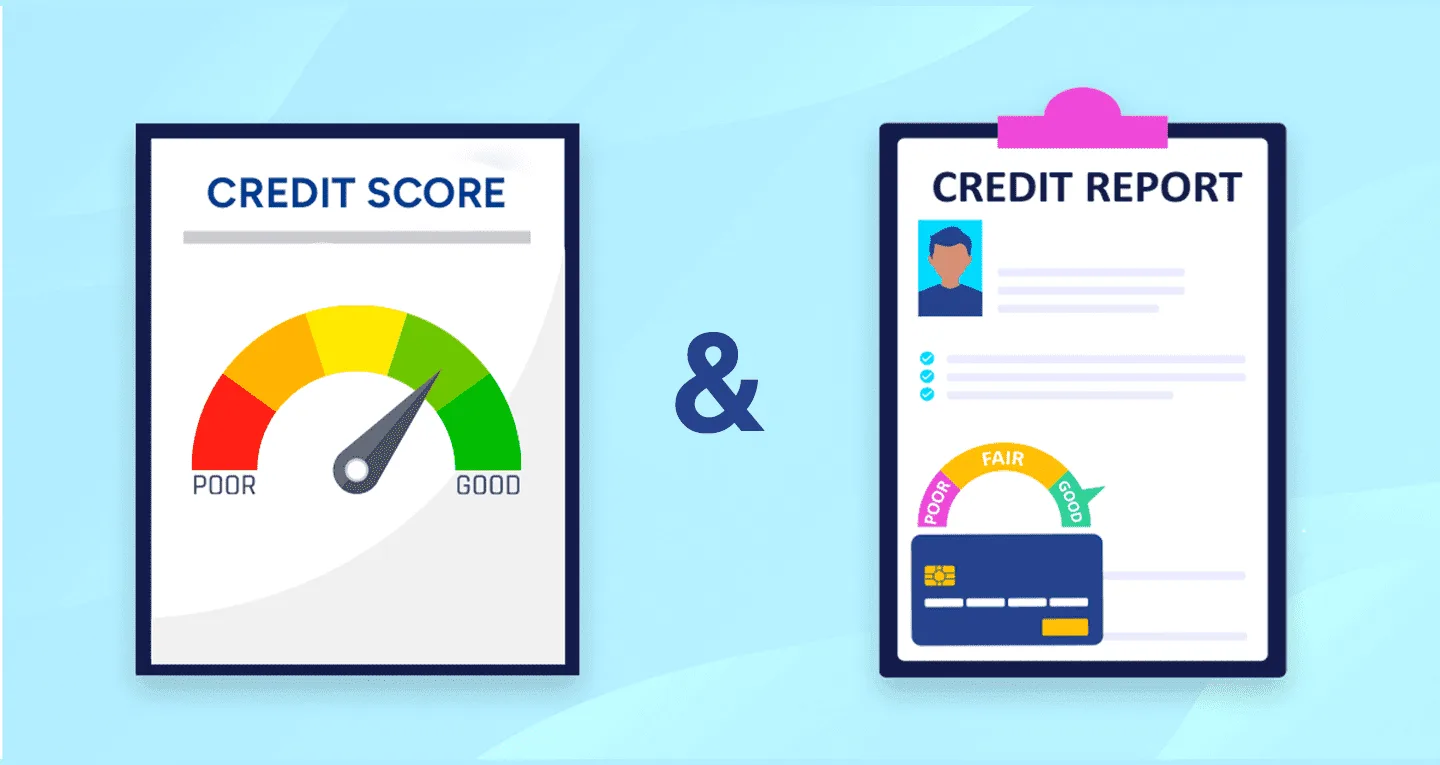
Reading Your CIBIL Report: What 'NA/NIL' and Special Account Facilities Mean
In a CIBIL report, NA can indicate that a particular field is not applicable or has not been reported for that account, while NIL may indicate that the reported value is zero. The exact presentation can vary by field and account type. Both are normal, expected entries on most reports. This guide covers exactly which fields show each, plus what "special account facilities" like overdrafts and add-on cards look like when they appear.
Mohit Juneja
Reviewed by Mohit Juneja, Debt Resolution Specialists
 4.7/5
4.7/5 ₹3,200Cr+
 20,000+
 20,00,000+4.7/5₹3,200Cr+20,000+20,00,000+
KEY TAKEAWAYS

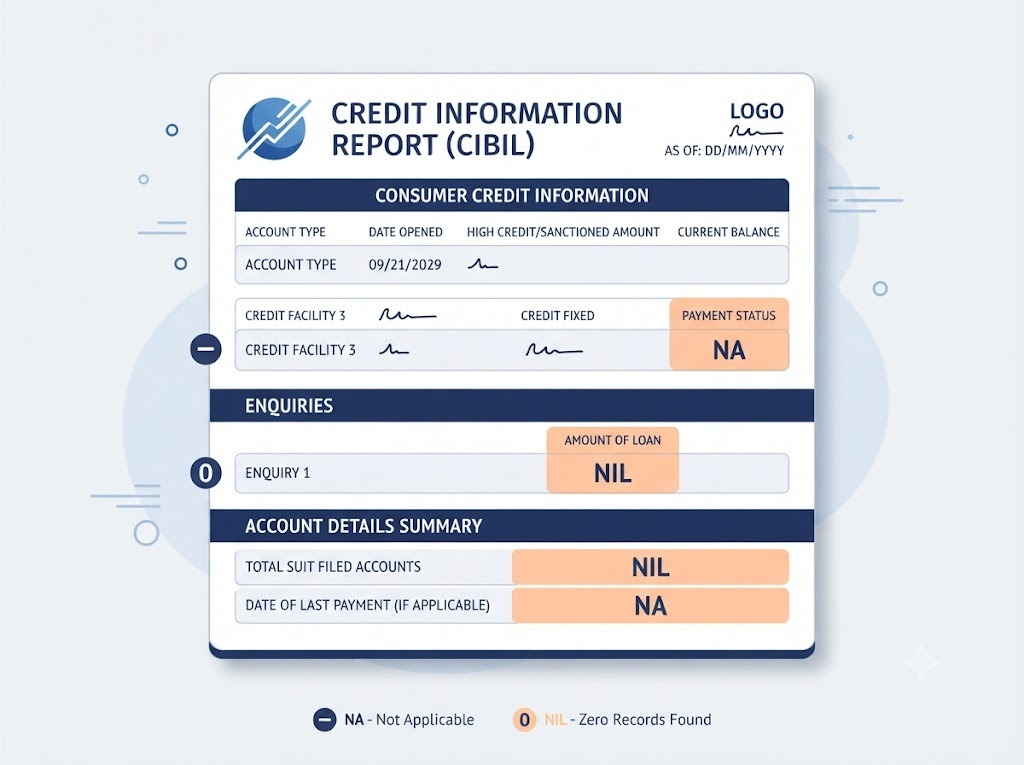
"NA" appears when a field genuinely doesn't apply to an account type, Sanctioned Amount shows NA for credit cards and overdrafts since neither has a traditional disbursed amount.
"NIL" appears when a value is a real, confirmed zero, most commonly Amount Overdue or Current Balance on a fully paid or closed account.
Special account facilities, overdraft, cash credit, gold loans, guarantor accounts, add-on cards, each show slightly differently on your report, worth recognising individually.
Neither NA nor NIL is inherently a red flag, but a field that should show NA or NIL and doesn't is worth investigating directly.
Why "NA" and "NIL" Show Up on Your CIBIL Report
A CIBIL report uses a fixed set of fields across every account, but not every field actually applies to every account type. Credit cards don't have a "Sanctioned Amount" the way a term loan does, "NA" fills exactly that gap.
"NIL" works differently, it's a real, reported number, specifically zero, used when a field like Amount Overdue genuinely has nothing owed against it. The practical reassurance worth holding onto here: seeing either on your own report is common and expected, not a sign something's wrong by default.
Knowing exactly which fields show which helps you actually read the report instead of guessing at what each entry means.

Freed Expert Tip
Before assuming a field is an error, check whether it's a field that's supposed to show NA or NIL for your specific account type, most "why does this say NA" confusion resolves right there. Want to Check Your Report Together?
Talk to FREEDWhat "NA" Actually Means, Field by Field
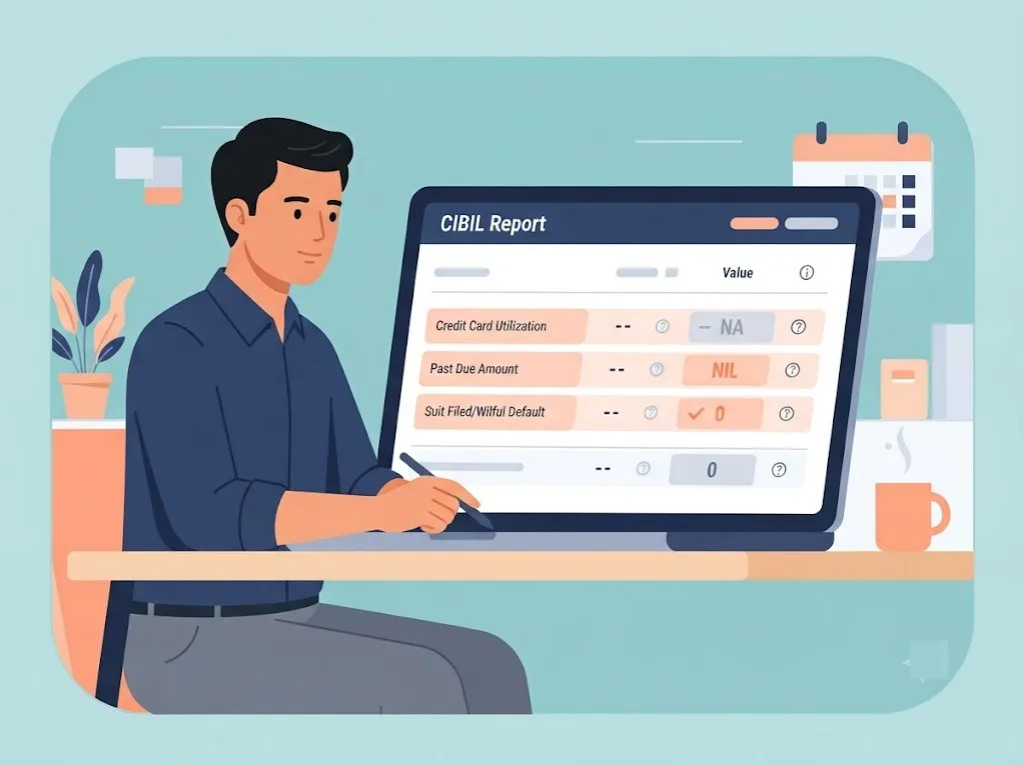
Sanctioned Amount. For some revolving facilities, such as credit cards or overdrafts, the Sanctioned Amount field may appear as NA because the facility does not work like a one-time disbursed term loan. This field only genuinely populates for term-loan-type accounts.
Suit-Filed/Wilful Default. This field may contain specific reporting information when the lender has reported a suit-filed or wilful-default status. If you see an entry you don't recognise, check the underlying account information and raise a dispute where appropriate. Specific text only appears if a suit has actually been filed against you. The dedicated piece on this field covers what it means, and how to fix it, in the cases where it's genuinely not blank.
Rate of Interest. Can show NA for certain product types or where the relevant information has not been reported. An NA entry by itself does not indicate anything negative about you as a borrower.
What "NIL" Actually Means, Field by Field
Amount Overdue. Shows NIL when there's genuinely nothing currently overdue on that account, this is exactly the field you want to see reading NIL.
Current Balance. A zero or NIL Current Balance may appear once an account has been fully repaid, subject to the lender's reporting and the bureau's processing.
Here's the important distinction worth holding onto: NIL on Amount Overdue doesn't mean the account has no history at all. CIBIL's report format can show a month-by-month payment history for up to 36 months.

Want a Full Read of Your Report?
Get a free, honest look at your full credit picture.
Get a Free AssessmentSpecial Account Facility Types You Might See
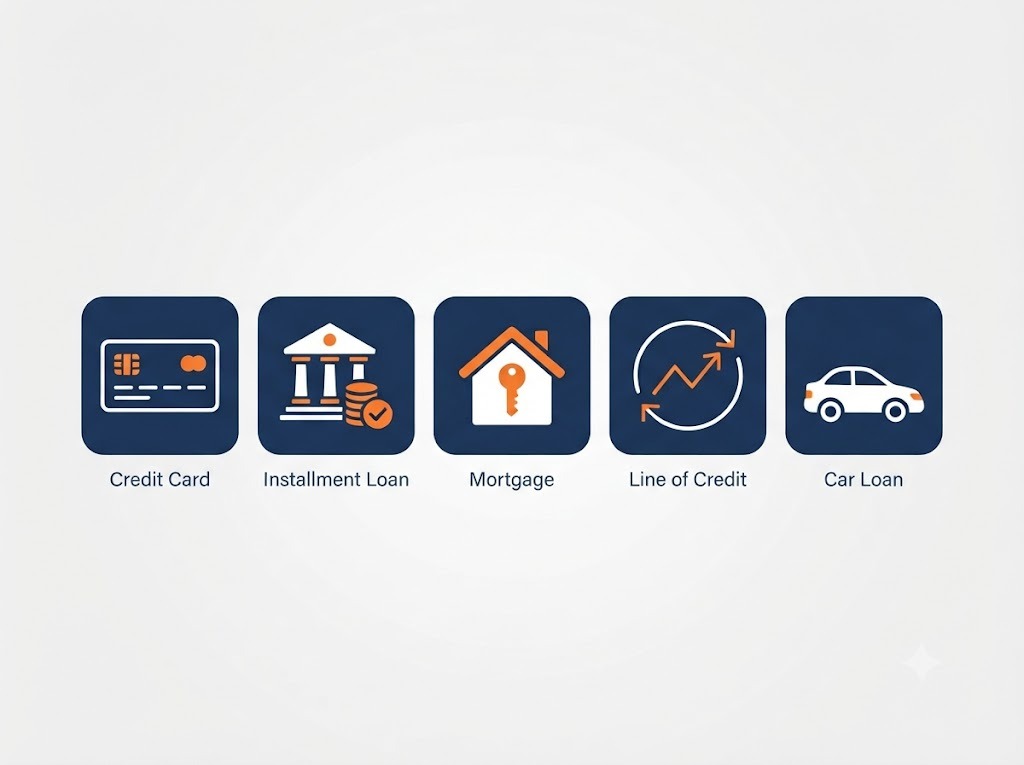
A handful of account types show up differently from a standard term loan, worth recognising each individually.
- Overdraft (OD). A flexible credit line against a bank account, shows as its own account type with a sanctioned limit rather than a fixed EMI structure.
- Cash Credit (CC). Similar in structure, typically for business accounts, shows a running limit and drawn amount rather than a standard term-loan structure.
- Gold Loan. Appears as a separate credit account/product type, with account details reported by the lender.
- Guarantor accounts. If you've stood as a guarantor for someone else's loan, the account can appear on your own credit report too, and repayment problems on that loan can affect your credit profile. This surprises many people who don't realise a guaranteed loan appears on their own credit history at all.
- Add-on/supplementary cards. Usually appear differently depending on the issuer, sometimes as a distinct entry, sometimes noted against the primary cardholder's account instead.
When "NA" or "NIL" Should NOT Be There
If Amount Overdue shows NIL but you know you've genuinely missed a payment recently, that's a reporting lag or an error worth checking directly, not something to assume is correct by default just because it looks reassuring.
If Suit-Filed/Wilful Default shows specific text rather than blank or NA, and you're not aware of any legal action against you, that's a serious discrepancy worth disputing immediately. The dedicated article on this field covers the dispute process for exactly this situation. If a field contains a value that appears inconsistent with the account type or your records, check the underlying account details and raise the issue with the lender and bureau if necessary.
Worth being clear: not every NA or NIL is suspicious, that would undo the entire reassurance this piece is meant to offer. The point is knowing which specific mismatches genuinely matter, and which don't.
What to Do If You Spot a Genuine Discrepancy
How FREED Helps When Your Report Reveals a Bigger Picture
Reading your report carefully sometimes surfaces more than a single field question, several open unsecured accounts, a heavier combined EMI load than expected, or an old account that's been quietly weighing on your score.
FREED's Debt Consolidation Program, including ‘Reduce My EMI,’ is designed for eligible borrowers with multiple unsecured EMIs and may consolidate them into a single monthly payment, with the final EMI depending on eligibility and lender terms. For genuine, sustained inability to repay, FREED's Debt Resolution Program is the separate, later-stage path built for that situation instead.
Tips for Reading Your Report With Confidence

Mohit Juneja
Mohit Juneja writes educational content at FREED on debt management, credit scores, loan repayment, and borrowing best practices. His content is shaped by expert insights and industry knowledge, helping readers better understand their financial options and make informed decisions.
mohit.juneja@freed.care

FREED is India's trusted loan management platform. Founded in 2020 and headquartered in Gurugram, FREED has counselled 20 lakh+ people on personal loans, credit cards, and app loans. FREED charges fees only on successful settlement, not upfront. FREED does not handle secured loans (home loans, car loans, gold loans).
Media Mentions