CIBIL Member: What It Means and Which Lenders Report Your Data
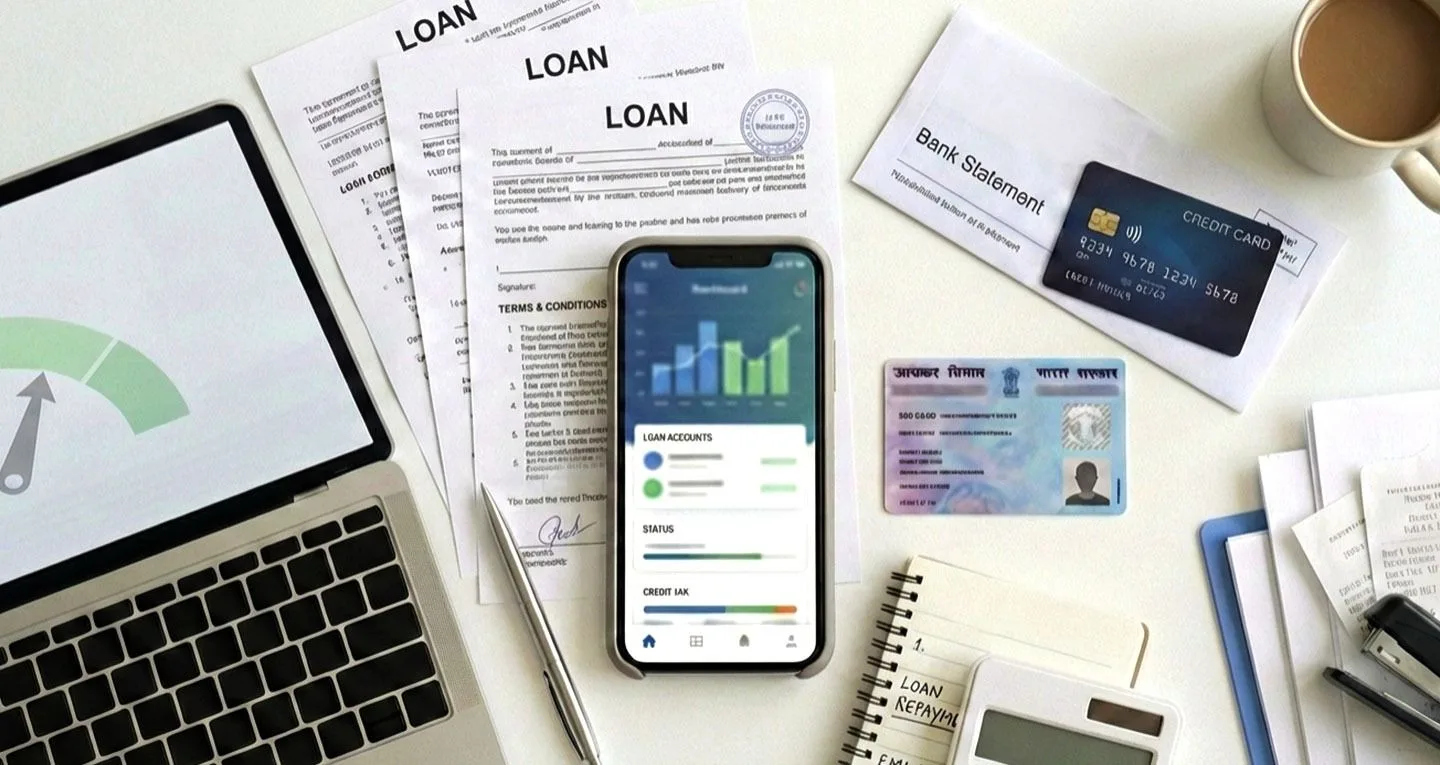
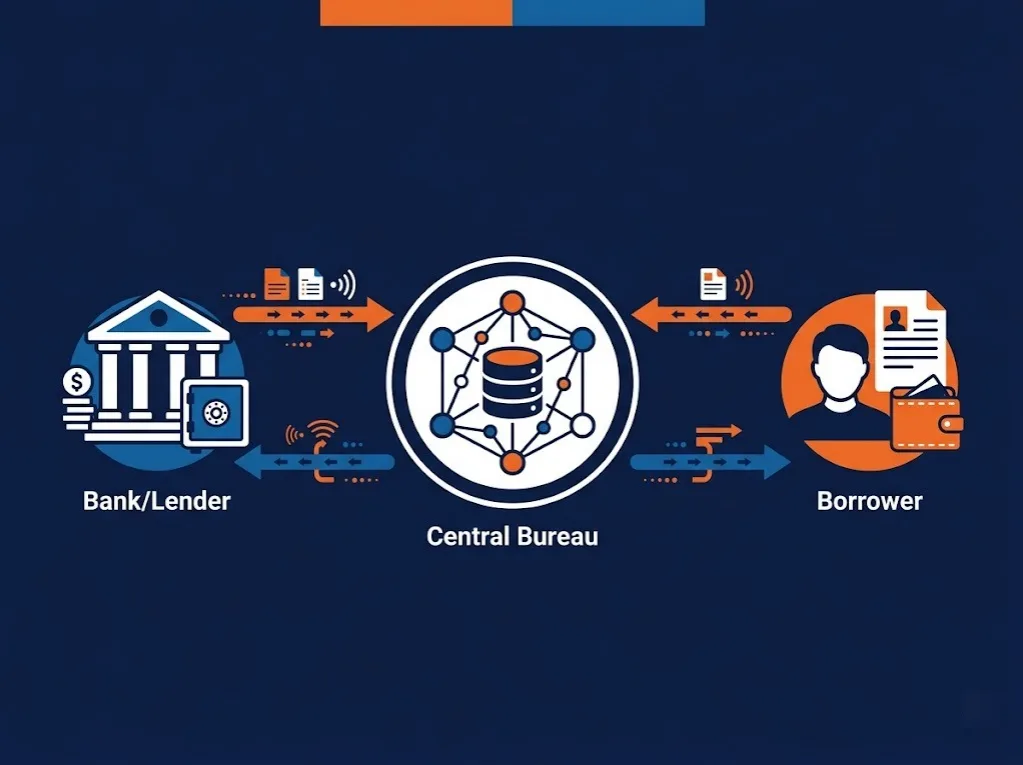
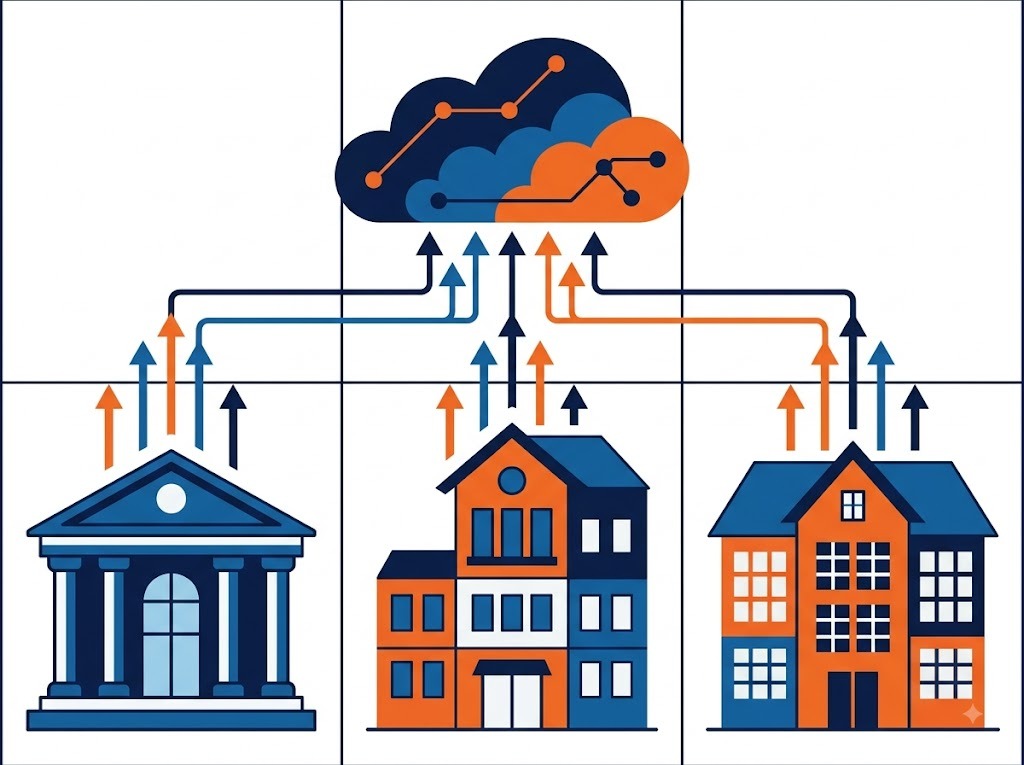
A CIBIL member is an organisation that is authorised to participate in TransUnion CIBIL's credit-information system and, where applicable, furnish and access credit information under the applicable regulatory framework. Members both contribute borrower information monthly and access CIBIL reports when deciding on loans. TransUnion CIBIL has over 5,000 members, including banks, financial institutions, NBFCs and HFCs. From January 1, 2025, credit information is required to be updated on a fortnightly basis, or more frequently where agreed between the credit institution and the credit information company. Only borrowal accounts get reported, loans and credit cards. Savings accounts and fixed deposits stay private. Once reported, your payment history becomes visible to every CIBIL member.
Mohit Juneja
Reviewed by FREED India, Debt Resolution Specialists
 4.7/5
4.7/5 ₹3,200Cr+
 20,000+
 20,00,000+4.7/5₹3,200Cr+20,000+20,00,000+
KEY TAKEAWAYS

CIBIL members furnish/update credit information on a fortnightly basis under the current framework.
Members work both ways: they send your data to CIBIL, then access your report when you apply for a new loan elsewhere.
TransUnion CIBIL's members include all major banks, financial institutions, HFCs, and NBFCs operating in India.
Lenders now report every 15 days under RBI's rules, effective January 2025, up from a monthly cycle before that.
Your standard CIBIL credit report focuses on credit facilities and related repayment information. Ordinary savings accounts and deposit balances are not credit accounts and do not build your CIBIL Score.
What Does It Mean to Be a CIBIL Member?
A CIBIL member is a lender that participates in the credit reporting system, and it works both ways. Members contribute data, your payment history on loans and cards, and they access data, checking your report before deciding whether to lend to you. Credit institutions are required to participate in the credit-information system, but that does not necessarily mean every institution reports to TransUnion CIBIL specifically. RBI requires banks and NBFCs to report to credit bureaus as part of standard practice.
In plain terms, here's what actually happens. You borrow from a member lender, your payments get tracked, the lender sends that data to CIBIL on a set schedule, CIBIL updates the credit information in your report, and that information may be reflected in your credit score. CIBIL currently has over 5,000 members, spanning banks, housing finance companies, and NBFCs. It's worth reading how to check active loans registered in your name across India if you want to see this reporting system reflected back at you directly, since it pulls from the same member data described here. Think of this as infrastructure rather than something punitive, it's the mechanism that lets any lender make a fast, informed decision instead of starting from zero information every time you apply.

Have Questions About Your Own Report?
A short, honest conversation about what's on file.
Talk to FREED's TeamWho Are CIBIL Members? Common Categories
Members generally fall into three broad categories.
Banks. Major banks such as SBI, HDFC Bank, ICICI Bank and Axis Bank participate in credit-information reporting. Membership can vary by institution, so check the current CIBIL member information for a specific lender.
NBFCs. This category is large and growing, and includes names like Bajaj Finserv, Muthoot Finance, Tata Capital, and L&T Finance, among many others operating across personal loans, gold loans, and consumer finance.
Housing finance companies. LIC Housing Finance and similar HFCs fall into this group, reporting home loan activity the same way banks report other credit products.
This isn't an exhaustive list, there are simply too many members to cover individually, but it captures the tier-1 and commonly encountered lenders most readers will actually deal with. Regulation alone is not a sufficient way to determine whether a particular organisation reports to CIBIL. Check the lender or TransUnion CIBIL's current membership information. CIBIL does publish a full membership list on its own site, though it isn't easily searchable by lender name, so checking directly with your specific lender remains the most reliable option.
What Gets Reported to CIBIL, and What Doesn't?
Credit facilities such as personal loans, credit cards, overdrafts and other eligible lending products may appear when reported by the relevant credit institution.
What doesn't get reported often surprises people.Ordinary rent payments are generally not part of the standard loan and credit-card repayment information used in a CIBIL Score. This distinction matters because it's easy to assume a healthy fixed deposit balance somehow helps your CIBIL score, and it doesn't, not directly. The logic behind the split is simple. Credit products involve risk-based lending, the bank is extending you money and needs to track how you handle it. Deposits are the opposite, that's your money sitting with the bank, not a risk they're taking on you. It's also worth knowing whether checking your own CIBIL score actually reduces it, since this kind of confusion tends to cluster around the same handful of myths.

Freed Expert Tip
Member lenders don't report instantly. A payment may not appear immediately. Depending on the lender's reporting date and processing time, allow some time for the updated information to reach your credit report. Check your full report, not just the headline score, for the real transaction dates.
Review your credit reportWhy CIBIL Membership Matters for Your Credit
Here's the practical impact. You apply for a loan, the new lender checks your CIBIL report, and they see your payment history from credit information reported by participating institutions and available in your credit report. , not just the one you're applying to now.
Once the relevant information has been reported and incorporated into your credit report, an authorised lender assessing a new application may see that repayment history. All member lenders effectively share a single, unified history through CIBIL, and that cuts both ways. There's no hiding a past default by simply applying somewhere new, but a strong track record helps you everywhere too, not just with the lender who originally extended the credit. Credit reports from CICs are an important input in lending decisions across India's financial system.

RBI's New 15-Day Reporting Rule (What Changed in 2025)
Under the old system, lenders reported to CIBIL roughly once a month, and depending on timing, it could take 30 to 40 days for a payment to actually show up on your report.
From January 1, 2025, credit information is updated on a fortnightly basis, with reference dates of the 15th and the last day of the month, or more frequently where agreed. The reasoning is straightforward. Faster reporting means faster score updates, which matters if you're actively working on your credit. It also makes dispute resolution windows more realistic, since a 30-day resolution period now genuinely fits within the reporting cycle rather than lagging behind it. The change is intended to make credit information available to lenders more frequently, which can help information such as repayments be reflected sooner. It's worth reading when your CIBIL score actually updates for the fuller mechanics behind this new cycle.

What the Law Says
Credit institutions and credit information companies are subject to timelines for updating and rectifying credit information. RBI has also prescribed a compensation framework for delays in updation or rectification beyond the applicable 30-day timeline. If you find inaccurate information, raise a dispute with the credit bureau and the relevant credit institution and retain your supporting documents.
Get help reviewing a report errorNot All Lenders Are CIBIL Members, Check Where Yours Reports
Here's a trap worth knowing about. Whether a digital lending product appears in your CIBIL report depends on the credit institution behind the loan and whether/how it reports the account. An app's branding alone does not tell you which credit bureau receives the data. A credit institution may report to one or more of India's credit information companies. If it does not report to CIBIL, that account may not appear in your CIBIL report even though it may appear with another bureau.
The practical move is simple: ask your specific lender directly, "Do you report to CIBIL?" India actually has four credit bureaus, CIBIL, Equifax, Experian, and CRIF High Mark, and not every lender reports to all four. Some report only to CRIF, which means checking your CIBIL score alone won't show you the full picture. If you're piecing this together after closing or settling a loan, it's worth reading how to update your CIBIL score after loan closure or settlement as well, since reporting gaps show up most often right around that transition.
If the lender does not report that account to TransUnion CIBIL, that account's repayment history will not be incorporated into your CIBIL credit file through that lender.
Sources
Claim in Blog | Source |
|---|---|
Credit institutions must report to credit bureaus (this blog's "membership" framing) | Master Direction RBI (Credit Information Reporting) Directions, 2025, RBI/DoR/2024-25/125, §4(1) "Membership of the CICs" rbi.org.in link |
Credit information must be updated fortnightly (15th and last day of month), effective Jan 1, 2025 | RBI/2024-25/60, DoR.FIN.REC.No.32/20.16.056/2024-25, Aug 8, 2024 rbi.org.in link |
Credit institutions/CICs have a combined 30-day timeline for updating/rectifying credit information, with a compensation framework for delays | RBI Notification RBI/2023-24/72, DoR.FIN.REC.48/20.16.003/2023-24, Oct 26, 2023 rbi.org.in link |

Mohit Juneja
Mohit Juneja writes educational content at FREED on debt management, credit scores, loan repayment, and borrowing best practices. His content is shaped by expert insights and industry knowledge, helping readers better understand their financial options and make informed decisions.
mohit.juneja@freed.care

FREED is India's trusted loan management platform. Founded in 2020 and headquartered in Gurugram, FREED has counselled 20 lakh+ people on personal loans, credit cards, and app loans. FREED charges fees only on successful settlement, not upfront. FREED does not handle secured loans (home loans, car loans, gold loans).
Media Mentions