What Is Loan Recovery? Process, Timeline and Your Options
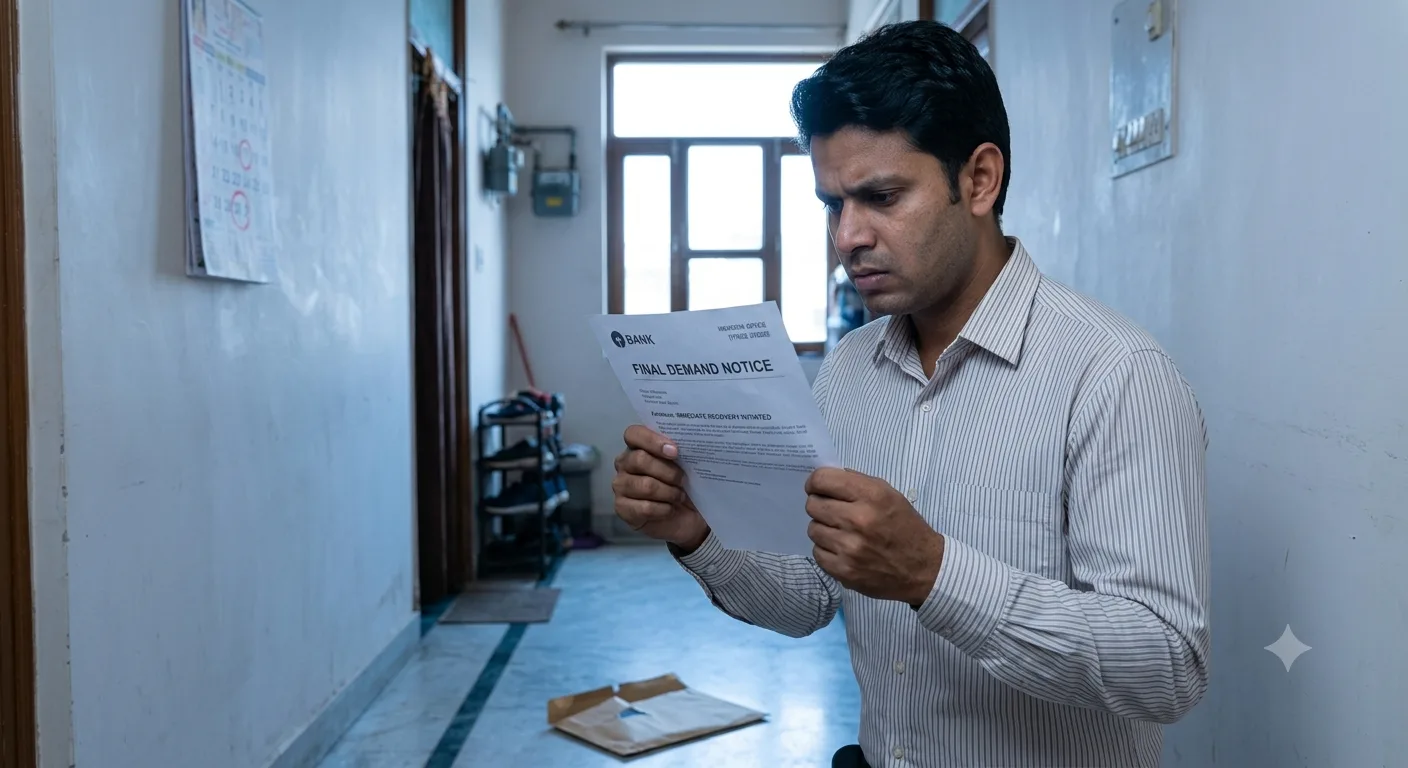
Loan recovery is what a bank or NBFC does to collect an unpaid loan after a borrower misses EMIs. Reminder calls come first, then formal notices, then recovery agents. The court is the last stage, and most cases never get there.

Mohit Juneja
Reviewed by FREED India, Debt Resolution Specialists
 4.7/5
4.7/5 ₹3,200Cr+
 20,000+
 20,00,000+4.7/5₹3,200Cr+20,000+20,00,000+
Key Takeaways

Loan recovery is the bank's structured process for collecting overdue EMIs, running in stages, not a single action.
Recovery starts from day 1 of a missed EMI, not after 90 days.
A loan becomes an NPA (Non-Performing Asset) only after 90 days past due.
For unsecured loans, personal loans, credit cards, and BNPL, no assets can be seized without a court order.
A bounced cheque EMI can trigger Section 138 NI Act, criminal complaint possible, up to 2 years jail or a fine up to 2x the cheque amount. NACH/ECS bounces follow a different legal path, but banks can still act.
What Does Loan Recovery Mean?
Say the phrase "loan recovery" out loud, and it sounds like something happens to you, all at once, without warning. In practice, it's a process, and a fairly bureaucratic one at that. A bank or NBFC that's owed money follows a set sequence of steps, governed by RBI's Fair Practices Code, moving from a phone call to a letter to, eventually, legal proceedings, in that order and no faster.
People use "loan recovery" and "debt collection" as if they're the same thing. There's a small but real difference. Recovery is usually the lender's own process, run by their own team. Debt collection is the wider term that also covers the third-party agencies a lender might bring in further down the line. Both sit under the same RBI rulebook, so your rights as a borrower don't change depending on which term applies.
The one thing to hold onto through the rest of this: every stage of recovery comes with specific rights attached to it. You're not moving through a punishment. You're moving through a process, and knowing where you stand in it changes what you should do next.

Why Does Loan Recovery Happen?
Ask ten people in recovery how they got there, and eight of them will tell you a version of the same story: income dropped, or an expense hit, right when the household was already carrying too much EMI relative to what came in each month. Overspending is rarely the real cause. A disruption landing on an already-tight budget is.
There's a rough number worth knowing here. Once your total EMIs cross about half your take-home salary, the margin for error disappears. A pay cut, a medical bill, a few weeks without work, any of these can turn a manageable month into a missed payment. More borrowers are sitting closer to that line than most people realise, carrying two or three EMIs that each look fine on paper but leave almost nothing in reserve.
None of this is about anyone doing something wrong. It's about knowing where the 50% line sits for your own budget, because the further you are from it, the more room you have before recovery becomes a live conversation instead of a hypothetical one.
What Is the Loan Recovery Timeline in India?
The stages run in roughly this order:
- Day 1 to 30: Reminder calls and texts start, late fees apply, and the missed payment reaches the credit bureau. Banks call this SMA-0 internally.
- Day 30 to 60: Calls pick up in frequency. Some banks offer restructuring around here. Internally, SMA-1.
- Day 60 to 90: A formal pre-NPA demand notice usually lands. This tends to be the last real window to negotiate before the account's status shifts. Internally, SMA-2.
- Day 90 onward: The loan gets classified as an NPA, and recovery agents may follow up directly.
- Post-NPA: If it goes legal, cases under ₹20 lakh head to the civil court; above ₹20 lakh, to the DRT (Debt Recovery Tribunal).
This is the overview version. For the full DPD-by-DPD breakdown, including how secured and unsecured loans diverge at each stage, our detailed loan recovery process guide covers it in depth.

What the Law Says
A bounced cheque EMI can trigger Section 138 of the Negotiable Instruments Act, criminal complaint possible, up to 2 years jail or a fine up to 2x the cheque amount. NACH/ECS bounces follow a different legal path, but banks can still act.
Know your rights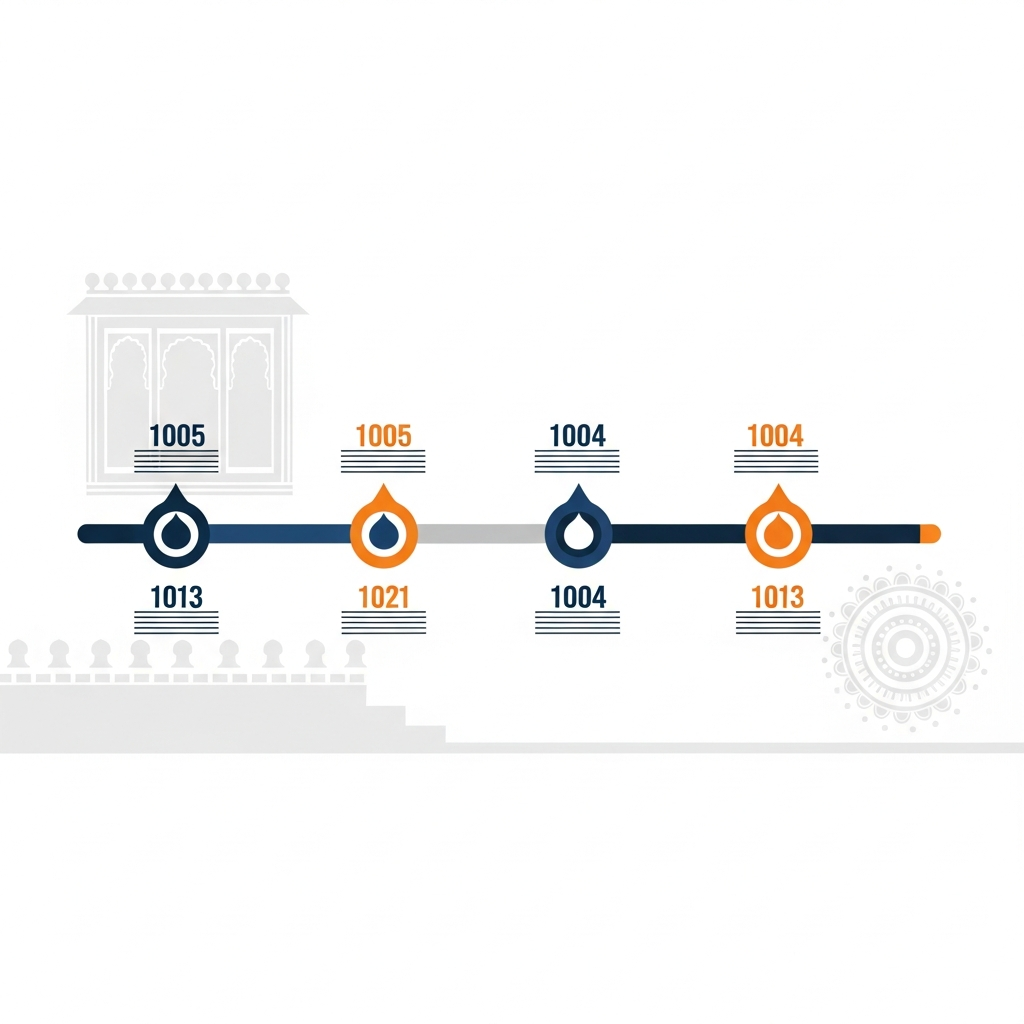
What Are Your Options During Loan Recovery?
There's an order to this. Jumping to the last option first usually costs more than working through them properly.
Balance transfer comes first, and it's for one specific type of borrower: CIBIL score still reasonably intact, current on payments, just paying a rate that no longer makes sense. Move the loan to a bank offering better terms, keep everything else the same.
FREED's Debt Consolidation Program sits above that. This is for someone still paying every EMI on time, but managing three or four of them at once and finding it exhausting rather than impossible. Instead of moving one loan, this merges the eligible ones into a single new loan with one EMI. The impact on your credit profile depends on your repayment behaviour and individual circumstances.
Settlement is not something a borrower chooses out of preference. It sits at the bottom of this ladder for a reason: it's for someone who genuinely cannot repay what's owed, not someone looking for a shortcut while still capable of paying. It means the bank agrees to accept less than the full amount as final payment, and the account closes as "Settled." A "Settled" status may affect future borrowing decisions. Worth knowing before treating this as an easy first move rather than a last one.
Comparison: Debt Consolidation vs Loan Settlement
Who it's for | CIBIL impact | How it works | FREED's role | |
Debt Consolidation | Still paying, over-leveraged | Impact depends on the borrower's repayment behaviour and individual circumstances. | New loan pays off all existing eligible loans | Matches to a lending partner, facilitates the process |
Loan Settlement | Genuinely unable to repay | "Settled" status may affect future borrowing decisions. | Bank accepts a reduced lump sum as full and final | Negotiates via SPA mechanism |
Rates and ranges shown are indicative. Final terms decided by the bank. FREED is not a Loan Provider. No outcome is guaranteed. Please verify directly with your bank.
How Does FREED Help With Loan Recovery?
Most people reading this far are already past the first missed EMI, so FREED's role here centres on the Debt Resolution Program. The team negotiates with the bank directly, on the borrower's behalf, using an SPA (Special Purpose Account) structure to get the settlement in place. They handle the paperwork and stay on it until the NOC (No Objection Certificate) actually arrives.
Nothing about this involves insider access to a bank or some back channel. It's someone else doing the negotiating, the follow-up, and the document chasing, work most people find hard to manage while also fielding recovery calls on their own.
If you're reading this and you're actually current on your payments, just spread thin across too many EMIs, the Debt Consolidation Program covered above fits better than settlement does. FREED has counselled over 20,00,000 customers, settled more than 20,000 accounts, and worked through over ₹3,200 crore in debt, so either way, the team has likely seen your specific situation before.

Are You in a Loan Trap? Quick Check
Move the slider to your total EMIs as a % of monthly salary. See your debt stress level instantly.
EMIs as % of Monthly Salary
What Helps When You're Facing Loan Recovery?
A handful of habits change how this plays out, no matter which stage you're at.
Write down every call. Date, caller's name, what was said. It sounds like overkill until you actually need it for a complaint or a dispute later.
Reply to formal notices even without money in hand. Going quiet reads as agreement or avoidance to the bank, when a short response explaining your situation usually keeps the conversation open longer.
Ask for identification before handing over any personal or financial details on a call. A real recovery agent can produce this. Asking isn't rude, it's basic caution.
And never let a court or DRT notice sit unopened, even if you've managed to put off everything before it. This is the one point in the whole process where waiting actually shrinks your options.

FREED Expert Tip
Respond to every formal notice, even if you can't pay yet. Silence is read as acceptance.
Know your rights
Mohit Juneja
Mohit Juneja writes educational content at FREED on debt management, credit scores, loan repayment, and borrowing best practices. His content is shaped by expert insights and industry knowledge, helping readers better understand their financial options and make informed decisions.
mohit.juneja@freed.care

FREED is India's trusted loan management platform. Founded in 2020 and headquartered in Gurugram, FREED has counselled 20 lakh+ people on personal loans, credit cards, and app loans. FREED charges fees only on successful settlement, not upfront. FREED does not handle secured loans (home loans, car loans, gold loans).
Media Mentions