What Does Creditworthiness Mean and How Can You Improve It?
What does creditworthiness mean, and how do FOIR, credit history, and credit score impact it? Find out how your profile is affected by debt or loan settlements.
Mohit Juneja
Reviewed by FREED India, Debt Resolution Specialists
 4.7/5
4.7/5 ₹3,200Cr+
 20,000+
 20,00,000+4.7/5₹3,200Cr+20,000+20,00,000+
Key Takeaways

A lender's evaluation of your likelihood of making timely and complete loan or credit requirement repayments is known as your creditworthiness.
Your credit score is not the only factor. Lenders consider your credit history, income, current debt, and overall financial behavior.
A high FOIR over several credit accounts or loans is frequently the cause of poor creditworthiness, which results in loan denials, high interest rates, and few financial options.
Better loans, cheaper interest rates, and more financial independence are all made possible by having good credit.
Creditworthiness can always be enhanced. Rebuilding it requires patience, perseverance, and the correct habits. If the debt is unmanageable, debt settlement or loan settlement may be a part of the process.
What Is Creditworthiness?
A lender's level of confidence in your ability to repay a loan is known as your creditworthiness.
It is neither a single document nor a single number. A bank or lender creates a comprehensive image of you based on a number of variables, including your income, current debt, repayment history, stability of your finances, and more.
When a bank asks, "Should we lend money to this person?" they are actually asking, "Is this person creditworthy?"
The word itself is easy to understand. Credit refers to borrowed funds. To be worthy is to be deserving of trust. When combined, creditworthiness refers to a person's ability to be trusted with borrowed funds.
A person with excellent credit is granted loans with favorable terms, low interest rates, and speedy approval. Rejections, high interest rates, lesser loan amounts, and more stringent terms are all possible outcomes for someone with poor credit.
Creditworthiness is subject to change. It shifts as your financial habits do. It has the potential to rise or fall. The good news is that you have a lot of control over it if you have the correct information and habits.
How Do Lenders Measure Creditworthiness?
In India, lenders analyze creditworthiness using a variety of instruments and evaluations.
Credit Score and Credit Report
the most popular instrument. Bureaus such as CIBIL, Experian, Equifax, and CRIF High Mark are responsible for maintaining your credit record. It includes a thorough record of every credit card, loan, repayment, and default connected to your name and PAN.
This report's numerical summary, which ranges from 300 to 900, is your credit score. Lenders will initially view you as more creditworthy if your score is better.
Evaluation of Income
Salary stubs, Form 16, bank statements, and income tax returns are used by lenders to confirm your income. A steady, adequate income shows that you are able to pay back debt.
FOIR, or the Fixed Obligation to Income Ratio
This calculates the portion of your monthly income that is already allocated to fixed obligations and current EMIs. More income is available for new loan repayments when the FOIR is lower.
Employment and Stability of Businesses
Lenders consider how long you have worked for your current employment or how long your company has been in operation. Reduced risk is indicated by longer stability.
Banking Practices
A lot can be seen in your bank statements. Responsible financial behavior is indicated by consistent pay credits, restrained expenditure, and a lack of overdrafts or bounced transactions.
The Loan's Objective and Security
The lender's evaluation of secured loans also takes into account the collateral's worth and condition.
The lender's assessment of your creditworthiness is based on all of these factors combined.

FREED Expert Tip
When considering creditworthiness, the majority of people just consider their credit score. However, the lenders consider the whole picture. If your FOIR is too high or your bank account exhibits erratic income patterns, you can have a good score but still be turned down. Don't focus on just one figure; focus on all facets of your financial profile.
Speak with FREEDThe Five Factors That Determine Your Creditworthiness
A framework of five essential elements is used by banks and credit bureaus worldwide to evaluate creditworthiness. The same rules hold true in India. You can determine precisely what to concentrate on by being aware of these five characteristics.
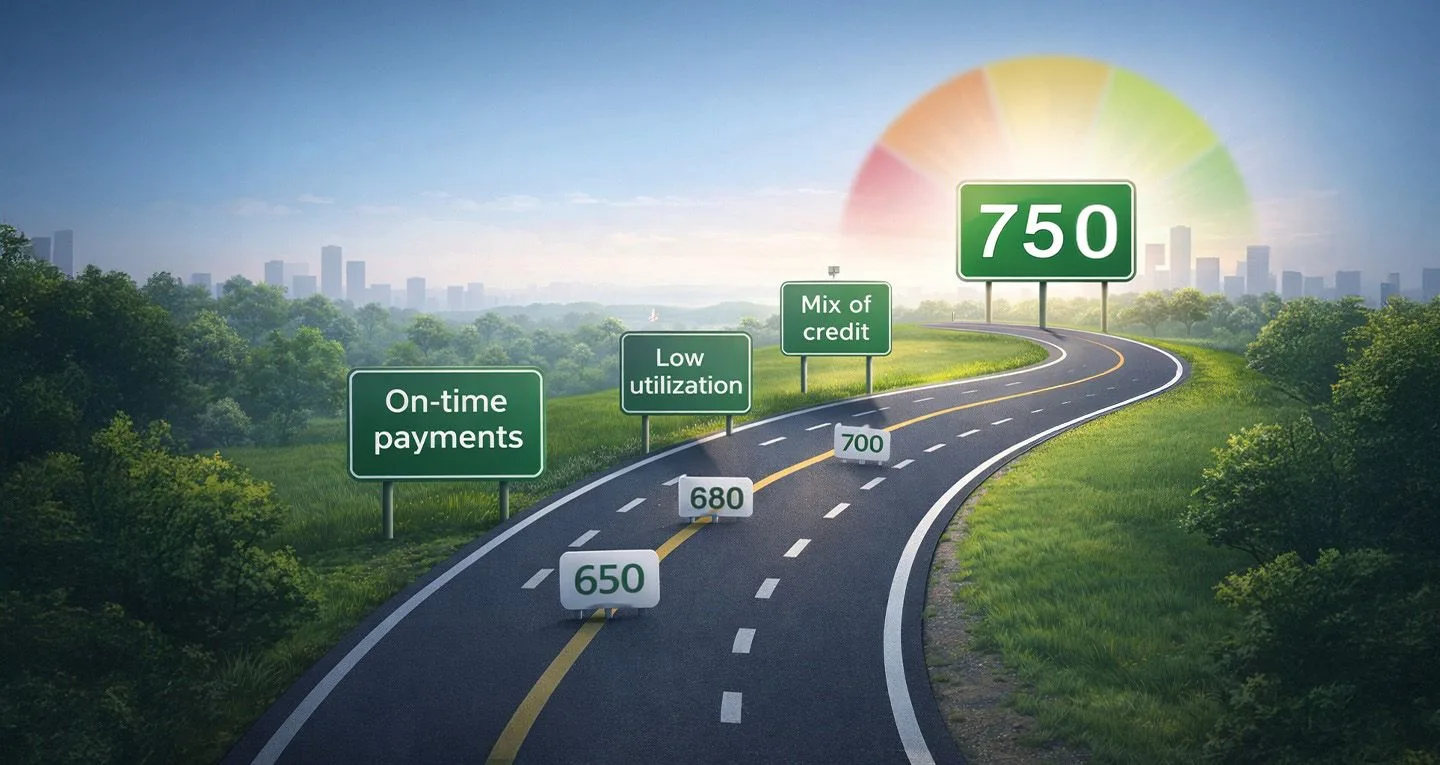
Factor 1: Past Payments
This is the most crucial element. It makes up about 35% of your credit score.
Your payment history shows whether or not you have consistently made on-time loan and credit card payments.
Even one late payment might lower your credit score and give lenders the impression that you are unreliable. The best basis for good creditworthiness is long-term, consistent, on-time payments.
Factor 2: Use of Credit
This makes up about thirty percent of your credit score.
The amount of your available credit limit that you are now using is measured by credit utilization. It mostly affects revolving credit lines and credit cards.
Your utilization is 70% if you have an outstanding balance of Rs. 70,000 and your entire credit card limit is Rs. 1,00,000. That is regarded as extremely high and tells lenders that you rely on credit a lot.
The majority of experts advise limiting credit utilization to less than 30%. Even best is less than 20 percent.
Factor 3: Credit History Length
This makes up about 15% of your credit score.
Lenders can evaluate your behavior more thoroughly if you have a longer credit history. Compared to an account that was started six months ago, one that has been active and well-managed for seven years presents a more richer story.
For this reason, even if you don't use your old credit accounts frequently, it is usually not a smart idea to close them.
Factor 4: Mix of Credit
This makes up about 10% of your credit score.
Having a variety of credit, including credit cards, home loans, and auto loans, demonstrates to lenders your ability to handle a variety of financial commitments.
A borrower who has effectively managed a revolving credit line plus an installment loan appears more well-rounded than one who merely has credit card debt.
Don't take on debt just to make your credit mix better. However, it works to your advantage if you are naturally mixed.
Factor 5: New Credit Inquiries
This makes up about 10% of your credit score.
The lender performs a hard inquiry on your credit report each time you apply for a new loan or credit card. Several hard inquiries in a little amount of time tell bureaus that you are actively looking for credit, which may be a symptom of financial strain.
Your loan applications should be spaced out. Don't apply for more than one loan or product at once.
Factor | Approximate Weight in Score | What It Measures |
Payment History | 35 percent | On-time repayment track record |
Credit Utilisation | 30 percent | How much available credit you are using |
Length of Credit History | 15 percent | How long your credit accounts have been active |
Credit Mix | 10 percent | Variety of credit types you manage |
New Credit Enquiries | 10 percent | Frequency of new credit applications |
Why Creditworthiness Matters in Real Life
Creditworthiness is not a theoretical financial idea. It affects your life in very obvious and useful ways.
Obtaining a Home Loan
The largest financial choice that most people make is purchasing a property. Higher loan amounts, quicker approvals, and cheaper interest rates are all associated with a high creditworthiness score.
The total interest paid on a Rs. 50 lakh loan over 20 years might vary by Rs. 3 to 5 lakh for every 0.5 percent change in the house loan interest rate, which is solely dependent on your creditworthiness.
Obtaining an Emergency Personal Loan
Unexpected costs are a part of life. medical expenses. A family crisis. fixes at home.
Strong creditworthiness enables you to obtain money fast and affordably when these times come. Rejection or loans with exorbitant interest rates when you can't afford them are two consequences of having poor credit.
Obtaining Employment
As part of the employment process, many companies, especially those in the banking, finance, and senior management industries, verify candidates' creditworthiness.
Your employment prospects may occasionally be impacted by a bad credit history. You benefit from having a spotless financial record.
Hiring a House
In urban India, landlords are increasingly looking into the financial history of potential tenants. Securing a rental property can be made easier with a spotless credit record, especially in regions where competition is fierce.
Launching or Expanding a Business
The creditworthiness of the promoters and the company itself are taken into consideration when evaluating business loans, working capital lines, and credit facilities.
Access to business funding is facilitated by strong personal creditworthiness.
Getting Better Terms Through Negotiation
Lenders fight for your business when your creditworthiness is high. Better interest rates, more flexible repayment options, and reduced processing fees are all negotiable.
You are dependent on the terms the lender offers when it is low.
Utilize This Tool: FREED Financial Health Score Creditworthiness is more than a credit score. In just two minutes, obtain your whole FREED Financial Health Score. Free. There is no need to log in. Simple, uncomplicated advice on all facets of your financial well-being.
Common Things That Hurt Your Creditworthiness
Many people harm their creditworthiness without even realizing it. These are the most typical errors.
EMI payments that are missing or delayed
Your record shows that you are unreliable even if you only miss one payment. The easiest method to avoid this is to set up auto-pay.
Making the Most of Credit Cards
Even if you pay the entire bill each month, using more than 60 to 70 percent of your credit card limit on a regular basis raises concerns for lenders. What is reported is the utilization at the time of the billing cycle.
Applying for Several Loans or Credit Cards at Once
Every application initiates a hard inquiry. Five applications in a month lowers your score and indicates financial desperation.
Paying Off Loans for Less Than the Entire Amount
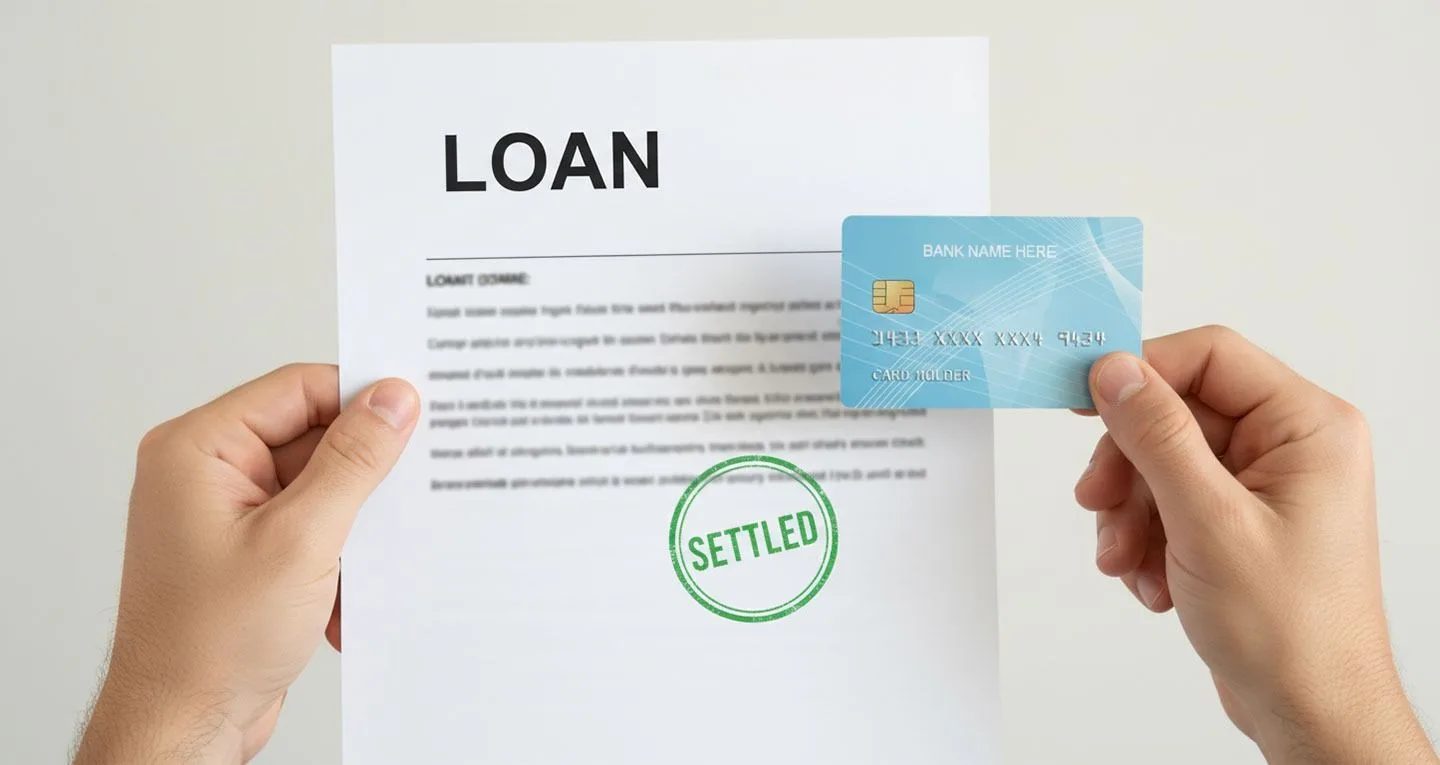
Your credit report shows that an account has been settled. Loan settlement is seen by lenders as an indication that you were unable to fulfilll your initial commitment. It stays on your report for seven years.
Not Making Any Loan Payments
One of the worst things that can happen to one's creditworthiness is a default. Recovering from a formal default on your credit report may take years.
Terminating Previous Credit Accounts
Your credit profile benefits from having clean, old credit accounts. Closing them eliminates good credit history from your report and lowers your average credit age.
Carelessly Guaranteeing Someone Else's Loan
Your creditworthiness suffers if you are a guarantee on someone else's loan and they default. You should only guaranty loans to individuals whose repayment potential you are certain of and who you fully trust.
Having Absolutely No Credit History
Many people are surprised by this. A good credit history is not the same as having no credit history at all. Without data, lenders are unable to evaluate your dependability. Since they have nothing to assess, people without credit accounts frequently have a very hard time getting their first loan.
Unstable Income or Frequent Job Changes
This has an impact on how lenders evaluate your ability to repay loans, even though it has no direct effect on your credit score. Lenders are less confident in your ability to make regular payments if you change jobs frequently or have inconsistent earning patterns.

What the Law Says
Every person is entitled to free annual access to their credit report from any credit agency under the Credit Information Companies Regulation Act of 2005. Additionally, you are legally able to contest any information on your credit report that you think is false or misreported. Within 30 days, credit bureaus must look into disputes and fix mistakes. One of the best strategies to safeguard your creditworthiness is to routinely review your report and make any necessary corrections. Learn how to challenge inaccuracies in India and obtain your free credit report.
Consult a FREED CounselorStep-by-Step: How to Improve Your Creditworthiness
Increasing creditworthiness is not difficult. More than anything else, it calls for constancy. This is a useful, detailed guide.
Step 1: Recognize your current position.
Obtain your credit report from any credit bureau, including CIBIL and Experian. Carefully read it.
Check for any mistakes, such as an account that should be closed but appears to be open, a loan you did not take out, or a missing payment that was actually made.
If you discover any mistakes, file a dispute. Removing inaccurate negative information might rapidly raise your score.
Step 2: Pay all of your bills on time.
This is the most significant thing you can do.
Set up automatic payment for all credit card and EMI bills. Don't rely on your recollection. It takes months of work to make up for even one missing payment.
To prevent the missed payment from being reported, pay at least the minimum amount owed if you are unable to pay the entire credit card account. However, if you simply pay the minimum, interest will accrue quickly, so plan to pay the entire amount as soon as you can.
Step 3: Reduce your credit card usage to less than 30%.
Reducing the amount of your credit card limit that you are currently utilizing should be your top focus.
Reduce the remaining amount. Try to get your bank to raise your credit limit without raising your expenditures. By doing this, you can increase your utilization ratio without having to pay the remaining amount right now.
Step 4: Keep your previous credit accounts open.
Even if you don't often use your oldest credit accounts, keep them open.
To keep the account active in the system, make a minor transaction on old cards from time to time and pay it off right away.
Step 5: Restrict the number of new credit applications.
Applying for new credit cards or loans should only be done when you truly need them.
Every application generates a hard inquiry. Your score is harmed by several inquiries in a brief amount of time. When feasible, space applications at least six months apart.
Step 6: Gradually diversify your credit mix.
Adding an installment loan when you truly need one enhances your credit mix if you simply have credit cards.
Using a credit card sensibly adds a revolving credit component to your profile if you simply have loans.
Avoid taking on needless debt for this reason alone. However, think about the mix impact when you do require credit.
Step 7: Pay past-due sums as soon as possible.
Your creditworthiness is being negatively impacted each month by any accounts that are past due or in default.
Clearing these should come first. Getting an account, even if it's past due, significantly enhances your profile.
Step 8: Lower your FOIR.
A high FOIR will restrict your loan eligibility even if you have good credit.
To lessen your monthly fixed obligation burden, try to pay off your current loans. If your FOIR is excessively high due to many debts, think about debt consolidation.
Step 9: Every three months, review your credit report.
Most consumers are unaware of how frequently credit report errors occur.
Your creditworthiness may be quietly harmed for months or years by an unidentified loan in your name, an incorrectly reported missed payment, or an old account that appears to be active.
Frequent inspections enable you to identify and address these problems before they worsen.
Step 10: Show consistency and patience.
Creditworthiness develops gradually. There are no short cuts.
However, you are strengthening your financial reputation with each timely payment you make, each past-due amount you settle, and each pointless credit application you steer clear of.
The effects are genuine and accumulate over time.
How Long Does It Take to Build Creditworthiness?
After they get the idea, most people ask this question.
To be honest, it depends on your starting point.
In the event that you have no credit history:
It takes six to twelve months of steady, responsible credit utilization to build a credit profile from start. The quickest way to build a credit history is to get a secured credit card, use it for routine minor purchases, and pay it in full each month.
If you've skipped payments and your credit score is low:
It takes 12 to 24 months of regular, on-time payments and prudent credit behavior to recover. The missed payment record still exists, but as good history grows, its significance diminishes.
If you have documentation of a default or settlement:
This is the recovery that takes the longest. For seven years, a default or debt settlement remains on your record. However, as positive history accumulates, its effect on your score diminishes year. Within 18 to 24 months, significant score improvement can start with sustained excellent behavior.
If your creditworthiness is currently respectable and you wish to improve it to excellent:
It usually takes 12 to 18 months of concentrated work on the important variables to go from a good score, say 700 to 720, to an excellent score of 800 and above.
The most crucial thing to realize is that positive behavior counts each month. You cannot become creditworthy right away by doing one thing. However, no circumstance is so bad that it cannot get better with time.
Starting Point | Approximate Recovery Time |
No credit history | 6 to 12 months to establish a profile |
Poor score due to missed payments | 12 to 24 months of consistent behaviour |
Default or settlement on record | 2 to 4 years of steady improvement |
Good score aiming for excellent | 12 to 18 months of focused effort |
Are You in a Loan Trap? Quick Check
Move the slider to your total EMIs as a % of monthly salary. See your debt stress level instantly.
EMIs as % of Monthly Salary

Mohit Juneja
Mohit Juneja writes educational content at FREED on debt management, credit scores, loan repayment, and borrowing best practices. His content is shaped by expert insights and industry knowledge, helping readers better understand their financial options and make informed decisions.
mohit.juneja@freed.care

FREED is India's trusted loan management platform. Founded in 2020 and headquartered in Gurugram, FREED has counselled 20 lakh+ people on personal loans, credit cards, and app loans. FREED charges fees only on successful settlement, not upfront. FREED does not handle secured loans (home loans, car loans, gold loans).
Media Mentions