Understanding Credit Card Debt Consolidation, How Is It Helpful?
Paying 2, 3, or even 4 credit card bills every month? Missing due dates? Drowning in interest? Debt consolidation can fix all of this with one simple move. Here's how it works.
FREED India
Reviewed by FREED India, Debt Resolution Specialists
 4.7/5
4.7/5 ₹3,200Cr+
 20,000+
 20,00,000+4.7/5₹3,200Cr+20,000+20,00,000+
Why Do Credit Card Bills Feel So Out of Control?
Credit cards are very convenient. But they are also very expensive if not managed carefully.
The number of credit card users in India has grown massively in the last few years with credit card inquiries rising by 60% over just 2.5 years. More people are swiping, more people are spending and more people are getting stuck.
Here's the problem. Most people use multiple credit cards. Each card has a different due date. Each has a different outstanding balance. Each has a different interest rate.
Before long, you're paying 3–4 minimum dues every month barely making a dent in the actual outstanding while interest keeps piling up in the background.
And if you miss even one due date? Late fee. Penalty interest. CIBIL score damage.
This is where credit card debt consolidation comes in.
What is Credit Card Debt Consolidation?
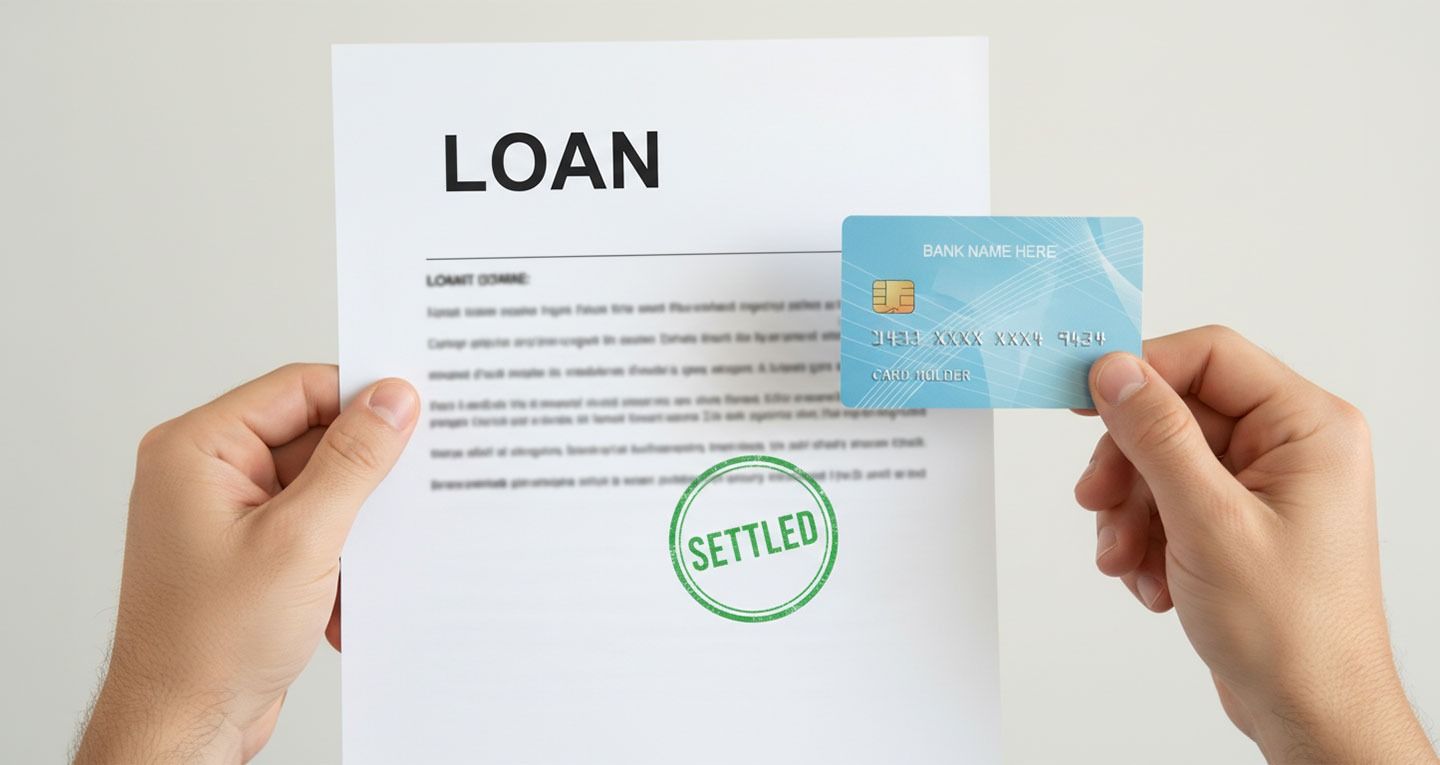
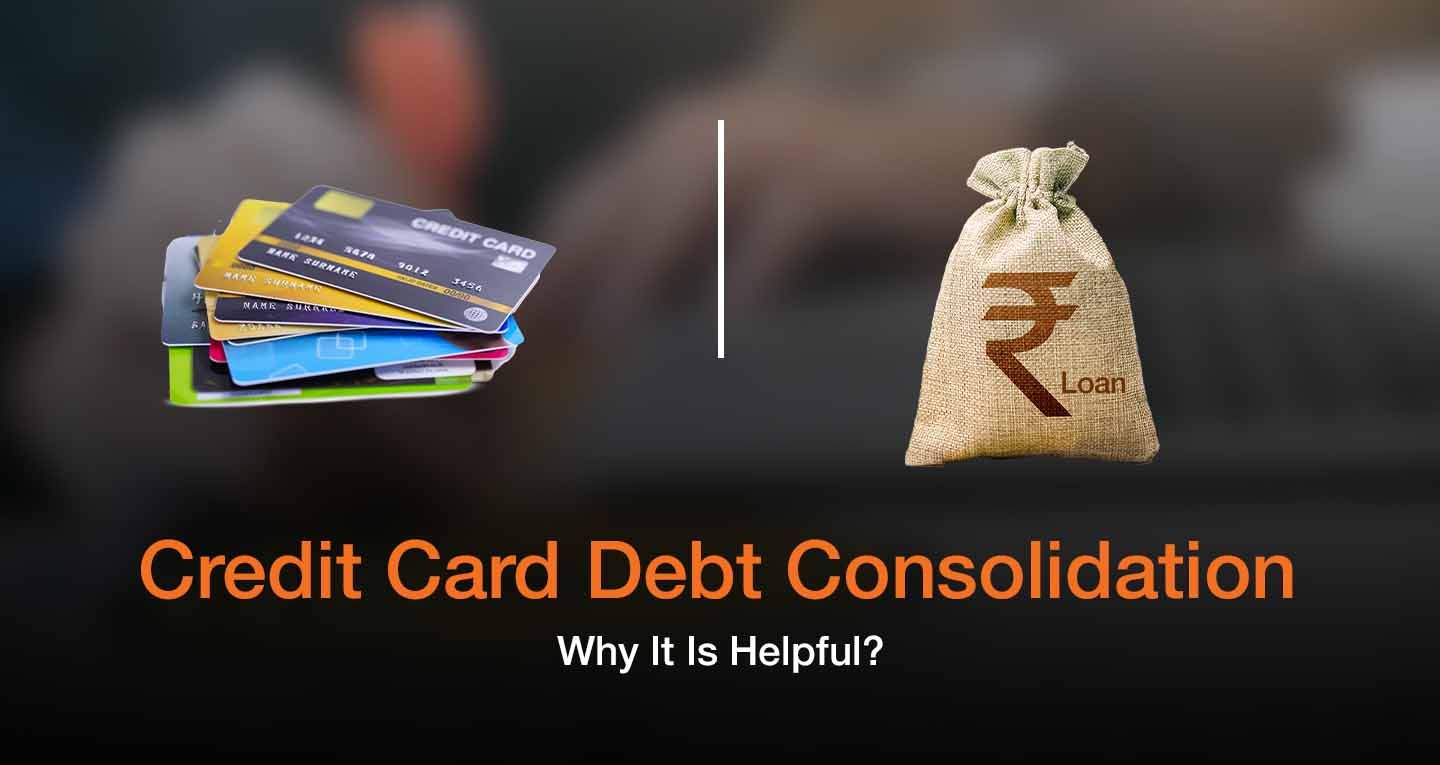
Credit card debt consolidation means combining all your outstanding credit card balances into one single account or loan.
Instead of paying ₹3,000 to Card A, ₹2,500 to Card B, and ₹4,000 to Card C on three different dates you pay one amount, to one lender, on one date.
That's it. Simple idea. Powerful impact.
The consolidation can happen in a few different ways through a new loan, a balance transfer, or a personal line of credit. All of them achieve the same thing: one payment instead of many.
The goal is always two things: make repayment simpler AND reduce the total interest you pay.
How Does Credit Card Consolidation Actually Help?
Let's break this down clearly.
It simplifies your finances completely. Three bills, three due dates, three different minimum amounts to remember that's stressful. One bill, one date, one fixed amount that's manageable. Consolidation removes the mental load of tracking multiple credit card statements every month.
It can save you a lot of money on interest. Credit card interest in India is brutal 36% to 42% per year. That is ₹3,600 to ₹4,200 in interest every year on every ₹10,000 you owe.
A consolidation loan typically comes at 14–20% per year. That's nearly half the interest. On ₹1,00,000 of credit card debt, the annual savings could be ₹15,000–₹20,000 in interest alone.
It reduces your monthly EMI burden. Because the interest rate is lower and the tenure is structured, your monthly outgo often reduces giving you breathing room in your budget.
It helps you pay off debt faster. With high-interest credit cards, most of your minimum payment goes towards interest, not the actual debt. With a lower interest consolidation loan, more of each payment goes towards the principal. You get out of debt faster.
3 Ways to Consolidate Your Credit Card Debt
There are three main ways to consolidate. Each works differently. Here's what you need to know about each one.
- 1
Way 1: Debt Consolidation Loan
This is the most common and effective method for most people in India. You take a new personal loan from a bank, NBFC, or through FREED's lending partners at a lower interest rate. This loan pays off all your credit card outstanding balances at once. You then repay this one loan in fixed monthly installments. Example: You have 3 credit
- 2
Way 2: Balance Transfer to a Low-Interest Credit Card
Some banks offer a special balance transfer option. You move your outstanding balance from a high-interest card to a new card often at a very low or 0% promotional interest rate for a limited period (usually 3–6 months). Best for: People who can repay the full balance within the promotional period. Watch out for: Once the promotional period ends, the
- 3
Way 3: Personal Line of Credit
Some lenders offer a personal line of credit, a flexible borrowing limit you can draw from as needed, at a lower rate than credit cards. You use this to pay off your credit card balances. You then repay the line of credit at the lower rate. Best for: People with a strong credit history who need flexibility in how much
Are You in a Loan Trap? Quick Check
Move the slider to your total EMIs as a % of monthly salary. See your debt stress level instantly.
EMIs as % of Monthly Salary
What to Check Before You Consolidate
Before you commit to any consolidation option check these things:
Your total outstanding amount across all cards. Add up every credit card balance. This is the amount you need to consolidate. Be accurate, don't guess.
The interest rate on the new loan or balance transfer. A consolidation only helps if the new rate is meaningfully lower than your current credit card rate. If your cards are at 38% and the new loan is at 36% the saving is minimal. You want at least 10–15 percentage points of difference.
All fees involved. Processing fees, balance transfer fees, foreclosure charges add all of these up. Calculate whether the total interest saving after fees is still positive.
Your CIBIL score. A good score (above 650) gives you access to lower interest rates on consolidation loans. If your score is below 650, you may not get favourable terms or may not qualify at all. In that case, debt settlement may be a more suitable option.
Whether you'll actually stop using the cards after consolidation. Consolidation only works long-term if you don't run up the credit card balances again. Be honest with yourself about this before you proceed.
What to Do After Consolidation
Getting the consolidation done is step one. Staying out of debt is step two.
Set up auto-debit for the consolidation loan EMI. Never miss a payment. Missing a payment on the consolidation loan undoes all the benefit. Auto-debit removes that risk completely.
Stop using credit cards for daily expenses. Use them only for planned, budgeted purchases like one small recurring bill and pay the full balance every month. Never carry a balance on them again.
Build a small emergency fund. Most people get into credit card debt because of sudden expenses with no savings to cover them. Even ₹500–₹1,000 per month saved separately builds a buffer over time. This stops you from reaching for the credit card in a crisis.
Check your CIBIL score every 3 months. Consistent on-time payments on your consolidation loan will slowly improve your score. Monitoring it helps you track progress and catch any errors quickly.
How FREED's Debt Consolidation Program Works
- 1
Step 1. Free Consultation
Tell us about your credit card balances, loans, income, and expenses. We assess whether consolidation is the right fit. No fees. No commitment.
- 2
Step 2. Eligibility Check
We check your profile against our network of lending partners. We find the best available interest rate and tenure for your situation.
- 3
Step 3. You Get One Clear Offer
We present you with a consolidation loan offer showing your new single EMI, the interest rate, tenure, and exactly when you'll be debt-free. You decide.
- 4
Step 4. All Cards and Loans Are Paid Off
The consolidation loan amount is used to clear all your credit card balances and existing loans. Those accounts are closed.
- 5
Step 5. You Pay One EMI Every Month
One lender. One due date. One fixed amount. Done. Throughout this process if you face any harassment from recovery agents FREED Shield protects you immediately.
About FREED
FREED is India's first and leading Debt Relief Platform. We help people who are overwhelmed by credit card bills, personal loans, and multiple EMIs find a legal, stress-free path to becoming debt-free.
Our Debt Consolidation Program combines all your debts into one lower, manageable EMI through our lending partners. For people who genuinely cannot repay in full, our Debt Resolution Program negotiates settlements on average at 56% less than what was owed.
We also protect you from recovery agent harassment through FREED Shield trusted by over 15,00,000 Indians.
Over 10,000 Indians from Lucknow to Surat, Patna to Bhopal have used FREED to take back control of their finances.
No complicated language. No hidden charges. No judgement. Just real help.

India's leading debt resolution platform
FREED is India's leading platform for debt settlement and financial wellness. We have helped over 60,000 Indians reduce, manage, and get completely out of debt the right and legal way.
Media Mentions