Can You Get a Personal Loan With No Credit Score?
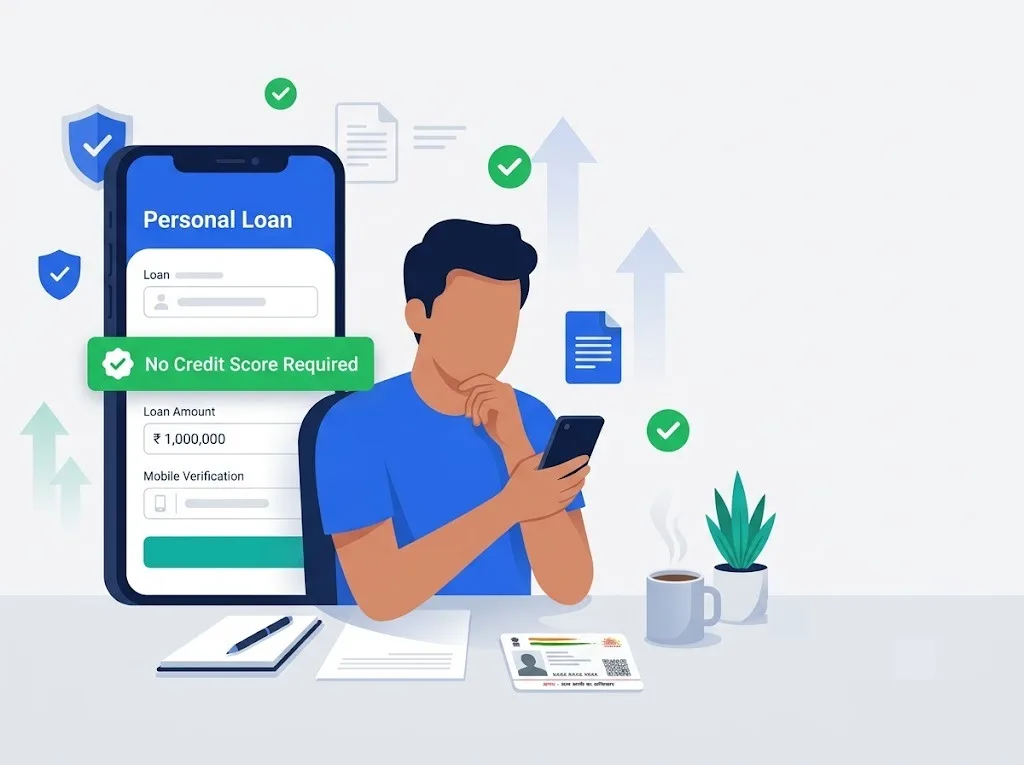
A personal loan without a credit score is possible in India, mainly through NBFCs and fintech lenders that assess income, bank statements, and alternative data rather than CIBIL history. It comes with a smaller loan amount and a higher interest rate until your first credit history is built.
Mohit Juneja
Reviewed by FREED India, Debt Resolution Specialists
 4.7/5
4.7/5 ₹3,200Cr+
 20,000+
 20,00,000+4.7/5₹3,200Cr+20,000+20,00,000+
KEY TAKEAWAYS

A personal loan without a credit score is available to new-to-credit (NTC) borrowers through NBFCs and select banks.
Lenders substitute income proof, bank statement patterns, and job stability for the missing CIBIL history.
A credit report showing "NA" or "-1" means no history yet, not a poor rating.
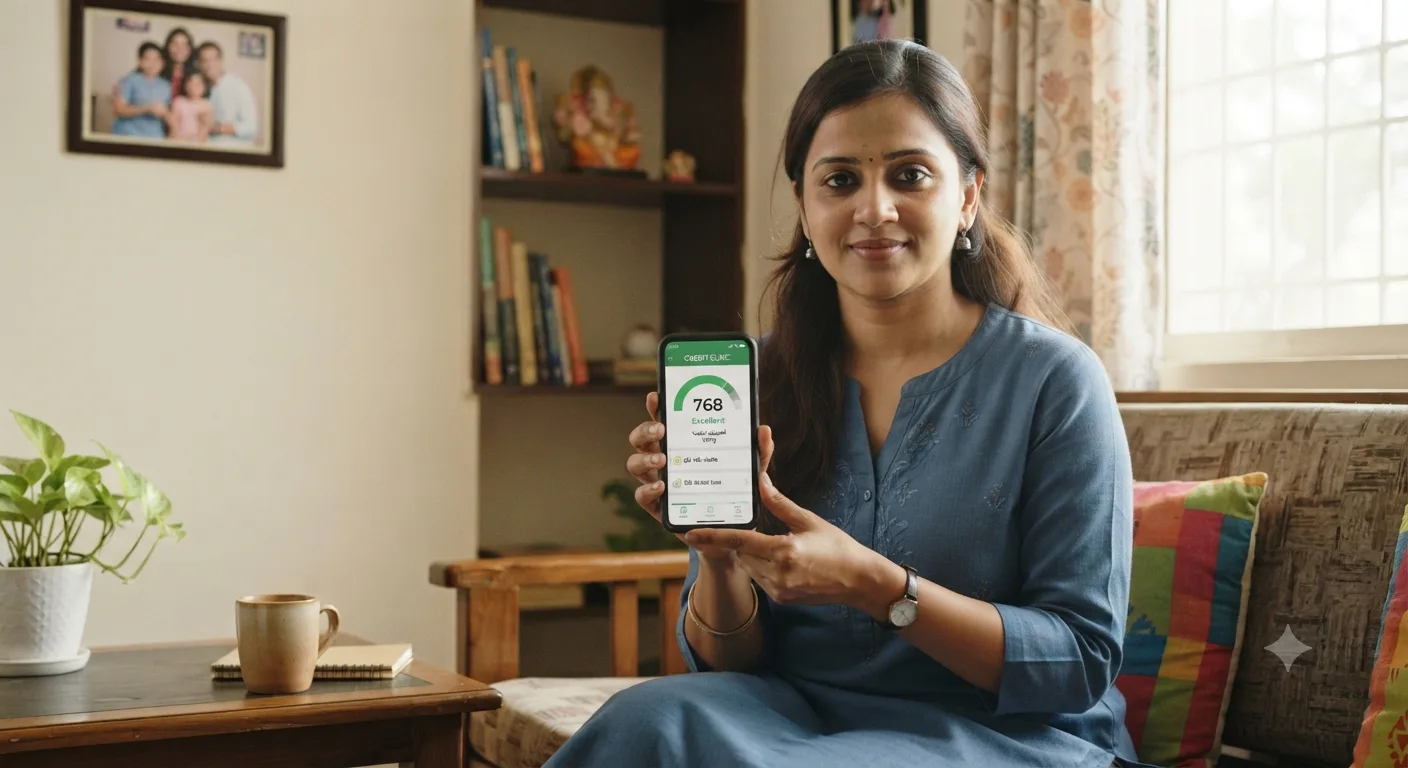
Your first loan helps establish your credit history. Paying your EMIs on time can help build your credit profile over time.
Loan amounts for NTC borrowers are typically smaller, and interest rates are higher until a track record builds.
What Does "No Credit Score" Actually Mean
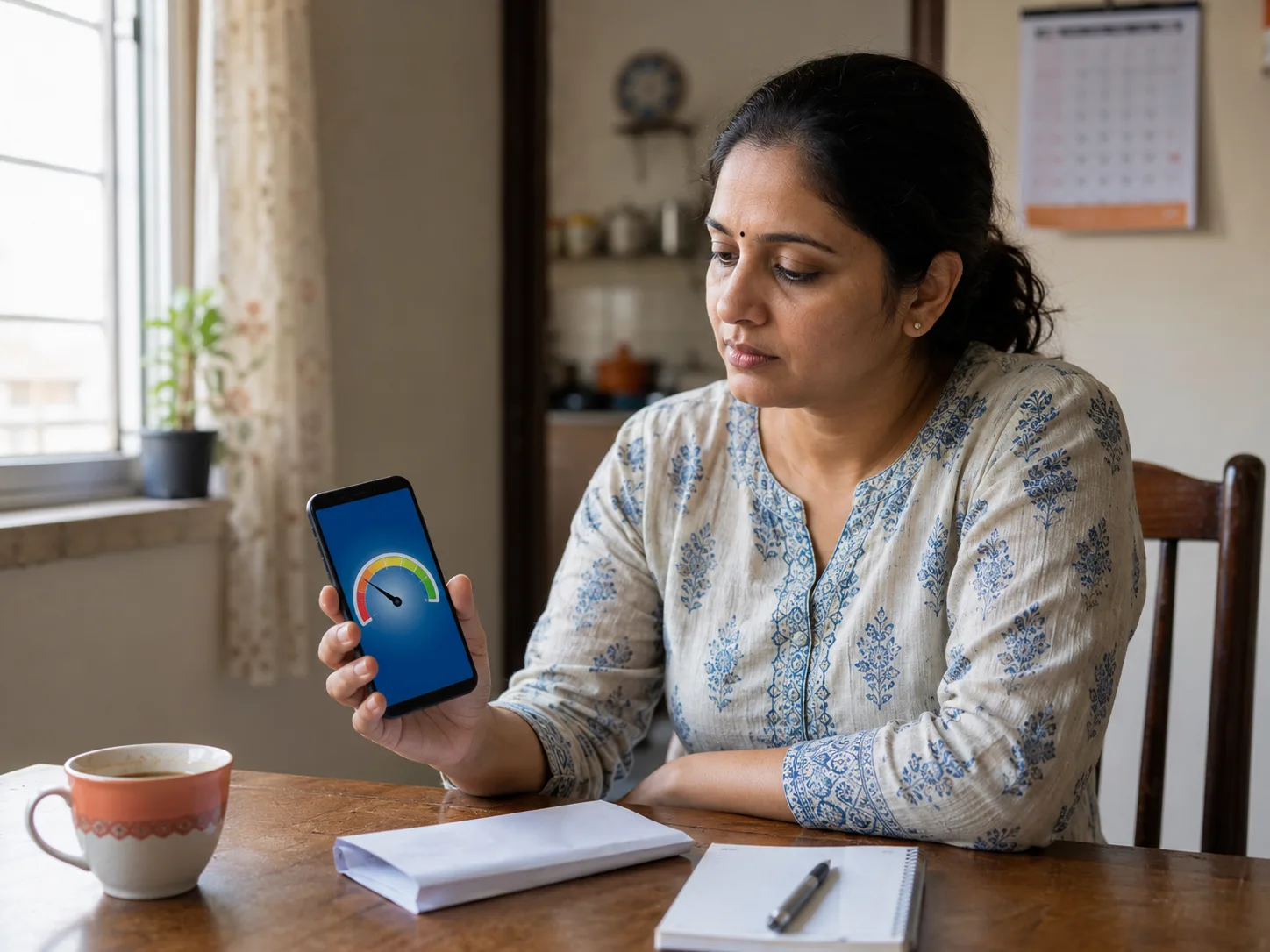
If you've never taken a loan or held a credit card, your credit report doesn't show a bad score; it shows no score at all. Bureaus mark this as "NA" (not applicable) or sometimes "-1," which simply means there isn't enough repayment history yet to generate a number. This status is called new-to-credit, or NTC.
It's worth being clear about the difference here, because the two get confused often. A low score, say 500, means you have a credit history, and it reflects some financial strain, missed payments, high utilisation, or worse. An NTC status means you have no history at all, good or bad. Lenders read these very differently. A 500 score signals risk based on real behaviour. An NTC status signals uncertainty, not risk, because there's simply nothing on record yet to judge you by.
If you're seeing "NA" on your report, that's a neutral starting point, not a red flag. It simply means you haven't built a credit history yet. Responsible repayment habits can help you build a positive credit profile over time.
Why Traditional Banks Hesitate Without Credit History
Banks rely heavily on your CIBIL score because it gives them a fast, standardised way to judge risk. It tells them how you've behaved with credit before, whether you've paid on time, how much you typically owe, and how you manage multiple obligations. Without that history, a bank has no established basis to make that judgment quickly, which is why many banks either reject NTC applicants outright or offer very limited loan amounts if they do lend at all. It isn't personal, and it isn't a comment on your financial character; it's simply that the bank's usual method for assessing risk has nothing to work with in your case.
How Lenders Assess You Without a CIBIL Score
This is where NBFCs and fintech lenders genuinely differ from traditional banks, and it's a real evolution in how lending works in India, not a loophole or a workaround. Since your CIBIL score isn't available, these lenders build a picture of your reliability from other verifiable data.
The most common substitute is your bank statement, usually the last three to six months, which shows actual cash flow rather than a single number. Consistent salary credits on the same date each month tell a lender far more about your repayment capacity than a missing score ever could. Employment type and tenure matter too. Someone salaried for over a year at the same company reads as more stable than someone recently self-employed, even if both have zero credit history.
Increasingly, some NBFCs and fintechs also look at alternative data like utility bill payment records and UPI transaction patterns, particularly for self-employed or gig-economy applicants who don't have a traditional salary slip. This kind of underwriting isn't a fringe practice. It reflects a genuine shift in how Indian lenders are learning to serve new-to-credit borrowers responsibly, using real financial behaviour instead of a bureau number that simply doesn't exist yet.

Signs You Qualify for a Personal Loan With No Credit Score
A few things make an NTC application stronger even without a score to lean on.
Stable monthly income is the biggest one, whether you're salaried with consistent bank credits or self-employed with clean, verifiable bank statements and ITR filings. An existing relationship with a bank, even just a savings account you've held for a year or more, helps too, since it gives the lender something to look at beyond your loan application alone. Being open to starting with a smaller loan amount also improves your odds meaningfully, since a lower ask carries less risk for a lender who has no prior history to judge you against.
How to Apply for a Personal Loan With No Credit History
Start by gathering your income proof first. This means salary slips for salaried applicants, or six months of bank statements alongside ITR or GST filings if you're self-employed. Having this ready before you apply saves time and shows the lender you're organised.
Next, look at both NBFC and bank options rather than assuming banks are automatically out of reach. Some banks do work with first-time borrowers, particularly if you already hold an account with them. When comparing offers, look at the full APR, the actual annual cost including processing fees, not just the headline interest rate advertised on the homepage. Two offers with the same interest rate can end up costing very differently once fees are added in.
Before applying anywhere, verify the lender is RBI-registered, whether it's an NBFC or a digital lending app. And go in with realistic expectations on the loan amounts. As a first-time borrower, you're more likely to be approved for a smaller amount, and that's actually the better outcome, since a smaller loan repaid well builds the foundation for larger approvals later.

FREED Expert Tip
Ask your own salary account bank first. An existing banking relationship often gets a fairer personal loan offer than a new fintech lender.
Check Your OptionsWhat Are Your Options If You Are Rejected
If your first application doesn't go through, a few realistic paths remain open.
Adding a co-applicant or guarantor who already has an established CIBIL score is often the fastest way to get approved, since the lender now has an existing track record to lean on alongside yours. Applying for a secured option first, like an FD-backed credit card, is another route. It builds a credit history using your own deposit as collateral, which then makes future unsecured loans easier to get. And approaching an NBFC with more flexible, income-based criteria, rather than trying only traditional banks, often opens doors that a purely score-based lender would keep closed.

What the Law Says
Under the RBI's Digital Lending Directions, every digital lender must show you a Key Fact Statement (KFS) with the full APR before you accept any loan offer, whether or not you have a CIBIL score. [RBI, Reserve Bank of India (Digital Lending) Directions, 2025 (RBI/2025-26/36), effective May 8, 2025:
Read the Key Fact Statement FirstHow FREED Helps You Build Credit From Here
FREED doesn't provide or arrange loans; it isn't a lender, so it can't get you your first loan directly. What FREED can do is help you track and understand the credit score that the first loan starts building. FREED's Credit Insights provides your Experian-based credit report, highlights the factors affecting your credit profile, and offers practical recommendations on what to focus on next.
This is available to everyone, including first-time borrowers who've never had a score before; get a flat 50% off on subscription or you avail the subscription at flat 50% off. Instead of guessing how your credit history is developing, you can track your credit profile and understand the factors affecting it over time.
If you're considering a loan app rather than a bank or established NBFC, it's worth reading FREED's separate guide on verifying loan apps and avoiding harassment risk before you apply, since not every app operating in this space is a safe one to work with.
What Helps Once You Get Your First Loan
Once you're approved, a few habits matter more than anything else for how your score develops from here.
Pay every EMI on or before the due date. Consistent repayment behaviour is one of the most important factors in building a healthy credit profile. Avoid closing the loan too early if doing so shortens your credit history unnecessarily, since a slightly longer, well-managed loan often helps your score more than an early payoff does. Don't apply to five lenders at once, hoping one approves you. Each application creates a hard enquiry, and multiple enquiries in a short window work against the very history you're trying to build. Finally, check your credit report after some time to confirm your lender has started reporting your repayments to the credit bureau. Reporting timelines may vary.
Getting a Personal Loan With No Credit Score, Step by Step
Confirm You Are New to Credit, Not Low Score
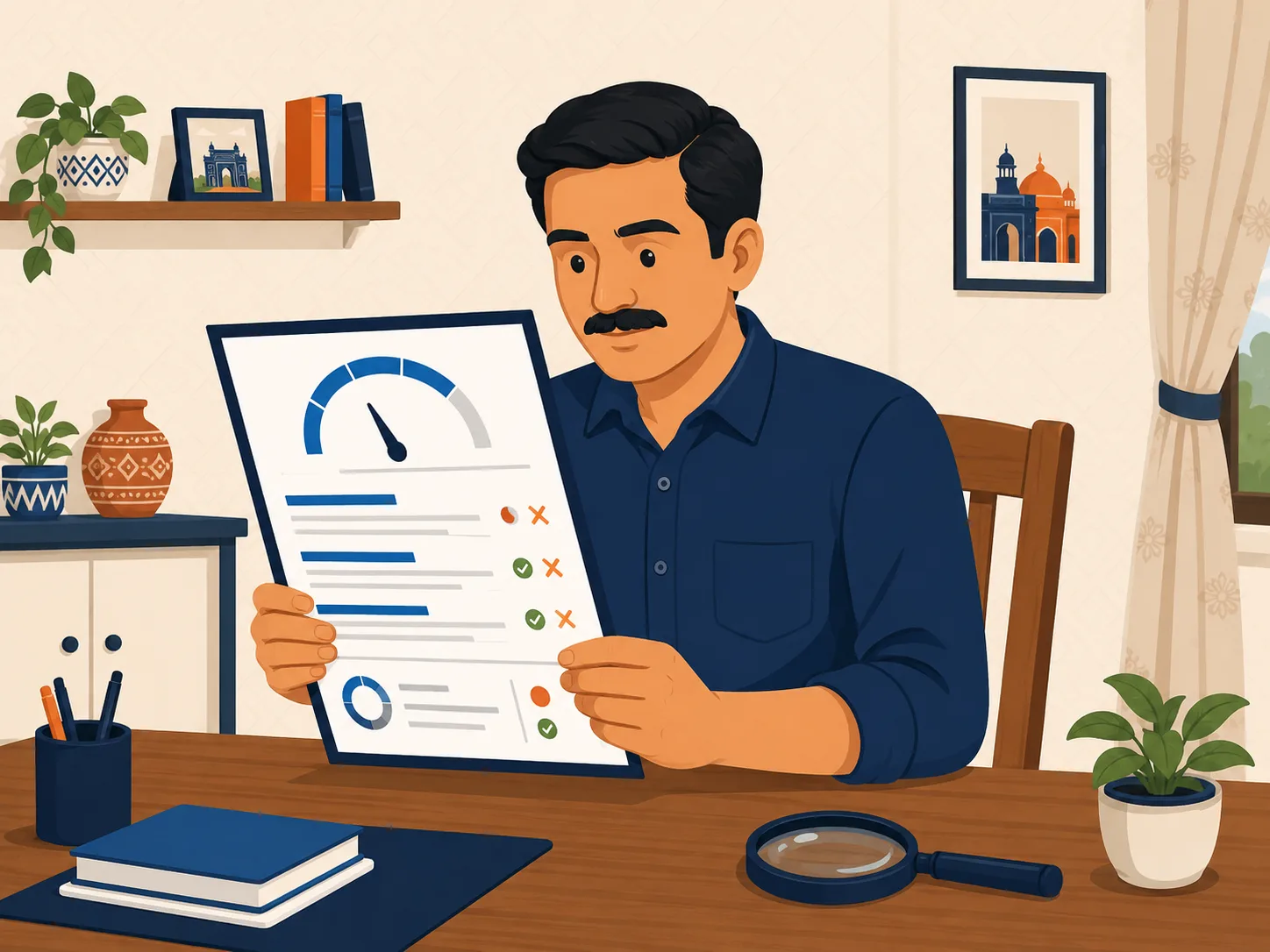
Pull your report and check it shows "NA" or "-1," not a real negative history. This distinction changes how a lender will treat your application.
Gather Income Proof First
Salary slips for salaried applicants, or six months of bank statements plus ITR filings for self-employed applicants. Clean, consistent documentation does most of the work here.
Start With Your Own Bank
An existing salary or savings relationship often gets you a fairer offer than approaching a lender who has never seen your financial history before.
Compare NBFC and Fintech Options
Check the full APR, not just the headline interest rate, before choosing. The advertised rate rarely tells the whole story once fees are added.
Repay On Time to Build Your Credit History
Your first loan is what creates the credit history that every future loan will be judged on. Treat the first few months as the most important ones in your entire credit journey.
Lender Types for No-CIBIL Borrowers
Lender Type | What They Check | Typical Trade-off |
Existing salary account with the bank | Banking relationship, salary credits | Often, the fairest rate for a first-time borrower |
NBFC | Income proof, employment type, and bank statements | More flexible than banks and a higher rate than a bank |
Fintech lender (RBI-registered) | Alternative data, like transaction and bill payment history | Fast approval, smaller loan amount |
Secured route (FD-backed card first) | Collateral instead of history | Builds credit before applying for an unsecured loan |
Which of these fits best depends mostly on how quickly you need funds versus how much you want to optimise for a lower rate. If you can wait and build history gradually, the secured route often sets up the best long-term outcome. If you need funds now, your own bank is usually the fairest starting point before you look at NBFCs or fintech apps. Approval and terms depend on individual profile and the specific lender's policy. FREED does not recommend or endorse any specific bank, NBFC, or fintech lender.

Mohit Juneja
Mohit Juneja writes educational content at FREED on debt management, credit scores, loan repayment, and borrowing best practices. His content is shaped by expert insights and industry knowledge, helping readers better understand their financial options and make informed decisions.
mohit.juneja@freed.care

FREED is India's trusted loan management platform. Founded in 2020 and headquartered in Gurugram, FREED has counselled 20 lakh+ people on personal loans, credit cards, and app loans. FREED charges fees only on successful settlement, not upfront. FREED does not handle secured loans (home loans, car loans, gold loans).
Media Mentions