Personal Loan Options for a 600 Credit Score
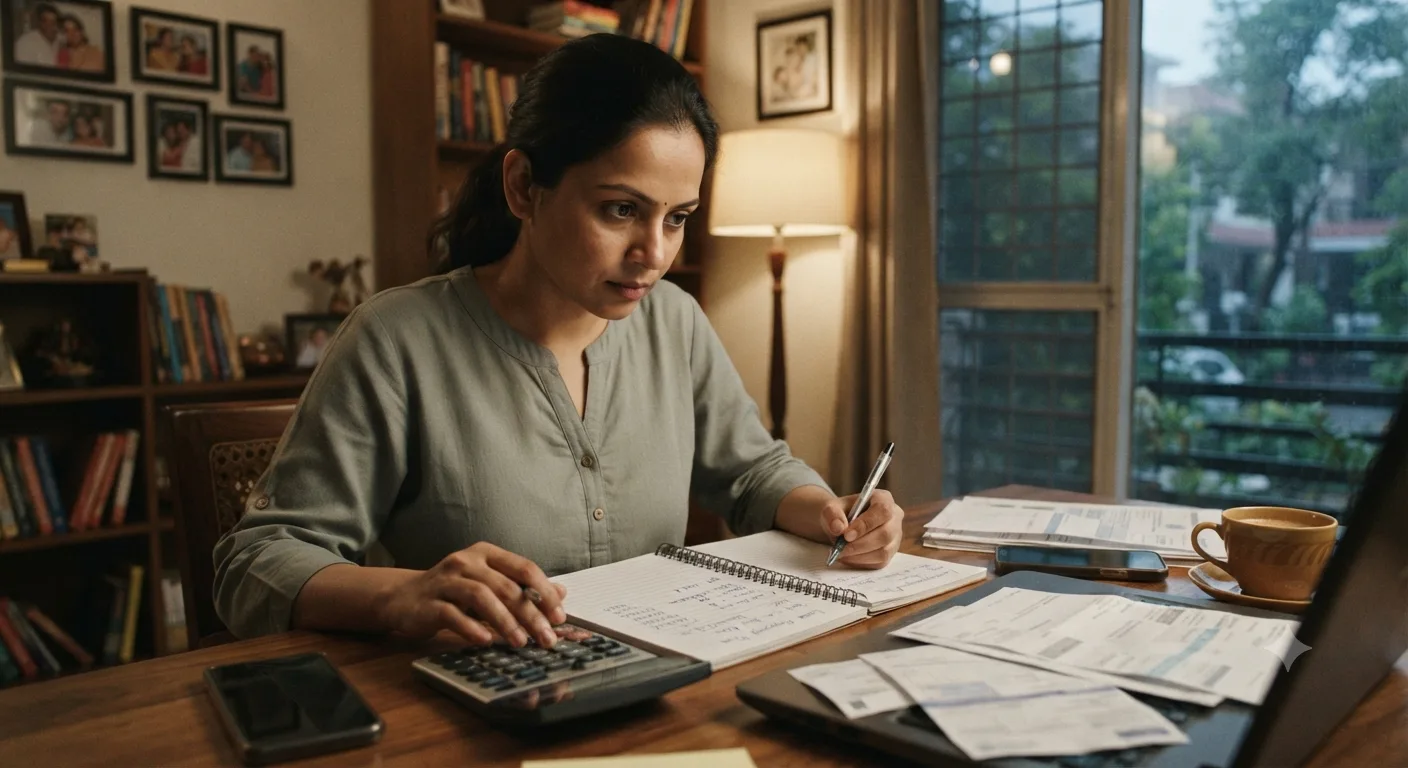
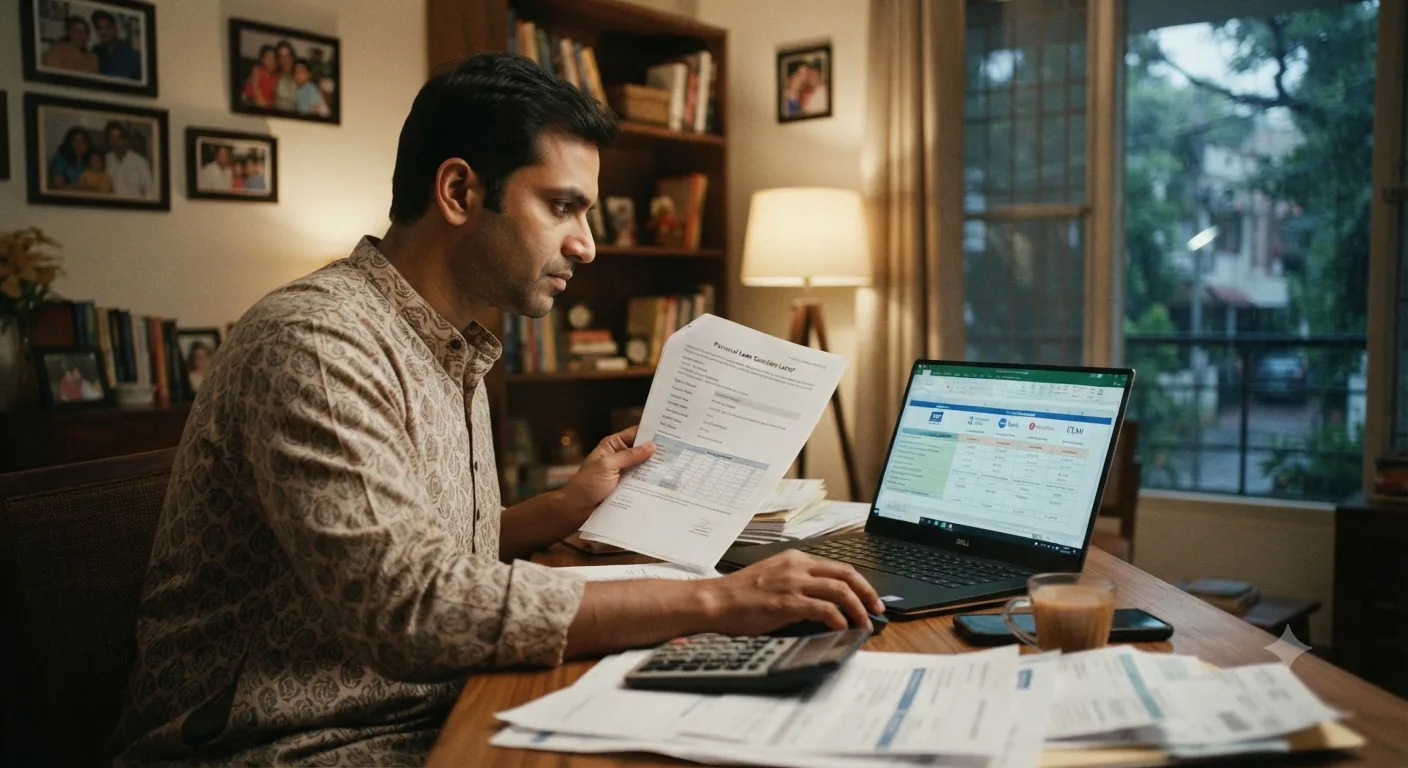
A 600 credit score falls in the fair to poor range on a 300 to 900 scale, below what most banks prefer for unsecured personal loans. But NBFCs, fintech lenders, and secured options still make a personal loan possible at this score, and it is worth understanding exactly where you actually stand before assuming the door is closed.
Mohit Juneja
Reviewed by FREED India, Debt Resolution Specialists
 4.7/5
4.7/5 ₹3,200Cr+
 20,000+
 20,00,000+4.7/5₹3,200Cr+20,000+20,00,000+
Key summury

Many banks generally prefer applicants with stronger credit profiles, although eligibility varies by lender.
NBFCs and fintech lenders are more likely to approve at 600, usually with a higher interest rate in exchange.
A co-applicant with a stronger credit profile may improve eligibility, subject to the lender's assessment.
Borrowers with stronger credit profiles may qualify for more competitive interest rates, depending on the lender.
If the score dropped to 600 because active EMIs are already eating most of your income, another loan may not be the right first move.
What Does a 600 Credit Score Actually Mean?
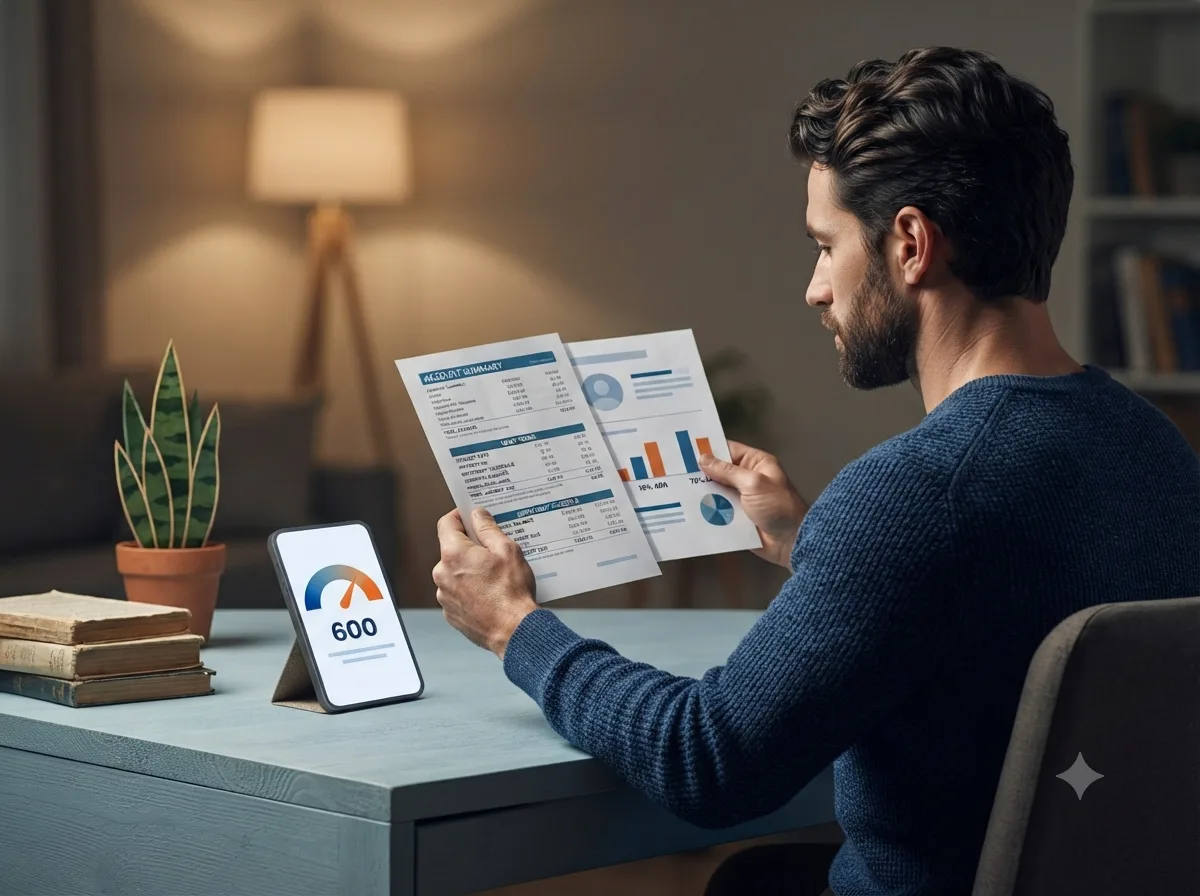
Your CIBIL score sits somewhere on a 300 to 900 scale, and 600 lands in what most lenders describe as the fair to poor band, generally below the 650 to 700 range that traditional banks prefer for their most straightforward, lowest cost unsecured personal loans. It helps to be precise about what this number is actually telling a lender, rather than treating it as a single verdict on your creditworthiness as a whole.
A 600 score typically reflects one or more specific things in your credit history. It might mean a couple of missed payments sometime in the past, even ones that were later cleared. It might reflect high credit utilisation, meaning you have been using a large share of your available credit card limit for a sustained period. Or it might simply reflect a thin credit history, where you have not borrowed enough, or for long enough, for the bureau to build a fuller, more confident picture of your repayment behaviour.
None of these situations are the same as an active default or a loan currently written off as unrecoverable. A 600 score sits in a genuinely different, considerably less severe category than that. It is a signal that asks for closer scrutiny from a lender, not an automatic rejection, and understanding this distinction changes how you should approach the rest of this guide, since the right path forward depends heavily on which of these underlying situations actually describes yours.

Not sure why your score is stuck at 600?
Get your Experian-based report and a clear breakdown.
Subscribe NowWhy Are Banks Cautious at a 600 Credit Score?
Understanding why banks react the way they do at this score helps take some of the mystery, and honestly some of the sting, out of a rejection or a higher quoted rate.
A credit score is fundamentally a lender's shorthand for risk, built from your documented track record of borrowing and repaying money over time. A 600 score tells a bank that your track record includes some genuine friction somewhere along the way, whether that is a missed payment, high utilisation, or simply not enough history to build real confidence either way. Banks, particularly larger traditional ones with lower-cost funding and correspondingly tighter risk appetites, respond to that friction in one of two ways. They either decline the application outright, preferring to only take on borrowers who fit comfortably within their lowest risk band, or they approve it but price in that additional risk through a meaningfully higher interest rate than they would offer a borrower with a stronger credit profile. For the exact same loan amount and tenure.
This is not a judgment about you as a person, and it is worth genuinely internalising that distinction. It is a mechanical, numbers-driven response to statistical risk that a large institution applies uniformly across every application that crosses its desk, regardless of the specific, often entirely understandable reasons behind any individual borrower's score.

What Are the Real Personal Loan Options at a 600 Credit Score?
Here are the routes that genuinely remain open at this score, laid out roughly in order of how accessible each one tends to be, along with the honest trade-off attached to each.
An NBFC personal loan backed by strong income proof is generally the most straightforward route. NBFCs build their entire business model around assessing borrowers that traditional banks consider too risky, so a 600 score with a clean, stable income and a solid recent bank statement stands a genuine chance here. The trade-off is a noticeably higher interest rate than a bank would charge, in exchange for that flexibility.
A fintech lender using alternative data is the next option, particularly useful if your income does not come through a conventional salaried structure. These lenders often read your bank transaction history, UPI activity, and broader digital footprint alongside the score itself, which can work in your favour if your income is genuinely stable but simply harder to document through traditional salary slips.
Adding a co-applicant with a stronger credit score is a third route worth considering seriously. This can meaningfully shift the approval decision and the rate offered, since the lender is now effectively underwriting two credit profiles instead of one, with the stronger one carrying real weight in the decision.
An FD-backed secured loan is a fourth path, where a fixed deposit you already hold becomes collateral for the loan. This generally unlocks a considerably lower interest rate than any unsecured option, since the lender's risk is minimal, but it does tie up that FD for the duration of the loan.
And finally, a smaller loan amount from your own existing salary account bank is worth checking before going anywhere else, since that relationship, built on your salary credits landing there every month, can sometimes unlock terms an unfamiliar new lender simply would not offer a first-time applicant.
To make the rate gap concrete, consider a ₹3 lakh personal loan over 36 months. At a strong 750 plus score, a bank might offer this at around 12% per annum, working out to a total repayment of roughly ₹3.59 lakh. At a 600 score through an NBFC, the same loan at around 24% per annum would total closer to ₹4.24 lakh over the same period, a difference of roughly ₹65,000 in interest alone for identical borrowing.
What Interest Rate Should You Expect at a 600 Credit Score?
It is worth setting honest, grounded expectations here rather than either exaggerating the cost or understating it. At a 600 score, you should expect a rate meaningfully higher than what a prime bank rate would look like for a strong credit profile. Beyond that general expectation, the exact number genuinely depends on your specific income stability, your employment type, and the individual lender's own risk model, which varies considerably from one NBFC or fintech platform to the next.
As a general reference point, NBFC and fintech personal loan rates for borrowers below the 700 score threshold commonly fall somewhere in the 18% to 36% per annum range, with the specific figure shaped heavily by how strong your income documentation looks and how the individual lender chooses to price risk at this particular score band. It would be misleading to quote a single fixed number as universal here, since two lenders assessing the identical 600 score profile can genuinely land on quite different rates, depending on their own internal criteria and current risk appetite.
What matters most practically is comparing actual offers side by side once you have them in hand, rather than anchoring your expectations to any single number you might read in an article like this one, including this one.
Expert Tip
Ask for your interest rate in APR terms, not just the headline rate. At a 600 score, processing fees and other charges can meaningfully change the real cost of the loan, sometimes enough to make a lower headline rate actually more expensive once every fee is accounted for.
Check your options
Is a New Loan the Right Move at a 600 Credit Score?
There is an honest question worth sitting with here before you go through the effort of comparing lenders and gathering documents, and it deserves a genuinely clear answer rather than a vague one.
If your score dropped to 600 mainly because of a thin credit history, or a couple of old missed payments from years back that you have since moved past, and your current EMIs, if you have any at all, are genuinely manageable within your monthly income, a new loan can make real sense here. This describes someone whose credit history has some friction in it, but whose present financial situation is stable and capable of absorbing another monthly obligation without real strain.
If your score sits at 600 because you already have two or more active EMIs consuming a large share of your income right now, the calculation looks quite different. In that specific situation, adding another loan on top of what is already stretching your budget usually adds pressure rather than solving anything, even if a lender is technically willing to approve it. The approval itself does not change the underlying math of your monthly income against your monthly obligations.
Neither of these situations reflects poorly on you as a person or as a borrower. They are simply two different starting points that call for two genuinely different next steps, and the honest answer to which one describes you is worth working out clearly before you apply anywhere.
What Are Your Options If Existing Debt Is Behind the Score?
If you recognised the second situation above in your own circumstances, here is a sensible order to work through your options rather than jumping straight to the most involved one.
If this is a genuine, one-off need and your current EMIs remain manageable within your income, an NBFC personal loan or a secured option like an FD-backed loan can work perfectly well as a straightforward next step. This describes someone whose overall financial picture is fundamentally sound, just needing a specific, contained amount for a specific purpose.
If you already have two or more EMIs stretching your income thin, FREED's Loan Consolidation Plan is worth exploring before taking on anything new. This merges your existing eligible debts into a single, lower monthly EMI through a lending partner, addressing your full financial picture at once rather than adding yet another separate obligation to an already crowded list.
If repaying what you currently owe has genuinely become impossible rather than simply difficult, that calls for a different, more serious conversation, and FREED's Loan Settlement Plan exists specifically as the option worth discussing in that situation, as a last resort reserved for genuine financial difficulty rather than a first response to a tight month.
It is worth working through these in the order presented here rather than skipping ahead, since most readers land closer to the first two options than they might initially assume when they start reading a piece like this one.

What the Law Says
RBI requires every lender, whether a bank or an NBFC, to disclose the full APR and every associated charge through a Key Fact Statement before you accept a loan offer, regardless of your credit score. This applies equally to a strong 750 plus applicant and a 600 score applicant, and it is worth insisting on seeing this document before signing anything, whichever category of lender you end up approaching.
Get a Free EMI AssessmentHow FREED Helps Based on Why Your Score Is at 600
If you are not entirely sure yet which of the situations above actually describes you, FREED's Credit Insights is a genuinely useful starting point before applying for anything at all. Get flat 50% off on subscription or you avail the subscription at flat 50% off, it pulls your full Experian based report and shows you precisely what is holding your score at 600, whether that is utilisation, a specific missed payment, or simply a thin file, along with a step by step plan for addressing whichever factor turns out to be the real driver.
If it turns out you are still managing to repay everything you owe, even if it takes genuine effort every month, but you are stretched thin across multiple cards or loans, FREED's Loan Consolidation Plan is built specifically for this situation. FREED assesses your complete financial picture rather than just a single account, and matches you to a lending partner from its own network. A Loan Consolidation Plan may combine eligible debts into a single EMI, depending on the approved loan terms. It is worth being clear that FREED itself does not act as a lender or issue loans directly. It assesses your situation and facilitates the match with a partner who does. This is a success based service, meaning a fee applies only once the consolidation is actually completed.
If repaying what you owe has genuinely become impossible, that calls for a different plan entirely. Settlement is not something a borrower chooses out of preference. FREED's Loan Settlement Plan exists specifically for borrowers in real financial difficulty, and it works through a structured process. FREED helps borrowers settle their unpaid/overdue loans at up to 50% less. This is a fundamentally different path from consolidation, worth discussing directly with a FREED counsellor so the option that actually fits your situation gets matched correctly rather than assumed from a distance.
CIBIL Impact Simulator
See What's Realistic From Here. Enter your current score of 600, the number of active EMIs you are managing, and the action you are weighing, a new loan, consolidation, or settlement, and see a realistic next step suggestion along with the likely score direction for each path.

Not Sure Why Your Score Is Stuck at 600?
Get your Experian-based report and a clear breakdown.
Subscribe NowWhat Helps Before You Apply at a 600 Credit Score?
A few habits, followed before you ever submit an application, genuinely improve both your odds and the terms you are likely to be offered.
Check your credit report for errors before applying anywhere, since a wrong entry sitting quietly on your file could be pulling your score down further than your actual repayment history would justify on its own. Compare offers from at least two different lenders rather than accepting the very first one that comes back, since rates and terms genuinely vary at this score band from one lender to the next. Each formal application creates a hard enquiry that lenders may consider during future credit assessments. Borrow only what you genuinely need for the specific purpose at hand, rather than the maximum amount a lender might be willing to offer. And consider a co-applicant with a stronger score if one is available to you, since this single step can shift both the approval decision and the rate you are ultimately offered.
Steps: Getting a Personal Loan With a 600 Credit Score
Check your report for errors first
A wrong entry could be pulling your score down unnecessarily, and correcting it before you apply anywhere costs nothing and takes no more than a careful read through your full report.
Compare NBFC and fintech offers
Look at the full APR across each offer, not just the advertised headline rate, since fees and charges can shift the real cost considerably at this score band.
Consider a co-applicant or secured option
Either one can meaningfully improve your approval odds and the rate you are offered, though a co-applicant's own score is affected if payments are ever missed.
Borrow only what you need
Responsible repayment helps build a stronger repayment history that future lenders may consider.
Confirm direct-to-bank disbursal
Funds should move directly from the lender to your bank account, with no intermediary handling the money at any stage of the process.
Comparison Table: Loan Options at a 600 Credit Score
Option | What It Needs | Real Trade-off |
NBFC personal loan | Strong income proof, stable employment | Higher rate than a bank, faster approval |
Fintech lender | Alternative data like bank transaction history | Fast, but smaller loan amounts |
Co-applicant loan | Someone with a stronger score | Their score is affected if payments are missed |
FD-backed secured loan | A fixed deposit as collateral | Lower rate, but ties up your FD |
Existing salary account bank | Banking relationship, salary credits | Often the fairest offer if available at all |
Approval and terms depend entirely on your individual profile and the specific lender's own policy. This table is for general awareness and does not represent an endorsement of any particular lender type over another.

Mohit Juneja
Mohit Juneja writes educational content at FREED on debt management, credit scores, loan repayment, and borrowing best practices. His content is shaped by expert insights and industry knowledge, helping readers better understand their financial options and make informed decisions.
mohit.juneja@freed.care

FREED is India's trusted loan management platform. Founded in 2020 and headquartered in Gurugram, FREED has counselled 20 lakh+ people on personal loans, credit cards, and app loans. FREED charges fees only on successful settlement, not upfront. FREED does not handle secured loans (home loans, car loans, gold loans).
Media Mentions