No-Cost EMI Explained: Is It Actually Free?
No-cost EMI is a marketing term used for EMI offers where the customer is presented with little or no separate interest cost. In credit-card EMI transactions, the economics may involve an upfront merchant/card-issuer discount or other arrangement that offsets the interest. The financing cost may still exist economically, even when the customer doesn't pay a separate interest amount. interest component.
Mohit Juneja
Reviewed by FREED India, Debt Resolution Specialists
 4.7/5
4.7/5 ₹3,200Cr+
 20,000+
 20,00,000+4.7/5₹3,200Cr+20,000+20,00,000+
KEY TAKEAWAYS

No-cost EMI isn't interest-free, the interest is built into the price or offset by a forfeited cash discount.
GST is charged on the interest component even when the retailer is technically "absorbing" that interest.
The only real way to check if it's genuinely worth it: compare the total EMI cost directly against the cash price for the same product.
A missed payment on a no-cost EMI can be reported as a missed payment and may negatively affect your credit profile. The 'no-cost' label does not remove your repayment obligation.
A processing fee or other applicable charge may still apply, depending on the lender, card issuer and offer.
What Does "No-Cost EMI" Actually Mean?
The EMI instalments may add up to the product's undiscounted price, while the cash buyer may receive a discount that the EMI buyer does not. That's the specific mechanic behind the label. It's not that interest disappears, it's that someone else absorbs it, and they typically get that money back by not discounting the product for cash buyers the way they otherwise might.
That distinction is the whole article. Everything below is really just tracing where that "absorbed" interest actually goes.

A Worked Example: Where Does the "Free" Interest Actually Go?
Take an illustrative example. Say a product is priced at ₹30,000 in cash, and the retailer would normally offer a ₹1,500 discount for paying upfront, bringing the real cash price to ₹28,500. On a "no-cost" 12-month EMI plan for the same product, the sticker price often stays at ₹30,000, no discount applied, and gets split into 12 instalments of ₹2,500 each.
Add those instalments up: 12 times ₹2,500 comes to exactly ₹30,000. Compare that to the ₹28,500 a cash buyer would have paid, and in this example, the gap, ₹1,500, represents the economic difference between the discounted cash price and the no-cost EMI price, not a universal claim about what the interest component always equals. It didn't vanish. It showed up as a discount the EMI buyer never received. This is the entire mechanic behind the label, dressed up differently depending on the retailer, but landing in roughly the same place every time. These figures are illustrative only, not tied to any specific retailer or lender's actual terms.
Why Is GST Charged on "Free" Interest?
Here's a detail the "no cost" label doesn't communicate at all. GST applies to the interest component of an EMI transaction, and this remains true even when a retailer is technically covering that interest through a forfeited discount rather than charging the customer directly. The tax authority still treats that interest as a real financial component of the transaction, whoever ends up absorbing it commercially.
In practice, this means a small GST charge can still appear on a no-cost EMI transaction, layered on top of an interest cost that's already been folded into the price once. It's a small amount in most cases, but it's a real one, and it's proof that "no cost" is a marketing simplification, not a literal description of what's happening financially.
What Other Charges Can Show Up on a "No-Cost" Plan?
Two costs tend to be the ones that quietly turn a "no cost" plan into one that costs something after all. A processing fee is common, charged by the bank or NBFC facilitating the conversion, entirely separate from the interest question. Depending on the product and lender, an early-closure or foreclosure charge may apply.
Neither of these gets much airtime in the marketing. Both are worth asking about directly before you sign up, not after the first statement arrives.
The One Check That Tells You If It's Actually Worth It
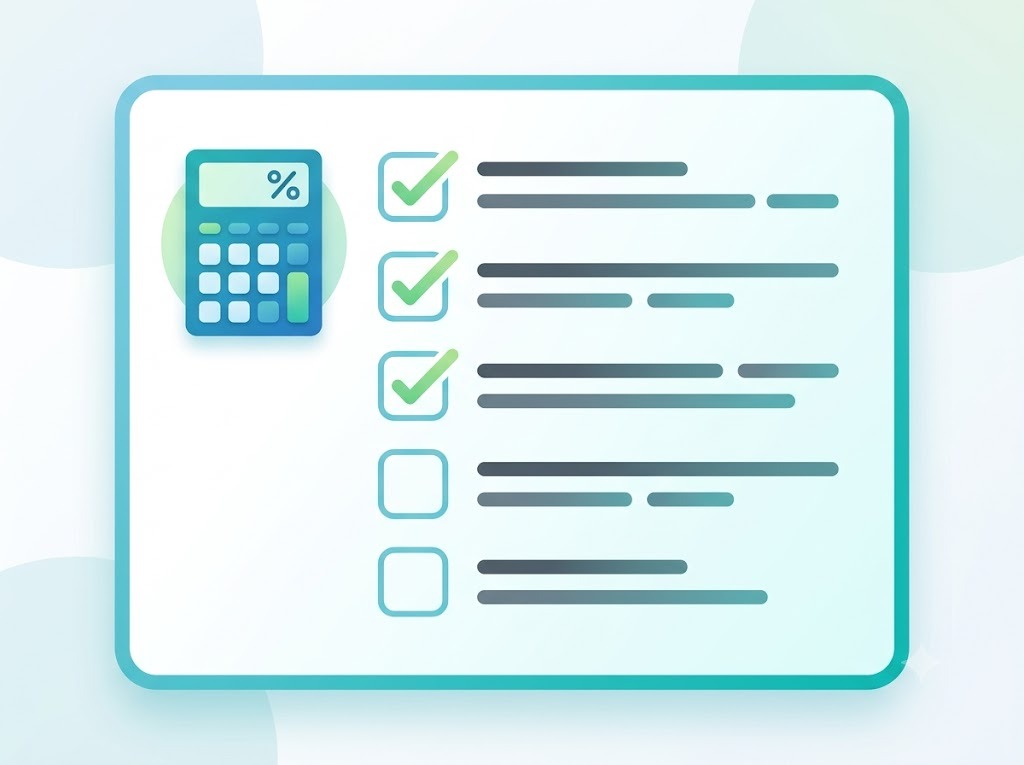
Everything above boils down to a single, reliable check. Compare the total of every EMI instalment plus processing fee and other applicable charges against the actual cash price after discount. Don't compare the monthly EMI figure against the product price, compare the total amount you'll actually pay for the same product, including any discount a cash buyer would actually get. It's worth planning out your EMI payments properly as part of this comparison, rather than just eyeballing the monthly figure in isolation.
If the EMI total comes out meaningfully higher than the real cash price, the "no cost" label is doing more marketing than math. If the two numbers land close together, it's a genuinely fair deal, and the EMI structure is simply a convenience, not a hidden cost. This one comparison cuts through every other consideration in this article, and it takes about two minutes with a calculator.
Are You in a Loan Trap? Quick Check
Move the slider to your total EMIs as a % of monthly salary. See your debt stress level instantly.
EMIs as % of Monthly Salary
If This Is Adding Up Across Several Purchases
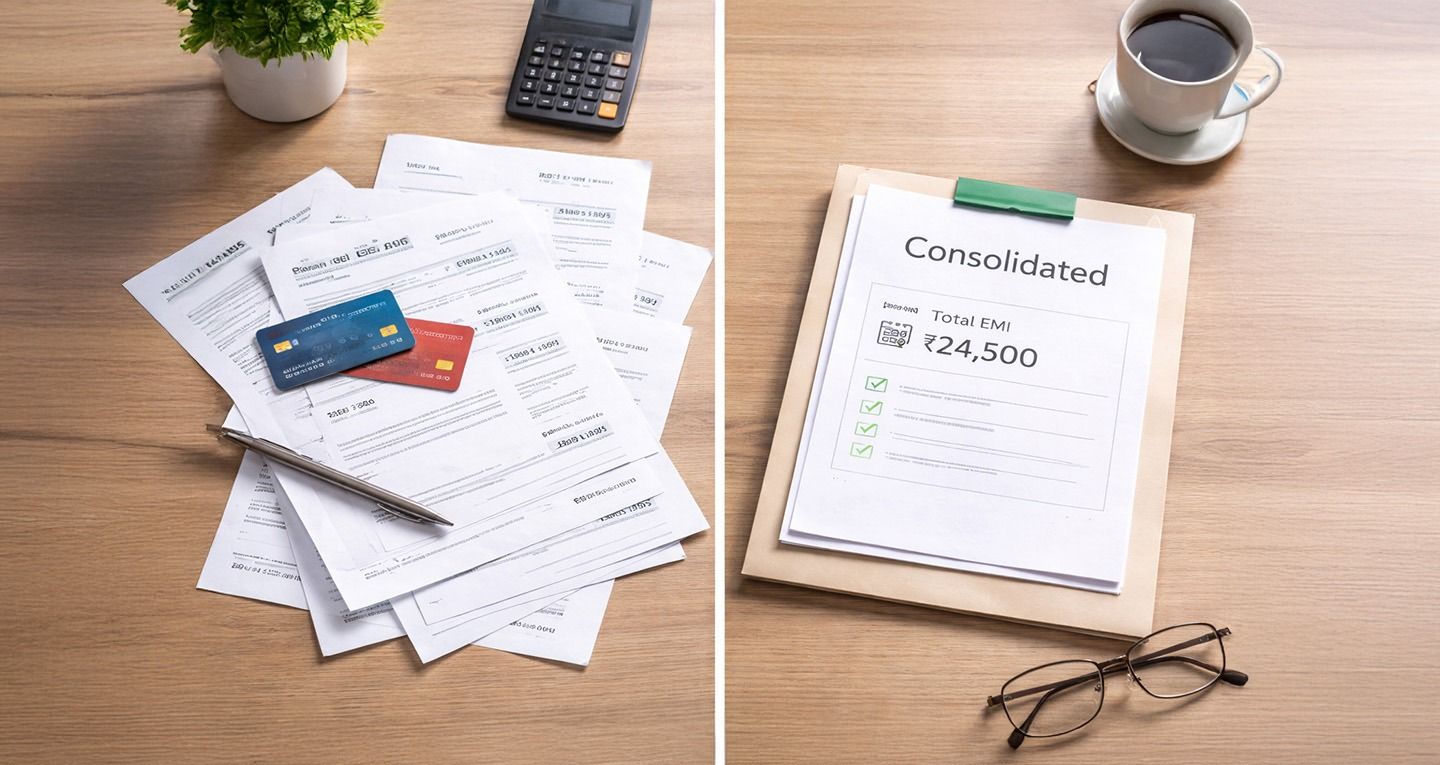
A missed no-cost EMI payment is reported and affects your CIBIL score exactly like any other missed EMI, the "no cost" framing doesn't soften that consequence at all. And if a few of these purchases have piled up alongside other loans and cards, each with its own due date, it's worth understanding how debt consolidation actually helps reduce monthly financial stress. FREED's Loan Consolidation Plan may combine eligible unsecured debts into a more manageable repayment arrangement.

Mohit Juneja
Mohit Juneja writes educational content at FREED on debt management, credit scores, loan repayment, and borrowing best practices. His content is shaped by expert insights and industry knowledge, helping readers better understand their financial options and make informed decisions.
mohit.juneja@freed.care

FREED is India's trusted loan management platform. Founded in 2020 and headquartered in Gurugram, FREED has counselled 20 lakh+ people on personal loans, credit cards, and app loans. FREED charges fees only on successful settlement, not upfront. FREED does not handle secured loans (home loans, car loans, gold loans).
Media Mentions