Minimum Credit Score for a Loan
Home loan, car loan, personal loan, business loan - the minimum CIBIL score needed is different for each. See the full breakdown.
Mohit Juneja
Reviewed by FREED India, Debt Resolution Specialists
 4.7/5
4.7/5 ₹3,200Cr+
 20,000+
 20,00,000+4.7/5₹3,200Cr+20,000+20,00,000+
Key Takeaways

The minimum credit score for a loan varies most by whether it's secured or unsecured, not just by lender.
Personal loans typically need 700 to 750 at banks, 650 or above at NBFCs, based on typical market practice rather than a fixed rule; each lender sets its own internal threshold.
Home loans usually want 750 or above for the best rates, though approval is sometimes possible from 650 to 700 with a larger down payment.
Car loans are more flexible, often approved from 700, since the vehicle itself is collateral.
Business loans generally need 650 to 750 for unsecured options, with secured business loans far more score-tolerant.
Why Minimum Credit Score Differs by Loan Type
The single biggest driver of how strict a lender is about your score isn't which bank you're applying to. It's whether the loan is secured or unsecured.
A secured loan has something backing it, a house, a car, gold, a fixed deposit. If repayment stops, the lender has a defined asset it can recover to cover its losses. That built-in backstop means the lender can afford to be more flexible about your score, because the score is one signal among several, not the entire risk calculation.
An unsecured loan has nothing behind it except your word and your repayment history. If you stop paying, there's no asset for the lender to fall back on. That's exactly why personal loans and unsecured business loans lean so heavily on the score. It's carrying more of the risk-assessment weight than it would on a secured product.
This single distinction explains most of the variation you'll see across loan types. Everything below builds on it.
Minimum Score for a Personal Loan
Since a personal loan is unsecured, the score does more work here than on almost any other loan type.
Most banks are comfortable somewhere in the 700 to 750 range for a standard personal loan. Below that, approval odds through a traditional bank drop noticeably. NBFCs tend to be a bit more flexible, often willing to work with applicants around 650 and above, sometimes lower depending on income and the rest of the profile. Digital lenders and some newer NBFCs occasionally go further still, into the 600 range, though usually at a higher interest rate to offset the added risk they're taking on.
This tiered pattern, banks stricter, NBFCs a bit more flexible, digital lenders more flexible still, generally holds across the personal loan market, though it isn't a guarantee at any individual institution.
Minimum Score for a Home Loan
A home loan is one of the most secured products a lender offers, since the property itself becomes collateral, and it's also one of the largest and longest commitments on the lender's books.
Borrowers with stronger credit profiles may qualify for more competitive interest rates, depending on the lender. But the presence of collateral gives lenders more room to work with weaker profiles than an unsecured loan would allow. Approval from the 650 to 700 range is genuinely possible, though it usually comes with conditions attached: a larger down payment, a co-applicant with a stronger score, or a somewhat higher interest rate than what a 750+ applicant would get on the identical loan.
The property backing the loan is what makes this flexibility possible in the first place. The bank's downside is capped by the asset value, which changes the entire risk calculation compared to an unsecured product.
Minimum Score for a Car Loan
Car loans sit in a comparable position to home loans, just at a smaller scale. The vehicle itself serves as collateral, which gives lenders meaningfully more flexibility than they'd extend on a personal loan.
700 and above is a fairly typical comfort zone across most lenders. Below that, approval is still realistic, more so than with an unsecured loan, usually through a combination of a larger down payment and a somewhat higher interest rate. The lender is pricing in the extra risk rather than declining outright, which is a different response pattern than what you'd typically see on an unsecured application at the same score.

What the Law Says
The SARFAESI Act, 2002 lets banks recover secured assets, mainly immovable property like a mortgaged home, after a 60-day notice, without going to a civil court first. This is one reason lenders can afford to be more flexible about score on well-secured products like home loans. This provision does not apply to unsecured loans like personal loans or credit cards. Car loan recovery usually happens under the loan's own hypothecation and repossession terms rather than this Act.
Understand your loan's actual terms firstMinimum Score for a Business Loan
Business loans split cleanly along the same secured versus unsecured line as everything else on this list, just with an added layer: the lender is assessing business viability alongside personal credit history.
Unsecured business loans, the kind that rely purely on the promoter's or business's creditworthiness, generally sit in the 650 to 750 range, broadly similar to where unsecured personal loans land. Secured business loans, backed by property, gold, or business machinery and equipment, are considerably more score-tolerant, since the collateral does a lot of the risk-reduction work that an unsecured application would otherwise need the score to do alone.
For a small business owner with an uneven or thin personal credit file, this distinction matters more than it might first appear. A secured route can genuinely open doors that an unsecured application would close.

Not Sure What's Pulling Your Score Down?
See the exact factors affecting it before you apply anywhere.
Call Freed’s ExpertSecured vs Unsecured: Why the Gap Exists
Comparison: Minimum Credit Score by Loan Type
Loan Type | Secured or Unsecured | Typical Minimum Score |
Personal Loan | Unsecured | 700–750 (banks), 650+ (NBFCs) |
Home Loan | Secured | 750+ ideal, 650–700 possible with conditions |
Car Loan | Secured | 700+ typical |
Business Loan (unsecured) | Unsecured | 650–750 |
Business Loan (secured) | Secured | Score less critical, collateral value matters more |
Gold Loan / Loan Against FD | Secured | Minimal score dependency |
The pattern across every row is the same one explained above. The moment an asset enters the picture, score becomes one factor among several rather than the deciding one.
FREED Expert Tip
A secured loan (home, car, gold-backed) generally allows lenders greater flexibility because collateral reduces the lending risk.
See how your score compares across loan types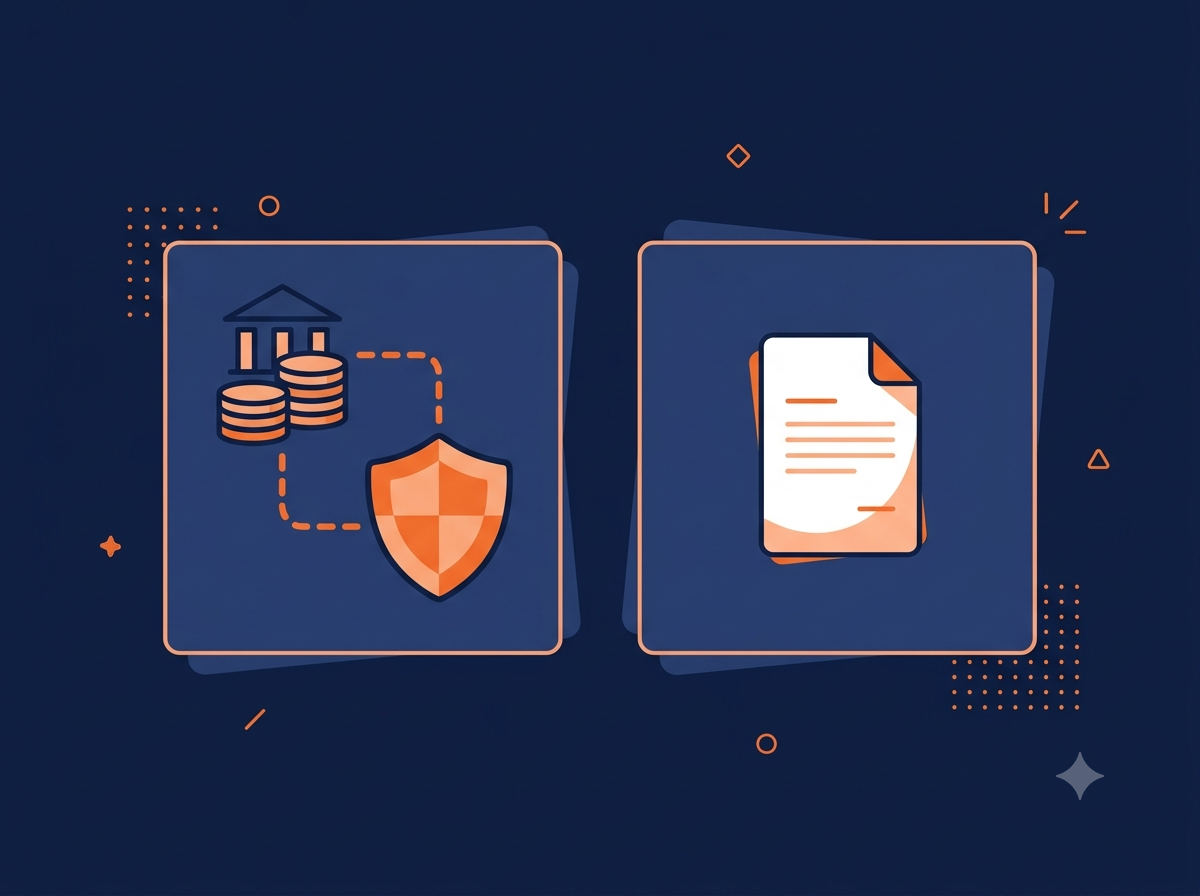
What to Do If Your Score Doesn't Meet the Threshold
A score that falls short of what a lender wants isn't the end of the conversation, and the right next step depends on what's actually driving it.
Start by checking your report for errors. A wrongly reported account, a closed loan still showing as active, or an outdated default may affect your credit history and influence future lender assessments.
If you have an asset to pledge, a secured route, gold, a fixed deposit, property, is worth exploring before assuming an unsecured application is your only option. As the sections above lay out, secured products are simply more forgiving of score.
Adding a co-applicant with a stronger score is another realistic lever, particularly for home and car loans, where lenders are used to evaluating combined household income and credit profiles.
And if the real issue isn't a data error or a missing collateral option, but genuine, ongoing strain from multiple existing unsecured debts, that's a different problem than "which lender will approve me." Stacking a new loan on top of that strain rarely solves it. Addressing the existing debt first, through consolidation if you're still current on payments, is usually the more durable fix.
How FREED Helps If Unsecured Debt Is Behind Your Low Score
FREED's role here is specific, and it's worth being precise about where it applies. FREED works with unsecured debt only, personal loans, credit cards, BNPL, and similar products. It doesn't handle home loans, car loans, gold loans, or any loan backed by property, so if your score gap is purely about a home or car loan threshold, FREED isn't the right lever for that particular application.
Where FREED does help is when the low score itself traces back to unresolved unsecured debt, several existing EMIs and card balances that are stretching your finances and dragging your file down in the process. FREED's Debt Consolidation Program may combine eligible unsecured debts into a single repayment, depending on the approved loan amount, tenure, and lender terms.
If you're not sure whether that's your situation, FREED's team can look at it with you on a free call and tell you plainly whether consolidation applies, rather than you having to guess.
Are You in a Loan Trap? Quick Check
Move the slider to your total EMIs as a % of monthly salary. See your debt stress level instantly.
EMIs as % of Monthly Salary
Existing Unsecured Debt Behind Your Score?
See if consolidation or settlement fits before taking on a new loan.
Check My Options
Mohit Juneja
Mohit Juneja writes educational content at FREED on debt management, credit scores, loan repayment, and borrowing best practices. His content is shaped by expert insights and industry knowledge, helping readers better understand their financial options and make informed decisions.
mohit.juneja@freed.care

FREED is India's trusted loan management platform. Founded in 2020 and headquartered in Gurugram, FREED has counselled 20 lakh+ people on personal loans, credit cards, and app loans. FREED charges fees only on successful settlement, not upfront. FREED does not handle secured loans (home loans, car loans, gold loans).
Media Mentions