Minimum CIBIL Score for a Personal Loan in 2026
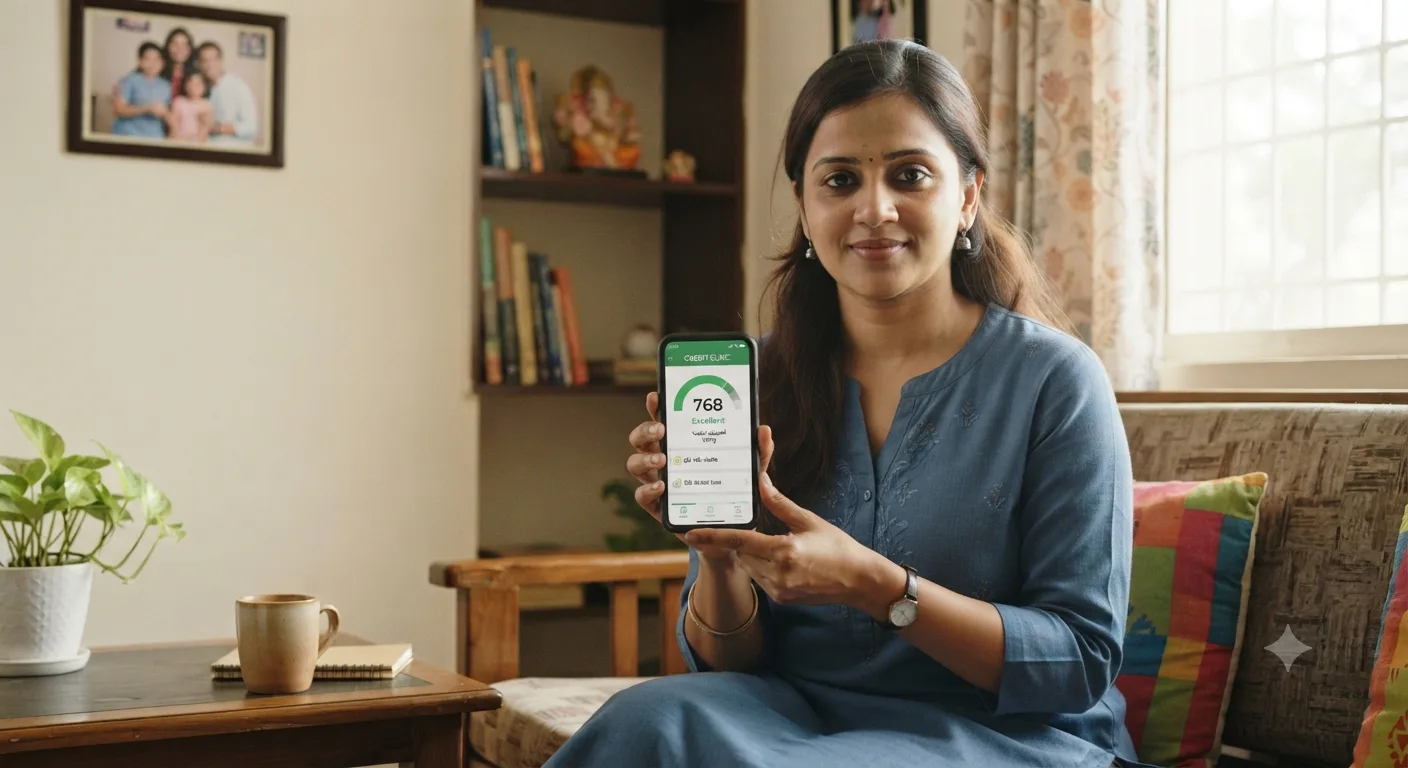
Minimum CIBIL score for a personal loan is the credit score a bank or NBFC expects before approving your application. Government banks usually look for 720 and above, private banks 680 to 700, and NBFCs or lending apps often accept 600 to 650. The exact number depends on the lender, your income, and your existing EMIs.

Mohit Juneja
Reviewed by FREED India, Debt Resolution Specialists
 4.7/5
4.7/5 ₹3,200Cr+
 20,000+
 20,00,000+4.7/5₹3,200Cr+20,000+20,00,000+
Key Takeaways

Minimum CIBIL score for a personal loan ranges from 600 (NBFCs) to 750 (top banks for best rates).
Public sector banks like SBI and Bank of Baroda usually reject applications below 700.
FOIR (how much of your salary goes to EMIs) matters as much as the score itself.
Borrowers with stronger credit profiles may qualify for more competitive interest rates and loan terms, depending on the lender.
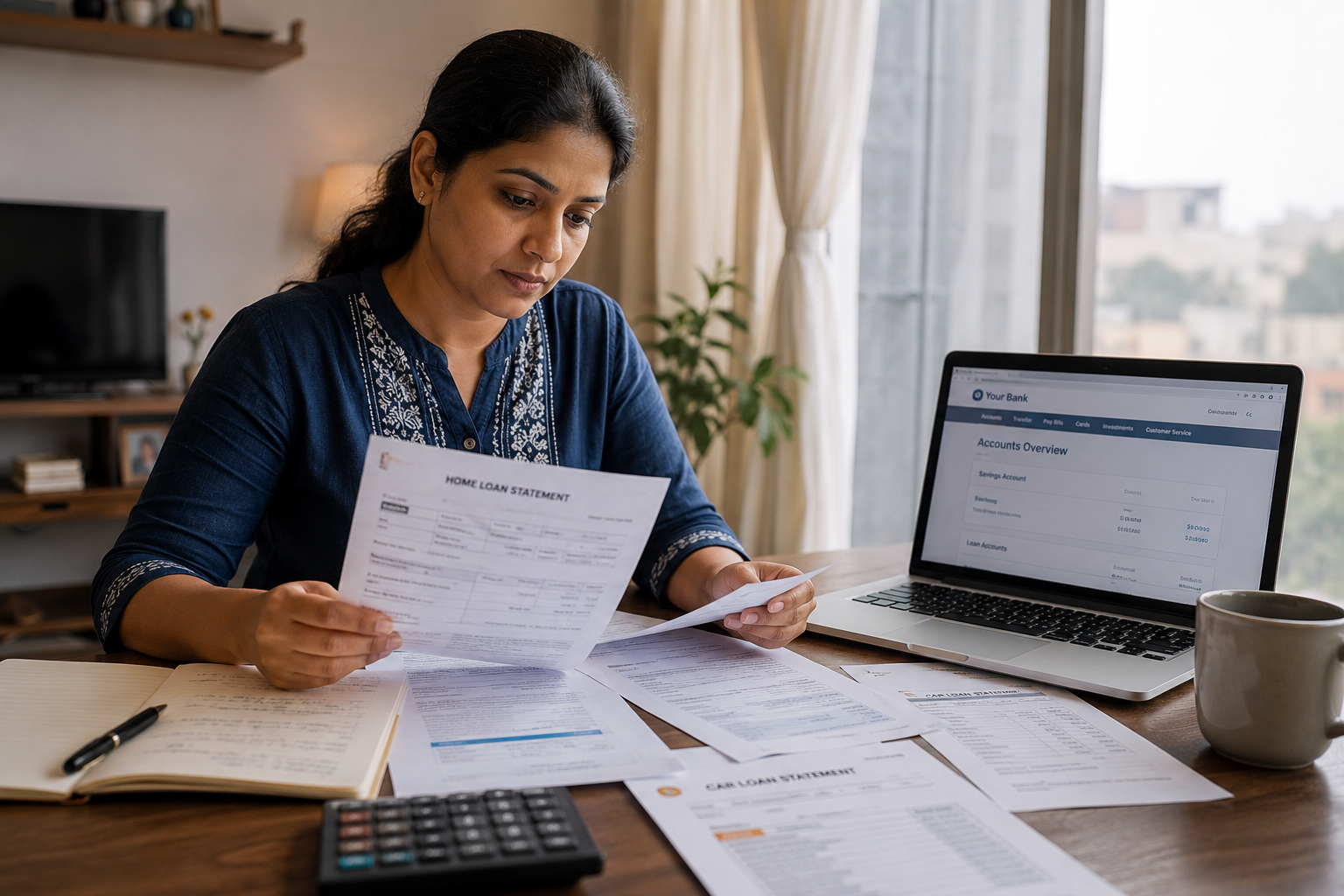
Multiple existing EMIs can block approval even with a decent score.
What Is the Minimum CIBIL Score for a Personal Loan
Your CIBIL score itself runs from 300 to 900. Within that range, "minimum" shifts depending on who you're asking. Government banks tend to sit at the strict end, often 720 and above before they'll even consider an unsecured personal loan. Private banks work with a bit more give, typically 680 to 700 as a starting point. NBFCs open up further, commonly accepting scores from 650 upward. Digital lending apps go furthest of all, sometimes approving applicants at 600 to 650, though usually with additional checks on income and spending patterns to make up for the lower score.
Treating 750 as some universal cutoff everyone needs to hit is misleading, and it's a claim you'll see repeated a lot online. It's not the minimum, it's the number that gets you the best terms once you're already well above what most lenders actually require. Knowing which tier you're aiming for matters more than chasing one fixed target.
Why Do Banks Set a Minimum CIBIL Score
A lender has no way of meeting you in person and deciding whether you're reliable. The score does that job instead, it's a compressed history of how you've handled credit so far.
It builds from a few specific things. Payment history carries the most weight, whether your EMIs and card bills have gone out on time. Credit utilisation is one of the important factors considered while calculating a credit score. Credit mix looks at whether you've handled a healthy variety of credit, cards, loans, rather than just one type. Credit age rewards accounts that have been open and well managed for longer. And hard inquiries, the checks triggered by new applications, get noticed if there are too many bunched together.
None of this is about judging you, it's simply the lender's way of estimating risk before handing over money they need repaid.
CIBIL Score Requirement by Lender Type
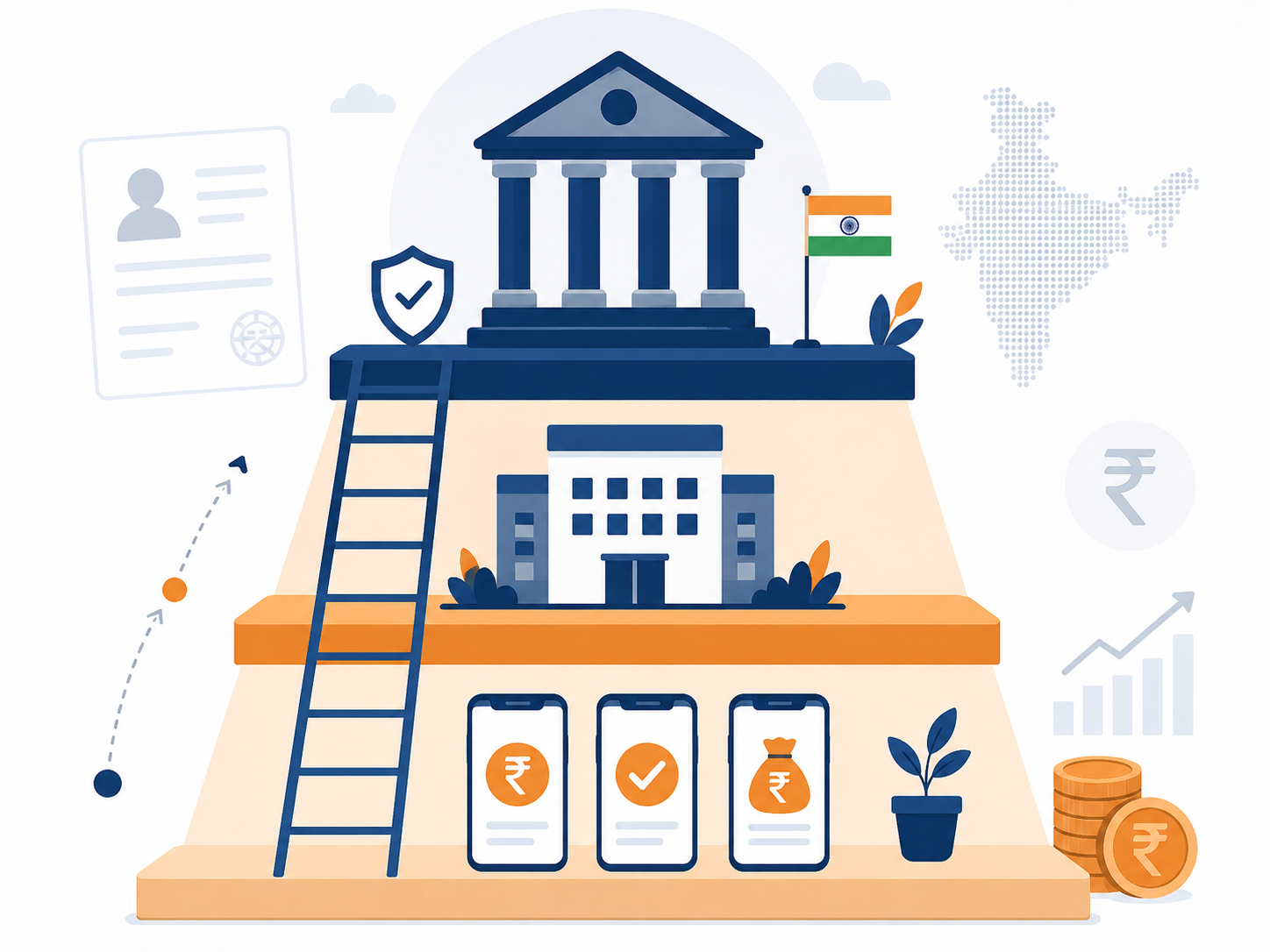
Here's how the actual bar shifts as you move down the lender ladder.
- Government banks, SBI, Bank of Baroda, and similar, sit at the strictest end, generally wanting 720 to 750. Their rates in exchange are the most competitive, typically 10.25% to 11% per annum, but the underwriting is tight and exceptions are rare.
- Private banks, HDFC, ICICI, Axis, Kotak, work in the 680 to 740 range depending on the specific bank and your overall profile. Rates here run a bit wider, 10.5% to 14% per annum, still reasonable, with somewhat more flexibility in how the application gets assessed.
- NBFCs, Bajaj Finance, Tata Capital, and others in that category, generally accept 650 to 700. The trade-off shows up clearly in the rate, 14% to 20% per annum, noticeably higher than what a bank charges, in exchange for more accessible underwriting.
- Digital lending apps go lowest, often 600 to 650, sometimes assessing income and transaction history more heavily than the score itself. Rates here climb further, 18% to 30% per annum, reflecting the additional risk the lender is taking on.
The pattern across all four holds steady: the more flexible the score requirement, the higher the cost of borrowing. Neither end is automatically the "right" choice, it depends on your score, your timeline, and how much the rate difference actually matters for your loan amount.
What Else Lenders Check Besides Your Score
A good score alone doesn't guarantee a yes, and this trips up more applicants than you'd expect.
FOIR, your Fixed Obligation to Income Ratio, is the share of your take-home salary already committed to EMIs and financial obligations. Most lenders start getting uncomfortable once this crosses 50%. A borrower with a 780 score but a FOIR above 50% can still be declined, because the lender sees limited room left in the monthly budget, regardless of how clean the credit history looks. Meanwhile, a borrower with a more modest 680 score and a low FOIR sometimes gets approved where the higher-score applicant didn't.
Income stability plays in too. A steady salary with a consistent employer reads as lower risk than irregular or recently changed income, even against an identical score.
Employment type matters, salaried applicants are often assessed differently from self-employed ones, with different documentation expectations either way.
Length of relationship with the bank can tip things in your favour. An existing account in good standing sometimes buys more flexibility than approaching completely new.

FREED Expert Tip
Check your FOIR before your score. If EMIs already eat 50%+ of your salary, fixing that first matters more.
See If Consolidation Fixes ThisSigns Your CIBIL Score Might Not Be Enough
A few patterns are worth paying attention to if you're not sure where you actually stand.
- Frequent rejections across different banks, even when your score looks reasonable on paper.
- Offers only coming from NBFCs or digital lenders, and at rates noticeably higher than what banks typically charge.
- Requests for a co-applicant or collateral that weren't part of the initial conversation.
- A sanctioned amount well below what you actually applied for, a sign the lender is hedging rather than declining outright.
Any one of these alone isn't necessarily a red flag, but a combination of two or more is worth taking seriously before you keep applying elsewhere.

What the Law Says
Checking your own CIBIL score is a soft enquiry and does not create a hard enquiry. Formal loan applications create hard enquiries that future lenders may consider during credit assessment.
Check Your Score Insight with FREEDWhat Are Your Options If Your Score Falls Short
The right next step depends on how much time you actually have.
- If you can wait, improve first. Consistent repayment behaviour, lower credit utilisation, and accurate credit reporting help strengthen your credit profile over time.
- If you need funds sooner, an NBFC or digital lender is the more accessible route. Just go in aware of the trade-off, approval comes easier, the interest rate will be higher than a bank would have offered.
- A co-applicant or secured option can also bridge the gap. A co-applicant with a stronger score and stable income strengthens the combined application, and a secured loan lowers the lender's risk by pledging collateral.
- If the real issue is FOIR, not the score itself, that calls for a different fix entirely. Several existing EMIs stacked across different banks can keep your FOIR high enough to block approval, even with a decent score. FREED's Debt Consolidation Program may combine eligible unsecured debts into a single repayment, depending on the approved loan amount, tenure, and lender terms.

How FREED Helps If Existing EMIs Are Blocking Your Approval
If multiple EMIs are what's keeping your FOIR too high for a new loan to clear, FREED's Debt Consolidation Program is built for exactly that. FREED starts by assessing your full financial profile, income, existing loans, and repayment capacity, then matches you to a suitable lending partner from its network based on what actually fits your situation.
The new consolidated loan pays off your eligible existing unsecured loans instantly, replacing several EMIs with one, simplified single monthly payment. This isn't a settlement product and doesn't work like this, your existing debt gets paid off in full through the new loan, not negotiated down. Because of that, your credit report reflects normal repayment rather than a settlement mark, and this simplified repayment structure is generally viewed favourably in future lender assessments as the new, more manageable EMI gets paid consistently.
FREED works on a success-based fee, charged only once the consolidation is actually completed, not before. There's no fixed CIBIL floor required to explore this, since eligibility depends on your full financial picture rather than one number alone, and FREED's team will tell you plainly if it's not the right fit for your situation.

Tips That Help Before You Apply
A few habits ahead of time genuinely improve your odds, without needing to overhaul anything drastic.
- Pay every bill on time, EMIs and credit cards alike, since payment history carries the most weight in your score.
- Keep utilisation under 30% of your total available credit, rather than running close to your limits.
- Each formal loan application creates a hard enquiry that future lenders may consider during credit assessment.
- Check your report for errors first, an incorrectly reported late payment can be quietly suppressing your score without your knowledge. Review your credit report for inaccuracies before applying, so nothing catches you off guard mid-process.
- Don't close old accounts, a longer, well-maintained credit history helps more than starting fresh.
None of these take long to put into practice, and together they give you a real shot at a better outcome before you even submit an application.
Minimum CIBIL Score by Lender Type
Lender Type | Typical Minimum Score | Interest Rate Range |
Government Banks (SBI, Bank of Baroda) | 720-750 | 10.25%-11% p.a. |
Private Banks (HDFC, ICICI, Axis, Kotak) | 680-740 | 10.5%-14% p.a. |
NBFCs (Bajaj Finance, Tata Capital) | 650-700 | 14%-20% p.a. |
Digital Lending Apps | 600-650 | 18%-30% p.a. |
Note: Figures are indicative, verify with the lender directly. FREED is not a lender and does not guarantee approval at any institution.

Mohit Juneja
Mohit Juneja writes educational content at FREED on debt management, credit scores, loan repayment, and borrowing best practices. His content is shaped by expert insights and industry knowledge, helping readers better understand their financial options and make informed decisions.
mohit.juneja@freed.care

FREED is India's trusted loan management platform. Founded in 2020 and headquartered in Gurugram, FREED has counselled 20 lakh+ people on personal loans, credit cards, and app loans. FREED charges fees only on successful settlement, not upfront. FREED does not handle secured loans (home loans, car loans, gold loans).
Media Mentions