How to Maintain a Good Credit Score During Financial Hardship
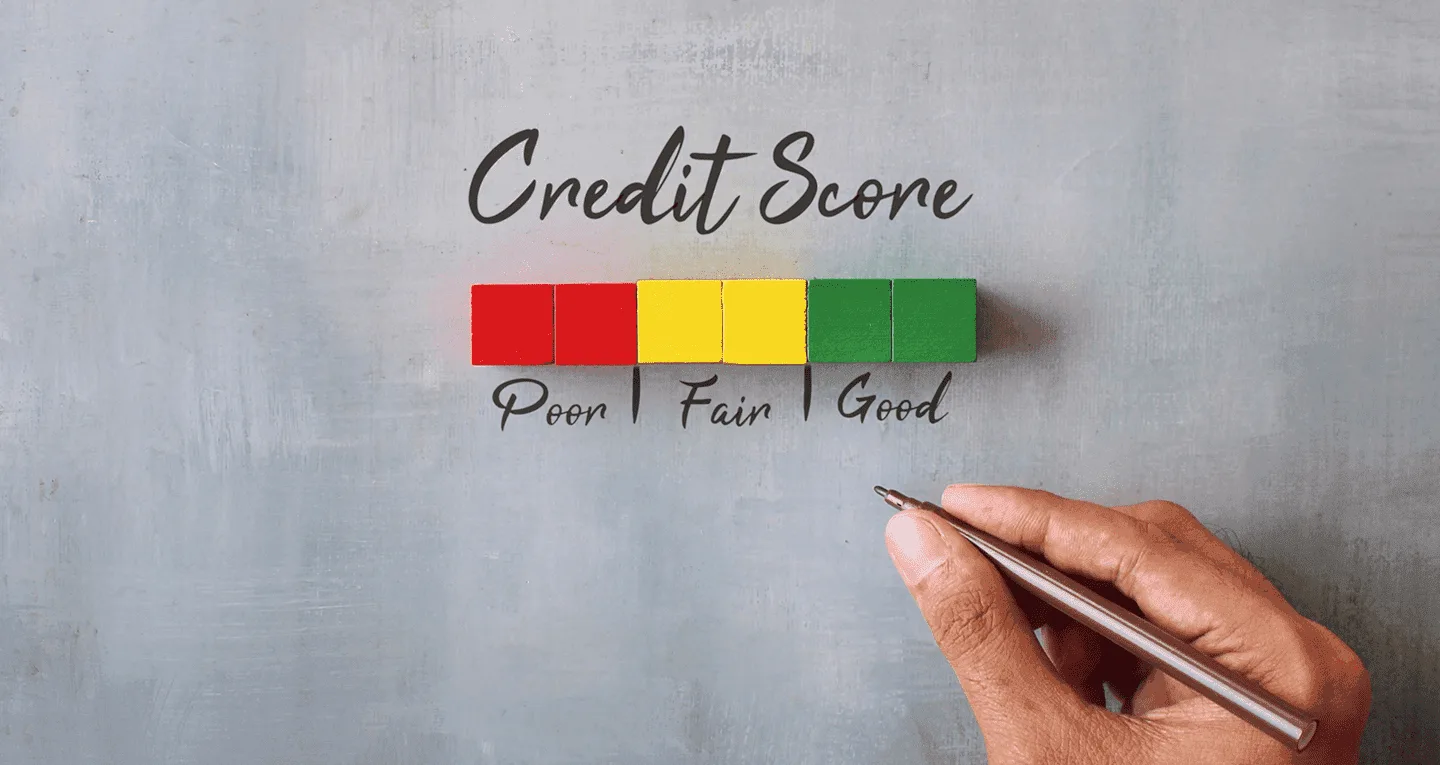
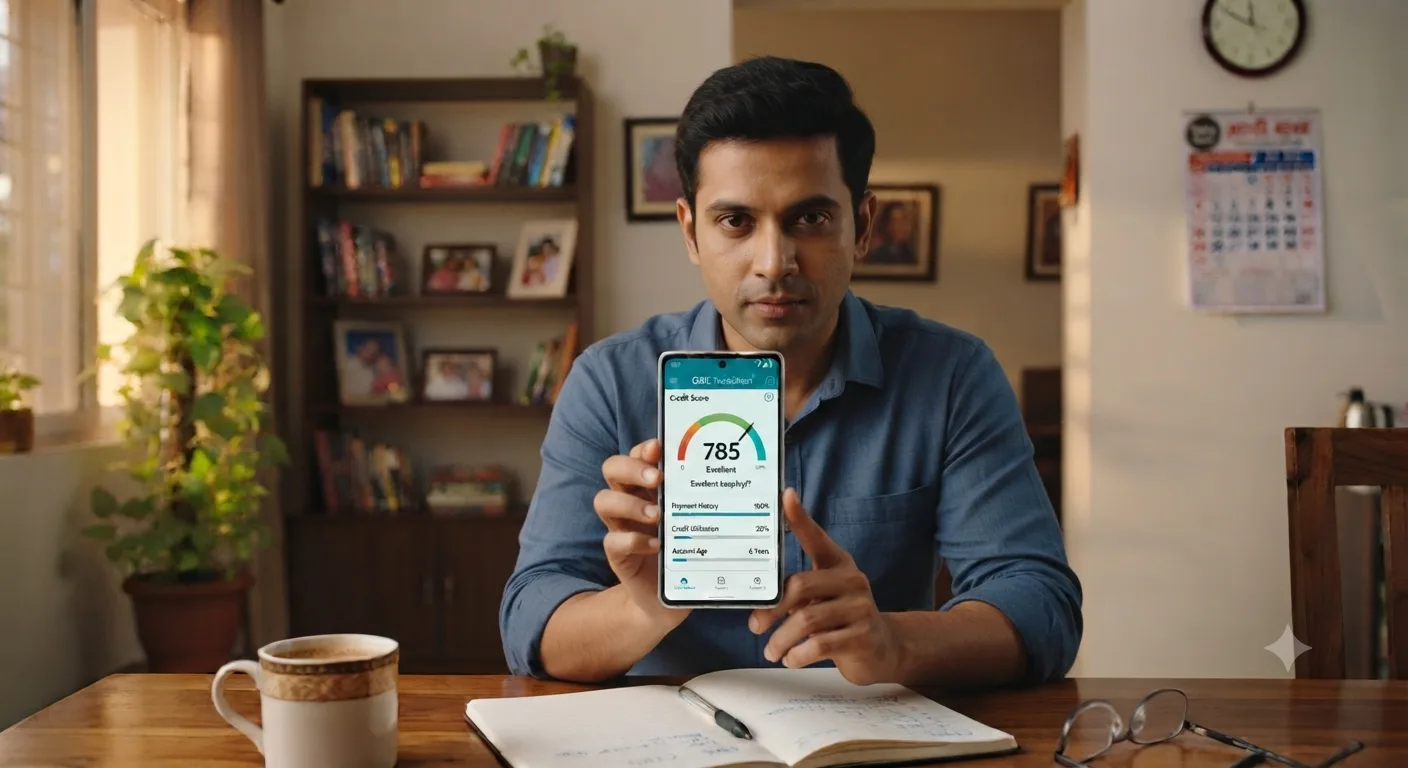
A credit score is calculated on your discipline of timely payments, your debt to income ratio and your history of servicing existing and past debts.

Mohit Juneja
Reviewed by FREED India, Debt Resolution Specialists
 4.7/5
4.7/5 ₹3,200Cr+
 20,000+
 20,00,000+4.7/5₹3,200Cr+20,000+20,00,000+
Key Takeaways

Financial hardship, whether from job loss, income reduction, or a medical crisis, creates three specific threats to a credit score: missed payments, spiking credit utilisation, and panic-driven credit applications.
The most effective protection is early, proactive communication with lenders before any payment is missed. Banks have more options available before default than after.
RBI guidelines during COVID-19 introduced moratorium protections that temporarily shielded borrowers. These same principles, requesting restructuring proactively, remain available through normal RBI Fair Practices guidelines during any hardship.
Credit score damage from a hardship period is recoverable, but recovery takes 12 to 36 months of consistent positive behaviour after the hardship resolves.
If hardship has already caused significant score damage and underlying debt, FREED can help address both through consolidation or resolution.
Why Financial Hardship Is a Credit Score Risk
A credit score is a reflection of financial behaviour under normal conditions. When income is stable and obligations are being met consistently, the score reflects that stability.
Financial hardship disrupts this. When income drops suddenly, the first pressure appears on the obligations that are furthest from the emotional centre: the credit card minimum that seemed manageable, the personal loan EMI that was fine on the previous salary but now consumes a disproportionate share of what is left.
Miss one payment and a hard late-payment mark appears on the credit report. Miss several and the account moves toward default and NPA classification. Use the credit card to cover living expenses when income is thin, and utilisation spikes past 70%, suppressing the score through a second mechanism simultaneously.
The result: a credit score that was healthy before the hardship deteriorates quickly when hardship arrives, compounding the financial difficulty at exactly the moment when access to affordable credit matters most.
Understanding the specific mechanisms of this deterioration makes it possible to protect against them deliberately.

Tool: FREED Credit Insights
Check your current score before hardship causes further damage. Know exactly where you stand.
Check Your Credit Score Free →What COVID-19 Taught India About Credit Scores
The COVID-19 pandemic of 2020 to 2022 was the most widespread sudden income disruption in India's recent history. Millions of salaried employees faced salary cuts or job losses. Millions of self-employed individuals and small business owners saw revenue collapse overnight. EMIs continued due. Credit card minimum dues continued due. The FOIR calculations that had been manageable suddenly produced numbers that were not.
The RBI responded with the COVID-19 moratorium: a period during which EMI payments could be deferred without the deferred payments being reported as missed to credit bureaus. This protected millions of credit scores from the immediate damage of missed payments during the lockdown period.
The moratorium also revealed something important: proactive lender communication produces better outcomes than avoidance. Borrowers who reached out to their banks, requested moratorium benefits, and documented their hardship received protection. Those who simply stopped paying without communicating did not receive the same protection and suffered the full credit score consequences.
This lesson, that proactive communication with lenders during hardship produces better outcomes than avoidance, is not COVID-specific. It is how the credit system responds to hardship in every situation, before and after the pandemic.
The Three Biggest Threats to a Credit Score During Hardship
Missed payments. The highest-weighted factor in the CIBIL score. A single missed EMI or credit card payment produces a hard late-payment mark that can reduce the score by 50 to 100 points. Multiple consecutive missed payments accelerate the damage significantly.
Spiking credit utilisation. When income drops and credit cards are used to cover daily expenses, utilisation rises. A card consistently at 70% to 80% of its limit is suppressing the score through the second-highest-weighted factor, independently of payment history.
Panic-driven credit applications. When income is disrupted, the instinct to apply for new credit, a personal loan to bridge the gap, a new credit card, seems logical. But multiple hard enquiries in a short period further reduce the score and create a pattern of financial stress visible to all subsequent lenders.
All three threats are manageable if addressed proactively rather than reactively.

FREED Expert Tip:
During any income disruption, the first financial priority is protecting payment on obligations that report to credit bureaus: home loan EMIs, personal loan EMIs, vehicle loan EMIs, and credit card minimums. These affect the CIBIL score directly. Utility bills, OTT subscriptions, gym memberships, and other non-bureau-reporting obligations can be managed differently without score impact.
Prioritise My PaymentsAction 1: Contact Lenders Before Missing a Payment
This is the most valuable action available during hardship and the one most borrowers delay too long.
Banks have more options available for borrowers who are current on payments than for those who have already missed several. A borrower who contacts the bank before the first missed payment can typically access: a temporary moratorium or interest-only payment period, a tenure extension that reduces the monthly EMI, a restructured repayment schedule, or an internally flagged hardship note that influences how the account is treated.
A borrower who contacts the bank after six missed payments finds that most of these options have either closed or require significantly more effort to access.
The communication should be in writing: an email or a formal letter to the bank's customer service or Nodal Officer, explaining the circumstances clearly, stating that this is a temporary hardship, and requesting a specific accommodation such as a moratorium or EMI revision.
The bank's response is not guaranteed. But the request creates a formal record of communication and good faith that matters if the account later needs to be restructured or settled.
Action 2: Use Moratorium and Restructuring Options Correctly
During specific economic crises, the RBI has directed banks to offer borrowers moratorium options, periods during which EMI payments can be deferred without credit bureau reporting. The COVID-19 moratorium of 2020 was the most visible example of this.
Even outside declared crises, RBI Fair Practices guidelines require banks to have a Board-approved policy for restructuring loans and to consider restructuring requests from borrowers experiencing genuine hardship.
Using these options correctly means: understanding that a moratorium defers payments but does not waive them (interest typically continues to accrue during the moratorium period, adding to the eventual outstanding), getting the moratorium or restructuring agreement in writing before stopping payments, and using the moratorium period to stabilise income rather than simply deferring the problem.
Accepting a moratorium and then not having a plan for the resumption of payments creates a worse situation than the one it was designed to address.

Legal Note:
Under RBI Fair Practices Code for Lenders, banks are required to deal with borrower hardship situations fairly and transparently. A bank that refuses to consider a genuine hardship restructuring request without adequate reason can be escalated to the bank's Nodal Officer and then to the RBI Banking Ombudsman at bankingombudsman.rbi.org.in. You have the right to be heard and to receive a reasoned response.
Know your rights as a borrowerAction 3: Prioritise EMI Payments Above Discretionary Spending
During hardship, every rupee that remains after income reduction must be allocated deliberately. The allocation that protects the credit score most effectively is: bureau-reporting obligations first, essential living expenses second, discretionary spending last.
This means the personal loan EMI and credit card minimum due are paid before dining out, before streaming subscriptions, before clothing purchases, and before most other discretionary categories.
This prioritisation is uncomfortable. It requires active choices about what to cut. But the alternative, allowing bureau-reporting obligations to go unpaid while discretionary spending continues, produces CIBIL score damage that costs money in higher interest rates for years after the hardship resolves.
Set up auto-pay for all EMI minimums immediately. This ensures that even in a distracted or stressful month, the minimum payment leaves the account before any discretionary spending occurs.
Action 4: Protect Credit Card Utilisation
During income disruption, the temptation to use credit cards for daily living expenses is real and often necessary. But every rupee charged to the card without being paid in full at month end raises utilisation and suppresses the score.
Two specific actions protect utilisation during hardship:
Pay the credit card bill in full whenever possible, even if other discretionary spending must be reduced significantly to make this happen. The score impact of a month at 70% utilisation is immediate and lasts until the next billing cycle.
If the credit card must be used for living expenses and the full balance cannot be paid, contact the issuer to request a credit limit increase. A higher limit with the same balance reduces the utilisation percentage mechanically, protecting the score even if the balance stays elevated.
Are You in a Loan Trap? Quick Check
Move the slider to your total EMIs as a % of monthly salary. See your debt stress level instantly.
EMIs as % of Monthly Salary
Action 5: Do Not Apply for New Credit Impulsively
The instinct during income disruption is to find new credit sources: a new personal loan, a new credit card, a loan app. Each application triggers a hard enquiry. Multiple enquiries in a short period create a visible pattern of financial stress on the CIBIL report that affects every subsequent lender interaction.
Before applying for any new credit during hardship, assess whether the application is likely to be approved at all given the current financial situation. An application that is rejected still creates the hard enquiry cost without the benefit. A declined application followed by another application creates a compounding pattern of enquiries and declines.
If new credit is genuinely necessary during hardship, limit applications to one at a time, with at least three months between attempts if declined.
Action 6: Check the Credit Report During and After Hardship
The credit report is particularly important to monitor during and after a hardship period, for three specific reasons.
First, moratorium payments may have been incorrectly reported. During the COVID-19 moratorium, RBI guidelines required that deferred payments not be reported as missed. Some banks made errors in this reporting. Similar errors can occur in any restructuring arrangement.
Second, the hardship period may have introduced errors: payments credited late due to cash flow issues, accounts incorrectly marked as defaulted, or outdated information persisting after resolution.
Third, checking the score during the recovery period allows tracking of whether positive actions (on-time payments, reduced utilisation) are producing the expected score improvement. If the score is not recovering as expected, the report reveals what specific factor is still suppressing it.
Tool: FREED Credit Insights
Check your credit score regularly during hardship recovery. Track what is improving and what still needs attention.
Check Your Credit Score Free →When Hardship Has Already Caused Score Damage
If the income disruption has already resulted in missed payments, high utilisation, and a lower CIBIL score, the actions above shift from prevention to repair.
The repair process follows the same logic as initial score building: consistent on-time payments on all active obligations, reducing credit card utilisation below 30%, checking and disputing any report errors, and avoiding new hard enquiries until the score has meaningfully recovered.
The timeline for repair depends on the severity of damage. Moderate score drops from a few missed payments during a temporary hardship typically recover within 12 to 18 months of consistent positive behaviour. More significant damage from an extended default period takes 24 to 36 months.
If the hardship also created a debt situation that is now difficult to manage on the recovered income, the score cannot repair through behaviour alone. The debt structure needs to be addressed first.
FREED helps people in this position. Through Debt Consolidation, multiple obligations are combined into one lower monthly payment that is manageable on the current income. Through Debt Resolution, outstanding dues are settled for less than the full amount, eliminating those obligations. Both approaches reduce the financial pressure that is preventing consistent positive behaviour, creating the conditions where score repair can actually proceed.
Hardship damaged your credit score and created debt you cannot manage?
FREED addresses both. Talk to a FREED Expert, Free, no pressure.
Connect Now
Mohit Juneja
Mohit Juneja writes educational content at FREED on debt management, credit scores, loan repayment, and borrowing best practices. His content is shaped by expert insights and industry knowledge, helping readers better understand their financial options and make informed decisions.
mohit.juneja@freed.care

FREED is India's trusted loan management platform. Founded in 2020 and headquartered in Gurugram, FREED has counselled 20 lakh+ people on personal loans, credit cards, and app loans. FREED charges fees only on successful settlement, not upfront. FREED does not handle secured loans (home loans, car loans, gold loans).
Media Mentions