Debt Settlement Letter Sample: What to Write and How to Send It
A debt settlement letter sample is a ready-made format that shows you exactly what to write when you want to ask your bank or NBFC (non-bank loan company) to accept a reduced, one-time payment to settle your loan. Banks and financial companies only consider settlement when you are in a genuine financial difficulty and are truly unable to repay the full amount. This letter is how that conversation starts, in writing, on record.

Mohit Juneja
Reviewed by FREED India, Debt Resolution Specialists
 4.7/5
4.7/5 ₹3,200Cr+
 20,000+
 20,00,000+4.7/5₹3,200Cr+20,000+20,00,000+
Key Takeaways

A debt settlement letter sample gives you the exact format to request a one-time reduced payment from your bank or NBFC.
Banks in India have processed a large number of loan account restructurings in recent years, driven largely by financial distress.
Getting the letter right matters. Banks prefer clear, factual requests over emotional appeals, and a poorly worded letter can delay or kill the offer.
Once a settlement is agreed, get everything in writing before sending any payment. Verbal agreements don't protect you.
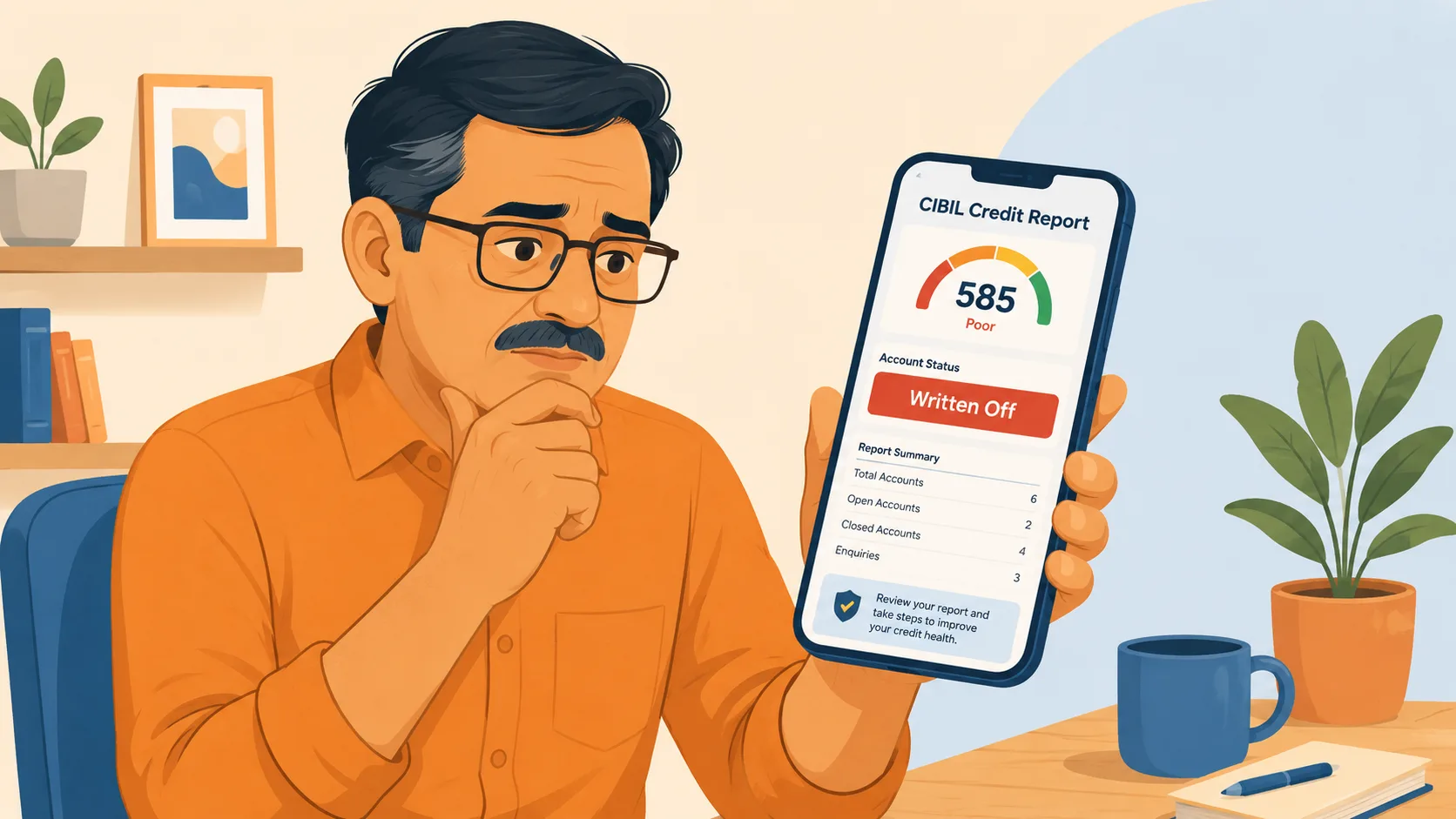
The "Settled" mark on your CIBIL report can stay for up to 7 years. Know this before you write.
What Is a Debt Settlement Letter?
A debt settlement letter is a formal written request you send to your bank or NBFC (non-bank loan company), asking them to accept less than your full outstanding amount and settle the loan. A phone call won't do this. Banks need it on record, in writing, before anything moves forward.
Once you send the letter, there are two paths. The bank can accept your offer, counter with a different amount, or reject it for now. If they accept, your account is marked as settled once payment is made. If they don't, the conversation isn't over. You can revise your offer or ask about other options.
Banks usually start reviewing settlement requests after 90 or more days of missed payments. Until then, most banks expect you to keep trying to pay through your regular EMI. The letter works best when it's calm and factual. No urgency, no alarm, just the facts of your situation.
When Should You Write a Settlement Letter to Your Bank?
Maybe your EMIs have already started slipping, one or two missed in the last few months. Maybe the recovery calls have started too. This is the point where a settlement letter starts to make sense.
Settlement is for specific situations: a job loss, a medical emergency in the family, a business that's shut down, or a drop in income that has made your regular EMI genuinely impossible to manage. It is not for someone who is feeling the pinch but can still pay with effort. The difference matters because banks only consider settlement when repaying in full has become genuinely difficult, not when it's just inconvenient.
Banks generally take a settlement request seriously once an account has crossed 90 days of non-payment and is at risk of being marked NPA (loan marked as bad by the bank, usually after 90 days of missed EMI). Before that point, most banks will push you toward continuing your EMIs or restructuring (changing the loan plan) instead.
Writing this letter isn't a shortcut to save money. It's a step you take when there's genuinely no other way to clear what you owe.

FREED Expert Tip
If a large share of your take-home salary is already going toward loan repayments , taking another loan to cover this one will almost always make things worse, not better.
Check Credit InsightWhat Should a Debt Settlement Letter Include?
A good settlement letter sticks to facts. Here's what every letter needs:
- Your full name and loan account number, found on your loan statement or credit card bill.
- Loan type and original sanctioned amount: personal loan, credit card, or another unsecured loan.
- Current outstanding balance: the exact amount you owe today, not an estimate.
- A brief, factual reason for your financial difficulty: job loss, medical emergency, or income drop, in 2 to 3 lines. No long explanation needed.
- Your proposed one-time settlement amount, written clearly in rupees.
- Whether you're offering a lump sum or a structured payment over a short period.
- A request for written confirmation of the terms before you pay anything.
- A request for a No Dues Certificate (clearance letter, called NOC) once the settlement is complete.
One thing worth knowing before you write your number: don't open with your absolute lowest offer. Banks will often counter with a higher figure, so your opening offer sets the tone for the whole conversation. FREED helps borrowers settle their unpaid/overdue loans at up to 50%* less, and the exact figure ultimately depends on your bank.
Keep the letter factual throughout. Anything you write here can be referred back to later, so stick to what's true and necessary.
How to Write and Send a Debt Settlement Letter, Step by Step
Here's how to write a debt settlement letter and get it to the right place, one step at a time.
- 1
Check your exact outstanding balance.
Ask your bank for a written statement showing the exact amount you owe, not just the figure on your banking app. Apps sometimes miss penalties or recent charges.
- 2
Decide your settlement amount.
Work out the most you can genuinely pay as a lump sum. Banks may respond with a different amount. , so this gives you room to negotiate.
- 3
Collect your supporting documents.
Gather two or three papers that back up your situation: a salary slip or income proof showing the drop, medical bills if that's the cause, and a bank statement showing a low or nil balance.
- 4
Write the letter.
Use the sample format below. Keep it under one page. State the facts plainly. No emotional language, just what happened and what you're proposing.
- 5
Send it correctly.
Post it by registered mail to the branch where you took the loan, and email a copy to the bank's grievance address as well. Keep your acknowledgement receipts safely.
- 6
Wait, then follow up. Banks usually take 2 to 4 weeks to respond.
If you hear nothing, send a written follow-up. If the back-and-forth starts to feel like too much to manage alone, a debt resolution counsellor like FREED can handle the process, help prepare your documents, and make sure the settlement documentation is accurate and complete.

What the Law Says
Under RBI's Fair Practices Code, every bank and NBFC must give you all loan terms and conditions in writing, in a language you can understand. This is your right as a borrower from the moment a loan is sanctioned.
Check Your OptionsDebt Settlement Letter Sample: Ready-to-Use Format
Here's a ready-to-use format you can fill in with your own details. It works for both personal loans and credit cards.
Sample Debt Settlement Letter: Personal Loan / Credit Card
Date: [DD/MM/YYYY]
To, The Branch Manager, [Bank Name], [Branch Address]
Subject: Request for One-Time Settlement of [Loan Type] Account No. [XXXXXXXX]
Dear Sir/Madam,
I am writing regarding my [loan type] account number [XXXXXXXX], originally sanctioned on [date] for an amount of ₹[X]. The current outstanding balance on my account is approximately ₹[X].
Due to [brief factual reason, for example: loss of employment since [month/year], a medical emergency in the family, or a significant drop in monthly income], I have been unable to pay my regular EMIs. This is not a choice I have made willingly. My financial situation has made full repayment genuinely difficult at this time.
I would like to formally request that the bank consider a one-time settlement of this account for a total payment of ₹[proposed amount]. I am prepared to make this payment as a lump sum within [X days] of receiving written confirmation of the settlement terms.
I request that upon receipt of this payment, the bank:
- Mark the account as fully and finally settled
- Issue a No Objection Certificate (NOC) confirming no further dues remain
- Update the CIBIL record accordingly
I request that you confirm the agreed settlement terms in writing before I arrange payment. I will not transfer any funds until I have received and reviewed the written offer.
I am available at [phone number] and [email address] for any further discussion.
Yours sincerely, [Full Name] [Loan Account Number] [Contact Number] [Address]
This format is for reference. The exact amount you offer and the documents you attach will depend on your specific situation. If you're unsure about the right amount to offer or how the bank is likely to respond, a counsellor can help you think it through before you send anything.
What Happens After You Send the Settlement Letter?
Once your letter is sent, there are four ways this can go.
The bank accepts as offered. Get the confirmation in writing immediately, before you make any payment.
The bank counter-offers a higher amount. This is normal and expected. You can negotiate from here.
The bank doesn't respond. Wait about 2 weeks, then send a written follow-up referencing your original letter.
The bank rejects the offer. This doesn't end the conversation. You can revise your offer, or ask whether restructuring (changing the loan plan) might work instead.
Through all of this, one rule doesn't change: never transfer any money until you have written terms in hand. It's also worth knowing that recovery calls can continue during this negotiation period. That's legal, even if it's stressful, and you have the right to be spoken to politely throughout.
Once a settlement is accepted and paid, banks typically issue the No Objection Certificate (NOC) within a few weeks, though timelines vary by lender.
What the "Settled" Status on Your CIBIL Report Means
This part matters, so it's worth being completely honest about it.
"Settled" is not the same as "Closed." A closed account means you paid the full amount. It's a clean, positive mark. "Settled" means the bank accepted less than what you owed. The bank recovered what it could, and that gets recorded.
The "Settled" mark can stay on your credit report for up to 7 years. During that time, banks and NBFCs looking at a new loan application will see it and treat your file as higher risk. After a settlement before they'll consider approving anything new.

Not sure what amount to offer?
A counsellor can check your case before you send anything.
Book My Free CallTips That Help When Writing a Settlement Letter
A few things make a real difference to how your letter is received.
- Keep it under one page. A short, clear letter signals confidence.
- Stick to facts, not feelings. Write "I lost my job in [month]," not "I am devastated and struggling."
- Attach 2 to 3 supporting documents. A bank statement, a salary slip or termination letter, and a medical bill if that applies.
- Send it two ways. Registered post and email, so you have a physical record either way.
- Always ask for written confirmation before paying. No exceptions, no matter how the call with the bank goes.
- Move quickly once terms are agreed. Banks typically set a payment deadline in their offer letter read it carefully and don't miss it. needed.
Keep copies of everything you send and everything you receive.
Settlement Letter vs Settlement Agreement: What's the Difference?
Feature | Settlement Letter | Settlement Agreement |
What it is | A written request you send to the bank | A legally binding contract signed by both sides |
Who writes it | The borrower (you) | Issued by the bank after negotiation |
Is it legally binding? | No, it's an offer | Yes, once signed by both parties |
When is it sent? | Before negotiation begins | After the bank accepts your terms |
What should you do? | Keep a copy, send by registered post and email | Read carefully, don't sign until terms are clear |
This table is for reference only. For complex cases involving multiple loans or legal notices, getting professional support before signing is worth it.

Mohit Juneja
Mohit Juneja writes educational content at FREED on debt management, credit scores, loan repayment, and borrowing best practices. His content is shaped by expert insights and industry knowledge, helping readers better understand their financial options and make informed decisions.
mohit.juneja@freed.care

FREED is India's trusted loan management platform. Founded in 2020 and headquartered in Gurugram, FREED has counselled 20 lakh+ people on personal loans, credit cards, and app loans. FREED charges fees only on successful settlement, not upfront. FREED does not handle secured loans (home loans, car loans, gold loans).
Media Mentions