Debt Inheritance Explained: What Happens to Loans After Death?
In India, does debt transfer to relatives after death? Here are the actual legal provisions regarding co-borrowers, bank recovery rights, and loan inheritance.
Mohit Juneja
Reviewed by FREED India, Debt Resolution Specialists
 4.7/5
4.7/5 ₹3,200Cr+
 20,000+
 20,00,000+4.7/5₹3,200Cr+20,000+20,00,000+
Key Takeaways

In India, a borrower's debt does not automatically pass to their surviving family members. Just because you are related to your parents or spouse does not mean that you inherit their loans.
Only the property, savings, and investments that the borrower leaves behind are subject to the bank's claim. The remaining sum does not become the family's personal obligation if those assets are insufficient.
The exception is co-borrowers and guarantors, who are legally obligated to repay the debt regardless of what is left in the primary borrower's estate.
Unless a person is formally listed as a co-borrower or guarantor on the loan agreement, banks are not allowed to use familial ties or emotional pressure to compel repayment.
The staff at FREED can help you understand your legal rights and the best course of action if you're experiencing bank pressure after a family member passes away.
The Question Every Family Asks After a Loss
Grief is already overwhelming when someone dies. The calls then begin.
The house loan is the subject of a call from the bank. The credit card is due, according to a notification. "Is this now our problem?" a worried relative queries. Do we need to pay for this?
Indian families frequently experience this period of uncertainty and anxiety. The majority of people are unaware of the legal provisions. Furthermore, banks and collection agents don't always freely disclose that information.
Let's respond to this in a straightforward, truthful, and straightforward manner.
Can You Inherit Debt in India? The Short Answer
In India, a deceased person's debt does not always transfer to their surviving family members.
Just because you are your parents' kid does not make you liable for their personal debt. Just because you are married to your spouse does not mean you inherit their credit card debt.
The individual who signed for the loan was the owner of it. It does not spread through familial ties.
Understanding this fundamental tenet of Indian law regarding debt after death can spare families a great deal of needless worry and incorrect payments.
How Indian Law Handles Debt Inheritance
A person's loan does not immediately go to their family upon death, but it also does not vanish.
What really occurs is as follows:
What the borrower has left behind is examined by the bank. This is referred to as the "estate"; it consists of any assets in the deceased person's name, including gold, investments, fixed deposits, bank account funds, and real estate.
This estate, not the family's own funds or savings, is the target of the bank's recovery claim.
The outstanding loan is repaid if the estate has sufficient funds.
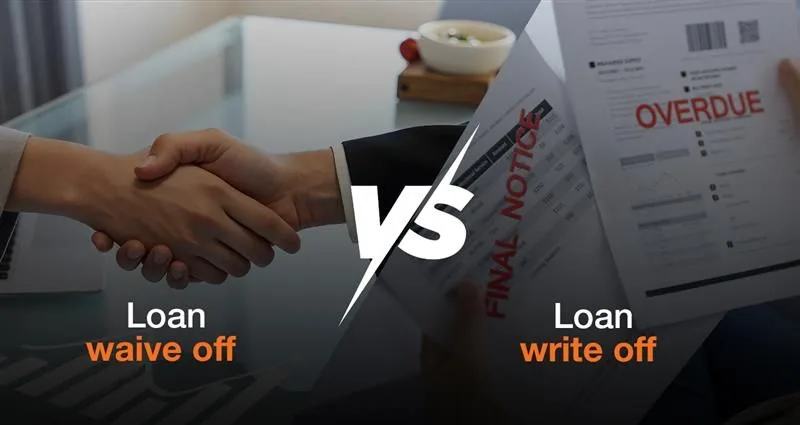
The leftover amount is usually written off if the estate does not have enough. The family does not have to use their own funds to make up the gap.
The fundamental idea is that the borrower's possessions, not their loved ones, are where the lender's claim ends.
What Takes Place with Various Loan Types After Death?
Different loans are managed in different ways. Here's a concise summary:
Type of Loan | What Typically Happens After Death |
Home Loan | Recovered from the property itself. If loan insurance exists, the insurer pays it off. |
Personal Loan | Adjusted against available estate assets. If no assets are typically written off. |
Credit Card Dues | Settled from estate if possible. If insufficient assets balance written off. |
Education Loan | Many are waived or covered by insurance. Check the loan agreement carefully. |
Business Loan | Depends on whether someone was a co-borrower or guarantor on the loan. |
Vehicle Loan | Secured against the vehicle bank may repossess it to recover dues. |
Checking if the loan has insurance coverage is the most crucial thing to perform right after a death. A loan protection insurance policy that automatically settles the outstanding balance upon the borrower's death is included with many home loans and large personal loans.
Many families unnecessarily worry about or even pay off loans that would have been covered because they are unaware that this insurance exists.
Who Pays What: Nominee, Co-Borrower, Guarantor, and Legal Heir?
Role | Are They Responsible for the Loan? |
Nominee | No - only receives and distributes assets |
Legal Heir | Only to the extent of inherited assets |
Co-Borrower | Yes - fully responsible for continued repayment |
Guarantor | Yes - if the primary borrower default |

FREED Expert Tip
Consider purchasing a loan protection insurance coverage if you have taken out a sizable debt, particularly a home loan. In the event of your death, this policy settles your outstanding loan balance. It shields your family from bearing the weight of your debt. This is something that many banks provide when a loan is disbursed.
Talk to FREEDWhat Should Heirs Do Right After the Borrower Passes Away?
Managing a loved one's financial affairs is crucial during the first 30 days following their death. Here's how to do it precisely, step by step.
Step 1: Notify the bank right away
Tell the bank of the death over the phone. Send in a copy of the certificate of death. This prevents needless automated follow-up communications and EMI reminders from being sent out and formally amends the bank's records.
Step 2: Look into loan insurance
"Was this loan covered by a loan protection insurance policy?" is a specific question to ask the bank. Get a written copy of this information. Families are frequently unaware that many home loans and large personal loans have insurance that automatically pays off the debt.
Step 3: Make a list of all your assets and debts
Take a seat and create a detailed list. Which assets—real estate, bank accounts, FDs, investments, gold, and cars—did the deceased possess? What credit card debts or loans were unpaid? Confusion and anxiety are eliminated when something is written down.
Step 4: Avoid making payments under duress
Urgent calls may come from banks and collection agency. Just because someone seems urgent or menacing doesn't mean you should pay them. First, take some time to fully comprehend the circumstances. It's possible that you won't have to pay anything at all.
Step 5: Seek appropriate advice if necessary
Before making any decisions, consult a debt counselor or legal expert if the situation is difficult (several loans, big sums, pushy bank communications). In a free consultation, the staff at FREED can advise you on your rights.
Can Banks Make Family Members Pay?
This is the most crucial question, and the response is crucial.
Banks are not allowed to compel relatives to settle a deceased person's debt just because they are related.
If a parent, spouse, son, or daughter isn't formally named as a co-borrower or guarantor on the loan agreement, they can't lawfully demand payment from them.
Emotionally driven recovery-"you are the son, it's your responsibility"-has no legal footing at all.
A bank or collection agent is acting outside of their legal power if they are forcing you to use your personal funds to settle your family member's loan if you are neither a co-borrower nor a guarantor.
You are free to decline. You can request written communication from them. You can also register a report if the harassment persists.

What the Law Says
Debt obligations do not automatically pass to surviving family members under Indian law. Both the Indian Succession Act and the Transfer of Property Act affirm that a deceased person's debts must be paid off from their estate rather than their heirs' personal belongings. Furthermore, banks and recovery agencies are prohibited from using forceful, deceptive, or abusive means to recover loans from family members who are not legally accountable under the RBI's Fair Practices Code. Your legal rights are being violated if a bank makes such a claim.
Consult a FREED CounselorWhat Happens If the Estate Can't Pay Back the Debt?
There is a straightforward solution to this problem, which many families encounter.
The bank will write off the remaining amount if the deceased's assets are insufficient to pay off the existing loan.
This is standard procedure for banks. In their risk assessments, banks take borrower mortality and loan defaults into consideration. The mere fact that the estate ran out does not make the loan a personal responsibility for the family.
Unless they were co-borrowers or guarantors, the family is not obligated to utilize their own funds, sell their own property, or take out a new loan to pay off the deceased person's outstanding debts.
How to Keep Your Family Safe Before It's Too Late
It is best to address this problem before it escalates into a crisis. Here are some actions to safeguard your family if you currently have loans:
Obtain insurance for loan protection. especially for large personal loans and property loans. This eliminates the need for your family to pay the remaining balance in the event of your death.
Before co-signing or guaranteeing a loan, exercise caution. You should only co-borrow or guaranty a loan if you are ready to pay it back on your own. These are significant legal responsibilities.
Maintain order in your financial records. Make sure your family is aware of your bank, the loans you have, and whether or not they are insured. Important records should be kept accessible to your family, both digitally and physically.
Family members should not be included as co-borrowers needlessly. When a bank requests a co-borrower, be aware of the legal implications for that individual before adding them.
How Families in Debt Are Assisted by FREED
Through debt consolidation and debt settlement, FREED mainly assists individuals who are having financial difficulties.
However, we also frequently talk to families who are confused following the loss of a loved one because banks have contacted them, collection agents have called, and they are unsure of their legal rights.
If you find yourself in this circumstance, the counselors at FREED can:
assist you in determining whether or if you are required by law to pay
Tell you how to properly communicate with the bank.
assist you in recording the circumstances and crafting a response to the bank.
Help you look into settlement or consolidation possibilities if you have taken out loans that are becoming unmanageable.
Are You in a Loan Trap? Quick Check
Move the slider to your total EMIs as a % of monthly salary. See your debt stress level instantly.
EMIs as % of Monthly Salary

Mohit Juneja
Mohit Juneja writes educational content at FREED on debt management, credit scores, loan repayment, and borrowing best practices. His content is shaped by expert insights and industry knowledge, helping readers better understand their financial options and make informed decisions.
mohit.juneja@freed.care

FREED is India's trusted loan management platform. Founded in 2020 and headquartered in Gurugram, FREED has counselled 20 lakh+ people on personal loans, credit cards, and app loans. FREED charges fees only on successful settlement, not upfront. FREED does not handle secured loans (home loans, car loans, gold loans).
Media Mentions