Recovery of Loan Meaning in India: Process, Rights & How to Settle
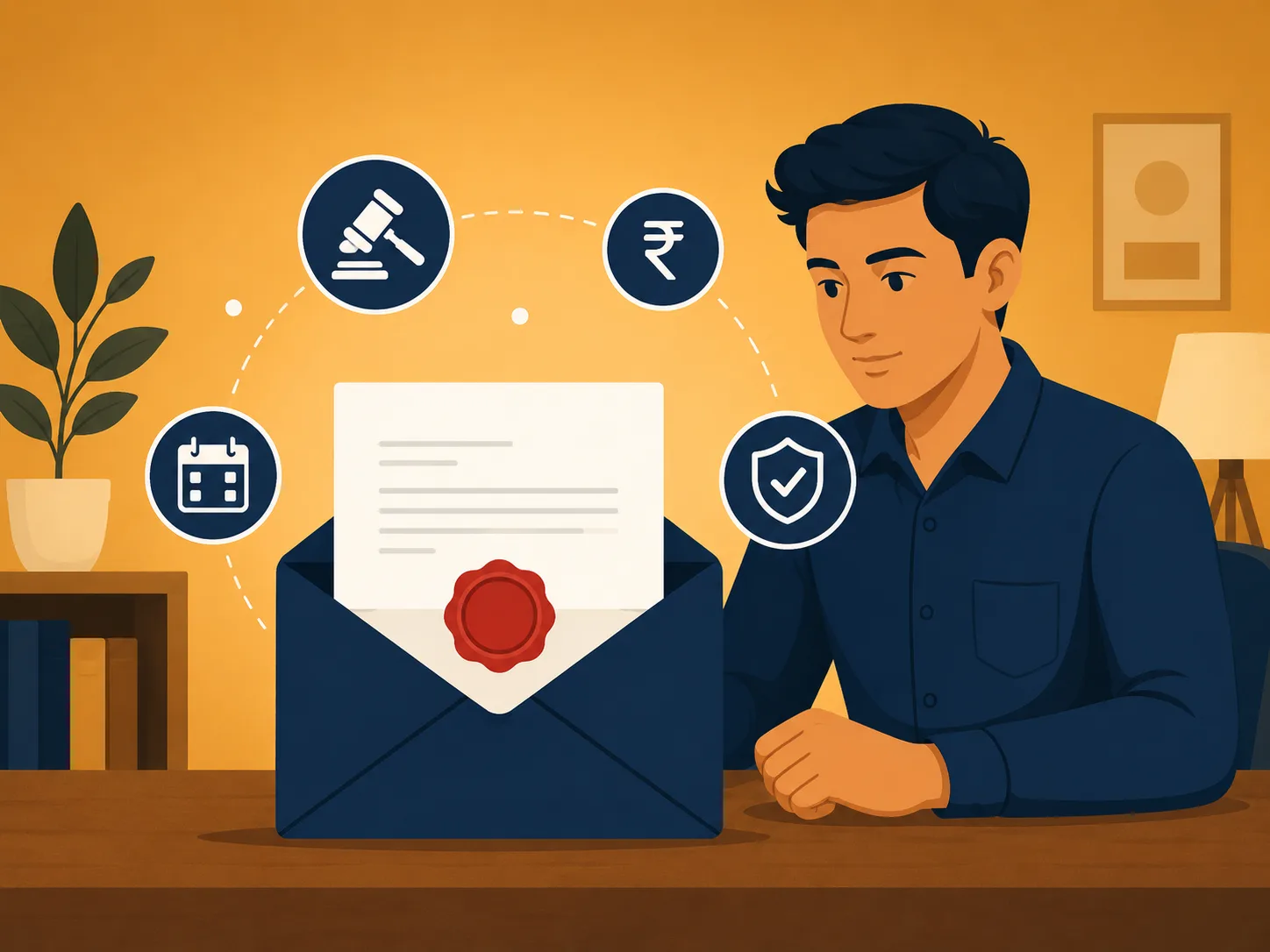
Recovery of loan means the process banks and NBFCs (non-banking financial companies) follow to get back money when EMIs go unpaid. It happens in stages reminder calls come first, then formal notices, then legal steps if nothing works. You have legal rights throughout. Banks cannot harass, threaten, or call at any time they choose. Settlement is one legal way out.

Mohit Juneja
Reviewed by FREED India, Debt Resolution Specialists
 4.7/5
4.7/5 ₹3,200Cr+
 20,000+
 20,00,000+4.7/5₹3,200Cr+20,000+20,00,000+
Key Takeaways

Recovery of loan means the process banks and NBFCs follow to collect money when EMIs go unpaid
It starts with reminder calls, moves to formal notices, and in serious cases leads to legal steps
You have legal rights at every stage banks cannot harass you, threaten you, or call outside permitted hours
Unsecured loans (credit card, personal loan) and secured loans (home, car) follow different recovery paths
Settlement is one legal way to resolve debt, and FREED supports borrowers through the process.
What Does Recovery of Loan Mean?
Recovery of loan means the legal process banks and NBFCs use to collect money from a borrower who has missed EMIs. It starts with reminder calls, moves to formal notices, and in serious cases ends in legal action. Every step is governed by RBI rules that exist specifically to protect borrowers.
There is a difference between casual collection and formal recovery. In the early weeks, a bank is simply reminding you that a payment is due. That is collection. Formal recovery starts when the account has been consistently unpaid, usually after 90 days, and the bank officially classifies the loan as a problem account.
Recovery happens for real reasons. Job loss. A pay cut. A medical emergency in the family. A business that slowed down. Too many loans that piled up over time. Whatever the reason, it does not make you a bad person. It makes you someone going through a rough patch. The process that follows is the same regardless of why it started.
And this is important: recovery does not mean you are out of options. Banks do not want to drag people to court. Courts are slow and expensive for everyone. Banks would much rather settle, get something back, and close the account. That is actually good news for you.
[STAT CALLOUT: Credit card NPAs (loans marked as bad by the bank) crossed ₹6,742 crore in December 2024 a rise of more than 500% from ₹1,108 crore in December 2020, according to RBI data. You are not the only one going through this.]
Recovery of Loan vs Debt Recovery Are They the Same?
Yes, for most practical purposes they mean the same thing. Both refer to the process a bank or financial company uses to collect unpaid money from a borrower.
The slight technical difference: "debt recovery" is the broader legal term used for all types of unpaid obligations like loans, credit cards, business debts. "Loan recovery" specifically refers to EMI-based loans. In everyday banking in India, the two terms are used interchangeably. Both follow the same RBI rules, the same complaint channels, and the same borrower rights.
If you have been searching for either term, the information in this guide applies to you.
Why Does Loan Recovery Start? The Real Triggers
Recovery does not start because a bank is out to get you. It starts because a payment was missed and the system follows a set process from there. The reasons behind the missed payment are more common than most people realise.
Job loss or a sudden pay cut is one of the most frequent triggers. A salary that covered five EMIs comfortably stops being enough when the job changes or disappears. The first missed payment often comes as a shock even to the borrower.
A medical emergency in the family is another. Hospitalisation, surgery, or ongoing treatment costs can wipe out savings quickly. EMIs that seemed manageable become impossible when money is going elsewhere.
Business slowdown hits self-employed borrowers and small business owners hard. Revenue that was predictable becomes irregular, but loan obligations stay fixed.
Too many loans piling up is a slow-building trigger. When total EMIs cross 50% of take-home salary, one bad month is enough to cause a miss. App loans taken to cover credit card dues only make this worse.
Whatever the reason, the recovery process that follows works the same way. Understanding it removes some of the fear.
The Stages of Loan Recovery in India
Recovery does not jump straight to a court notice. It moves through clearly defined stages. Here is how it works in order.
- 1
0 to 30 Days Late Early Reminder Stage
The bank sends SMS alerts, emails, and makes polite calls. At this point, they just want to know if you forgot or are facing a temporary problem.Your CIBIL score may be affected at this stage. Your CIBIL score may take a small hit but nothing serious yet. This is the easiest stage to resolve as one payment clears it.
- 2
31 to 60 Days Late SMA-1 Stage
SMA stands for Special Mention Account, an internal flag banks use. Calls become more frequent and more serious. Late fees add up. Your CIBIL score starts dropping. The bank's system has marked you as a risk account.
- 3
61 to 90 Days Late SMA-2 Stage
The bank's internal recovery team takes over. Demand notices arrive by post. Calls become stronger. Your CIBIL score takes a significant hit. This is when most people start feeling real pressure.
- 4
90+ Days Late NPA Classification
The loan is now classified as an NPA (loan marked as bad by the bank usually after 90 days of missed payment). Formal recovery officially begins. A dedicated recovery team or outsourced collection agency is assigned. This is when recovery agents typically start contacting you.
- 5
Legal Notice Stage
The bank sends a formal loan recall notice. The full outstanding amount, not just the missed EMIs, becomes due immediately. For secured loans (home, car), a SARFAESI notice may follow, which can lead to asset action. For unsecured loans (personal loan, credit card), the bank typically files a civil suit or initiates arbitration.
- 6
Resolution Stage
Banks prefer to settle rather than fight long court battles.Most cases at this stage close through One-Time Settlement. Most cases at this stage close through One-Time Settlement (OTS paying it once and the matter ends), a changed repayment plan, or full payment. This is the stage where FREED supports borrowers during settlement discussions and documentation.
Your Rights as a Borrower During Loan Recovery
Banks have rules they must follow. You are not powerless. Here is what you are legally entitled to at every stage of recovery.
- Right to 30-day notice Before any major recovery action, the bank must send you a written notice giving you 30 days to respond. Banks are generally expected to follow this process before major recovery action.
- Right toward Contacting Time Recovery agents can only contact you between 8:00 AM and 7:00 PM. Calls outside these hours may violate RBI recovery guidelines. of RBI rules.
- Right to dignity No abusive language, no threats, no public shaming of any kind. This is prohibited clearly under the RBI Fair Practices Code.
- Right to privacy Agents cannot contact your family members, employer, or neighbours about your loan without your consent. Your debt situation is your private information .
- Right against social pressure No WhatsApp shaming, no posting about you in community groups, no "wanted-style" notices. All prohibited.
- Right to escalate If any of these rights are violated, file first with the bank's grievance officer. If unresolved in 30 days, file free on the RBI Ombudsman portal at cms.rbi.org.in.
- Right to negotiate You can always approach the bank to ask for settlement, a changed repayment plan, or additional time. You may approach the bank to discuss settlement or repayment options.
How to Stop Loan Recovery Pressure Your Realistic Options
When recovery starts, most people freeze. Some go silent and stop picking up calls. Both responses make the situation harder. Here is what actually works.
- 1
Talk to the Bank Yourself
You can call the bank's collections or grievance team directly, explain your situation, and ask for settlement or a changed repayment plan. It is honest and it is your right. But it is also tough without preparation. Settlement discussions often depend on documentation, timing, and financial circumstances.
- 2
One-Time Settlement (OTS)
A legal closure where you pay a reduced lump sum and the bank closes the account permanently. This can reduce what you owe by up to 50%*. But the process involves specific paperwork, precise letter wording, and correct documentation. Incorrect documentation can sometimes create reporting or closure issues later. This is not recommended to do alone.
- 3
Loan Restructuring
The bank stretches your repayment time or gives you a short pause on EMIs. This works if your income will genuinely recover in the next few months and you have not yet crossed into NPA territory.
- 4
Get Help From FREED
At FREED, we negotiate directly with your bank on your behalf. Our counsellors handle the back-and-forth, prepare your documents, and help ensure the documentation and reporting process is handled correctly. We have resolved 20,000+ accounts. We also guide borrowers on recovery-related communication and escalation processes during the settlement journey.

Done Facing This Alone?
Free consultation with a FREED expert. We read your case, give you a clear path no pressure to sign up.
Get My Free Settlement PlanWhat Happens to Your CIBIL Score During Loan Recovery?
Your CIBIL score takes hits at each stage of recovery but the damage is not permanent.
The first missed EMI may significantly affect your credit profile depending on your repayment history. This is the stage where acting quickly matters most. One payment can stop further damage.
Once the loan crosses 90 days unpaid and is classified as NPA, the impact on your credit profile may become more severe. At this stage, getting new credit becomes very difficult. This is when most people first start taking recovery seriously.
Settlement is reported on your CIBIL report as "Settled" not "Closed." This mark stays on your report for up to 7 years. It does affect how future lenders see you in the short term. But the score itself can recover in 12 to 18 months if you rebuild credit the right way after settlement.
At FREED, after your settlement is done, we also guide borrowers on rebuilding healthier credit habits after settlement. The goal is not just getting out of debt, it is getting back on track financially.
Common Mistakes Borrowers Make During Recovery
These are the ones that make a manageable situation much harder than it needs to be.
- Ignoring calls and notices completely ignoring communication may make the situation more difficult to resolve.
- Paying recovery agents in cash without getting an official receipt from the bank
- Taking a new loan to pay off recovery dues this almost always deepens the debt problem
- Agreeing to a verbal settlement without getting everything in writing from the bank
- Trusting what a field agent promises without confirming directly with the bank's official grievance team
- Signing any document without reading it fully, including what it says about future claims
- Not asking for a "Full and Final Settlement" letter without this, the bank can come back later
- Believing threats of jail or property seizure for unsecured loan defaults these threats are generally not valid for unsecured loan defaults.
One Free Call. One Clear Plan.
No judgement. No spam. Just real help from people who have handled 15,000+ settlements.
Talk to a FREED Expert
Mohit Juneja
Mohit Juneja writes educational content at FREED on debt management, credit scores, loan repayment, and borrowing best practices. His content is shaped by expert insights and industry knowledge, helping readers better understand their financial options and make informed decisions.
mohit.juneja@freed.care

FREED is India's trusted loan management platform. Founded in 2020 and headquartered in Gurugram, FREED has counselled 20 lakh+ people on personal loans, credit cards, and app loans. FREED charges fees only on successful settlement, not upfront. FREED does not handle secured loans (home loans, car loans, gold loans).
Media Mentions