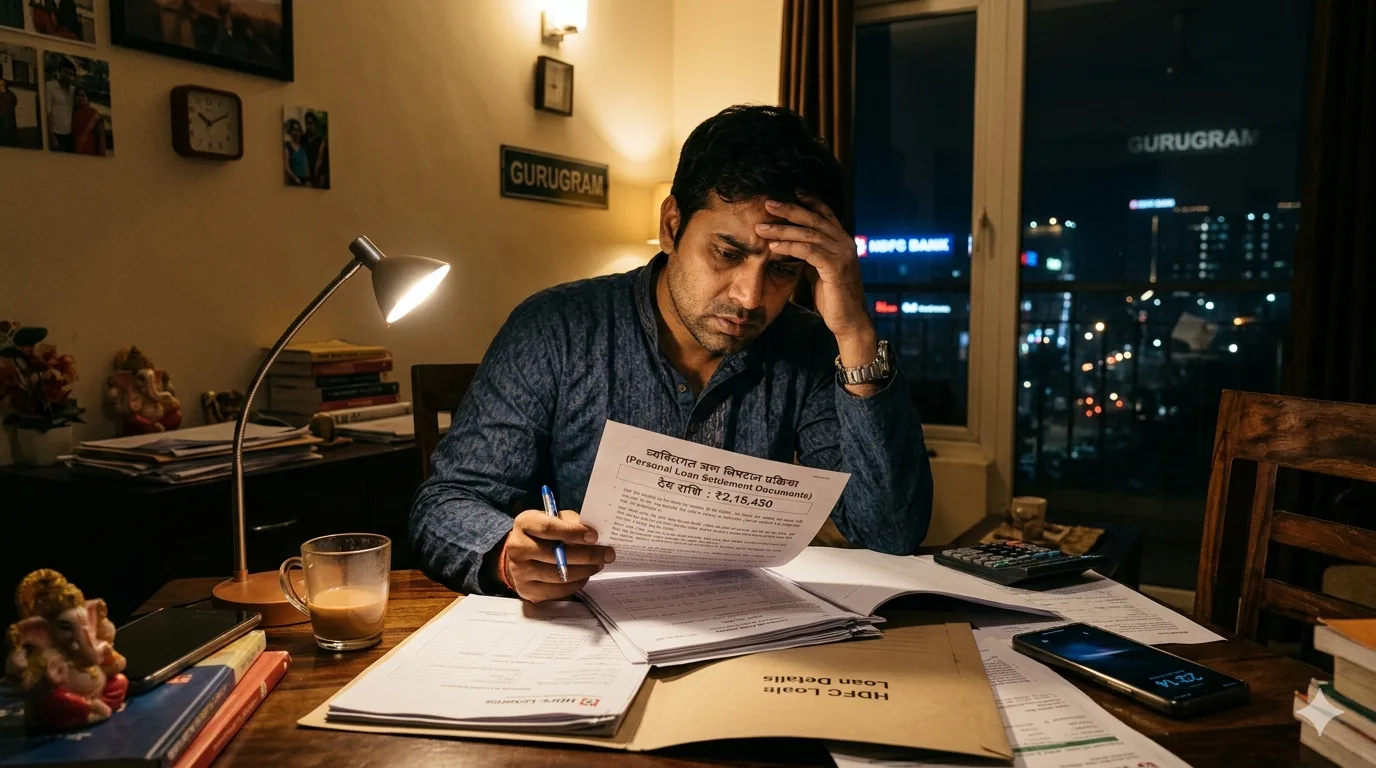
Recovery of Debts and Bankruptcy Act, 1993: A Plain Guide for Borrowers
The Recovery of Debts and Bankruptcy Act, 1993 (also called the DRT Act or RDB Act) is the law that set up Debt Recovery Tribunals to decide recovery claims by banks and financial institutions of ₹20 lakh and above. It also sets the rules for appeals and for how the tribunal's recovery officers collect what's due.

Mohit Juneja
Reviewed by FREED India, Debt Resolution Specialists
 4.7/5
4.7/5 ₹3,200Cr+
 20,000+
 20,00,000+4.7/5₹3,200Cr+20,000+20,00,000+
Key Takeaways

The Recovery of Debts and Bankruptcy Act introduced the Debt Recovery Tribunal (DRT) and Appellate Tribunal (DRAT).
The Act's own text sets a floor of ₹10 lakh, but the government has since notified a higher threshold of ₹20 lakh for most cases; smaller debts go through regular civil court.
Borrowers have the right to appear, contest the claim, and present evidence before the DRT passes an order.
Appeals to the DRAT must be filed within 30 days and require a 50% deposit of the amount due, reducible to 25% at the tribunal's discretion.
Settlement remains possible at every stage, including during DRT proceedings, often through Lok Adalat.
Key Sections of the Recovery of Debts and Bankruptcy Act at a Glance
Section | What it covers | Why it matters to you |
|---|---|---|
1(4) | The Act applies only to dues of ₹20 lakh and above (raised from ₹10 lakh in 2018) | Below that, the bank goes to a civil court, not the DRT |
17 | The tribunal's jurisdiction and powers | Only the DRT, not a civil court, hears a bank's claim above the limit |
19 | The bank's application to the tribunal, the summons and your written statement | You get 30 days from the summons to reply, plus up to 15 more only in exceptional cases |
20 | Appeal to the Debts Recovery Appellate Tribunal (DRAT) | You can appeal a DRT order within 45 days |
21 | Deposit to file an appeal | You must deposit 50% of the amount the DRT found due; the DRAT can reduce it to 25% for recorded reasons |
25 | How the recovery officer collects | Through attachment and sale of property and other modes the Act lists, only after a recovery certificate |
Read it top to bottom: whether the Act applies, who hears the case, how you reply, how you appeal and how recovery happens.
Which Loans Does the Recovery of Debts and Bankruptcy Act Cover?
The Act covers money owed to banks and financial institutions, secured or unsecured, as long as the total due is ₹20 lakh or more. A personal loan, a credit card balance, a business loan or a home loan can all come under it if the amount crosses that line.
It doesn't cover dues below ₹20 lakh. It doesn't cover loans from friends, family or private moneylenders either, because only banks and financial institutions can apply to a DRT.
For most individual borrowers, the limit is the key fact. If you owe one bank ₹3 lakh on a card and ₹4 lakh on a personal loan, that's ₹7 lakh, well below the line. A bank chasing that would go to a civil court or Lok Adalat. Check the amount on any notice before assuming it's a DRT matter.
What Is the Bankruptcy Part of the Recovery of Debts and Bankruptcy Act?
The Act got the word "Bankruptcy" in its name in 2016, when the Insolvency and Bankruptcy Code (India's official debt relief law, IBC) amended and renamed it. The DRT now also acts as the forum for individual insolvency (being officially unable to pay your debts) cases under the IBC.
In practice, the individual insolvency part of the IBC has so far been brought into force only for personal guarantors of company loans. A salaried borrower with personal loans can't currently file for bankruptcy relief under it.
For how insolvency and bankruptcy differ, read our page on insolvency vs bankruptcy.
What Is the Recovery of Debts and Bankruptcy Act
Before 1993, a bank trying to recover an unpaid loan had no choice but to file a case in regular civil court, the same courts handling property disputes, contract fights, and everything else. These cases routinely took years, sometimes over a decade, to resolve, since bank recovery claims sat in the same queue as every other kind of civil dispute.
The Recovery of Debts and Bankruptcy Act, 1993 (originally called the Recovery of Debts Due to Banks and Financial Institutions Act, renamed in 2016) created a dedicated forum for eligible debt recovery cases. It established the Debt Recovery Tribunal (DRT) to hear these matters and the Debt Recovery Appellate Tribunal (DRAT) to hear appeals against DRT decisions. While the Act sets timelines for disposal, the actual time taken can vary depending on the facts of the case and the tribunal.
There's a threshold that determines whether this Act applies at all. The Act's own text sets the floor at ₹10 lakh, below which its provisions don't apply, but the Central Government has the power to notify a different figure, and it has done so, raising the effective threshold to ₹20 lakh for most current cases. This one number matters more than anything else in this article, because it decides which set of rules applies to a borrower's situation.
Does the Recovery of Debts and Bankruptcy Act Apply to Your Loan?
For most people reading this, the honest answer is no. Personal loans and credit card debts typically run well below the ₹20 lakh threshold, which means they're handled through regular civil court processes, recovery agents, legal notices, or, in some cases, Section 138 of the Negotiable Instruments Act if post-dated cheques that bounced, not through the DRT.
If you have loans with multiple banks, say ₹5 lakh with one bank, ₹8 lakh with another, and ₹4 lakh with a third, these amounts are not added together for DRT purposes. Each bank's claim is assessed independently against the threshold, so having several smaller loans across different lenders doesn't push you into DRT territory the way one large loan with a single bank might.
Where this Act genuinely does apply is to larger personal loans, business loans, or cases where unpaid interest and penalties have compounded over months of default until the outstanding amount with a single bank crosses ₹20 lakh. If that's your situation, the rest of this guide is directly relevant. If it isn't, it's still worth understanding, since it clarifies what does and doesn't apply to your case.

What the Law Says
Under the Centre's notification of 6 September 2018, the Recovery of Debts and Bankruptcy Act doesn't apply where the dues to a bank or financial institution are below ₹20 lakh.
Can't repay in full? See the Loan Settlement PlanWhat Are the Signs Your Loan May Go Under the DRT Act?
A few signals suggest a bank may be moving toward formal legal recovery, whether through DRT or civil court, depending on the amount involved.
Multiple written notices from the bank have gone unanswered. Banks typically escalate gradually, and a pattern of unanswered communication often precedes formal filing.
The account has been classified as NPA (non-performing asset), generally after 90 days of missed EMI payments. This classification is often a trigger point for banks to consider legal recovery options.
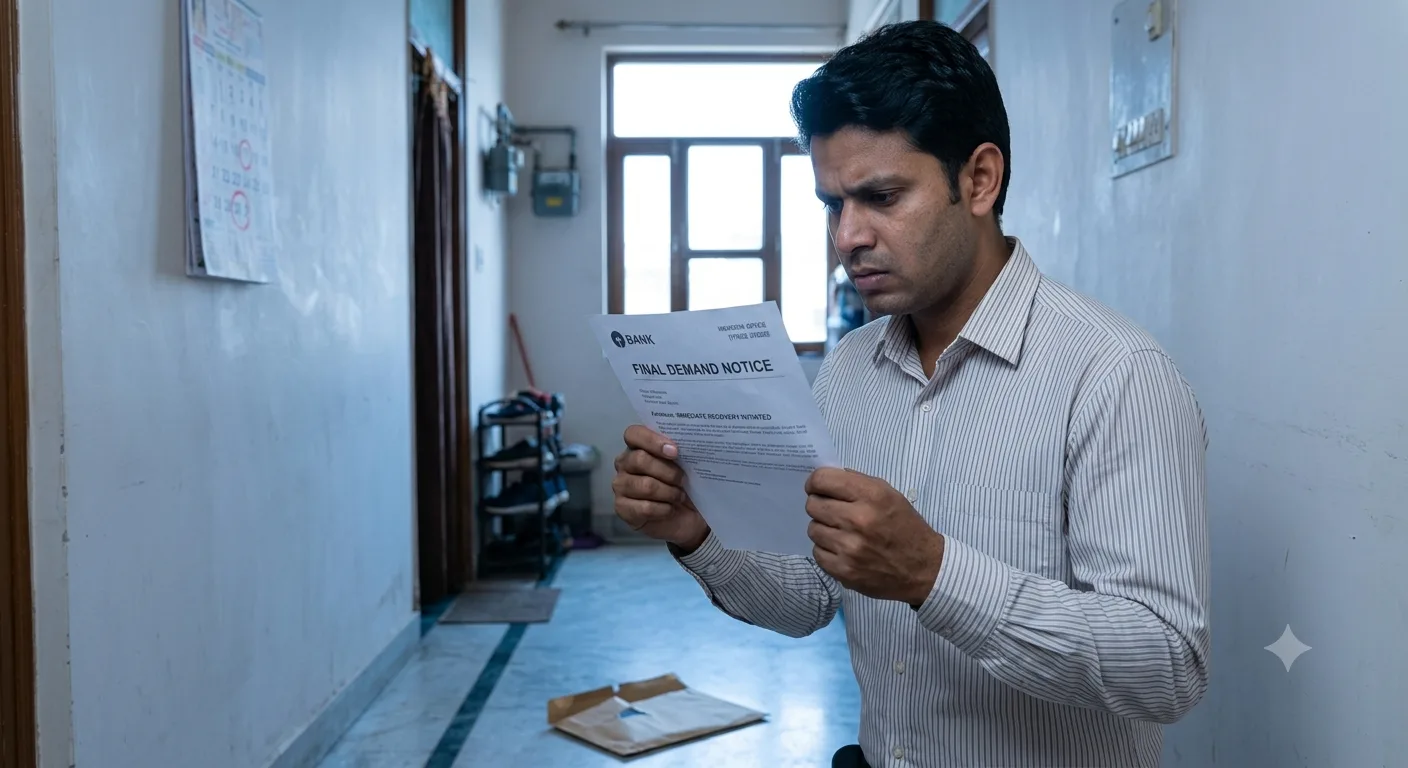
A legal notice or summons has been received. This is the clearest signal, and it comes with a specific response deadline that shouldn't be ignored.
The outstanding amount is close to or above ₹20 lakh with a single lender, which is when the DRT route specifically becomes available to that bank.
None of these signs means the outcome is decided. They mean it's time to understand the process ahead and respond within the given timelines.
How Does a Case Move Under the RDB Act?
The bank applies to the DRT under Section 19.
You get a summons and file a written statement within 30 days.
The tribunal hears both sides.
If money is found due, it issues a recovery certificate.
Either side can appeal to the DRAT within 45 days.
Each step, with what to do at it, is on our Debt Recovery Tribunal guide.

A notice mentions the DRT and you're not sure what it means?
FREED's in-house legal team can check whether it's genuine and whether it needs a reply.
Book My CallWhat Happens If You Disagree With a DRT Order
If a DRT order goes against a borrower, the law provides a specific appeal route, though it comes with real conditions worth understanding upfront.
An appeal goes to the Debt Recovery Appellate Tribunal (DRAT), and it must be filed within 30 days of receiving a copy of the DRT's order. The tribunal does have discretion to accept a late appeal if there's sufficient cause for the delay, but this isn't guaranteed.
The condition that catches many borrowers off guard is the deposit requirement. To have the appeal even heard, a borrower must deposit 50% of the amount determined by the DRT with the Appellate Tribunal. The DRAT does have the power to reduce this, but by law it cannot go below 25% of the amount due, and it must record its reasons in writing for granting any reduction. This deposit requirement exists specifically for the person who owes the debt; a bank appealing a DRT decision doesn't face the same condition.
Given both the tight timeline and the financial condition attached to it, this is exactly the stage where speaking with a lawyer experienced in banking and tribunal law matters most. General information can explain how the process works, but the specific strategy for a specific case, including whether an appeal makes sense at all, given the deposit required, needs individual legal advice.

FREED Expert Tip
Getting a DRT summons doesn't mean the case has already been decided. Read the notice carefully, note any response deadlines, and consult a qualified lawyer as early as possible.
Book My Call
Can a Case Under the RDB Act Still Be Settled?
Yes, and this surprises a lot of people who assume that once a case is filed, the only outcomes are win or lose at the tribunal. That's not how it works.
Settlement may still be possible at different stages of the process if both the borrower and the lender are willing to negotiate. The availability of settlement depends on the facts of the case and the lender's decision.
One specific route worth knowing about is Lok Adalat, a no-cost forum for resolving disputes, including DRT cases, outside formal proceedings. Outcomes reached through Lok Adalat are binding, and this route has become a genuinely common way for DRT matters to conclude without a full contested hearing.
What Rights Do You Have Under the Recovery of Debts and Bankruptcy Act?
Facing a DRT case can feel one-sided, but the law builds in specific protections for the person the case is filed against.
The right to written notice. A case cannot simply proceed without the borrower being formally informed and given a defined window to respond.
The right to be heard and contest the claim. The tribunal is required to allow both the applicant bank and the defendant borrower to be heard before passing an order; this is built into the law itself, not a courtesy.
The right against arbitrary action. Tribunals must follow the principles of natural justice, meaning decisions have to be based on evidence and fair process, not one-sided assumptions.
The right to legal representation. A borrower can appear in person or authorise a lawyer to present their case before the tribunal.
None of these rights is automatic protection against an unfavourable outcome if the underlying debt is genuinely owed. What they guarantee is a fair process, a real chance to be heard, and evidence considered on both sides before anything is decided.
How FREED Helps If a DRT Case or Notice Is Part of Your Situation
It's worth being direct about the boundary here. FREED is not a legal services provider and does not represent borrowers before the DRT, DRAT, or any court. Anything specific to defending a case, filing a written statement, or navigating an appeal needs a qualified lawyer, and that's not something to substitute with general guidance.
FREED helps borrowers understand their options before legal proceedings begin. This may include helping them organise information and communicate more effectively with their lender, where appropriate.
Settlement is generally considered only when someone is facing genuine financial difficulty and repaying the full amount is no longer realistic. FREED helps eligible borrowers understand their options before legal proceedings begin. If legal proceedings have already started, borrowers should seek advice from a qualified lawyer regarding their specific situation.
What to Do If You Receive a DRT Summons or Legal Notice
The single most damaging response to a DRT summons is no response at all.
Don't ignore it. Non-response is generally treated as non-contest, and the tribunal can proceed to pass an order without ever hearing the borrower's side.
Note the response deadline and respond within it. The Act specifies a 30-day window to file a written statement, with a possible 15-day extension only in exceptional, recorded circumstances; missing this window closes off the chance to formally contest.
Consult a lawyer experienced in banking and tribunal law for your specific case. This is not a situation for general research alone; the right defence or counter-claim depends entirely on individual facts.
Keep every document and notice organised. Loan agreements, payment records, prior correspondence with the bank, all of this matters if a written statement or defence needs to be built.
Receiving a summons is serious, but it does not mean the outcome has already been decided. Understanding the process and responding within the required timelines is important.
How a DRT Case Generally Proceeds
Bank Files an Original Application
The bank or financial institution files its claim with the DRT, having jurisdiction over the matter.DRT Issues Summons
The borrower receives formal notice and a timeline to respond.Borrower Files a Written Statement
This is the borrower's opportunity to contest the claim and raise a defence.Both Sides Present Evidence
Hearings proceed with evidence and arguments from both parties.Tribunal Passes an Order
The DRT issues a decision, which can be appealed to the DRAT within the specified window.

Mohit Juneja
Mohit Juneja writes educational content at FREED on debt management, credit scores, loan repayment, and borrowing best practices. His content is shaped by expert insights and industry knowledge, helping readers better understand their financial options and make informed decisions.
mohit.juneja@freed.care

FREED is India's trusted loan management platform. Founded in 2020 and headquartered in Gurugram, FREED has counselled 20 lakh+ people on personal loans, credit cards, and app loans. FREED charges fees only on successful settlement, not upfront. FREED does not handle secured loans (home loans, car loans, gold loans).
Media Mentions