RBI Guidelines for Loan Recovery: What Banks and Agents Are Legally Allowed to Do
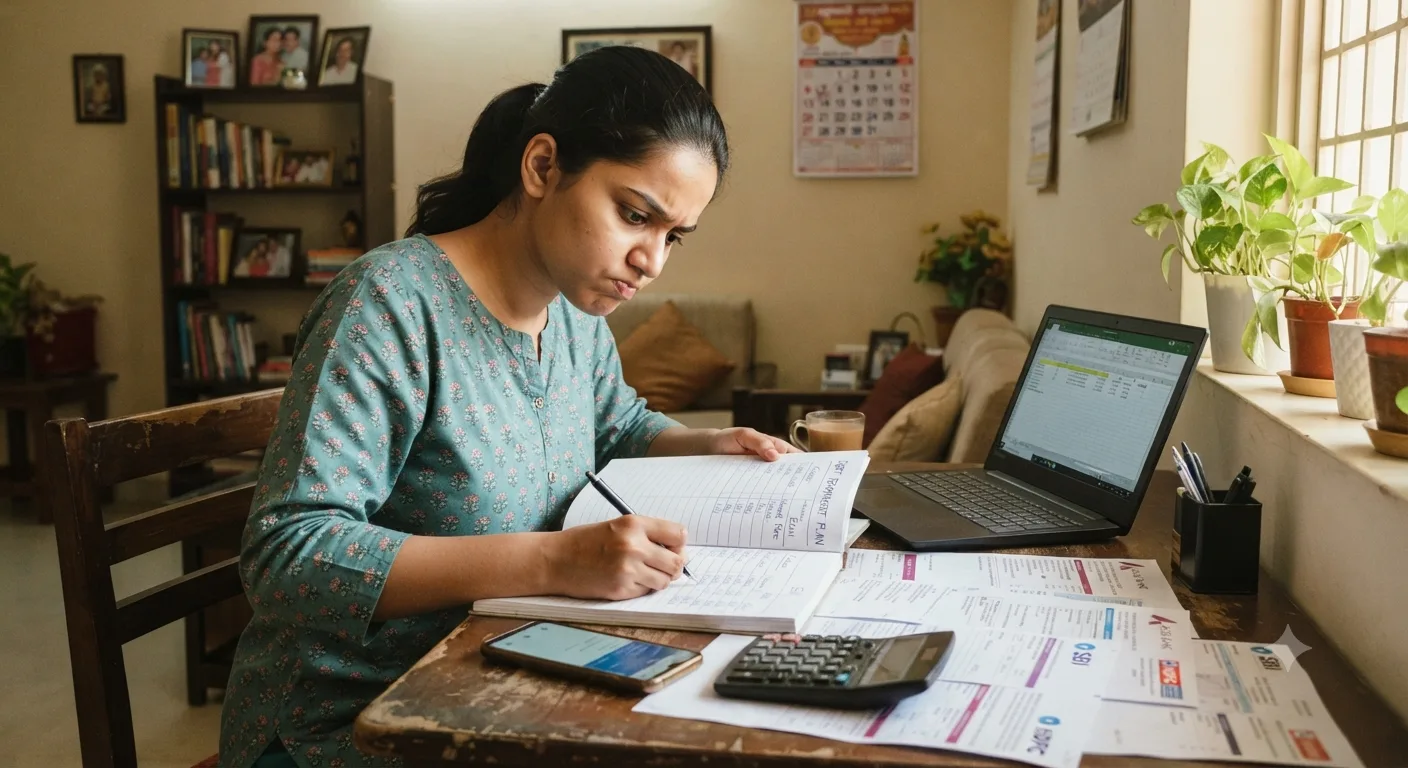
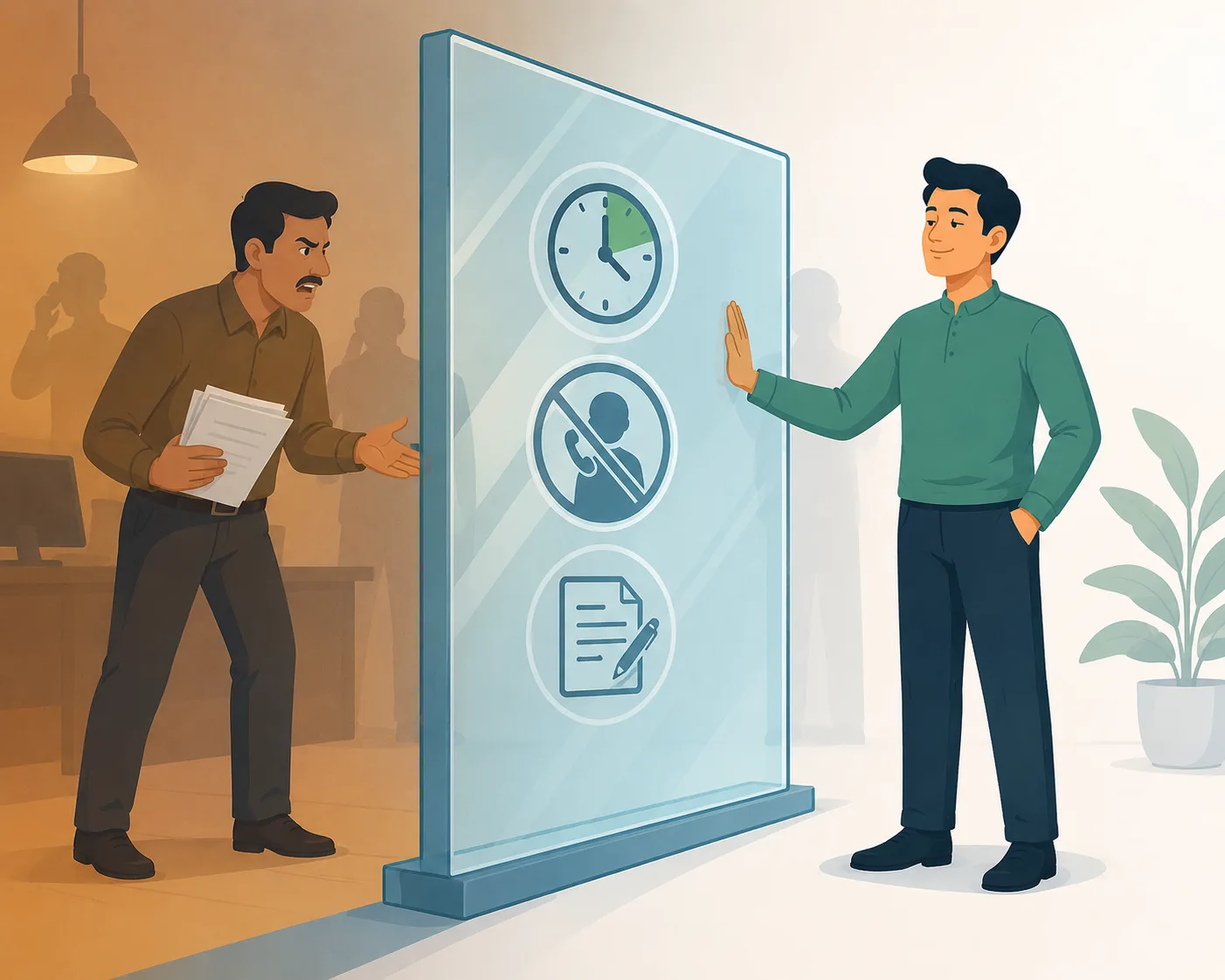
Recovery agents calling at odd hours? Visiting your house? Calling your family? RBI rules say most of that is illegal. Agents can only call you between 8 AM and 7 PM, cannot threaten you, and cannot contact your family or your employer. Here is exactly what they can and cannot do.
Mohit Juneja
Reviewed by FREED India, Debt Resolution Specialists
 4.7/5
4.7/5 ₹3,200Cr+
 20,000+
 20,00,000+4.7/5₹3,200Cr+20,000+20,00,000+
Key Takeaways

RBI rules say recovery agents can contact you only between 8 AM and 7 PM
Agents cannot threaten, abuse, or contact your family or employer
The bank is fully responsible for what its recovery agent does
For unsecured loans (credit cards, personal loans), no one can seize your assets without a court order
If rules are broken, you can complain free to the RBI Ombudsman and banks often negotiate faster when borrowers know their rights
What Are RBI Guidelines for Loan Recovery?
The RBI (Reserve Bank of India the country's banking regulator) has put rules in place so that banks, NBFCs (non-banking financial companies), and loan apps cannot harass borrowers during recovery. These rules come under two frameworks: the Fair Practices Code and the Recovery Agent Code of Conduct.
They apply to every regulated lender private banks, public banks, NBFCs, and fintech loan apps that are registered with the RBI.
The most recent update came through the RBI's Responsible Business Conduct (Second Amendment) Directions, which came into effect on July 1, 2026. These strengthened borrower protections further, especially around agent conduct and escalation rules.
Around 39% of borrowers have reported facing abusive or threatening recovery calls, according to an Expert Panel survey cited by The Economic Times. Most of them did not know these calls were illegal.

When Does the Loan Recovery Process Actually Start?
Understanding where you are in the timeline helps you know what to expect and when your options are strongest.
- SMS and email reminders. These begin within the first 30 days of a missed payment. Automated, no human contact yet.
- Phone calls from the bank's internal team. Between 30 and 60 days overdue. These are bank employees, not external agents.
- Formal written notice. After 60 days, the bank sends a written notice. Keep this letter. It is important if you dispute anything later.
- NPA classification. At 90 days without payment, your loan is officially classified as NPA (Non-Performing Asset, a loan the bank now treats as bad debt). This is also the window where settlement conversations become most realistic.
Recovery agent assigned. Per the 2025 RBI mandate, the bank must give you 30 days' written notice before assigning an external recovery agent. The agent must carry a valid ID and a written authorization from the bank.
Legal action. The last step. For unsecured loans, this means civil court or Lok Adalat. For secured loans like home loans or car loans, SARFAESI (a law that lets banks take property on secured default) may apply. Unsecured loans cannot trigger asset seizure without a court order.
The 90-day window from missed payment to NPA classification is often the best time to discuss settlement or a revised repayment plan with your bank. Waiting past this point narrows your options.
What Recovery Agents Are Legally Allowed to Do
There is a clear legal line between what agents can do and what is prohibited. Here is how that line looks.
Allowed

Contact you between 8 AM and 7 PM
Send formal written notices
Call your registered mobile number
Visit your registered address with prior notice
Carry valid ID card and written authorisation from the bank
Ask for repayment or discuss settlement options
Not Allowed

Call before 8 AM or after 7 PM
Contact your family, friends, employer, or neighbours
Use abusive, threatening, or shaming language
Visit during festivals, weddings, or family emergencies
Make anonymous calls or hide their caller ID
Forcibly enter your home or touch your belongings without a court order
Post your photo or name in WhatsApp groups or on social media
Threaten criminal action for a missed EMI loan default is a civil matter, not criminal
Your Rights as a Borrower Under RBI Rules
These are not just suggestions. They are backed by RBI regulation and, in some cases, Indian law.
- Right to prior notice. The bank must give you 30 days' written notice before assigning a recovery agent to your account. An agent cannot show up without this notice being sent first.
- Right to fair timing. No calls before 8 AM or after 7 PM. This applies seven days a week. Calling outside these hours is a direct violation of the RBI's Fair Practices Code.
- Right to privacy. The agent cannot share information about your loan or default with anyone else not your family, not your employer, not your neighbours. This is also protected under the Right to Privacy (K.S. Puttaswamy vs Union of India, 2017 Supreme Court judgment).
- Right to identification. You are fully within your rights to ask any agent for their ID card and their written authorisation letter from the bank. If they cannot produce both, do not engage.
- Right to be heard. You can formally request a change in your repayment plan, a revised EMI schedule, or a settlement discussion. Banks and NBFCs are required to acknowledge your request and respond.
- Right to complain free. The RBI Integrated Ombudsman handles complaints against banks and NBFCs at no cost to you. The RBI Ombudsman can award compensation of up to ₹20 lakh for proven harassment.
What Lenders and Agents Cannot Do Under the 2026 Amendments
The RBI's July 2026 updates added sharper restrictions to what is prohibited. Here is what no bank, NBFC, or agent can legally do:
- Cannot escalate to a recovery agent while your written complaint is still pending at the bank
- Cannot contact you on Sundays or on notified public holidays
- Cannot visit your home during weddings, funerals, festivals, or illness even within normal hours
- Cannot use a loan app's access to your phone contacts or photos to pressure you
- Cannot send threatening WhatsApp messages or add you to public "defaulter" groups
- Cannot seize assets for unsecured loans (credit cards, personal loans) without a court order
- Cannot visit your home without prior written intimation for the first visit
- Cannot continue collection activity after you have submitted a formal dispute or complaint to the bank
Banks face RBI monetary penalties of up to ₹1 crore under Section 47A of the Banking Regulation Act for violations of recovery conduct rules.

FREED Expert Tip
If an agent calls outside 8 AM–7 PM, stay calm and say: "Please contact me within 8 AM and 7 PM." Most agents stop the moment they realise you know the rules. Note the time, date, and number and report it. If unsure what to do next.
Talk to a FREED ExpertWhat to Do If a Recovery Agent Harasses You (Step by Step)
If an agent crosses the line, here is exactly how to respond in order.
- Stay calm and document everything. Note the date, time, agent's name, and phone number for every call or visit. If possible, record the call. It is legal in India to record a call you are part of.
- Ask for written notice and the agent's ID. Request their ID card and the bank's written authorisation. Call the bank's customer care directly to verify the agent's name and credentials.
- Send a written complaint to the bank's Grievance Officer. Send it both by registered post and email. Keep copies. State the specific violation date, time, what was said or done.
- Wait 30 days for the bank's response. Banks are required to respond to grievances within 30 days. If they do not, or if the response is unsatisfactory, move to the next step.
- Escalate to the RBI Integrated Ombudsman free. File at cms.rbi.org.in. The process costs nothing. The Ombudsman can award compensation of up to ₹20 lakh for proven harassment.
- File an FIR if threats turn criminal. If an agent makes threats of physical harm, shares your information publicly, or uses language that constitutes criminal intimidation, file a police complaint under IPC Sections 503 and 506 (criminal intimidation).
At FREED when a borrower comes to us we provide them support against harassment by making them aware of their rights...In parallel we also put forward your case for settlement to the bank...Something like this .
FREED Negotiates With Your Bank, Handles the Paperwork, and Gets You to Resolution .
You focus on your family. We focus on your lenders.
Book My Free CallWhat the Law Says: Loan Default Is Not a Crime

What the Law Says
Loan default in India is a civil matter, not a criminal one. A borrower cannot be arrested or jailed for missing EMIs. Criminal liability only arises in specific cases: willful default with funds available, cheque bounce under Section 138 of the Negotiable Instruments Act (where a post-dated cheque was given and bounced), loan diversion, or deliberate fraud. Agents who threaten "police arrest" for a missed EMI are using a scare tactic that has no legal basis. Your Right to Privacy (K.S. Puttaswamy vs Union of India, 2017) also protects you from having your personal financial information shared without consent. Under IPC Sections 503 and 506, threats and criminal intimidation are actionable against the agent, not against you.
Talk to a FREED Expert →How to Complain Against Recovery Agent Harassment Free
Step | Where to Complain | Response Time | Cost |
1 | Bank's Grievance Redressal Officer | 7–15 days | Free |
2 | RBI Integrated Ombudsman (cms.rbi.org.in) | 30 days | Free |
3 | Police FIR (for threats or abuse) | Immediate | Free |
4 | Consumer Court or Civil Court | 60+ days | May need a lawyer |
When filing any complaint, keep this evidence ready:
Call recordings (date, time, number clearly noted)
Screenshots of WhatsApp messages or missed calls outside hours
Copies of any written notices received
Bank's written acknowledgement of your grievance
Witness statements if the agent visited your home
How FREED Helps You Move From Knowing Your Rights to Actually Resolving Your Loans
Knowing RBI rules is the first step. It stops the harassment and gives you standing to complain. But it does not reduce the loan burden itself.
Most borrowers in this situation have two real options: keep paying under pressure and hope the bank offers a break, or negotiate a settlement and put a final number on what they owe.
Settlement is not something a borrower chooses out of preference. Banks only consider it when you are in genuine financial difficulty and are truly unable to repay the full amount. It is a last resort not a shortcut.
When settlement is the right path, here is where FREED steps in. We handle the entire process for you:
We pull your CIBIL report, map every overdue account, and give you a clear picture of what a realistic settlement looks like for each one.
We take over the communication with your bank's recovery team. Recovery calls route through FREED. You are no longer fielding them alone.
We handle the paperwork, the settlement letter, the No Dues Certificate (clearance letter confirming nothing is owed), and the CIBIL update follow-up after settlement.
We work to bring your total outstanding down. Settlements FREED has handled have achieved waivers of up to 50%* of the outstanding amount.
*Settlement outcomes depend on your lender, loan type, and financial situation. FREED is not a bank or loan provider. Final approval and terms are the lender's decision. No specific reduction is guaranteed. Please verify all terms directly with your lender.
Book My Free Settlement Call
One call. No commitment. A FREED counsellor will tell you exactly what your settlement options are.
Book My Free Settlement Call
Mohit Juneja
Mohit Juneja writes educational content at FREED on debt management, credit scores, loan repayment, and borrowing best practices. His content is shaped by expert insights and industry knowledge, helping readers better understand their financial options and make informed decisions.
mohit.juneja@freed.care

FREED is India's trusted loan management platform. Founded in 2020 and headquartered in Gurugram, FREED has counselled 20 lakh+ people on personal loans, credit cards, and app loans. FREED charges fees only on successful settlement, not upfront. FREED does not handle secured loans (home loans, car loans, gold loans).
Media Mentions