What Is the Maximum Credit Score?
The maximum credit score in India is 900, but you don't need it. Here's what the top of the scale actually means and what score is genuinely worth chasing.
Mohit Juneja
Reviewed by FREED India, Debt Resolution Specialists
 4.7/5
4.7/5 ₹3,200Cr+
 20,000+
 20,00,000+4.7/5₹3,200Cr+20,000+20,00,000+
Key Takeaways

The maximum credit score on India's standard scale is 900. The minimum is 300.
Most banks treat anything above 750 as excellent. The best rates and approvals don't require a perfect 900.
Chasing the last 100 to 150 points has sharply diminishing returns compared to moving from a poor score to a good one.
No one can guarantee or manually push you to 900. It's built entirely through years of consistent repayment behaviour.
A 900 score is achievable but rare. Many borrowers with strong credit histories maintain scores well above 750 without necessarily reaching 900.
What is the maximum credit score in India
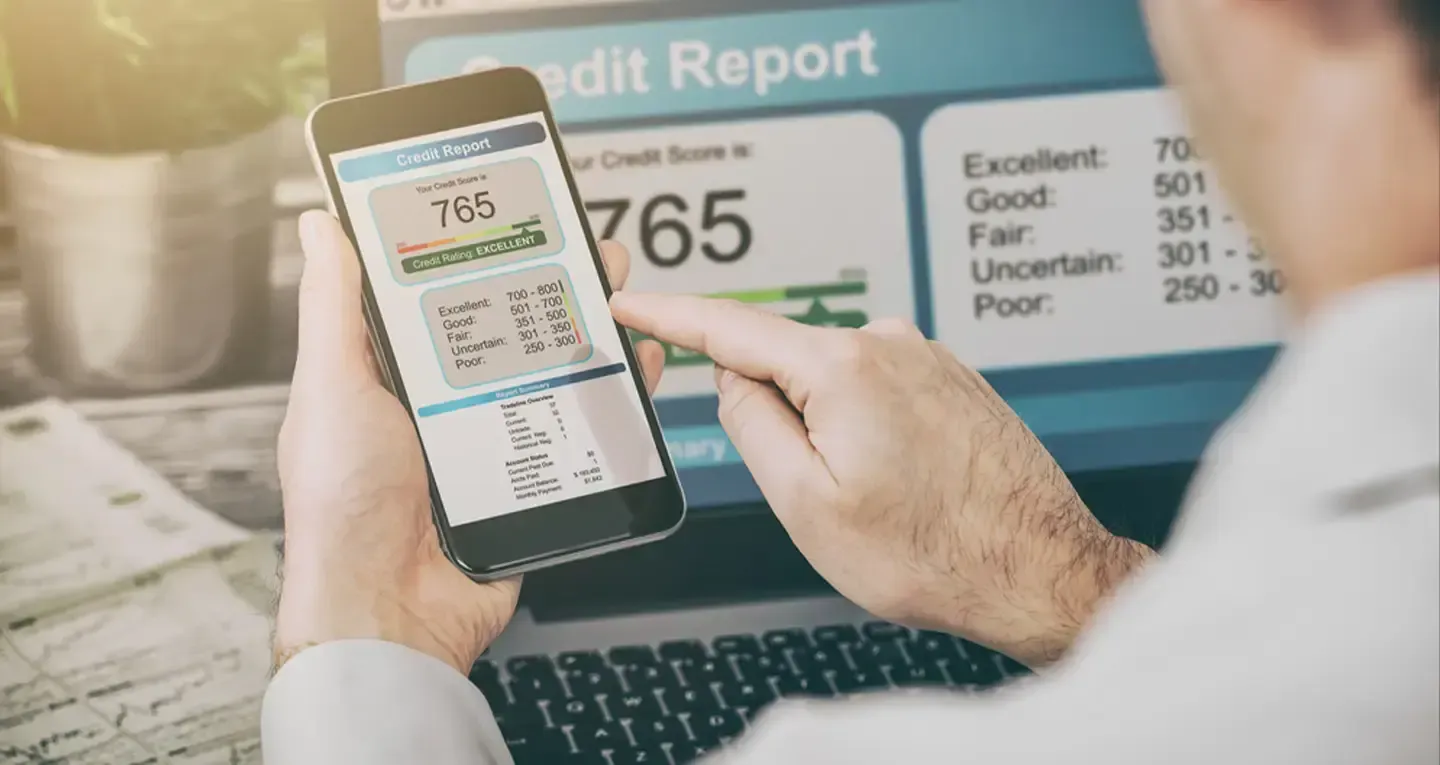
900 is the top of the scale. CIBIL, Experian, Equifax, and CRIF High Mark, India's four RBI-licensed bureaus, all work off the same 300 to 900 range, so the number itself doesn't shift depending on which bureau pulls your report.
Worth being clear about one thing here. Your score is generated by the bureau, based on the data your banks and lenders report about you. No app, no agency, and no bank can directly set or edit that number. What they can do is report your repayment behaviour, on time or late, high utilisation or low, and the bureau's own model turns that into a score. So when people talk about "hitting 900," they're really talking about a long stretch of clean, reported history, not a target you can dial in yourself.
Understanding this upfront saves a lot of confusion later, especially when you come across offers claiming to boost your score to a specific number for a fee.
Do you actually need a 900 credit score
Here's the part most explainers skip. You almost certainly don't need 900. Most banks treat anything above 750 as excellent, and 800 and above usually gets you into the top tier for rate and approval purposes. The real-world difference between an 800 score and a 900 score, for most loan and credit card products, is genuinely small. (Writer to verify current lender tiering before publish. Avoid inventing specific rate numbers.)
This matters because a lot of people fixate on the maximum as if it's the only meaningful goal, when in practice it's closer to a ceiling nobody actually needs to touch. The bigger jump, the one that actually changes what you can access, happens on the way up from a poor or fair score into the good and excellent bands. Going from 600 to 750 opens doors. Going from 800 to 900 mostly closes a gap that was already small.
So the more useful question isn't "how do I hit 900." It's "what score does the thing I actually want require," and for most people, that answer sits comfortably below the maximum.

FREED Expert Tip
Stop tracking your score against 900 and start tracking it against your next actual goal, a home loan, a premium card, a lower interest rate. That number is usually much closer than 900.
Find out what you actually need
What it actually takes to get close to 900
Getting near the top of the scale isn't about a trick or a single habit. It's the sum of a lot of ordinary things done consistently, for years.
That means paying every EMI and credit card bill on time, every single month, across all your accounts, not just most of them. It means keeping your credit utilisation, how much of your available limit you're actually using, low, well under 30% consistently rather than occasionally. A long credit history helps too, since older accounts in good standing carry more weight than new ones. A healthy mix of credit, some secured, some unsecured, tends to reflect well, though this matters less than the basics of on-time payment and low utilisation. Avoid unnecessary credit applications, as each formal application creates a hard enquiry that future lenders may consider during credit assessment.
None of this happens quickly. A score near 900 is the result of years of unremarkable, disciplined behaviour, not a short program or a specific fix. If someone is offering you a fast route there, that's usually the first sign something's off.
Signs a "guaranteed 900 score" claim is a scam
Anyone claiming they can manually edit your score. Only the bureau updates your score, based on what banks report. No individual or app has that access.
Paid apps promising an exact number. A legitimate service can help you understand and improve your score. None can guarantee you'll land on a specific figure.
Offers to remove genuine negative history for a fee. If a missed payment or default actually happened, no paid service can erase it. Only a genuine error qualifies for a dispute, and that's free through the bureau directly.

What the Law Says
No individual, agency, or app can directly edit your CIBIL score. Under the Credit Information Companies (Regulation) Act, 2005, only the bureau can update it, based on verified data reported by your banks and lenders.
Check your report the right way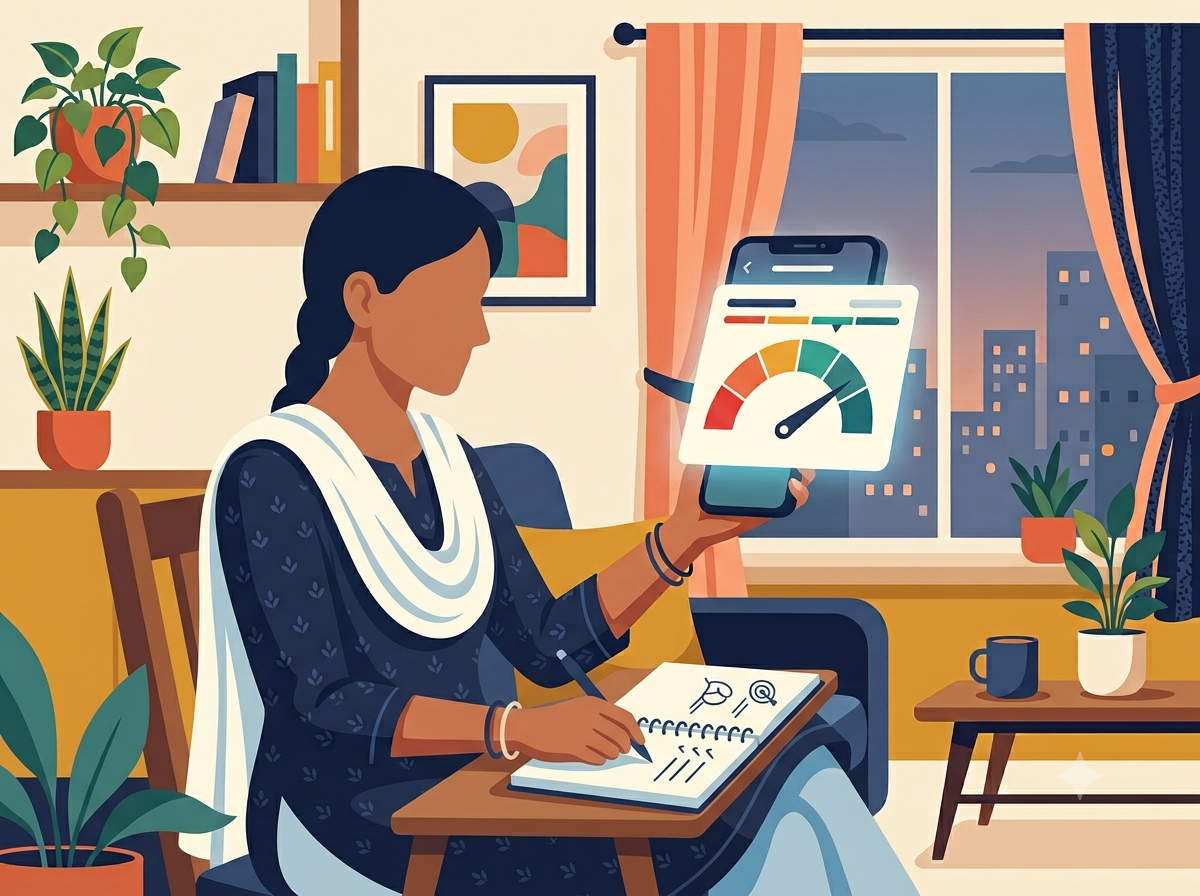
What if your score is far from excellent right now
If 900 feels like a distant, almost irrelevant number because your score sits well below where you'd like it, the fix depends on why it's there.
Sometimes it's simply a thin file, not much credit history for the bureau to score you on, or a few fixable habits, high utilisation, a couple of missed payments. In that case, the path is straightforward if slow. Pay on time, bring utilisation down, and let time and consistency do the rest.
But sometimes the real issue isn't habits, it's existing debt across multiple loans or cards that's become genuinely hard to manage. If that's closer to your situation, this isn't really a score theory problem anymore. FREED's Debt Consolidation Program may combine eligible unsecured debts into a single repayment, depending on the approved loan amount, tenure, and lender terms. Either way, the right next step depends on your actual repayment capacity, not on chasing a score number in isolation.
How FREED helps you understand where you actually stand
A score on its own doesn't tell you much. What actually helps is knowing what's affecting that number and what to do about it, which is exactly what FREED's Credit Insights is built for.
Get flat 50% off on subscription or avail the subscription at flat 50% off. Credit Insights pulls your report through Experian and gives you three things: your current score, a clear picture of a personalised explanation of the factors reflected in your credit report, and practical recommendations to help you better understand and manage your credit profile. This is available to everyone, whether or not you're enrolled in any other FREED program.
If it turns out existing debt, rather than habits or history, is what's actually holding your score back, FREED can also point you toward consolidation or settlement depending on your situation. But the starting point is always the same, understanding where you genuinely stand, rather than measuring yourself against an abstract maximum that most people never need to reach anyway.

Score Held Down by Existing Debt?
See if consolidation or settlement fits your situation.
Get a Free EMI AssessmentAre You in a Loan Trap? Quick Check
Move the slider to your total EMIs as a % of monthly salary. See your debt stress level instantly.
EMIs as % of Monthly Salary
What helps you build toward a strong score
Pay every bill on time, without exception. One consistent habit matters more than any single big move you could make.
Keep utilisation well below 30%. The lower and steadier this stays, the better it reflects over time.
Avoid unnecessary new credit applications. Each formal credit application creates a hard enquiry that future lenders may consider during credit assessment.
Keep old accounts open. Keeping older credit accounts active may help maintain a longer credit history, which lenders may consider during credit assessment.
Check your report periodically. Catching an error early is often the single fastest fix available to anyone.
Understanding the maximum credit score, step by step
Know the scale
300 is the minimum, 900 is the maximum, across all four Indian bureaus.
Identify the practical threshold you actually need
Usually 750 to 800, not 900, covers most loans and cards.
Check what's holding you back from that threshold
Utilisation, missed payments, or a thin history are the usual reasons.
Build consistently, not quickly
There is no legitimate shortcut to a score near 900.
Reassess your goal periodically
Track progress against your actual next financial goal, not an abstract maximum.
What different score levels actually get you
Score Range | What It Typically Gets You |
750-799 | Approval at most banks, competitive interest rates |
800-849 | Best available rates, premium card eligibility |
850-900 | Marginal additional benefit over 800-849 for most products |
The pattern in this table is really the whole point of this blog. The jump from below 750 into the 750-799 band changes what's available to you in a meaningful way. Beyond that, each additional 50 points buys progressively less. By the time you're comparing 850 to 900, the practical gap for most everyday products has mostly closed.

Mohit Juneja
Mohit Juneja writes educational content at FREED on debt management, credit scores, loan repayment, and borrowing best practices. His content is shaped by expert insights and industry knowledge, helping readers better understand their financial options and make informed decisions.
mohit.juneja@freed.care

FREED is India's trusted loan management platform. Founded in 2020 and headquartered in Gurugram, FREED has counselled 20 lakh+ people on personal loans, credit cards, and app loans. FREED charges fees only on successful settlement, not upfront. FREED does not handle secured loans (home loans, car loans, gold loans).
Media Mentions