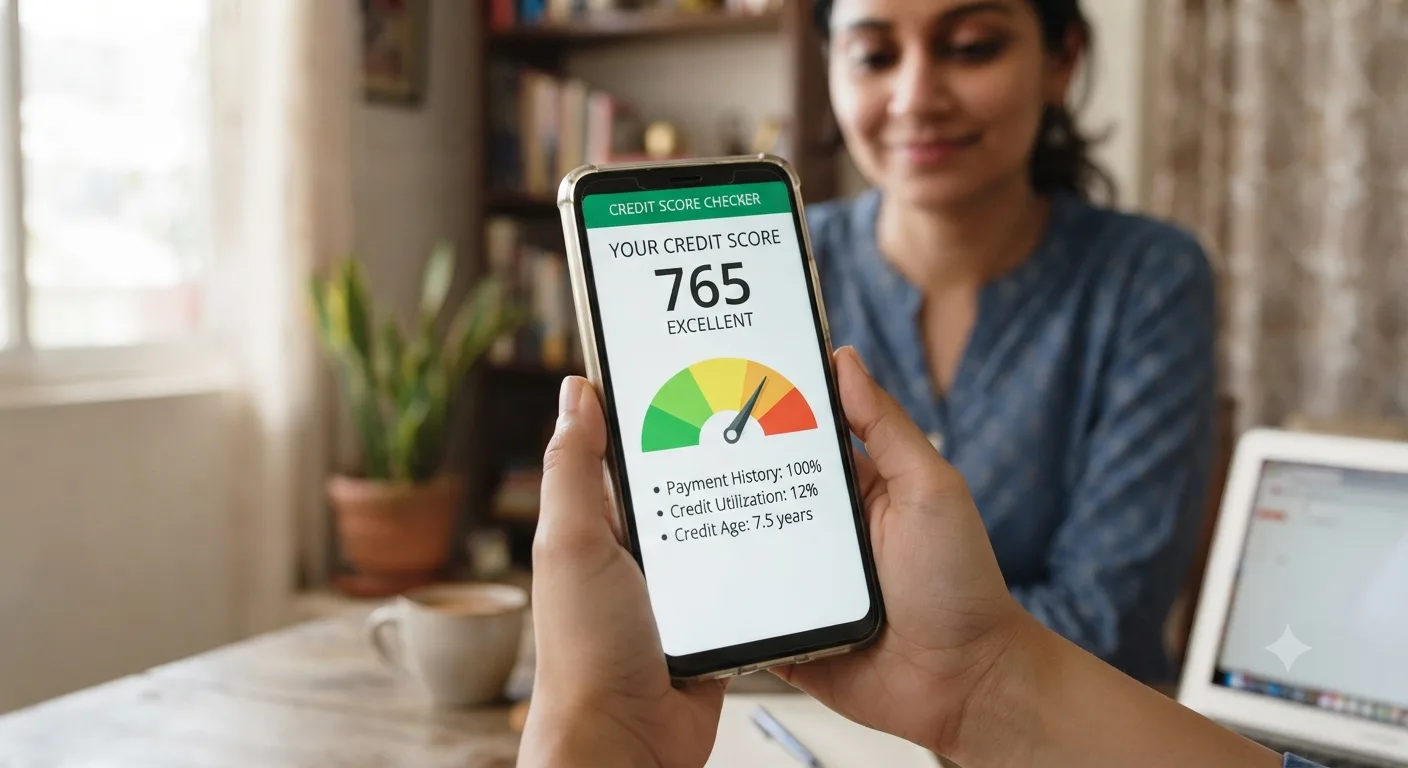
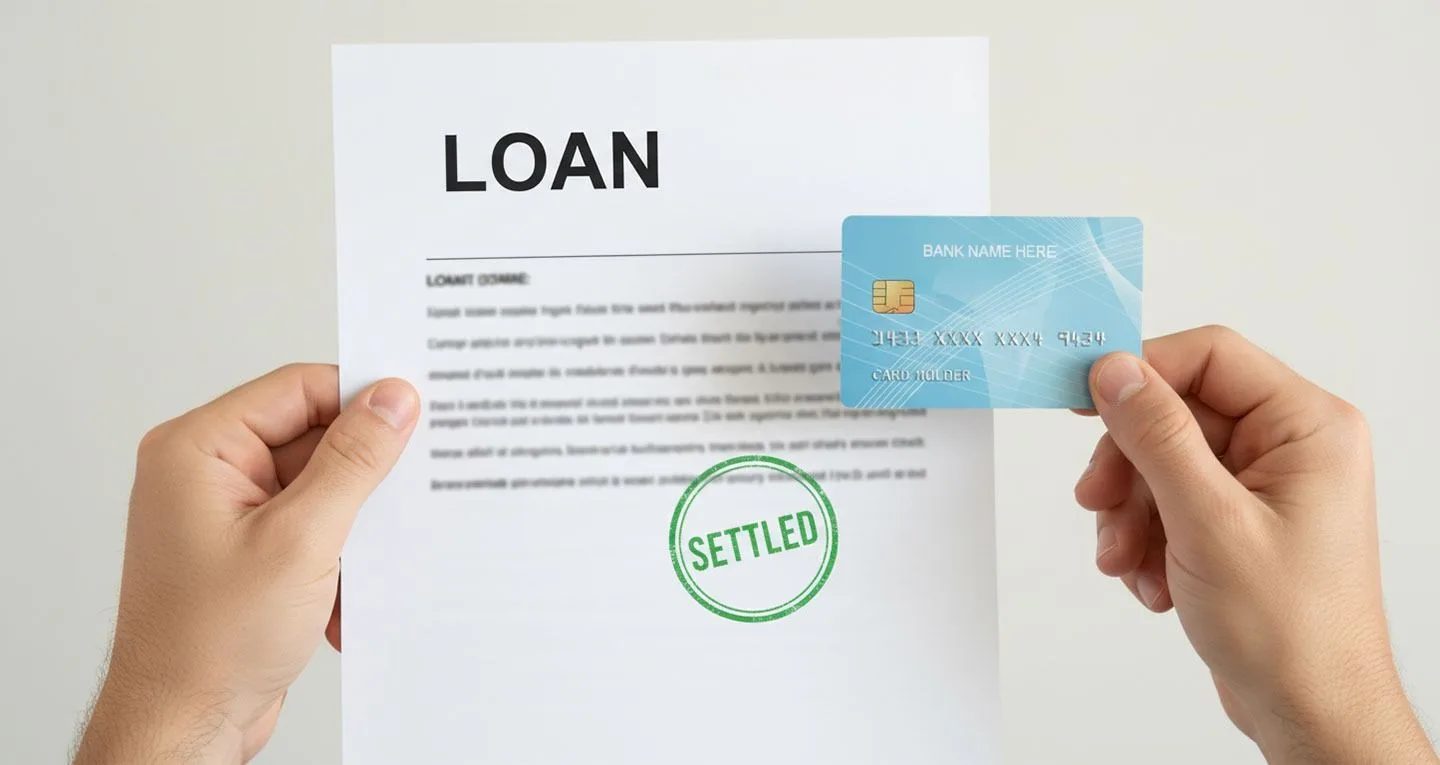
Credit Card Settlement Percentage and Negotiation Tips
Learn credit card settlement percentages in India, how banks negotiate, risks to CIBIL score, and smart tips to settle safely.
Mohit Juneja
Reviewed by FREED India, Debt Resolution Specialists
 4.7/5
4.7/5 ₹3,200Cr+
 20,000+
 20,00,000+4.7/5₹3,200Cr+20,000+20,00,000+
Key Takeaways

A credit card settlement is a negotiated agreement where the bank accepts less than the full outstanding amount as final payment.
Most settlements in India fall between 40% and 70% of the total outstanding dues.
The percentage depends on how long you have defaulted, your income situation, the size of the debt, and how well the negotiation is conducted.
Settlement has real consequences, a "Settled" remark on your CIBIL report that stays for up to 7 years.
It should be considered only when repaying the full amount is genuinely not possible.
What Is Credit Card Settlement?
Credit card settlement is the process of negotiating with your bank or credit card issuer to accept a reduced amount, less than your full outstanding balance as complete and final payment.
For example: you owe Rs. 2,00,000 on your credit card. After several months of non-payment, you approach the bank and offer Rs. 1,00,000 as a one-time final settlement. The bank agrees. The remaining Rs. 1,00,000 is waived. Your account is closed and marked as "Settled" on your CIBIL report.
Settlement is not a shortcut or an escape route. It is a genuine resolution mechanism used when a borrower is genuinely unable to repay the full amount. Banks agree to settlements because recovering something is better than recovering nothing from an NPA account.
It is also not the only option. Before settlement, consider whether consolidation (reducing the monthly EMI burden) or restructuring (revising the repayment timeline) might be more appropriate. Settlement affects your CIBIL score significantly. The other options may not.

Struggling with credit card debt and not sure where to start?
Talk to a FREED Expert It's Free.
Connect with FREED ExpertWhat Settlement Percentages Are Realistic in India?
There is no universal formula. Banks decide on a case-by-case basis. But based on how settlements typically work in India, here is what borrowers can realistically expect:
40% to 50% of total outstanding: Possible in cases of prolonged default (6 months or more), genuine financial hardship (job loss, medical emergency, income collapse), and when the borrower can demonstrate inability to pay more. This is the most favourable range and requires a strong case and professional negotiation.
50% to 60% of total outstanding: More common for defaults of 3 to 6 months, moderate hardship situations, and accounts where the bank has already made some internal provision for loss.
60% to 70% of total outstanding: Typical for accounts that are more recently delinquent, where the borrower's financial situation is less clearly documented, or where the negotiation is less structured.
Above 70%: Common when the account is still relatively current or the borrower cannot demonstrate hardship convincingly. In some cases, banks may offer interest waivers or fee waivers rather than principal reductions, which looks different on paper but results in a similar total amount.
The "total outstanding" figure the bank uses includes the original principal, unpaid interest, late payment fees, and penalty charges accumulated over the default period. This number is often significantly higher than the original balance.
![Infographic: Settlement percentage range, 40 to 50% (strong hardship, long default), 50 to 60% (moderate case), 60 to 70% (weaker case), above 70% (recent default / poor documentation).]
What Banks Assess Before Agreeing to Settle
Banks do not settle randomly. Their recovery and settlement teams run an internal assessment before making or accepting any offer. Understanding what they look for helps you prepare a stronger case.
How long you have been in default. The longer the account has been delinquent, the lower the bank's expectation of full recovery and the more open they are to a negotiated settlement. Most banks begin considering settlement conversations seriously after 90 days of non-payment. After 6 to 12 months, they are significantly more flexible.
Your genuine repayment capacity. Banks try to assess whether you actually cannot pay or whether you simply do not want to. A borrower who can demonstrate income loss, medical bills, job termination, or a documented change in financial circumstances is taken more seriously than one who offers no explanation.
The total amount outstanding. Larger outstanding amounts give more room for negotiation in absolute terms. Banks may also be more willing to settle large NPA accounts because recovering them through legal action is expensive and uncertain.
Whether you can offer a lump sum. Banks strongly prefer lump sum settlements over structured payment plans. A one-time payment, even at a significantly reduced amount, closes the case immediately and eliminates ongoing collection costs. If you can offer a lump sum, your negotiating position is considerably stronger.
The bank's own provisioning status. Banks are required to make internal provisions against NPA accounts. Once an account has been fully provisioned, the bank has already absorbed the loss on paper, making a settlement at a discount easier to accept. This typically happens after 12 months of default.
Not sure what settlement percentage you qualify for?
Talk to a FREED Expert - they negotiate with banks every day.
Get a Free AssessmentWhen Banks Are Most Open to Negotiation
Timing matters in settlement negotiations.
After 90 days of default: This is when most banks internally classify the account as an NPA. Settlement conversations become possible.
After 6 to 12 months of default: Banks are most flexible here. The account has been provisioned, internal collection efforts have typically peaked, and a negotiated exit becomes the preferred path.
The last quarter of the financial year (January to March): Banks want to clean up their NPA books before the financial year closes. Settlement offers tend to be more favourable during this window as banks are internally motivated to resolve outstanding accounts.
When recovery escalation has begun but legal action has not: Once a bank files a civil recovery suit, the process becomes rigid and expensive for both sides. Settlement is easiest to negotiate before formal legal proceedings begin.
Step-by-Step Negotiation Guide
Step 1: Know your numbers.
Before approaching the bank, have a clear picture of your situation. Know the total outstanding amount (including all interest and penalties). Know what you can genuinely offer as a lump sum. Know your income, your other obligations, and what documentation you can provide to support your hardship claim.
Step 2: Gather your documentation.
Banks settle based on evidence, not emotion. Prepare documents that support your financial situation salary slips showing income reduction, termination letter if you lost a job, medical bills if health was a factor, bank statements showing reduced cash flow. The stronger your documented case, the better the negotiation outcome.
Step 3: Contact the right department.
Do not call the general customer care number. Ask specifically for the collections or recovery department, or for the Nodal Officer's office. Branch managers can sometimes facilitate this too. Make your first contact in writing an email or a formal letter not just over the phone. Written communication creates a record and is taken more seriously.
Step 4: Make a written hardship request.
Explain your situation clearly and factually. Describe what changed job loss, income reduction, medical emergency. State that you want to resolve the account and are requesting a settlement. Do not use emotional language. Use factual language and attach your supporting documentation.
Step 5: Make your opening offer lower than your maximum.
If the most you can pay is 55% of the outstanding, open with an offer of 40% to 45%. This gives room to negotiate upward while landing at or near your actual limit. Banks will almost always counter. Expect 2 to 3 rounds of negotiation before a number is agreed upon.
Step 6: Never pay before getting a written settlement letter.
This is critical. Once a verbal or informal agreement is reached, request a formal written settlement letter from the bank on their letterhead. The letter must state the full outstanding amount, the agreed settlement amount, and confirmation that paying the settlement amount will close the account in full with no further dues. Do not transfer any money until this letter is in hand.
Step 7: Pay and get written confirmation.
Once the settlement is paid, request a No Dues Certificate (NOC) from the bank. Keep all records the settlement letter, payment receipt, and NOC. These will be essential if any future dispute arises about the account status.
Legal Note:
Banks must report your account as "Settled" not "Written Off" or "Outstanding" after payment. Wrong status? Dispute it with CIBIL or the bank's Nodal Officer. You can also ask the bank to stop recovery agent contact once the settlement is in writing.
Know your rights as a borrowerNegotiation Mistakes to Avoid
Approaching the bank without documentation. A verbal hardship claim carries far less weight than documented evidence. Banks receive many such calls. Documentation separates genuine hardship cases from those simply trying to avoid paying.
Offering your maximum amount as your opening bid. If you open at the highest number you can afford, there is nowhere to go when the bank counters higher. Always open lower and negotiate up.
Paying before receiving the settlement letter. This is the most dangerous mistake. Once money is paid, your leverage is gone. The bank must provide written confirmation before any payment is made.
Applying for new credit while in negotiation. Any new credit activity can undermine your hardship case. If the bank sees new loan enquiries or new card applications on your CIBIL report while you are claiming inability to pay, your credibility in the negotiation is damaged.
Ignoring the account and hoping it resolves itself. Accounts do not disappear. Interest compounds. Penalties accumulate. Legal action becomes possible. The longer you wait without action, the worse the eventual settlement terms because the total outstanding grows and your negotiating window narrows.
Agreeing to a settlement you cannot actually fund. A settlement you cannot pay through is worse than no settlement. If you commit to paying Rs. 80,000 as lump sum settlement and then cannot arrange the funds, the agreement falls through and you have damaged the relationship with the bank for the next negotiation attempt.
What Happens After Settlement
Your account is closed. The credit card account involved in the settlement is permanently closed. You will not be able to use it again.
A "Settled" remark appears on your CIBIL report. This is distinct from "Paid in Full." It signals to future lenders that the debt was not repaid in full. This remark stays on your report for up to 7 years from the date of the first default. Its impact reduces over time, particularly as positive repayment history is added on top of it.
Your CIBIL score drops. Combined with the months of missed payments that preceded the settlement, your score will be lower than before the default began. Recovery is possible but it takes consistent, positive behaviour over 12 to 24 months.
You may owe tax. In some cases, the amount waived by the bank may be treated as income under Indian tax law. If the waived amount is significant, consult a chartered accountant before or shortly after settlement.
You can begin rebuilding. Settlement is not a permanent financial sentence. With a secured credit card, timely payment of all other obligations, and no new defaults, CIBIL scores can recover meaningfully within 18 to 24 months.
Are You in a Loan Trap? Quick Check
Move the slider to your total EMIs as a % of monthly salary. See your debt stress level instantly.
EMIs as % of Monthly Salary
When to Get Professional Help
Negotiating a credit card settlement on your own is possible. But it has real risks.
Without knowledge of what settlement percentages are typical for your bank and account type, you may accept a deal that is worse than what was available. Without understanding the bank's internal process and timing, you may approach at the wrong stage. Without written documentation at every step, you may lose protection if the bank does not honour the agreement.
FREED's debt experts negotiate with banks on behalf of borrowers every day. They know the realistic settlement ranges for each major bank, the documentation that moves settlement conversations forward, and how to structure a negotiation to produce the best possible outcome.
FREED only charges a fee on successful resolution, no upfront costs. Over 60,000 Indians have used FREED to resolve credit card and personal loan debt. The first consultation is free.
You do not have to negotiate with the bank alone.
FREED experts do this every day and the first call is free.
Talk to a FREED Expert
Mohit Juneja
Mohit Juneja writes educational content at FREED on debt management, credit scores, loan repayment, and borrowing best practices. His content is shaped by expert insights and industry knowledge, helping readers better understand their financial options and make informed decisions.
mohit.juneja@freed.care

FREED is India's trusted loan management platform. Founded in 2020 and headquartered in Gurugram, FREED has counselled 20 lakh+ people on personal loans, credit cards, and app loans. FREED charges fees only on successful settlement, not upfront. FREED does not handle secured loans (home loans, car loans, gold loans).
Media Mentions