Manage your
credit score

Improve
Your Score
AI Credit
Expert
Detect Fake
Loans















75,000+
Customers served
₹450 Cr+
Total Savings
4.8/5
Google Rating
30,000+ Borrowers trust Credit Insights
Get personalized actionable insights on improving your credit score along with 24*7 AI expert to answer all your queries.
 20 lakh+Counselled
 400+Team size
 1-on-1Free consult
See stories of progress - Testimonials
See stories of progress- Testimonials

Checking my credit insights on FREED helped me understand my score and improve it. I'm now eligible for better offers.
Credit score

I spotted fake loans running in my name with the help of AI credit expert.
Credit score

Even after paying my EMI's on time...My credit profile showed late payment...I got help in fixing errors on my credit profile.
Credit score
Checking my credit insights on FREED helped me understand my score and improve it. I'm now eligible for better offers.
Credit score
Even after paying my EMI's on time...My credit profile showed late payment...I got help in fixing errors on my credit profile.
Credit score
I spotted fake loans running in my name with the help of AI credit expert.
Credit score
Why Credit Insights?
Planning to take a new Loan ?
Know where you stand before you applyManage and Improve your score
to get better interest rates.

Want Better Loan & CreditCard Offers?
Build a stronger credit profile that works in
your favour.

Trying to Improve Your Score?
Know what's hurting and get actionable
insights on how to improve your score

Need Expert Guidance?
Get instant answers from your AI
Credit Expert.

What you’ll get with Credit Insights
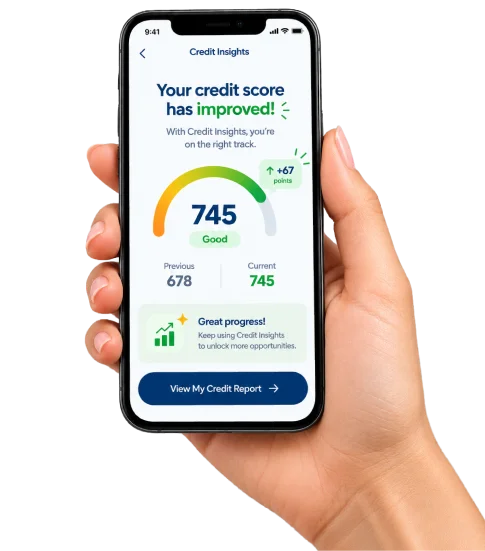
Personalised Insights
See what affects your score.
Dispute Errors
Fix mistakes fast.
Credit Report
Your full credit history.
Protect your identity
Spot suspicious activity.
Credit Score Tracking
Track your progress.
Monthly Refresh
New data every month.

What you’ll get withCredit Insights
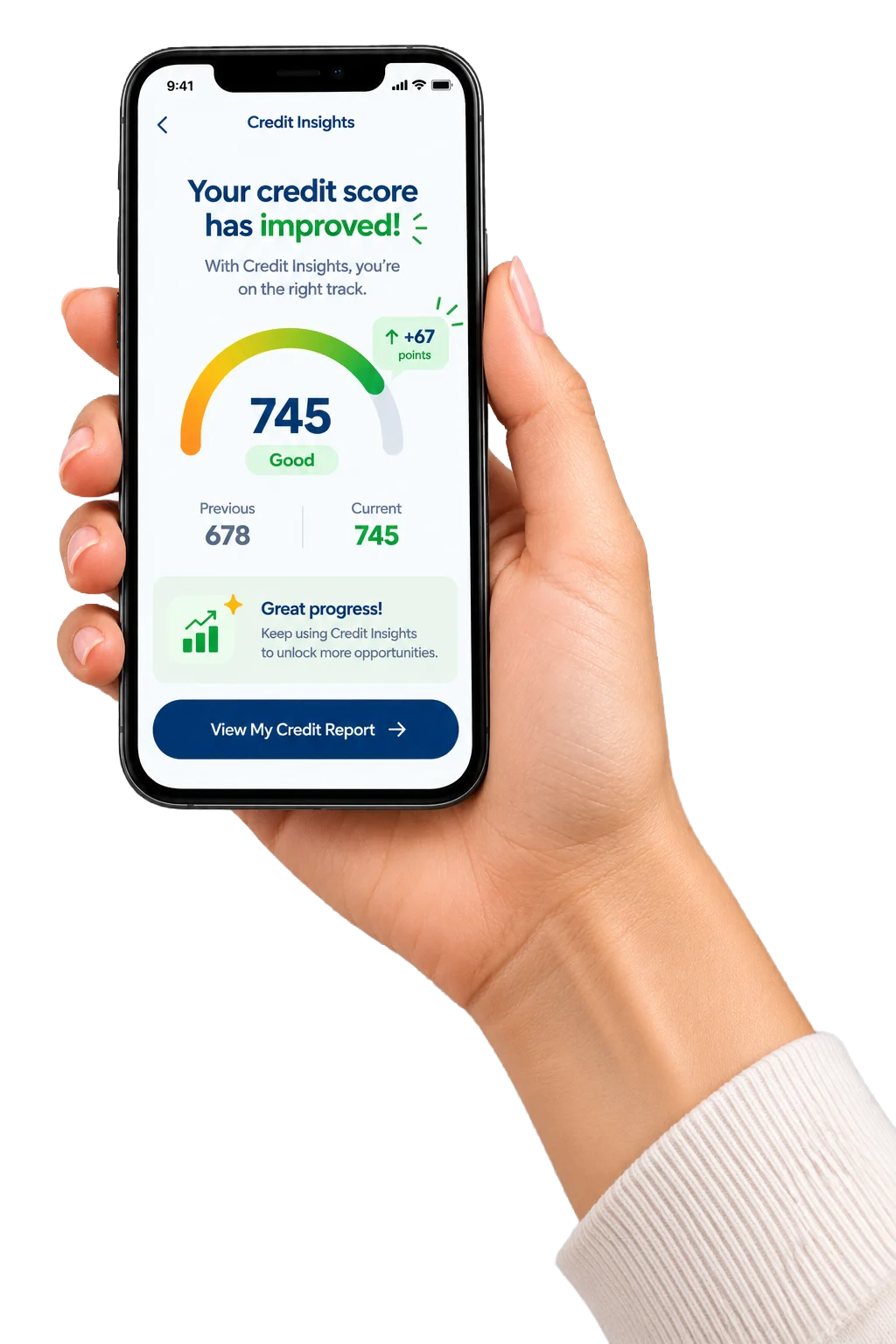
Personalised Insights
Know what's impacting your score & ways to fix it.
Dispute Errors
Raise a dispute in just a few steps.
Credit Report
From past to present, see every detail about your credit score
Protect your identity
Detect fake loans early and raise a dispute in a few simple steps.
Credit Score Tracking
Track your progress over time.
Monthly Refresh
Stay updated with the latest changes.
Meet your 24×7 AI
Credit Expert.
Get instant answers, personalized guidance, and real-time insights
to help you understand your credit, spot changes, and make
informed decisions.
24/7 availability
Get help anytime your credit questions come up.
Personalized advice
Advice tailored to your credit profile and goals.
Real-time insights
See what is driving your score right now.
Freed AI Credit Expert
Let me check your latest report.
Meet your 24×7
AI Credit Expert.
Get instant answers, personalised guidance,
and real-time insights to help you understand
your credit, spot changes, and
make informed decisions.
Freed AI Credit Expert
24/7 availability
Get help anytime your credit questions come up.
Personalized advice
Advice tailored to your credit profile and goals.
Real-time insights
See what is driving your score right now.
Know what shapes your credit score
Payment History
35% of your ScoreCredit Utilization
30% of your ScoreCredit Mix
15% of your ScoreCredit Age
10% of your Score
New Credit Enquiries
10% of your ScoreGood to know
- Timely payments & low credit utilization have the biggest impact.
- A mix of credit types shows you can manage different loans responsibly.
- Check your report regularly and keep your credit healthy.
Know what shapes your credit score
Key Score Factors
Payment History
35% of your Score
Credit Utilization
30% of your Score
Credit Mix
15% of your Score
Credit Age
10% of your Score
New Credit Enquiries
10% of your Score
Good to know
Timely payments & low credit utilization have the biggest impact.
A mix of credit types shows you can manage different loans responsibly.
Check your report regularly and keep your credit healthy.
India's Trusted Loan Management Platform
60,000+ Indians have used FREED to manage their loans


Stories of FREEDom
See how FREED is impacting thousands of lives
From 6 loans to 1 simple EMI.
Earlier, keeping track of different EMIs was stressful.
I became loan-free in 13 months
I never thought I could settle my loan this soon
Improvement in my credit score
I got more clarity on my credit behaviour
Loans hai toh kya…

Everyone deserves the chance to rebuild, move forward, and live with confidence. At FREED, we believe that a difficult financial situation should never define a person's life.
Afterall, life is more than EMIs, collection calls, and financial stress.
FREED in the news











Your go-to resource for financial wellbeing




Frequently asked questions