Who taught you to be scared of your debt load?
Fear about debt rarely arrives as a rational conclusion from carefully reviewed numbers. It usually arrives long before any numbers are involved at all, inherited from a household, a culture, or a single early experience, and it often shapes how someone handles debt for decades. Here is where that fear likely came from, and why it's worth separating from the actual, solvable problem in front of you.

Mohit Juneja
Reviewed by FREED India, Debt Resolution Specialists
 4.7/5
4.7/5 ₹3,200Cr+
 20,000+
 20,00,000+4.7/5₹3,200Cr+20,000+20,00,000+
Key Takeaways

Fear around debt is frequently inherited, from family silence about money, cultural narratives equating debt with failure, a specific early bad experience, or watching someone else struggle, rather than arising directly from a calm, rational look at your own numbers.
This inherited fear often produces avoidance, not opening statements, not calculating the actual total, which paradoxically makes debt harder to manage well, since informed, deliberate action requires looking directly at a situation rather than fearing it from a distance.
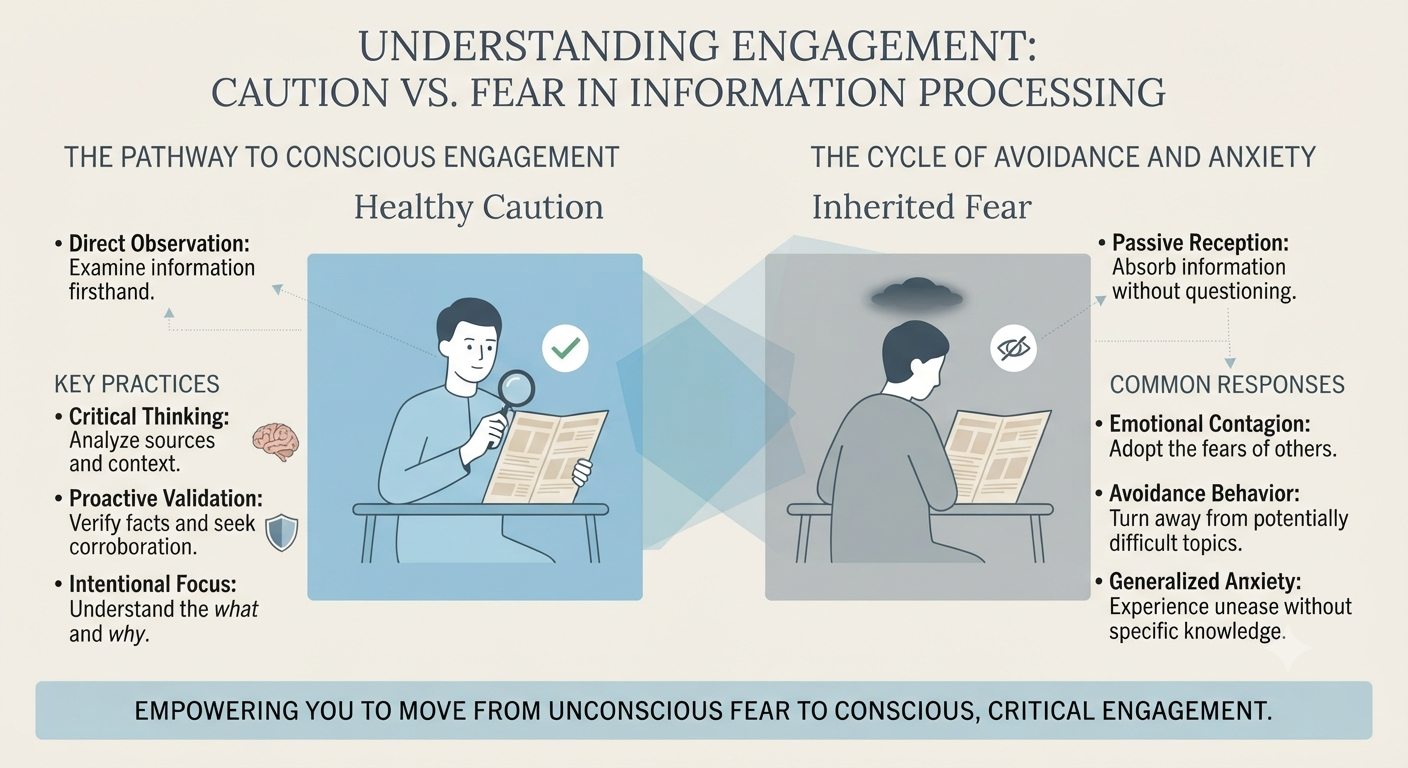
There's a meaningful difference between healthy caution, which drives careful, informed decisions, and inherited fear, which drives avoidance and shame regardless of the actual numbers involved.
Tracing your own specific source of fear, a silent household, a cultural message, a single bad experience, is a useful, concrete exercise that helps separate old, inherited feelings from the actual, current situation in front of you.
If a genuine debt problem exists underneath the inherited fear, addressing it directly, rather than continuing to avoid it, is what actually resolves both the fear and the underlying situation, and FREED can help with exactly that.
The Fear That Arrives Before the Facts
Notice the specific feeling that arises at the thought of opening a credit card statement, or calculating a full debt total, before any actual numbers are even involved. For many people, this feeling, a tightness, a dread, an urge to look away, arrives well before any rational assessment of the situation, which is a strong signal that the fear itself has a source separate from the current, actual facts.
This distinction matters considerably. A feeling that responds to actual numbers, calm when the numbers are manageable, appropriately concerned when they genuinely are not, is healthy, informed caution. A feeling that arrives regardless of the actual numbers, dread before you've even looked, is something else, and understanding where that something else came from is the first step to separating it from your actual, present situation.

Ready to look at your actual numbers instead of the fear around them?
Talk to a FREED Expert for free.
Connect with FREED ExpertSource 1: A Household Where Money Was Never Discussed Openly
For many people, the specific fear around debt traces back to a childhood household where money was simply never discussed, where a parent's stressed expression during a phone call was noticed, but never explained, where financial difficulty was something felt in the air but never named directly.
This kind of silence teaches a specific, lasting lesson, that money trouble is something to be quietly endured and hidden, rather than something that can be examined, discussed, and addressed directly. Adults who grew up in this kind of household often carry an instinct to avoid and hide their own financial difficulties, mirroring exactly what they observed, even when their adult circumstances would actually benefit from open, direct examination.
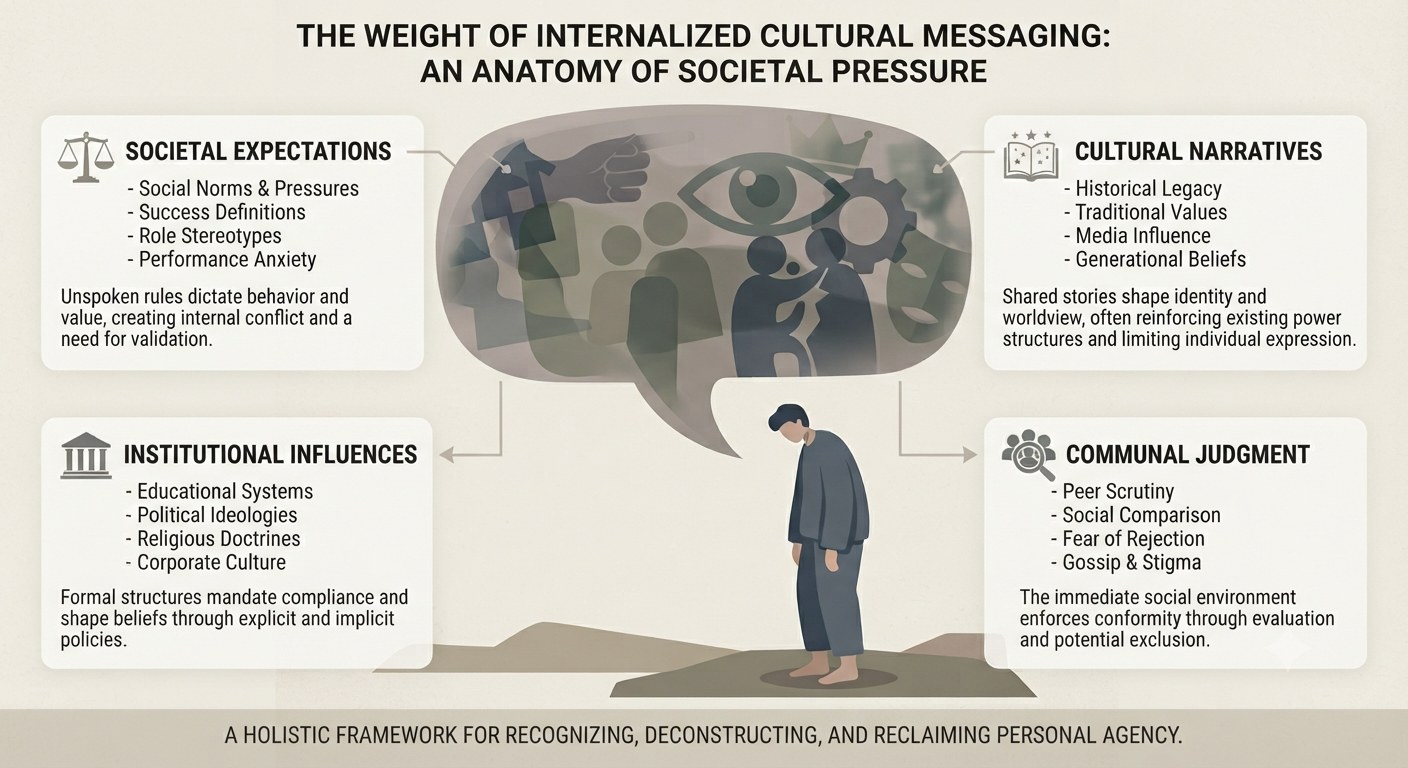
Source 2: Cultural Messaging Around Debt as Personal Failure
Broader cultural narratives, in many Indian communities specifically, frequently frame debt as a direct reflection of personal failure or poor character, rather than as a common, manageable financial circumstance that a large share of people experience at some point.
This messaging, absorbed gradually over years through family conversation, social expectation, and even casual jokes about "living beyond one's means," creates a specific association between debt and shame that has little to do with the actual mathematics or circumstances of any individual situation, and everything to do with an inherited cultural lens applied uniformly regardless of the actual facts.
Source 3: One Specific, Early Bad Experience
For some people, the fear traces to one specific, identifiable moment, an early credit card mistake that spiralled, a family member's loan default that led to a difficult, visible consequence, a personal experience with an aggressive recovery call before RBI's current protections were as widely understood or enforced.
A single vivid, negative experience like this can create a lasting, generalised fear response that then applies to every subsequent debt situation, regardless of how different the current circumstances genuinely are from that original, specific event. The brain is generally very good at generalising from one sharp, memorable experience, even when that generalisation is not actually accurate to a new, different situation.
Source 4: Watching a Parent or Relative Struggle Visibly
Distinct from silence, some people grew up watching a parent or close relative struggle visibly and painfully with debt, missed payments, stress, visible arguments about money, without necessarily understanding the full context or the fact that the situation was, in most cases, genuinely resolvable with the right approach.
Witnessing this struggle as a child, without the adult context to understand it fully, can create a specific, lasting fear that debt itself is inherently overwhelming and difficult to escape, a belief that may not accurately reflect the genuinely resolvable nature of most debt situations when addressed with the right information and support.
Source 5: Financial Media and the "Debt Is Danger" Narrative
Financial news, viral social media content, and even some well-intentioned financial advice frequently uses dramatic, fear-based framing, "the debt trap that's ruining lives," "why credit cards are destroying a generation", which, while sometimes highlighting genuine risks, often does so through language designed to provoke an emotional reaction rather than to inform calmly and accurately.
Consuming this kind of content repeatedly, particularly during a period of already-heightened financial stress, can reinforce and amplify an existing fear response, making it harder to approach one's own specific situation with the calm, factual clarity that genuinely helps.
Ready to replace the fear-based narrative with an honest, specific look at your own numbers?
Talk to a FREED Expert for free.
Talk to a FREED ExpertWhy Inherited Fear Often Makes Debt Harder to Manage, Not Easier
Regardless of its specific source, inherited fear around debt tends to produce one particular, consistent behaviour, avoidance, not opening statements, not calculating the actual total owed, not calling the bank proactively, precisely the actions that actually help address a real debt situation effectively.
This creates a specific, unfortunate irony, the fear intended, presumably, to motivate careful behaviour instead produces the exact opposite, avoidance that allows a genuinely manageable situation to develop unaddressed and, in some cases, to actually become more serious over time, purely because the fear prevented the direct, informed action that would have resolved it earlier and more easily.
Regardless of its specific source, inherited fear around debt tends to produce one particular, consistent behaviour, avoidance, not opening statements, not calculating the actual total owed, not calling the bank proactively, precisely the actions that actually help address a real debt situation effectively.
This creates a specific, unfortunate irony, the fear intended, presumably, to motivate careful behaviour instead produces the exact opposite, avoidance that allows a genuinely manageable situation to develop unaddressed and, in some cases, to actually become more serious over time, purely because the fear prevented the direct, informed action that would have resolved it earlier and more easily.
The Difference Between Healthy Caution and Inherited Fear
Healthy financial caution looks like this, checking your statement regularly, calculating your actual total honestly, feeling appropriately concerned when the numbers genuinely warrant concern, and taking direct, specific action in response. Inherited fear looks different, a dread that arrives before any numbers are examined, avoidance of the very information that would clarify the actual situation, and a a generalised sense of shame that persists even once a specific debt is genuinely, fully resolved.
Recognising which of these two you are actually experiencing, in any given moment, is a genuinely useful, practical distinction, since the appropriate response to each is considerably different, informed action for the first, and a deliberate effort to separate old feelings from present facts for the second.
How to Trace Your Own Specific Source
A genuinely useful exercise is asking directly, when I feel afraid about my debt, what does that feeling remind me of, a specific person, a specific memory, a specific phrase I heard repeated growing up. This is not an exercise in blame, toward yourself or anyone else, it is simply an act of honest observation, separating an old, inherited feeling from the actual, current facts of your present situation.
Often, simply naming the source specifically, "this fear feels like watching my father avoid phone calls," or "this feeling is the same shame I heard attached to debt growing up," creates just enough distance to look at your own current numbers with somewhat more clarity than the inherited fear alone would otherwise allow.
Replacing Fear With a Framework
Once the inherited fear is named and separated, at least partially, from the present situation, it can be replaced with something considerably more useful, a specific, concrete framework, calculate the actual total honestly, understand exactly what each account's interest rate and status actually is, and take one specific, informed action based on those actual facts, rather than continuing to respond to an old, generalised feeling that predates the current situation entirely.

What the Law Says
Under RBI's Fair Practices Code, debtors have specific, enforceable protections around fair treatment and transparent communication, protections that exist precisely because debt is understood as a common, manageable financial circumstance requiring structured support, not a moral failing warranting shame or silence. Knowing these specific rights exist can itself help counter an inherited cultural narrative that frames debt purely as personal failure rather than as a solvable, regulated financial situation.
Talk to a FREED ExpertTalking to the Next Generation Differently
For those with children or younger family members, a specific, deliberate choice is available, to discuss money and, where relevant, debt openly and factually, rather than passing along the same silence, shame, or fear-based framing that may have been inherited. This does not mean discussing every financial detail inappropriately, it means modelling that financial difficulty is a normal, discussable, solvable circumstance, rather than something to be hidden or feared silently.
Ready to break the cycle and address your own numbers directly?
alk to a FREED Expert for free.
Talk to a FREED ExpertWhen the Fear Is Right, and the Debt Genuinely Needs Addressing
None of this means every instance of concern about debt is simply inherited fear to be dismissed, some debt situations genuinely do warrant direct, concerned attention and action. The specific point of this blog is to help you separate an old, inherited fear response from an honest, current assessment of your actual numbers, so that whatever action follows is based on real, present facts, rather than a feeling that predates your current situation by years or even a generation.
If, once you've named the inherited fear and looked honestly at your actual total, you find the numbers genuinely do warrant concern, high-interest balances that aren't reducing, multiple accounts, a growing rather than shrinking total, that is precisely the moment for informed, direct action, not more avoidance.
FREED's Debt Consolidation Program combines multiple debts into one lower interest loan with a single, manageable EMI, replacing scattered, feared obligations with one clear, calculated plan.
FREED's Debt Resolution Program negotiates a reduced settlement for debt that cannot realistically be repaid in full, on average 56% less than the original outstanding, addressing the actual, genuine problem directly.
A free, no-judgement consultation can help you look at your actual numbers clearly, separate from any inherited fear, and identify the most effective, direct path forward.

Mohit Juneja
Mohit Juneja writes educational content at FREED on debt management, credit scores, loan repayment, and borrowing best practices. His content is shaped by expert insights and industry knowledge, helping readers better understand their financial options and make informed decisions.
mohit.juneja@freed.care

FREED is India's trusted loan management platform. Founded in 2020 and headquartered in Gurugram, FREED has counselled 20 lakh+ people on personal loans, credit cards, and app loans. FREED charges fees only on successful settlement, not upfront. FREED does not handle secured loans (home loans, car loans, gold loans).
Media Mentions