Who cares for a debtor?
Debt has a specific way of making a person feel entirely alone with it, even while surrounded by people. The truth is a genuine support system already exists around most debtors in India, regulators, counsellors, legal protections, family, if you know where to look and how to actually use it. Here is exactly who that support looks like, in real, practical terms.
Mohit Juneja
Reviewed by FREED India, Debt Resolution Specialists

 4.7/5
4.7/5 ₹3,200Cr+
 20,000+
 20,00,000+4.7/5₹3,200Cr+20,000+20,00,000+
Key Takeaways

Debt frequently feels isolating, but a genuine, layered support system already exists for most debtors in India, regulatory protections, formal counselling, and legal recourse, whether or not it feels visible in a moment of stress.
RBI's Fair Practices Code, the Banking Ombudsman, and formal grievance processes exist specifically to protect debtors, and are, in a very real sense, a form of institutional care built directly into the system.
A genuine debt counsellor, a trusted family member, and even your existing bank's hardship programs are all real, accessible sources of support, each with a specific, honest role to play.
The single biggest reason this support goes unused is avoidance, driven by shame, not a genuine absence of options, which means the first, most useful act of self-care is often simply reaching out.
FREED exists specifically as one part of this broader support system, combining genuine expertise with active protection, and a free consultation is a direct, concrete way to put this care into action.
Why It Feels Like No One Cares, Even Though Support Exists
Debt has a specific, isolating quality that many other financial difficulties do not share as sharply. It often comes wrapped in shame, a sense that the situation reflects a personal failing rather than a solvable problem, which makes people quietly withdraw, avoid conversations, and stop reaching out precisely when reaching out would help most.
This withdrawal creates a genuinely misleading impression, that no support exists, when in reality, a specific, layered system of protection and care does exist, regulatory, institutional, professional, and personal, it simply requires overcoming that initial instinct to withdraw in order to actually access it.

Feeling like you're facing your debt alone?
Talk to a FREED Expert for free.
Connect with FREED ExpertCare Source 1: The Regulator, Quietly Working in Your Favour
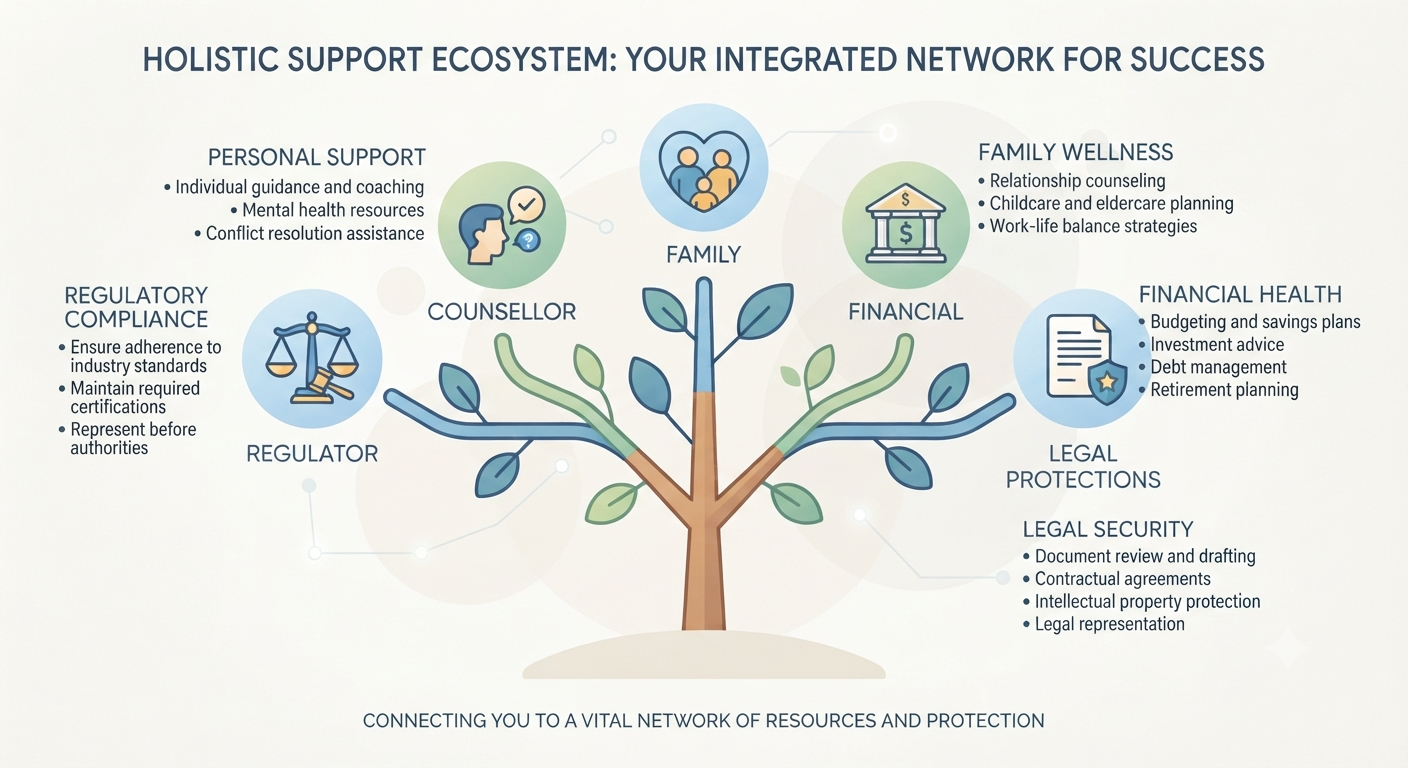
The Reserve Bank of India, through its Fair Practices Code, has built specific, enforceable protections directly into how every regulated lender in the country is required to treat borrowers, restrictions on contact hours, a prohibition on abusive language, a requirement for written documentation before any settlement.
This is, in a very real sense, a form of institutional care, a set of rules that exist specifically because regulators recognise borrowers in difficulty are vulnerable and deserve protection, built into the system whether or not any individual borrower is aware of it or actively invokes it.
Care Source 2: A Genuine Debt Counsellor
A certified debt counsellor, trained specifically to combine financial expertise with genuine attentiveness to a client's stress and circumstances, exists precisely to hold both the practical numbers and the human difficulty of a debt situation at the same time.
This is a specific, professional form of care, distinct from friendship or family support, built around structured listening, accurate financial guidance, and a genuine commitment to recommending what actually fits a person's situation, rather than a predetermined product.
Care Source 3: Family and Close Relationships, When Approached Honestly
Family members and close friends, while not financial experts, often genuinely want to help once a difficult situation is actually shared honestly, rather than hidden out of embarrassment. The specific value here is not technical advice, it is reduced isolation, practical perspective, and sometimes direct, concrete support that a purely financial or institutional source cannot offer.
The honest caveat worth naming, this support depends entirely on being willing to share the situation, which is precisely the step shame most commonly prevents, making this a genuine source of care that frequently goes untapped simply because it is never actually asked for.
Care Source 4: The Bank Itself, More Often Than People Assume
It can feel counterintuitive, but banks generally prefer a borrower who proactively raises a genuine hardship over one who simply stops paying and disappears, since a resolved account, even at reduced terms, is a better outcome for the lender than a prolonged, uncertain recovery process.
This means banks often do have a genuine, if commercially motivated, interest in working with a borrower who reaches out honestly, through restructuring, a temporary payment pause, or a fee waiver, a form of practical care that exists specifically because it also serves the lender's own interest, which does not make it less real or less useful.
Care Source 5: Formal Legal Protections Built Specifically for You
Beyond the regulatory code itself, specific legal mechanisms exist purely to protect debtors, the Banking Ombudsman process, formal dispute rights over credit report errors, and defined limits on how and when recovery can be pursued, each one a concrete, enforceable form of protection available to anyone who knows to use them.
These protections were not created as an afterthought, they reflect a deliberate legal recognition that debt situations create genuine vulnerability, and that vulnerability deserves specific, structured safeguards rather than being left entirely to the goodwill of individual lenders.
Not sure what legal protections you currently have access to?
Talk to a FREED Expert for free.
Talk to a FREED ExpertCare Source 6: Mental Health and Community Support
Financial stress is a genuine, well-documented source of anxiety, sleep disruption, and strain on relationships, and support for this specific dimension, a doctor, a therapist, a community support group, exists entirely separately from any financial fix, and matters just as much.
Seeking this kind of support alongside addressing the debt itself is not an admission that something is fundamentally wrong with you, it is a reasonable, practical recognition that sustained stress, from any cause, benefits from support, in the same way a physical illness would.
Care Source 7: Yourself, and Why This Belongs on the List
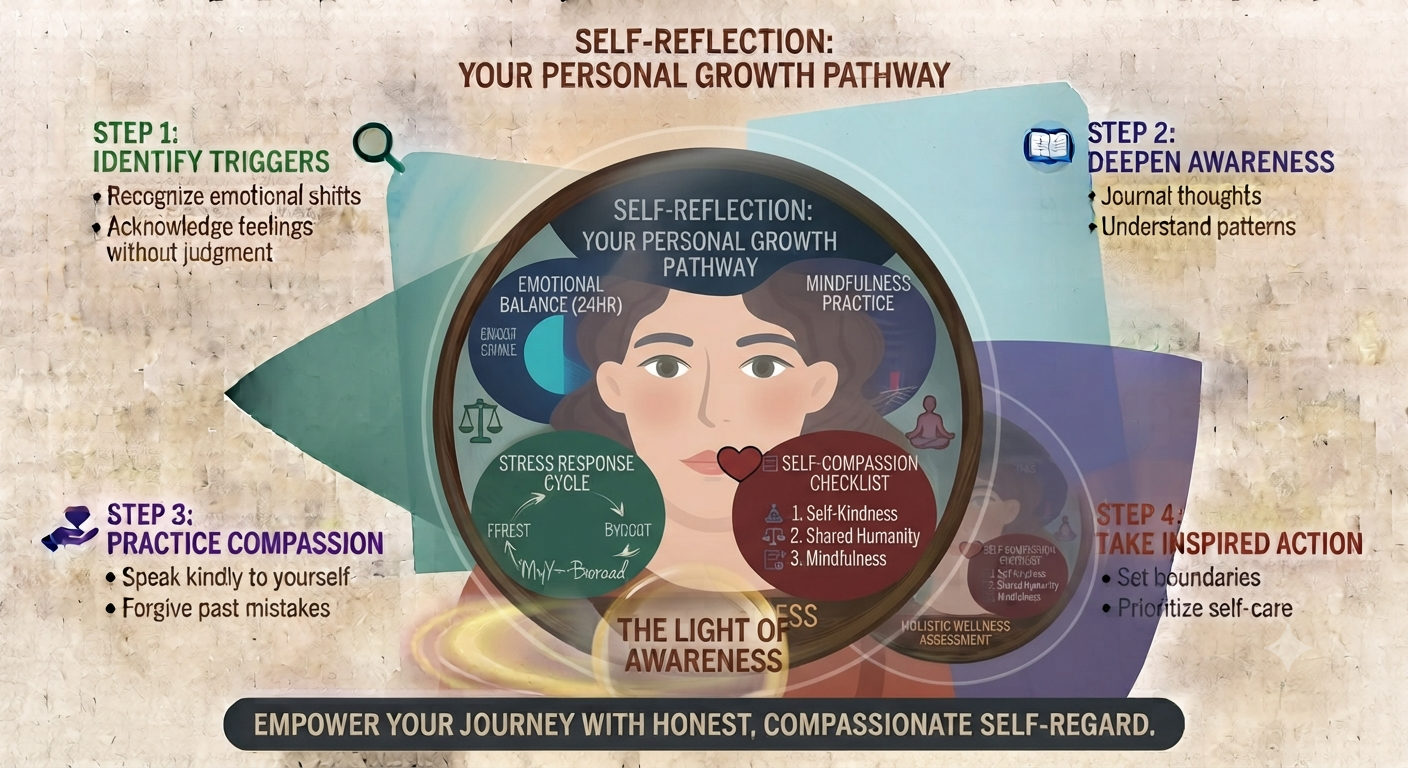
The final, and in some ways most foundational, source of care is your own willingness to look at the situation honestly rather than avoid it, to calculate the actual total owed, to reach out to one of the sources above, and to treat yourself with the same basic compassion you would offer someone else in a similar situation.
This is not a small or symbolic inclusion, avoidance driven by shame is precisely what prevents every other source of care listed here from being accessed at all, which means choosing to look directly at the situation is itself an act of self-care, arguably the first and most important one.
Why This Support Often Goes Unused
The single biggest reason this layered system of care goes unused is not that it fails to exist, it is avoidance, driven by shame, that keeps people from opening the specific statement, making the specific call, or telling a specific family member what is actually happening.
This avoidance is deeply human and understandable, but it is also the exact mechanism that prevents every other source of care described above from actually being reached, which is precisely why naming this pattern directly, rather than assuming support simply isn't available, is one of the most useful things this blog can offer.

What the Law Says
Under RBI's Fair Practices Code, every regulated lender is required to maintain a formal grievance redressal process and respond to hardship requests within a defined timeframe, a legally mandated form of institutional responsiveness that exists specifically to ensure debtors are not left without recourse. Knowing this specific right exists, and that the RBI Banking Ombudsman stands behind it as a free escalation path, is itself a concrete way to feel less alone with a difficult financial situation.
Talk to a FREED ExpertHow to Actually Access This Care When You Need It
Accessing this support does not require a grand gesture, it requires a series of small, specific actions, calculating your actual total debt honestly, calling your bank's hardship or settlement department directly, telling one trusted person the honest situation, and, where the debt has grown genuinely complex, reaching out to a certified counsellor for a free, no-obligation assessment of your specific circumstances.
Ready to take that first small step and talk to someone?
Talk to a FREED Expert for free.
Talk to a FREED ExpertBuilding Your Own Support Map
A genuinely useful exercise is writing out your own specific version of this list, who is your trusted family member or friend, what is your bank's specific hardship contact, and who would you call for a professional, expert assessment, so that when a difficult moment arrives, the decision of who to reach out to has already been made in advance, rather than needing to be figured out under stress.
FREED exists specifically as one part of this broader system, combining genuine financial and regulatory expertise with the kind of attentive, non-judgemental listening covered throughout this blog, and a free, no-obligation consultation is a direct, concrete way to put this specific form of care into practice.
FREED's Debt Consolidation Program and Debt Resolution Program both exist within this same framework of genuine care, paired with FREED Shield's active protection against harassment throughout the process.
Want a gentle, private first step before reaching out to anyone?
Take the FREED Financial Health Score, free, 2 minutes.
Check My Financial Health Score
Mohit Juneja
Mohit Juneja writes educational content at FREED on debt management, credit scores, loan repayment, and borrowing best practices. His content is shaped by expert insights and industry knowledge, helping readers better understand their financial options and make informed decisions.
mohit.juneja@freed.care

FREED is India's trusted loan management platform. Founded in 2020 and headquartered in Gurugram, FREED has counselled 20 lakh+ people on personal loans, credit cards, and app loans. FREED charges fees only on successful settlement, not upfront. FREED does not handle secured loans (home loans, car loans, gold loans).
Media Mentions