Who can you trust with your financial hardships?
Financial hardship is exactly the moment when good judgement about who to trust matters most, and is also, unfortunately, exactly the moment when that judgement is hardest to apply calmly. Here is a clear, honest guide to who genuinely deserves your trust, who does not, and how to tell the difference before you share a single financial detail.
Mohit Juneja
Reviewed by FREED India, Debt Resolution Specialists

 4.7/5
4.7/5 ₹3,200Cr+
 20,000+
 20,00,000+4.7/5₹3,200Cr+20,000+20,00,000+
Key Takeaways

Financial hardship creates specific vulnerabilities, urgency, shame, and a desire for quick relief, that predatory actors are specifically designed to exploit, which makes deliberate, careful trust decisions more important during hardship, not less.
Trustworthy sources of help generally include your existing bank directly, registered and certified debt relief companies, a genuinely trusted family member or friend, a qualified financial advisor, and RBI-backed grievance resources.
Specific red flags apply regardless of who is offering help, upfront payment demands before any real assessment, refusal to document anything in writing, promised outcomes before your situation is even reviewed, and discouragement from seeking a second opinion.
Verifying trustworthiness takes only a few minutes, checking registration status, requesting fee disclosures in writing, and asking directly about track record, and any genuine, professional service will welcome this scrutiny rather than resist it.
FREED specifically encourages this verification process, since a genuinely trustworthy debt relief company has nothing to hide and every reason to make its legitimacy easy to confirm.
Why Financial Hardship Makes You Specifically Vulnerable
Financial hardship creates a specific combination of psychological conditions, urgency, a desire for the problem to simply disappear quickly, shame that makes it harder to pause and think clearly, and often genuine desperation, that predatory operators are specifically designed to exploit. This is not a coincidence, it is precisely why financial hardship correlates so strongly with the timing of scam and predatory service targeting.
Understanding this dynamic matters because it reframes the challenge honestly, the goal during hardship is not simply to find help quickly, it is to find genuinely trustworthy help while your own judgement is under more pressure than usual, which requires a deliberate, specific framework rather than relying on instinct alone in a moment when instinct is least reliable.

Want to verify FREED's legitimacy for yourself before sharing any details?
Talk to a FREED Expert for free.
Connect with FREED ExpertThe People and Institutions Worth Considering, Honestly Assessed
A small number of specific sources genuinely deserve your trust during financial hardship, each with its own particular strengths and limitations worth understanding honestly, rather than treating any single option as a universal answer.
Option 1: Your Existing Bank or Lender, Directly
Your existing bank or lender is often the first, most direct source of legitimate help, since they have a genuine, regulated obligation to consider hardship requests, restructuring, a payment pause, reduced interest, through their formal grievance and hardship process.
The limitation is that a lender's interest, while regulated and generally fair, is not identical to yours, they want to recover their money, and their recommended solution will reflect that, which is not dishonest, but is worth understanding as you weigh their specific advice against your full financial picture.
Option 2: A Registered, Certified Debt Relief Company
A genuine, professional debt relief company, one with certified counsellors, transparent fees, and a verifiable track record, can offer expertise and negotiating leverage an individual typically lacks, particularly for managing multiple accounts or negotiating directly with several lenders simultaneously.
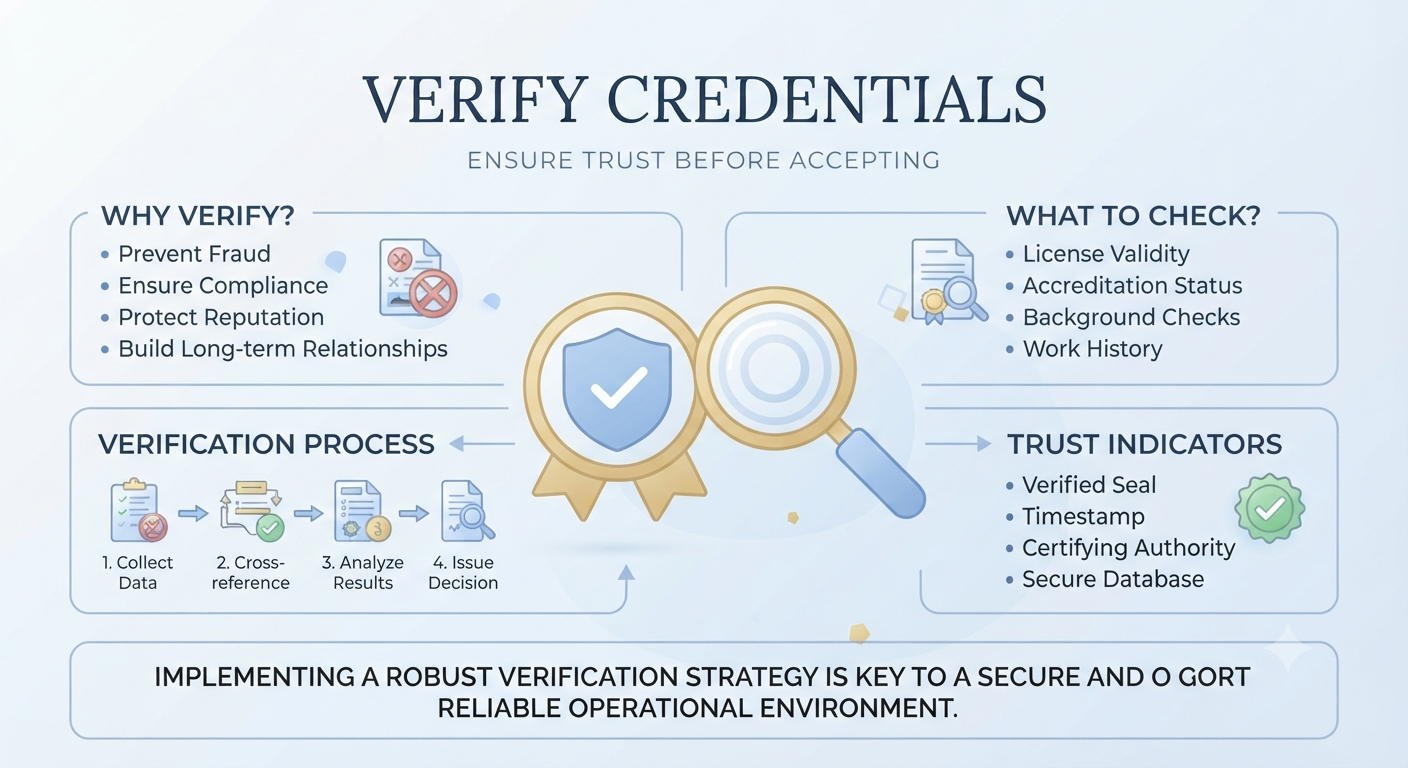
The specific verification worth doing here is confirmed further below, checking registration, requesting written fee disclosures, and asking for a specific, checkable track record, since this category includes both genuinely excellent, accountable services and predatory operators exploiting the same general framing.
Option 3: A Trusted Family Member or Friend
A genuinely trusted family member or friend, someone with your actual best interest at heart and no financial stake in your decision, can offer valuable perspective, emotional support, and a second pair of eyes on any specific proposal you're considering from elsewhere.
The limitation is equally worth naming honestly, they may lack specific financial or regulatory expertise, and their advice, however well-intentioned, should generally supplement rather than replace guidance from someone with genuine, relevant expertise in debt and credit matters specifically.
Option 4: A Financial Advisor or Chartered Accountant
A qualified, registered financial advisor or chartered accountant can offer genuinely independent, professional guidance, particularly for understanding the broader financial and tax implications of a specific debt decision, settlement versus consolidation, for instance.
This option typically involves a direct professional fee, and is generally more suited to a broader financial planning conversation than the specific, hands-on negotiation with individual lenders that a dedicated debt relief service typically provides.
Weighing your options and want an honest assessment of what fits your situation?
Talk to a FREED Expert for free.
Talk to a FREED ExpertOption 5: Government and RBI-Backed Resources
The RBI Banking Ombudsman, at cms.rbi.org.in, is a free, government-backed escalation path for any unresolved grievance with a regulated lender, and is worth knowing about specifically as a resource that requires no fee and no lawyer.
This resource is specifically useful for escalating a grievance that a lender has not resolved satisfactorily, rather than as a first point of contact for general hardship guidance, and understanding this distinction helps set the right expectations for when this specific resource is genuinely useful.
Who You Generally Should Not Trust, and Why
Beyond the specific red flags covered below, a general category worth treating with particular caution is any unregistered, informal "settlement agent" or advisor who cannot clearly explain their regulatory status, their specific relationship with the banks they claim to negotiate with, or provide any verifiable track record beyond their own testimonials.
This category is not universally dishonest, but it carries meaningfully higher risk precisely because it lacks the accountability structures, registration, formal grievance processes, regulatory oversight, that apply to the trustworthy options described above.
Are You in a Loan Trap? Quick Check
Move the slider to your total EMIs as a % of monthly salary. See your debt stress level instantly.
EMIs as % of Monthly Salary
Red Flag 1: Anyone Asking for Upfront Payment Before Any Real Assessment
A genuine, professional service assesses your situation, income, existing debts, the specific reason behind your hardship, before discussing fees or requesting any payment. Anyone asking for a payment upfront, before this genuine assessment has happened, is a significant, specific warning sign worth taking seriously regardless of how confident or reassuring the request sounds.
Red Flag 2: Anyone Refusing to Put Anything in Writing
Any agreement, a settlement amount, a fee structure, a specific commitment, must be documented in writing before you proceed or pay anything. Reluctance, hesitation, or vague deflection when you directly request this documentation is one of the clearest, most reliable indicators of a predatory or informal operator, since this written protection is a basic, non-negotiable standard any legitimate service should meet without resistance.
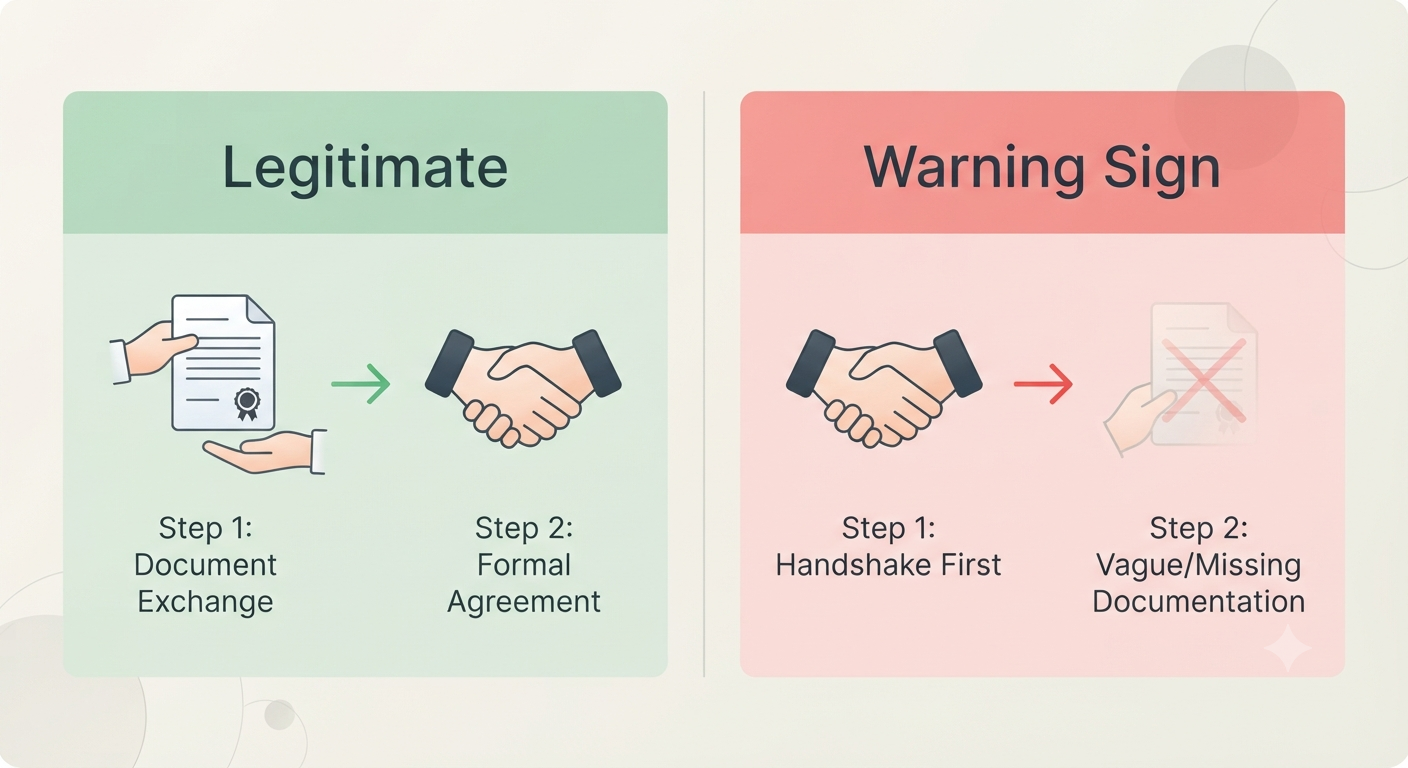
Red Flag 3: Anyone Promising a Specific Outcome Before Reviewing Your Situation
A genuine expert cannot honestly promise a specific settlement percentage or a guaranteed approval before actually reviewing your full financial picture, since the realistic outcome genuinely depends on your specific accounts, lenders, and documentation. Anyone offering a confident, specific promise before this review has happened is making a claim they cannot actually substantiate.
Red Flag 4: Anyone Discouraging You From Getting a Second Opinion
A genuinely trustworthy advisor or service welcomes you taking time to consider their advice, consulting a family member, or even getting a second opinion elsewhere, since a genuinely good recommendation holds up under this kind of scrutiny. Pressure to decide immediately, or active discouragement from discussing the decision with anyone else, is a significant, specific warning sign.
Considering an offer from elsewhere and want a second, honest opinion?
Talk to a FREED Expert for free.
Talk to a FREED ExpertHow to Verify Trustworthiness Before Sharing Financial Details
Before sharing any specific financial details with a company or advisor, a few concrete verification steps take only a few minutes, checking whether an investment advisor is SEBI registered, confirming a debt relief company's actual years in operation and specific, checkable track record, requesting the fee structure in writing before any conversation goes further, and searching independently for reviews or complaints, rather than relying solely on testimonials the company itself provides.

What the Law Says
Under RBI's Fair Practices Code, all regulated lenders and any legitimate third parties assisting in debt settlement negotiations are required to document agreements in writing and disclose fees clearly before any commitment. This specific regulatory requirement is precisely why the verification questions above, and the written documentation described throughout this blog, are not simply best practice, they reflect a legal standard any genuinely accountable service is required to meet.
Settle My LoansBuilding a Small Circle of Trusted Support
The most resilient approach during financial hardship rarely relies on a single source of trust. A genuinely trusted family member for perspective and emotional support, your existing bank for direct, regulated hardship options, and, where appropriate, a certified, verified debt relief company for negotiation expertise, together, cross-checking each other's advice, offer considerably more protection than relying on any single source, however trustworthy that source appears to be.
Want an honest, no-pressure starting point before deciding who to trust with the details?
Take the FREED Financial Health Score, free, 2 minutes.
Check My Financial Health Score
Mohit Juneja
Mohit Juneja writes educational content at FREED on debt management, credit scores, loan repayment, and borrowing best practices. His content is shaped by expert insights and industry knowledge, helping readers better understand their financial options and make informed decisions.
mohit.juneja@freed.care

FREED is India's trusted loan management platform. Founded in 2020 and headquartered in Gurugram, FREED has counselled 20 lakh+ people on personal loans, credit cards, and app loans. FREED charges fees only on successful settlement, not upfront. FREED does not handle secured loans (home loans, car loans, gold loans).
Media Mentions